Heat Pump Repair 101: Diagnosing Issues, Routine Maintenance, and Professional Help
Modern heat pumps represent an incredible advancement in residential heating and cooling, providing year-round comfort from one streamlined system. Instead of burning fossil fuels to create heat, they rely on smart thermal dynamics to move existing heat energy indoors or outdoors. Because they replace both a furnace and an AC, they operate continuously throughout the year, experiencing heavier usage compared to standard setups.
If your system begins operating poorly, generating weird sounds, or spiking your power costs, delaying service can result in an expensive, complete breakdown. Whether you are dealing with a midnight breakdown that requires a 24 hour heat pump repair expert or just need routine troubleshooting, this comprehensive guide will walk you through everything you need to know. This guide explores how the system works, safe at-home fixes, when to hire an expert, and proper long-term maintenance strategies.
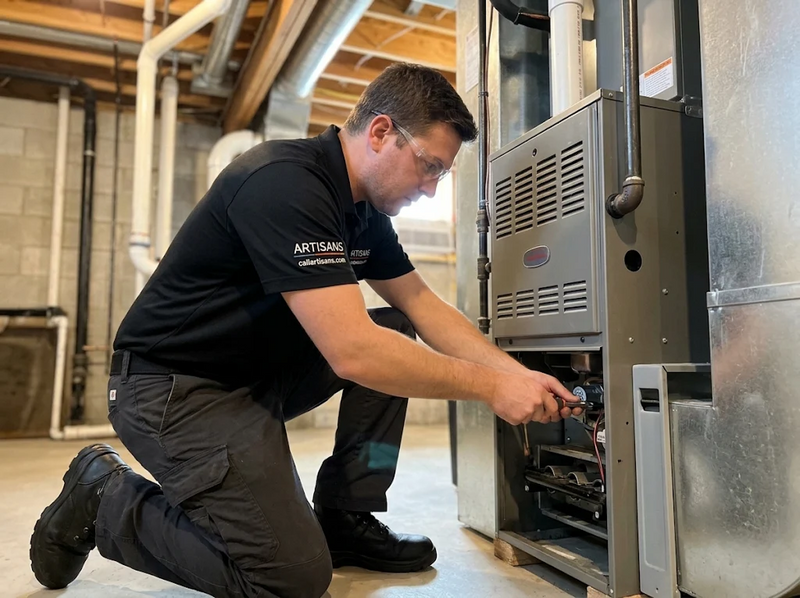
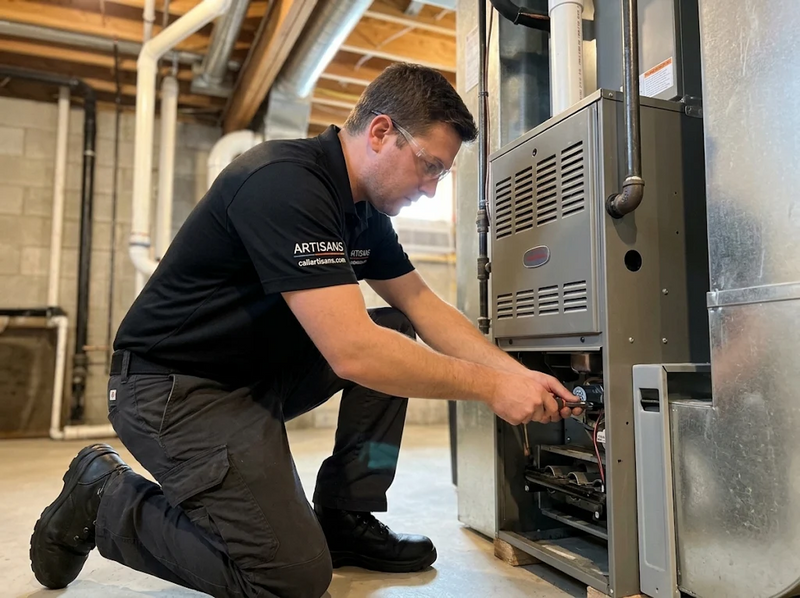
Trane Heat Pump Repair Technician in East Texas Pennsylvania
The Science Behind Heat Pumps: A Brief Overview
You cannot fix a complex HVAC unit without grasping the basic mechanics. At its core, a heat pump operates using a closed-loop refrigeration cycle. It consists of an outdoor unit (containing the compressor and condenser coil) and an indoor air handler (containing the evaporator coil and blower motor).
In the summer, the system acts exactly like a traditional air conditioner, pulling thermal energy from your indoor air and releasing it outdoors. In the winter, a brilliant component called the reversing valve shifts the flow of the pressurized refrigerant. The system then extracts ambient heat energy from the outside air—even in near-freezing conditions—and pumps that heat indoors.
This continuous process relies on a delicate balance of electrical components, precise refrigerant pressures, and unobstructed airflow. When any one of these factors is compromised, the system’s efficiency plummets, causing lukewarm air, iced-over components, or complete failure. Knowing this balance helps you spot exactly what is going wrong.
7 Symptoms of a Failing Heat Pump
These complex systems rarely fail without giving you a few hints first. Catching these red flags early can prevent massive discomfort and expensive emergency bills.
1. Weak Airflow or Incorrect Temperatures
A major red flag is a unit running continuously without actually changing the room temperature. This frequently points to a refrigerant leak, a stuck reversing valve, or a severely clogged air filter restricting the blower.
2. Unexplained Spikes in Utility Costs
Heat pumps are highly prized for their superior energy efficiency. If your utility bills suddenly spike without a corresponding extreme shift in the weather, the system is probably struggling against a faulty part, leaky ductwork, or dirty condenser coils.
3. The Outdoor Unit is Frozen Solid
A little frost in winter is fine, but a unit encased in solid ice means trouble. These systems use an automatic defrost cycle to melt away winter ice. If the ice won’t melt, you could have a failed sensor, a bad circuit board, or terrible airflow.
4. Short Cycling Times
A healthy heat pump operates in steady, consistent cycles lasting 10 to 20 minutes. If your system turns on, runs for only two or three minutes, and abruptly shuts off, it is “short cycling”. This places immense mechanical stress on the compressor. If you own a specific brand, calling a Trane heat pump repair specialist can ensure the pressure imbalances and thermostat issues are calibrated precisely to factory standards.
5. Strange, Alarming Noises
These appliances should run quietly in the background. If you hear loud grinding, shrieking, or rattling, shut the system down immediately at the thermostat. Grinding often indicates failing motor bearings, rattling suggests loose hardware or debris inside the fan housing, and a hissing noise is the classic symptom of a high-pressure refrigerant leak.
6. Strange Smells from the Ductwork
A healthy HVAC system should never introduce strange smells into your living space. Chemical smells usually mean a freon leak. Burnt plastic smells indicate electrical fires, while musty odors point to mildew on the indoor coils.
7. Unresponsive System or Tripped Breakers
If the heat pump refuses to turn on entirely, or if it continually trips your electrical breaker every time it tries to start, you are likely dealing with a severe electrical short, a fried dual-run capacitor, or a seized compressor motor.
Before You Call a Pro: Basic Diagnostics
Before spending money on an expensive service call, there are several safe, simple troubleshooting steps you should perform. Often, what appears to be a major mechanical failure is actually a minor operational oversight.
- Start at the Thermostat: The thermostat is the brain of your entire HVAC system. Ensure it is set to the correct mode (heating or cooling) and that the temperature is actually set higher or lower than the current room temperature. Swap the batteries if the display is dead. Check to ensure the auxiliary or emergency heat isn’t permanently locked on, which will cost you a fortune in electricity.
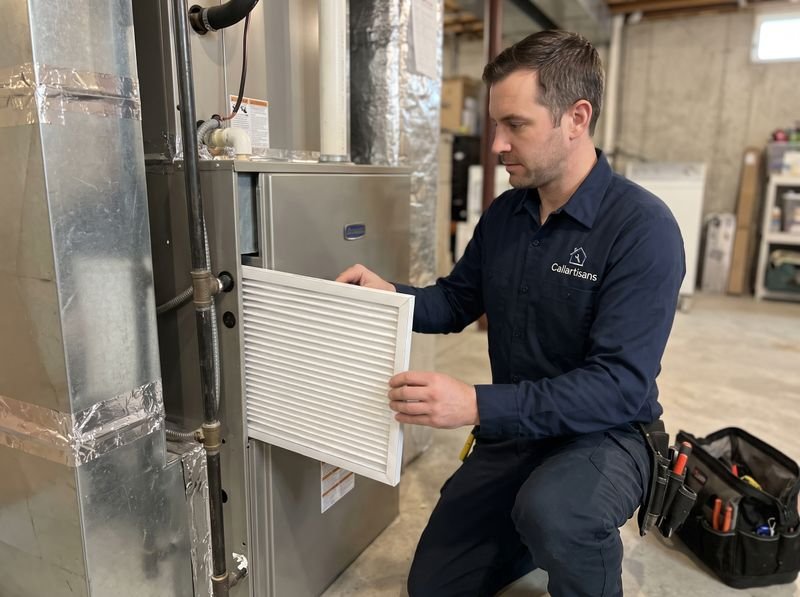
- Inspect and Replace the Air Filter: A clogged air filter is the number one cause of premature heat pump failures. Without air, coils freeze, motors overheat, and energy is wasted. Check your filter by holding it up to a light source; if you cannot see light passing through it, it must be replaced. During peak seasons, inspect filters monthly and replace them every 30 to 90 days.
- Remove Outdoor Debris: The outdoor compressor requires massive amounts of air to breathe. Brush away leaves, dirt, and snow from the metal grilles. Keep vegetation trimmed back at least 24 inches from the cabinet.
- Check the Power Supply: For a totally unresponsive unit, flip the breaker in your garage or basement. Also check the grey metal disconnect box mounted on the exterior siding.
- Open All Vents: Never close your air registers to save money. Heat pumps are precisely balanced to push a specific volume of air through your home. Closing vents or blocking them with heavy furniture creates severe backpressure in the ductwork, forcing the blower motor to struggle and increasing the risk of coil freezing.
Calling a Heat Pump Repair Specialist
Though you can handle filters and cleaning, these are dangerous, high-voltage machines filled with chemical refrigerants. Certain repairs absolutely require the specialized tools, training, and certifications of a licensed HVAC technician.
- Freon and Refrigerant Issues: Only EPA-certified pros can legally handle HVAC chemicals. If your system is low on refrigerant, simply “topping it off” is not a legitimate solution—the leak still exists. A certified Rheem heat pump repair expert must use advanced electronic leak-detection equipment to locate the microscopic holes in the copper lines, braze them shut, pressure-test the system with nitrogen, and then recharge it with the exact factory-specified weight of refrigerant.
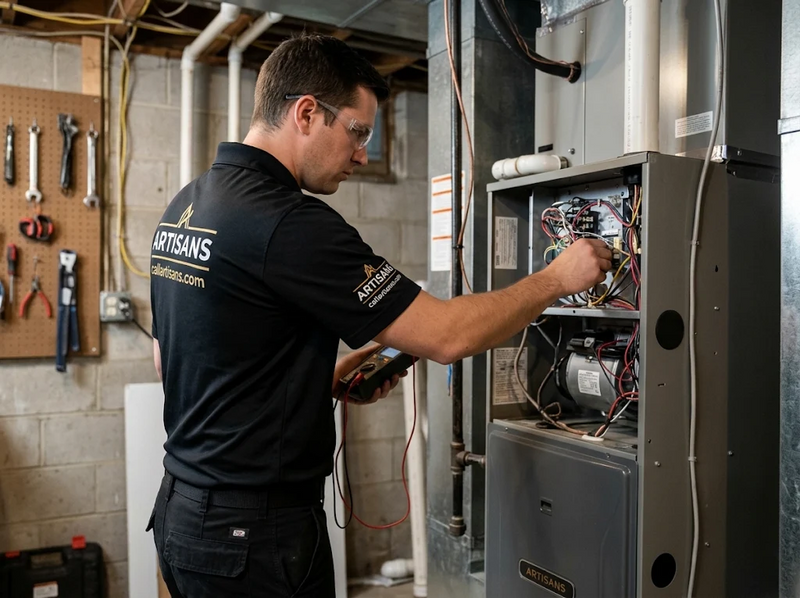
- Electrical Diagnostics: Never mess with high-voltage relays, capacitors, or control boards. For midnight electrical failures, hire a 24 hour heat pump repair expert who has the proper multimeters and knowledge to safely navigate 240-volt circuits.
- Replacing the Compressor: The compressor is the most vital and expensive element of the machine. Swapping them out requires heavy welding, vacuum pumps, and specialized recovery tanks. For example, if you have a Carrier system, bringing in a Carrier heat pump repair expert ensures the warranty remains intact during the process. Likewise, for other premium units, an American Standard heat pump repair specialist will know exactly how to execute the high-temperature welding required without damaging surrounding components.
- Defrost System Failures: Fixing a broken defrost cycle involves testing thermistors and computer boards. HVAC techs can bypass the system manually to find exactly which sensor has failed.
The Anatomy of a Professional Heat Pump Repair
When you hire a top-tier technician—look for industry credentials like NATE (North American Technician Excellence) certification—you aren’t just paying for a quick fix; you are investing in a comprehensive, step-by-step diagnostic process.
Step 1: Visual Diagnostics
The technician will begin by interviewing you about the specific symptoms you’ve noticed. They will then perform a thorough visual inspection of both the indoor and outdoor units, looking for obvious signs of physical damage, wear, oil stains (which strongly indicate refrigerant leaks), and wire scorching.
Step 2: Using Specialized Tools
The pro will break out the heavy-duty diagnostic gear. Gauges are connected to check freon levels. Electrical meters ensure the voltage is correct. Finally, they will test the operational airflow by measuring the temperature differential and inspecting the blower motor.
Step 3: Pinpointing the Root Cause
Because these systems are so complex, one symptom often stems from a totally different component. A frozen coil isn’t always a freon leak; a good pro might realize it’s just a dead blower motor. This careful detective work saves you from buying parts you don’t actually need.
Step 4: Executing the Repair
After the diagnosis is complete, the broken parts are swapped out. If a refrigerant leak was found, it is welded and the system is properly recharged. They will also clean up the unit to prevent immediate future issues.
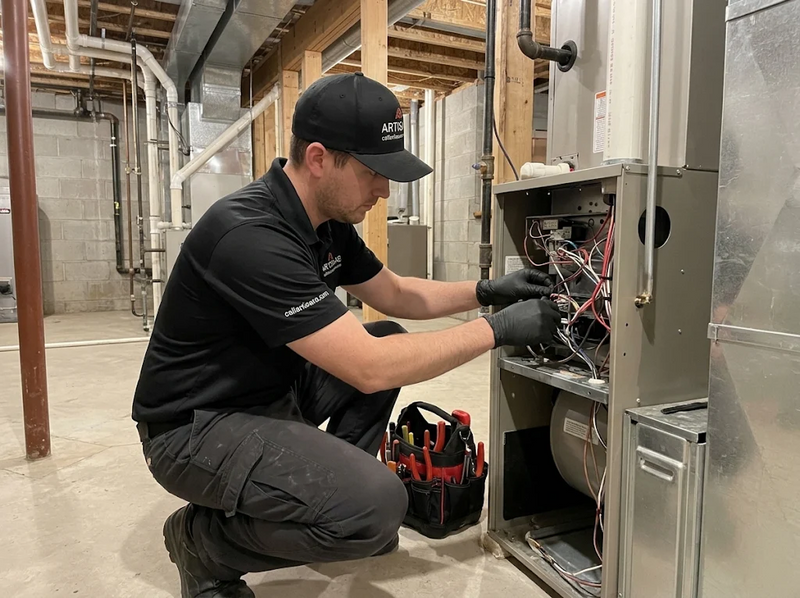
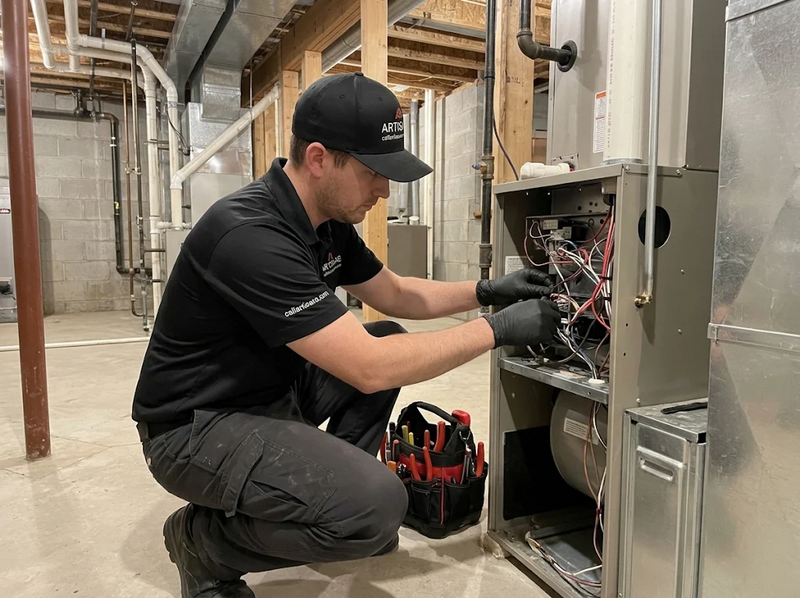
Trane Heat Pump Repair Technician in East Texas Pennsylvania 18046
Step 5: Testing the Fix
The unit is fully tested in all modes before the tech packs up. They will verify that the safety controls are functioning, explain exactly what repairs were made, and provide documentation of the parts used before leaving your home.
Long-Term Upkeep for Your HVAC System
The most cost-effective repair is the one you never have to make. Taking care of your system ensures it lasts two decades without major issues.
Don’t Touch the Thermostat: These systems hate massive temperature swings. Fiddling with the dial forces the unit to work too hard and turns on expensive auxiliary heat. Pick a good temperature and keep your hands off the dial. Always use the “AUTO” fan setting for best results.
Book Yearly Maintenance: Just like a car, your HVAC needs an annual tune-up. Have a certified tech look at it once or twice a year, preferably right before extreme summer or winter weather hits. A good tune-up involves chemical coil cleaning, electrical checks, and precise mechanical lubrication.
Keep the PVC Drain Clear: In cooling mode, heat pumps extract gallons of humidity from your home’s air. This water drips into a pan and flows outside through a PVC drain line. Over time, algae and sludge can clog this line, causing water to back up, overflow into your home, and potentially short out the indoor air handler’s sensitive electronics. Periodically inspect this line to ensure water is dripping freely outside.
Final Thoughts
A heat pump is a massive, vital investment in your home’s comfort and long-term energy efficiency. By understanding exactly how the system breathes, moves heat, and manages electricity, you are far better equipped to protect it. While simple homeowner habits like changing filters and clearing outdoor debris can prevent the vast majority of common issues, recognizing the stark warning signs of serious mechanical or electrical failure is equally critical.
If disaster strikes, immediately reach out to a trained professional. For instance, relying on a Trane heat pump repair professional for your Trane unit guarantees targeted expertise. With the right mix of professional repairs and preventative care, your system will provide decades of flawless, efficient climate control.
For Trane Heat Pump Repair Technician in East Texas 18046, you can count on CallArtisans. We’re available 24/7 for all your Trane Heat Pump Repair Technician needs: (484) 901-5900