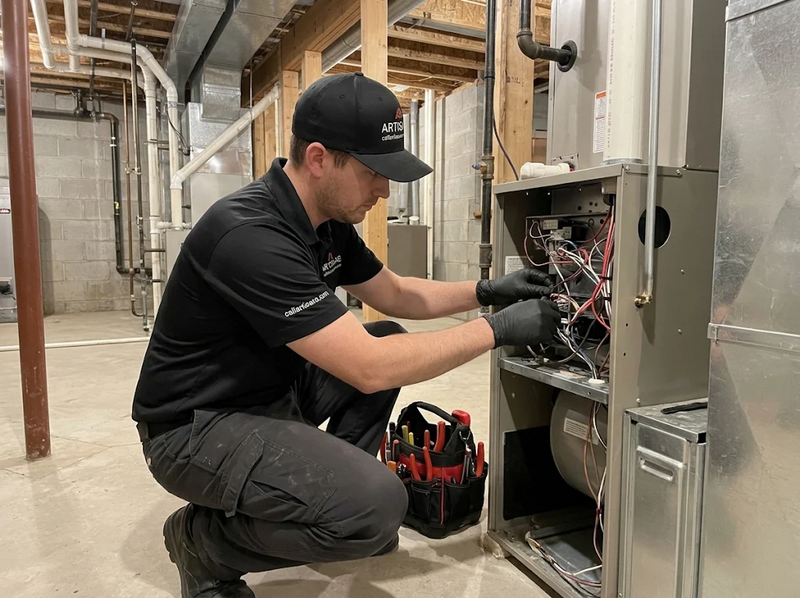
A Comprehensive Property Owner’s Guide to Furnace Replacement in Today’s Market
Investing in a new heating system is one of the most crucial investments you can make for your property’s overall comfort, safety, and utility savings. That being said, a perfect setup procedure is as essential as the build quality of the equipment itself. Implementing professional standards during installation maximizes system performance, lowers lifetime operational expenses, and keeps your household entirely safe from severe hazards like fire hazards.
Trane Furnace Installation Contractor in Fountain Hill Pennsylvania
If furnaces are improperly measured, badly reviewed, or installed incorrectly, they can quickly transform from a reliable heat source into a severe threat resulting in electrical fires or dangerous gas leaks. Regardless of whether you are replacing an failing unit in a vintage home or outfitting a new construction, this detailed article covers all vital steps of the HVAC setup process so you know how the process works.
1. Repair vs. Replacement: Making the Right Call
Before paying for a comprehensive furnace installation, it is vital to figure out whether your old furnace is at the end of its life. HVAC units do not run eternally, but spotting the exact right time to upgrade can prevent financial strain in emergency repairs and power loss.
You should think about a complete system overhaul if you spot the following warning signs:
- System Lifespan: The standard, reliable lifespan of a residential furnace is generally fifteen to twenty years. If your system falls within or is past this range, its internal hardware and heat exchangers are probably failing.
- Higher Power Bills: If your utility costs are steadily rising despite consistent usage patterns, your furnace is becoming highly inefficient and struggling to keep your home warm.
- Constant Repairs: When the added price of repeated emergency repairs on an outdated system begins to come close to the investment of a new unit, replacement is the most financially sound choice.
- Safety Concerns: Gas scents, unusual vibrations, and any suspicion of a gas leak means you should immediately call a licensed professional. Dangerous symptoms often dictate an urgent swap to avoid carbon monoxide poisoning.
2. Picking the Best HVAC Unit for Your House
Every furnace is different. Modern heating technology has leaped forward, offering consumers total command over their home environment and utility usage.
What is an AFUE Rating?
Efficiency in heating is measured by the AFUE rating. A higher AFUE percentage means that more of the raw fuel your furnace consumes is turned into usable heat for your living space rather than being wasted up the chimney.
- Reduced Utility Costs: High-efficiency furnaces fundamentally use less fuel to heat the home. This translates to massive money saved over the life of the furnace, which is highly apparent in states that endure long freezing seasons.
- Eco-Friendly Perks: Choosing a green heating system with a 90+ AFUE score typically emits far less carbon, resulting in a smaller household carbon footprint and supporting a cleaner environment.
Top Furnace Brands for 2026
When planning a furnace installation, choosing a trusted company is vital. Based on recent market performance and durability, here are some of the highly recommended systems:
3. Before the Install: Setting the Stage
A successful furnace installation begins long before the furnace shows up at your door. Getting ready guarantees the installation happens without a hitch and that the new system operates at peak performance from the very start.
Placement and Sizing
Load calculation is arguably the most essential factor in home furnace installation. A unit that is undersized will run constantly without properly heating your home, while a system that is oversized will short-cycle, causing hot and cold spots, poor humidity control, and early system failure.
You must also decide on the ideal area for the installation to guarantee ventilation. Usually, furnaces are securely installed in a basement, HVAC room, or garage. When selecting the spot, think about how close it is to fuel pipes, power sources, and your home’s core ductwork. The area must be totally clean and junk to allow enough room for repairs and to prevent fire hazards.
Trane Furnace Installation Contractor in Fountain Hill Pennsylvania 18015
Electrical Requirements
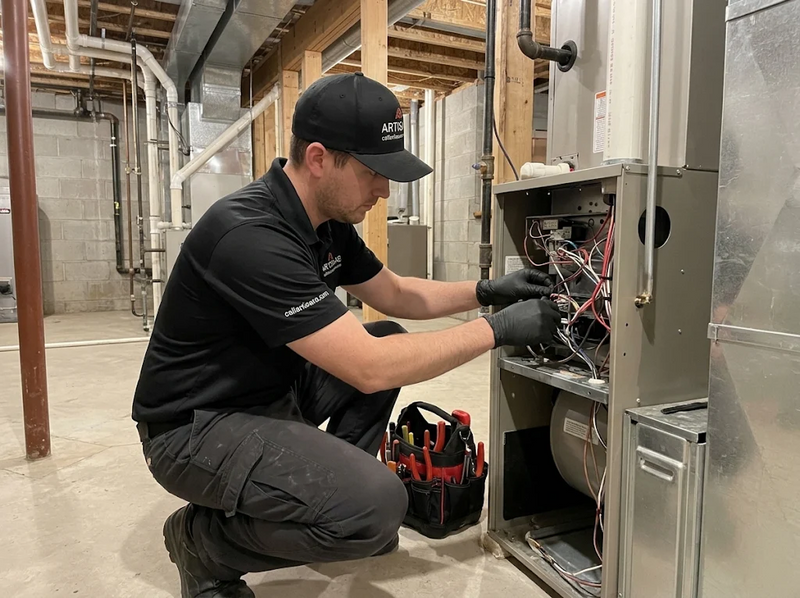
New HVAC systems need a dedicated electrical circuit that does not share power with your home’s lighting circuits. Before beginning the physical installation, an HVAC technician or electrician must check that your electrical panel and switches are fully up-to-date and in pristine condition.
- If You Have an Older House: Installing a new, high-tech furnace in an older property often demands new electrical lines to provide adequate, stable power. Outdated systems can cause potential power surges that may destroy a new furnace’s sensitive electronic control board.
Dealing with City Codes
Bypassing the legal process can cause massive city penalties or problems when it goes on the real estate market. A must-do task is to pull the right permits before starting the home furnace installation. Sticking to local building codes, brand guidelines, and overarching safety standards like the national building codes protects homeowners and guarantees the legality of the HVAC equipment.
4. The Complete Installation Day Timeline
Knowing what takes place on installation day empowers homeowners to stay informed and guarantee the installers are not cutting corners.
Step 1: Removal Phase
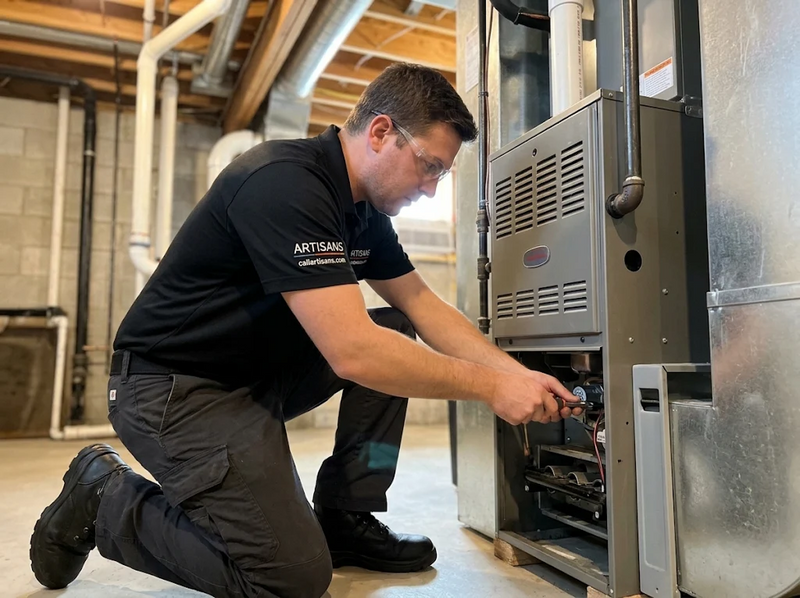
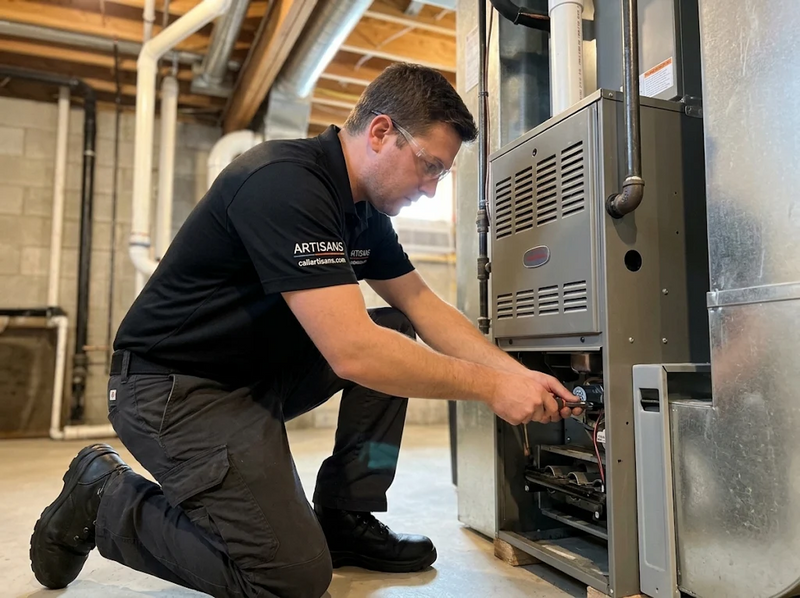
The first active step is cutting power to and trashing the broken heater. Installers must strictly ensure that all power feeds and gas lines are closed tight before starting the demo. The HVAC crew will then clean the area, taking out scrap metal and trash to make a flat surface for the incoming unit.
Step 2: Positioning the New Unit
When the space is ready, the heating unit is set on the pad. The techs will shim the unit to ensure the furnace is perfectly balanced—which is absolutely necessary for proper condensation drainage and fan balance—and check that it has enough breathing room.
Step 3: Hooking Everything Up
This highly technical phase plumbs the new unit to your home’s vital circulatory systems:
- Air Ducts: Technicians will attach the plenums, working carefully to properly seal the connections to stop draftiness and ensure maximum airflow.
- Exhaust and Ventilation: Correctly sizing and placing PVC vent pipes is non-negotiable to avoid the trapping of carbon monoxide inside the living space. The furnace must securely vent all exhaust gases into the outdoor air.
- Gas and Electrical Lines: The team will establish secure electrical connections with absolutely no exposed wires and pipe the black iron gas line using leak-free joints.
Step 4: Thermostat Integration
The concluding phase is installing or calibrating the smart thermostat. The pros will hook up the low voltage wires, pair it to the system motherboard, and set the parameters for optimal efficiency and customized comfort.
5. Post-Install Safety Testing and System Testing
The job is unfinished when the wiring is done. Thorough QA is what separates amateur handymen from professional, certified HVAC technicians.
Fuel Safety
Sniffing for gas is the number one post-installation safety check. Installers will utilize specialized gas detectors to ensure the pipes are 100% sealed from the threaded fittings. They will also conduct thorough carbon monoxide testing to make sure it vents properly and the exhaust system is functioning flawlessly under load.
CO Alarms
Because carbon monoxide is an odorless, colorless, and potentially deadly gas, installing or actively verifying the presence of CO alarms is an absolute must. If you are putting a unit in a vintage house, buying new alarms today is basically mandatory.
Firing It Up
Prior to packing up the van, the technician will turn on the heat to listen for weird noises or shaking. They will check the temperature rise and test for proper airflow, making sure every room gets warm. Final walk-throughs by qualified professionals act as the final verification that all safety measures are correctly implemented.
6. Furnace Maintenance Guide
A flawless install job creates the foundation, but proper care is the key to longevity. Ignoring maintenance will destroy the expensive energy efficiency gains you just purchased.
- Replace Filters Regularly: Dust-packed filters choke the blower motor, causing overheating and consume more energy while pumping dust into your house. You should replace your filters monthly during winter, heavily depending on your household’s usage, how many dogs or cats you have, and the MERV rating of the filter.
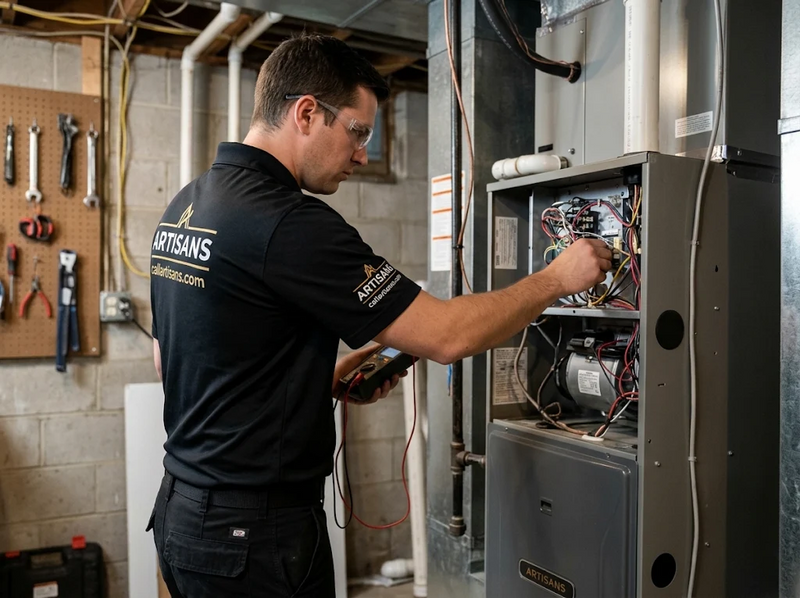
- Improve Home Envelope: Adding attic insulation, free of window drafts, and that all accessible ductwork in attics or basements is mastic sealed makes life easier on your new furnace.
- Annual Professional Inspections: Never wait for an emergency to hire an HVAC company. Hire a local expert to thoroughly inspect the furnace annually. These inspections catch minor leaks and clogged drains before they leave you freezing in the middle of the night.
Being an informed homeowner is the last step in the process. A true professional will show you the ropes, how to operate the thermostat, and basic DIY fixes. By investing in a high-quality unit, hiring a licensed contractor, and changing filters regularly, you make sure your property is a warm, safe, and highly efficient sanctuary for decades to come.
For a Trane Furnace Installation Contractor in Fountain Hill 18015, you can count on Artisans. We’re available 24/7 for all your Trane Furnace Installation Contractor needs: (484) 901-5900