Heat Pump Repair 101: Diagnosing Issues, Routine Maintenance, and Professional Help
Heat pumps are the ultimate modern marvel of home climate control, delivering winter warmth and summer cooling using a single appliance. Rather than consuming gas or oil to generate warmth, they rely on smart thermal dynamics to move existing heat energy indoors or outdoors. However, because they serve as both your air conditioner in the summer and your furnace in the winter, they rarely get a break, leading to faster wear than traditional split systems.
When a heat pump starts underperforming, making strange noises, or causing your energy bills to skyrocket, failing to address these issues quickly will cause a total mechanical collapse. If you need immediate emergency assistance from a 24 hour heat pump repair technician or simply want to diagnose a minor glitch, this comprehensive guide will walk you through everything you need to know. We will cover understanding the core mechanics, tackling DIY troubleshooting, knowing exactly when to call in a certified professional, and how to maintain your system for a lifetime of flawless comfort.
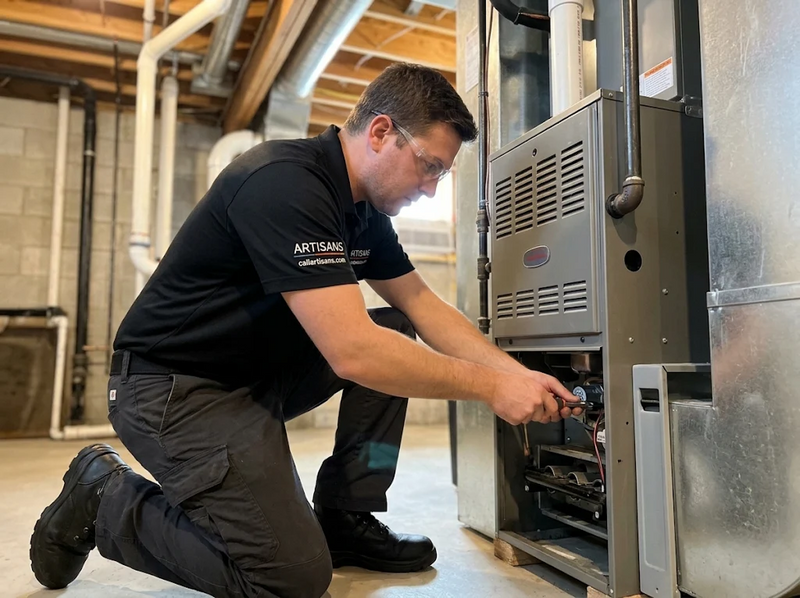
Lennox Heat Pump Repair Contractor in Coopersburg Pennsylvania
How Heat Pumps Operate: The Core Mechanics
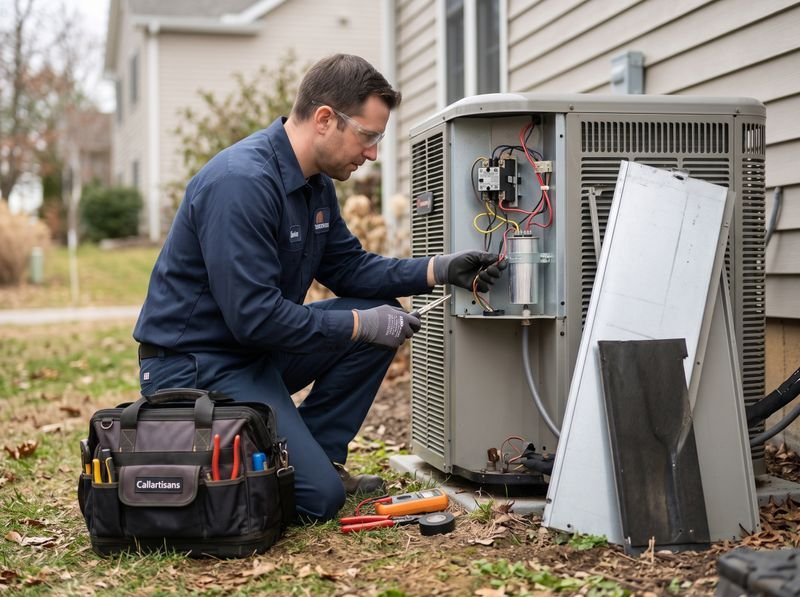
To effectively diagnose issues, you first need to know how the system operates. At its core, a heat pump operates using a closed-loop refrigeration cycle. It consists of an outdoor unit (containing the compressor and condenser coil) and an indoor air handler (containing the evaporator coil and blower motor).
During warmer months, the unit functions just like a standard AC, pulling thermal energy from your indoor air and releasing it outdoors. In the winter, a brilliant component called the reversing valve shifts the flow of the pressurized refrigerant. It pulls available thermal energy from the outdoor environment—even in near-freezing conditions—and pumps that heat indoors.
This continuous process relies on a delicate balance of electrical components, precise refrigerant pressures, and unobstructed airflow. If any part of this equation fails, performance drops dramatically, leading to poor performance, frozen coils, or total mechanical shutdown. Knowing this balance helps you spot exactly what is going wrong.
Identifying Trouble: Signs You Need Heat Pump Repair
Your heat pump will usually issue clear warning signs before a complete mechanical breakdown occurs. Learning to read these symptoms can save you from freezing winter nights and scorching summer days.
1. Weak Airflow or Incorrect Temperatures
The most obvious sign of trouble is a system that runs constantly but only blows lukewarm air in the summer or cool air in the winter. This is often the result of low refrigerant levels, a malfunctioning reversing valve that is stuck between modes, or a heavily soiled air filter that is choking off the necessary airflow.
2. Unexplained Spikes in Utility Costs
Homeowners love these units for their low operational costs. If you see a sudden, massive jump in your monthly power bill, the system is probably struggling against a faulty part, leaky ductwork, or dirty condenser coils.
3. The Outdoor Unit is Frozen Solid
A little frost in winter is fine, but a unit encased in solid ice means trouble. These systems use an automatic defrost cycle to melt away winter ice. If the unit remains frozen, you are likely dealing with a faulty defrost control board, a bad temperature sensor, or severely restricted airflow.
4. Constant Starting and Stopping
Normal operation features long, smooth heating or cooling cycles. If the unit powers up and immediately shuts back down, it is experiencing short cycling. This places immense mechanical stress on the compressor. To resolve complex brand-specific pressure issues, relying on a Lennox heat pump repair technician will guarantee accurate system calibration.
5. Strange, Alarming Noises
These appliances should run quietly in the background. If you hear loud grinding, shrieking, or rattling, shut the system down immediately at the thermostat. Metal-on-metal sounds usually point to dead bearings, rattling means loose parts, while hissing almost always means pressurized refrigerant is escaping.
6. Foul Odors Emanating from Vents
A healthy HVAC system should never introduce strange smells into your living space. A sweet, chemical-like odor strongly indicates leaking refrigerant. Burnt plastic smells indicate electrical fires, while musty odors point to mildew on the indoor coils.
7. Dead System and Electrical Failures
A completely dead unit or a frequently tripping breaker usually points to a burnt capacitor, a short circuit, or a locked-up compressor.
DIY Heat Pump Troubleshooting: What You Can Fix Yourself
Don’t rush to call a technician just yet; try these basic checks first. Many perceived breakdowns are actually just simple, easily corrected errors.
- Check the Thermostat First: The thermostat is the brain of your entire HVAC system. Make sure it isn’t accidentally set to the wrong season and verify the setpoint makes sense. If the screen is blank or dim, replace the batteries and gently clean any dust from the internal sensors. Also, verify you haven’t accidentally engaged the “Emergency Heat” setting, which bypasses the heat pump and relies purely on highly inefficient, expensive backup electrical strips.
- Inspect and Replace the Air Filter: Dirty filters kill HVAC systems faster than anything else. Without air, coils freeze, motors overheat, and energy is wasted. Replace the filter immediately if it looks completely dark and clogged. During peak seasons, inspect filters monthly and replace them every 30 to 90 days.
- Clean the Condenser: The outside unit needs plenty of clearance to function. Over time, leaves, grass clippings, snow, and general debris can accumulate around the base of the unit. Keep vegetation trimmed back at least 24 inches from the cabinet.
- Check the Power Supply: If the system is completely dead, check your home’s main electrical panel to see if the heat pump’s dedicated breaker has tripped. Next, inspect the outdoor disconnect box (usually mounted on the exterior siding near the heat pump) to ensure the fuses are intact and the isolation switch is in the “ON” position.
- Ensure Unobstructed Indoor Airflow: Closing vents in unused rooms is a persistent myth that actively harms your system. Heat pumps are precisely balanced to push a specific volume of air through your home. Restricting airflow creates backpressure, destroys blower motors, and freezes indoor coils.
Calling a Heat Pump Repair Specialist
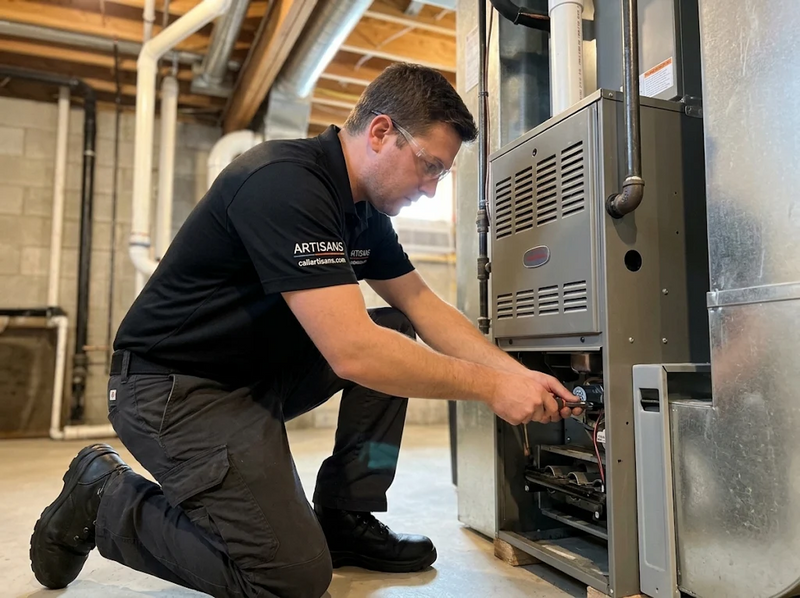
While basic visual maintenance and filter changes are a homeowner’s responsibility, a heat pump is a complex, high-voltage appliance that utilizes hazardous chemicals under extreme pressure. Certain repairs absolutely require the specialized tools, training, and certifications of a licensed HVAC technician.
- Low Refrigerant Levels: Refrigerant operates under intense pressure, and handling it legally requires specialized EPA certification. If your system is low on refrigerant, simply “topping it off” is not a legitimate solution—the leak still exists. An experienced Goodman heat pump repair specialist will find the leak, weld it closed, pressure test the lines, and weigh in the exact correct charge.
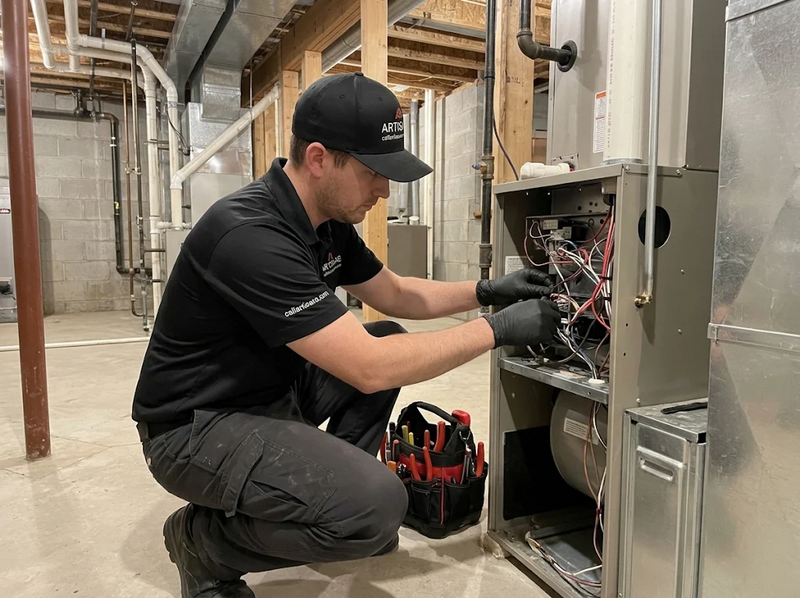
- Electrical Diagnostics: If your heat pump is experiencing blown fuses, failing capacitors, burnt contactors, or malfunctioning circuit boards, step away. If this happens in the middle of the night, you will want to contact a 24 hour heat pump repair expert to safely test high-voltage components and trace complex schematic wiring diagrams to find the true root cause of electrical shorts.
- Major Component Swaps: The compressor is the beating heart of the system. Swapping them out requires heavy welding, vacuum pumps, and specialized recovery tanks. Trusting a Carrier heat pump repair professional for major part swaps keeps your warranty completely valid. Likewise, for other premium units, an American Standard heat pump repair specialist will know exactly how to execute the high-temperature welding required without damaging surrounding components.
- Winter Icing Issues: Fixing a broken defrost cycle involves testing thermistors and computer boards. A professional can electronically force the system into a manual defrost cycle to observe its mechanical behavior and isolate the failing electronic component.
The Steps of Expert Heat Pump Repair
Bringing in a certified expert means you get a meticulous, scientific breakdown of your system’s health.
Step 1: Visual Diagnostics
The technician will begin by interviewing you about the specific symptoms you’ve noticed. They inspect the cabinets for burnt wires, physical damage, and oily residue.
Step 2: Advanced Diagnostic Testing
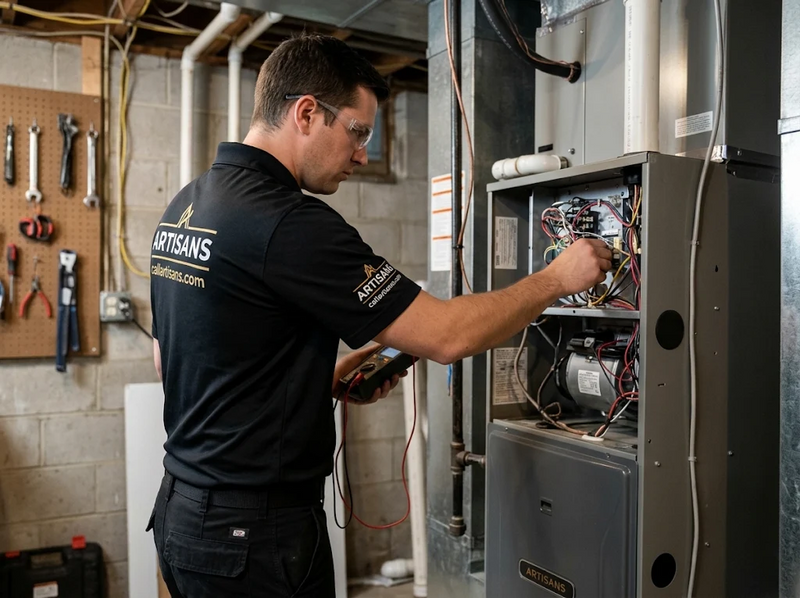
The pro will break out the heavy-duty diagnostic gear. They will connect digital manifold gauges to the refrigerant lines to check operating pressures. They will use a multimeter to test the electrical components, including capacitors, relays, and contactors. Airflow is measured to guarantee the system is actually moving heat properly.
Step 3: Pinpointing the Root Cause
Because these systems are so complex, one symptom often stems from a totally different component. A frozen coil isn’t always a freon leak; a good pro might realize it’s just a dead blower motor. This meticulous deduction prevents the unnecessary replacement of expensive parts.
Step 4: Executing the Repair
Once the true root cause is identified, the faulty components—whether they are fan motors, thermostats, or reversing valves—are carefully replaced. Leaky lines are brazed and the refrigerant is topped off precisely. They will also clean up the unit to prevent immediate future issues.
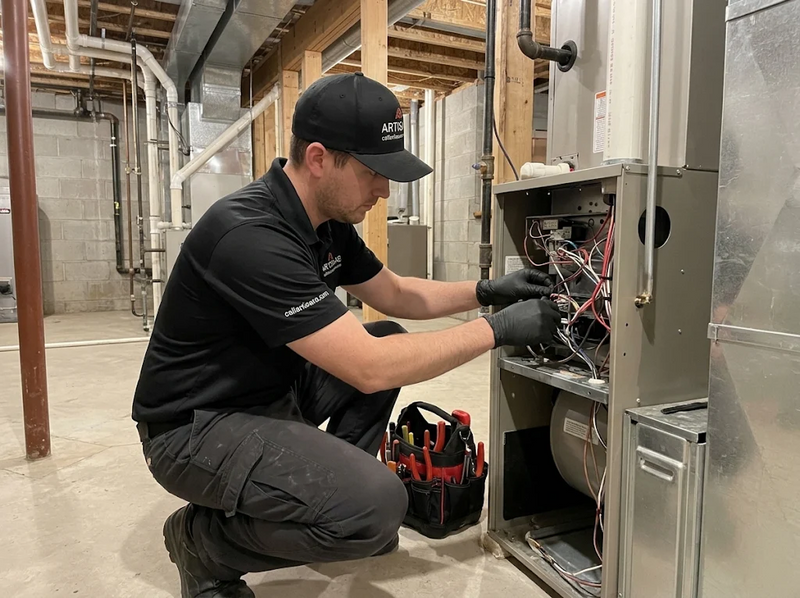
Lennox Heat Pump Repair Contractor in Coopersburg Pennsylvania 18036
Step 5: System Testing and Final Walkthrough
The unit is fully tested in all modes before the tech packs up. They ensure everything is safe, explain the bill, and hand you the paperwork.
Protecting Your Investment: Heat Pump Maintenance
Prevention is always cheaper than an emergency service call. Taking care of your system ensures it lasts two decades without major issues.
Don’t Touch the Thermostat: Heat pumps operate most efficiently when they are allowed to maintain a steady, even temperature. Fiddling with the dial forces the unit to work too hard and turns on expensive auxiliary heat. Pick a good temperature and keep your hands off the dial. Additionally, keep your fan setting on “AUTO” rather than “ON” to allow the system to control airflow optimally.
Hire a Pro for Annual Inspections: Just like a car, your HVAC needs an annual tune-up. Schedule a professional maintenance visit annually—ideally, once in the spring before the cooling season and once in the fall before the heating season. A good tune-up involves chemical coil cleaning, electrical checks, and precise mechanical lubrication.
Keep the PVC Drain Clear: Summer cooling creates a massive amount of condensation. This water drips into a pan and flows outside through a PVC drain line. If that pipe clogs with slime, the water backs up, floods your floors, and destroys circuit boards. Periodically inspect this line to ensure water is dripping freely outside.
Conclusion
Your HVAC unit is one of the most important investments you will make in your property. Armed with this knowledge, you can extend the life of your comfort system significantly. Though you can handle basic upkeep, knowing when to step back and call a pro is vital for safety.
If disaster strikes, immediately reach out to a trained professional. If you have specific equipment, leveraging a Trane heat pump repair specialist ensures it is repaired to factory specifications. With the right mix of professional repairs and preventative care, your system will provide decades of flawless, efficient climate control.
For Lennox Heat Pump Repair Contractor in Coopersburg 18036, you can count on CallArtisans. We’re available 24/7 for all your Lennox Heat Pump Repair Contractor needs: (484) 901-5900