The Ultimate Guide to Heat Pump Repair: Troubleshooting, Maintenance, and Expert Solutions
Modern heat pumps represent an incredible advancement in residential heating and cooling, providing year-round comfort from one streamlined system. In place of traditional combustion heating, they use refrigerant cycles to shift warmth depending on the season. However, because they serve as both your air conditioner in the summer and your furnace in the winter, they rarely get a break, leading to faster wear than traditional split systems.
If your system begins operating poorly, generating weird sounds, or spiking your power costs, failing to address these issues quickly will cause a total mechanical collapse. If you need immediate emergency assistance from a 24 hour heat pump repair technician or simply want to diagnose a minor glitch, this detailed article covers all aspects of fixing and maintaining your unit. This guide explores how the system works, safe at-home fixes, when to hire an expert, and proper long-term maintenance strategies.
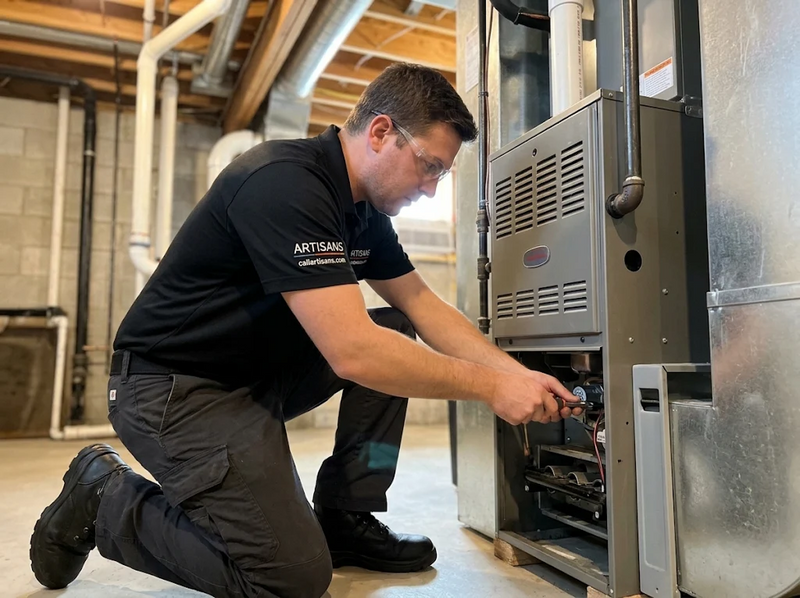
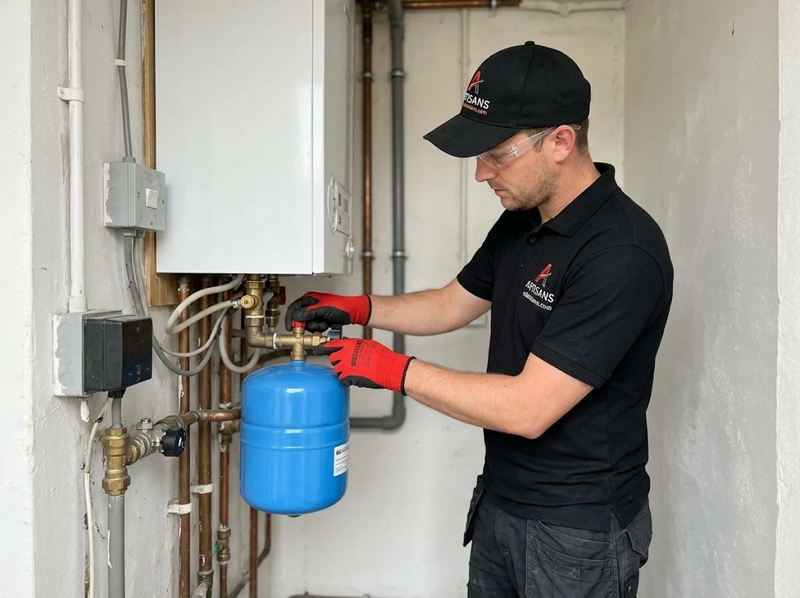
Lennox Heat Pump Repair Contractor in Fogelsville Pennsylvania
The Science Behind Heat Pumps: A Brief Overview
Before you can accurately troubleshoot a problem, you must understand the machine. Fundamentally, these units rely on a continuous loop of pressurized refrigerant. The system features two main parts: an outdoor compressor cabinet and an indoor air handler unit.
In the summer, the system acts exactly like a traditional air conditioner, absorbing heat from the air inside your home and dumping it outside. When temperatures drop, a specialized reversing valve changes the direction of the refrigerant flow. It pulls available thermal energy from the outdoor environment—which is possible even when temperatures feel freezing cold to the human touch—and transfers that warmth into your living space.
Efficient operation requires perfect harmony between electronics, chemical refrigerant, and airflow. If any part of this equation fails, performance drops dramatically, leading to poor performance, frozen coils, or total mechanical shutdown. Understanding this interplay is the first step in diagnosing why your system is failing.
Recognizing the Warning Signs: 7 Common Heat Pump Problems
These complex systems rarely fail without giving you a few hints first. Catching these red flags early can prevent massive discomfort and expensive emergency bills.
1. Weak Airflow or Incorrect Temperatures
A major red flag is a unit running continuously without actually changing the room temperature. This frequently points to a refrigerant leak, a stuck reversing valve, or a severely clogged air filter restricting the blower.
2. Unexplained Spikes in Utility Costs
Heat pumps are highly prized for their superior energy efficiency. If you see a sudden, massive jump in your monthly power bill, the system is probably struggling against a faulty part, leaky ductwork, or dirty condenser coils.
3. Ice Buildup on the Outdoor Cabinet
While a light layer of winter frost on the outdoor unit is completely normal, a thick, solid casing of ice is a major red flag. These systems use an automatic defrost cycle to melt away winter ice. If the unit remains frozen, you are likely dealing with a faulty defrost control board, a bad temperature sensor, or severely restricted airflow.
4. Short Cycling Times
A healthy heat pump operates in steady, consistent cycles lasting 10 to 20 minutes. If the unit powers up and immediately shuts back down, it is experiencing short cycling. This places immense mechanical stress on the compressor. To resolve complex brand-specific pressure issues, relying on a Trane heat pump repair specialist will guarantee accurate system calibration.
5. Unusual Operational Noises
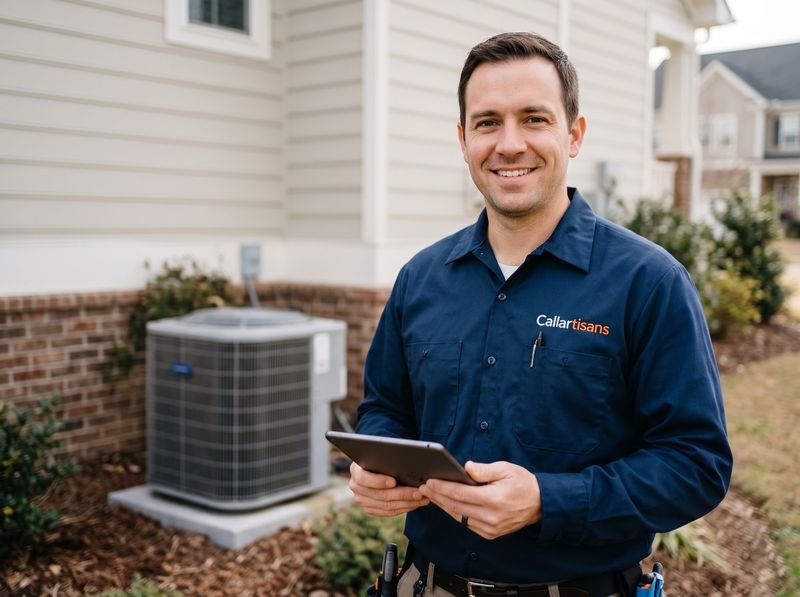
Heat pumps are designed to operate with a smooth, low hum. If you hear loud grinding, shrieking, or rattling, shut the system down immediately at the thermostat. Grinding often indicates failing motor bearings, rattling suggests loose hardware or debris inside the fan housing, and a hissing noise is the classic symptom of a high-pressure refrigerant leak.
6. Strange Smells from the Ductwork
A healthy HVAC system should never introduce strange smells into your living space. A sweet, chemical-like odor strongly indicates leaking refrigerant. A sharp, burning electrical smell means wires or motors are actively overheating, while a musty, dirty-sock smell points to mold and bacterial growth thriving on a damp indoor evaporator coil.
7. Unit Won’t Turn On
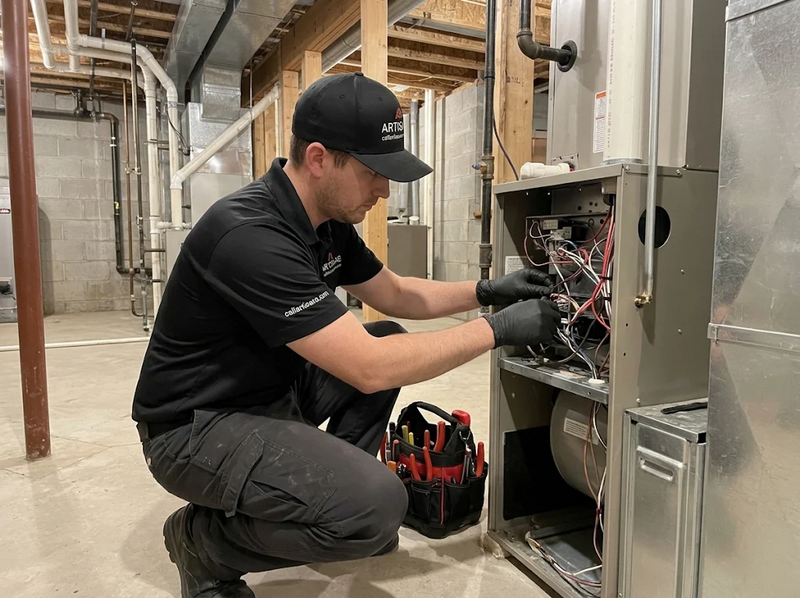
If the heat pump refuses to turn on entirely, or if it continually trips your electrical breaker every time it tries to start, you are likely dealing with a severe electrical short, a fried dual-run capacitor, or a seized compressor motor.
Homeowner Heat Pump Fixes: Safe Troubleshooting
Don’t rush to call a technician just yet; try these basic checks first. Many perceived breakdowns are actually just simple, easily corrected errors.
- Check the Thermostat First: Your wall control governs everything. Make sure it isn’t accidentally set to the wrong season and verify the setpoint makes sense. Swap the batteries if the display is dead. Also, verify you haven’t accidentally engaged the “Emergency Heat” setting, which bypasses the heat pump and relies purely on highly inefficient, expensive backup electrical strips.
- Look at the Air Filter: A clogged air filter is the number one cause of premature heat pump failures. Without air, coils freeze, motors overheat, and energy is wasted. Replace the filter immediately if it looks completely dark and clogged. During peak seasons, inspect filters monthly and replace them every 30 to 90 days.
- Clean the Condenser: The outside unit needs plenty of clearance to function. Brush away leaves, dirt, and snow from the metal grilles. Ensure there is a minimum of two feet of clear, unobstructed space on all sides of the outdoor cabinet.
- Look at the Breakers: For a totally unresponsive unit, flip the breaker in your garage or basement. Next, inspect the outdoor disconnect box (usually mounted on the exterior siding near the heat pump) to ensure the fuses are intact and the isolation switch is in the “ON” position.
- Ensure Unobstructed Indoor Airflow: Closing vents in unused rooms is a persistent myth that actively harms your system. Heat pumps are precisely balanced to push a specific volume of air through your home. Restricting airflow creates backpressure, destroys blower motors, and freezes indoor coils.
Calling a Heat Pump Repair Specialist
While basic visual maintenance and filter changes are a homeowner’s responsibility, a heat pump is a complex, high-voltage appliance that utilizes hazardous chemicals under extreme pressure. Some jobs mandate the expertise of a highly trained professional.
- Freon and Refrigerant Issues: Refrigerant operates under intense pressure, and handling it legally requires specialized EPA certification. Adding freon without fixing the leak is a scam. A certified Rheem heat pump repair expert must use advanced electronic leak-detection equipment to locate the microscopic holes in the copper lines, braze them shut, pressure-test the system with nitrogen, and then recharge it with the exact factory-specified weight of refrigerant.
- Capacitors and Contactors: Never mess with high-voltage relays, capacitors, or control boards. For midnight electrical failures, hire a 24 hour heat pump repair technician who has the proper multimeters and knowledge to safely navigate 240-volt circuits.
- Major Component Swaps: The compressor is the most vital and expensive element of the machine. Swapping them out requires heavy welding, vacuum pumps, and specialized recovery tanks. For example, if you have a Carrier system, bringing in a Carrier heat pump repair professional ensures the warranty remains intact during the process. Similarly, an American Standard heat pump repair specialist possesses the specialized skills to weld high-pressure lines correctly.
- Diagnosing Defrost Boards: Diagnosing a heat pump that will not defrost in the winter requires testing outdoor ambient temperature sensors, coil thermistors, and the main defrost control board. HVAC techs can bypass the system manually to find exactly which sensor has failed.
The Anatomy of a Professional Heat Pump Repair
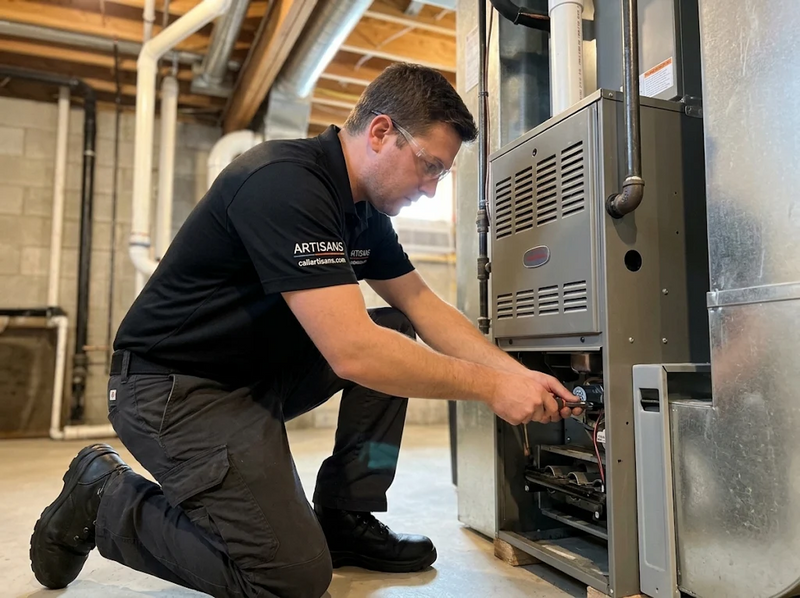
When you hire a top-tier technician—look for industry credentials like NATE (North American Technician Excellence) certification—you aren’t just paying for a quick fix; you are investing in a comprehensive, step-by-step diagnostic process.
Step 1: The First Look
The technician will begin by interviewing you about the specific symptoms you’ve noticed. They will then perform a thorough visual inspection of both the indoor and outdoor units, looking for obvious signs of physical damage, wear, oil stains (which strongly indicate refrigerant leaks), and wire scorching.
Step 2: Deep Diagnostic Probing
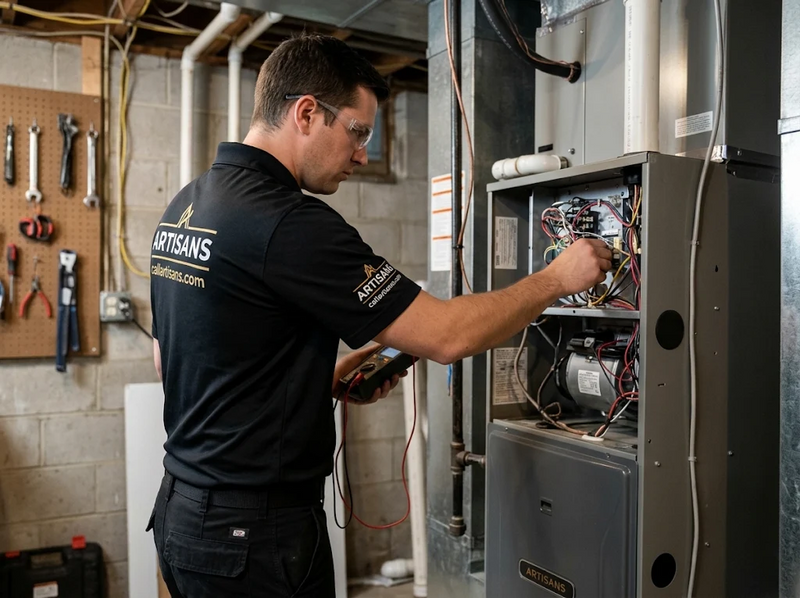
Using specialized equipment, the technician will probe the system’s vital signs. Gauges are connected to check freon levels. They will use a multimeter to test the electrical components, including capacitors, relays, and contactors. Airflow is measured to guarantee the system is actually moving heat properly.
Step 3: Finding the Real Problem
Because these systems are so complex, one symptom often stems from a totally different component. A frozen coil isn’t always a freon leak; a good pro might realize it’s just a dead blower motor. This careful detective work saves you from buying parts you don’t actually need.
Step 4: Fixing the Unit
After the diagnosis is complete, the broken parts are swapped out. Leaky lines are brazed and the refrigerant is topped off precisely. They will also clean up the unit to prevent immediate future issues.
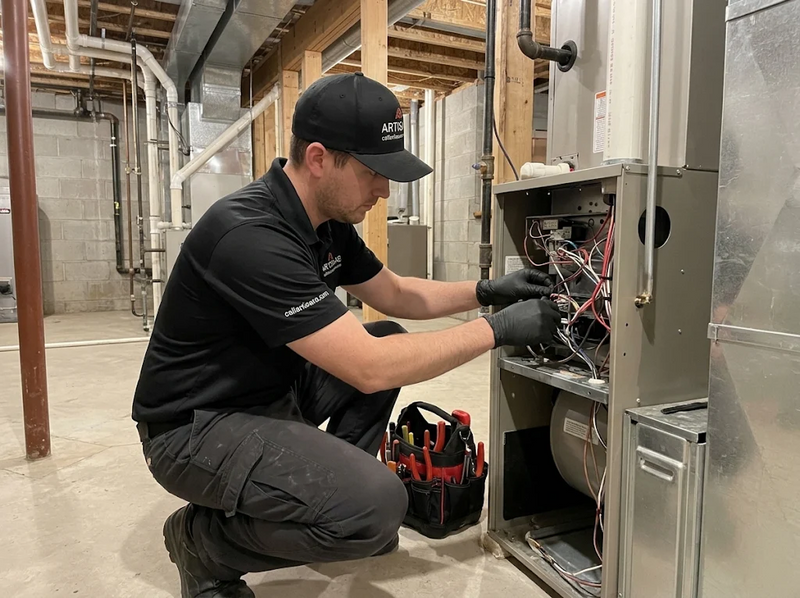
Lennox Heat Pump Repair Contractor in Fogelsville Pennsylvania 18051
Step 5: Testing the Fix
After the repair is complete, the technician will run the heat pump through a complete heating, cooling, and defrost cycle to observe real-world performance. They ensure everything is safe, explain the bill, and hand you the paperwork.
Best Practices: How to Prevent Future Heat Pump Breakdowns
The most cost-effective repair is the one you never have to make. Implementing a proactive maintenance strategy will keep your heat pump running efficiently for its expected 15-to-20-year lifespan.
Embrace the “Set and Forget” Philosophy: Heat pumps operate most efficiently when they are allowed to maintain a steady, even temperature. Fiddling with the dial forces the unit to work too hard and turns on expensive auxiliary heat. Pick a good temperature and keep your hands off the dial. Always use the “AUTO” fan setting for best results.
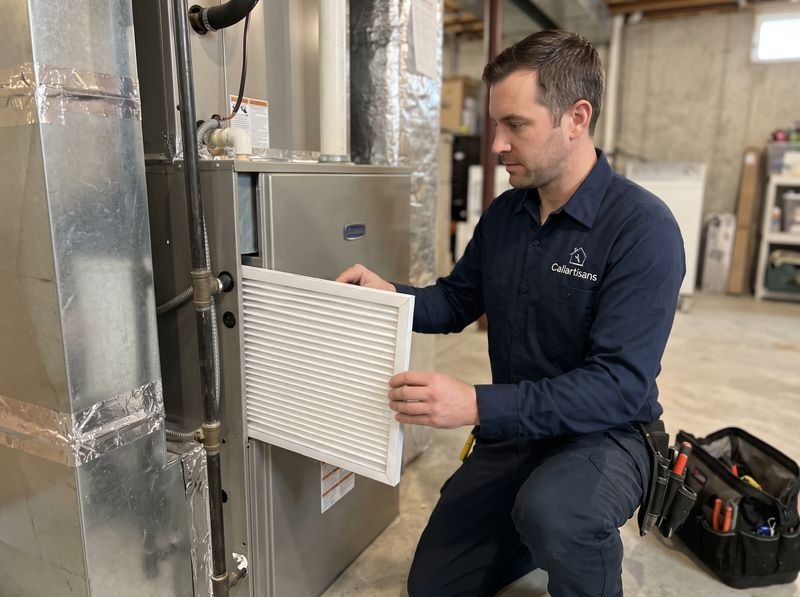
Book Yearly Maintenance: Just like a car, your HVAC needs an annual tune-up. Have a certified tech look at it once or twice a year, preferably right before extreme summer or winter weather hits. During these visits, technicians will chemically clean the sensitive coils, calibrate the thermostat, lubricate moving parts, and catch minor wear-and-tear before it cascades into a major breakdown.
Keep the PVC Drain Clear: In cooling mode, heat pumps extract gallons of humidity from your home’s air. This moisture needs to drain freely outside through a plastic pipe. If that pipe clogs with slime, the water backs up, floods your floors, and destroys circuit boards. Periodically inspect this line to ensure water is dripping freely outside.
Conclusion
Your HVAC unit is one of the most important investments you will make in your property. By understanding exactly how the system breathes, moves heat, and manages electricity, you are far better equipped to protect it. While simple homeowner habits like changing filters and clearing outdoor debris can prevent the vast majority of common issues, recognizing the stark warning signs of serious mechanical or electrical failure is equally critical.
When grinding noises, rapid ice buildups, or refrigerant leaks strike, do not hesitate to call a certified HVAC expert. If you have specific equipment, leveraging a Trane heat pump repair specialist ensures it is repaired to factory specifications. With the right mix of professional repairs and preventative care, your system will provide decades of flawless, efficient climate control.
For Lennox Heat Pump Repair Contractor in Fogelsville 18051, you can count on CallArtisans. We’re available 24/7 for all your Lennox Heat Pump Repair Contractor needs: (484) 901-5900