The Complete Property Owner’s Handbook on HVAC Installation in the Modern Era
Upgrading to a brand-new furnace is one of the most valuable enhancements you can make to your home’s overall comfort, peace of mind, and power conservation. But, a professional furnace installation is as essential as the build quality of the appliance itself. Utilizing strict guidelines during installation improves heating efficiency, decreases long-term running costs, and protects your family from severe hazards like fire hazards.
Trane Furnace Installation Contractor in Bethlehem Pennsylvania
Whenever HVAC units are the wrong size, badly reviewed, or improperly installed, they can rapidly transform from a reliable heat source into a serious safety hazard resulting in electrical fires or dangerous gas leaks. Whether you are upgrading an old unit in a historic property or equipping a brand-new build, this in-depth post covers every critical phase of the heating replacement journey so you know how the process works.
1. Should You Repair or Replace?: Making the Smart Choice
Before committing to a full furnace installation, it is vital to figure out whether your old furnace is at the end of its life. Heating systems do not run eternally, but identifying the perfect moment to swap it out can keep money in your pocket in sudden breakdowns and wasted energy.
You should strongly consider a new heating unit if you observe the following red flags:
- Equipment Age: The average life expectancy of a residential furnace is typically 15 to 20 years. If your unit is in or is past this range, its moving parts and heat exchangers are likely deteriorating.
- Higher Power Bills: If your utility costs are steadily rising despite normal use, your furnace is wasting energy and straining to generate the same temperature.
- Repeated Failures: When the total expense of constant service calls on an aging furnace begins to come close to the cost of a new system, replacement is the most logical step.
- Safety Concerns: Strange smells, unusual vibrations, and worries about a gas leak means you should shut the system off and call a tech. Dangerous symptoms often dictate an immediate replacement to prevent catastrophic explosions.
2. Picking the Best HVAC Unit for Your Property
Not all furnaces are created equal. Current HVAC engineering has leaped forward, offering property owners unprecedented control over their living space temperature and energy consumption.
What is an AFUE Rating?
Efficiency in heating is measured by the Annual Fuel Utilization Efficiency rating. A better AFUE score means that a larger portion of the gas or electric your system uses is successfully converted into usable heat for your living space rather than escaping as exhaust.
- Lower Energy Bills: Top-tier heating units fundamentally use less fuel to keep you warm. This leads to massive money saved over the life of the furnace, which is especially noticeable in areas that suffer from harsh, prolonged winters.
- Going Green: Selecting a high-efficiency furnace with a 90+ AFUE score reduces emissions, creating a more eco-friendly household and helping global climate goals.
Top Furnace Brands for the Current Year
During the buying process, choosing a trusted company is vital. According to industry data and durability, here are some of the best choices:
3. Preparation Phase: Preparing Your Home
A perfect HVAC setup begins weeks before the furnace is delivered. Getting ready guarantees the installation happens without a hitch and that the new system functions efficiently from day one.
Placement and Sizing
Load calculation is arguably the most essential factor in HVAC replacement. A unit that is undersized will run constantly and still freeze you out, while a system that is oversized will turn on and off constantly, causing hot and cold spots, bad air quality, and premature mechanical wear.
You must also find the ideal area for the new unit to ensure proper airflow. Most often, furnaces are placed in a cellar, dedicated utility closet, or garage. When selecting the spot, consider the proximity to existing gas lines, electrical outlets, and your home’s core ductwork. The space must be totally clean and obstructions to guarantee sufficient clearance for maintenance calls and to prevent fire hazards.
Trane Furnace Installation Contractor in Bethlehem Pennsylvania 18020
Powering the Furnace
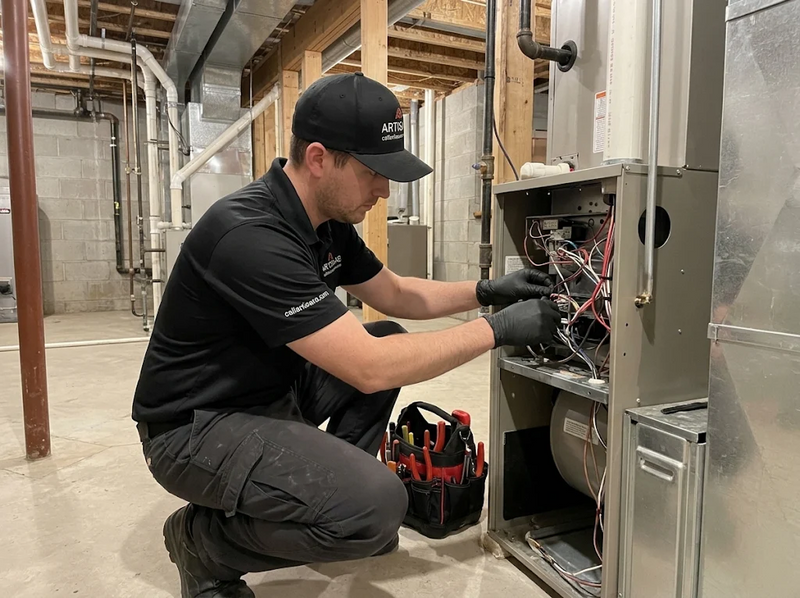
New HVAC systems demand a separate breaker that remains entirely separate from your home’s other electrical systems. Before dropping the unit in, an HVAC technician or electrician must ensure your home’s wiring and outlets are fully up-to-date and in safe shape.
- If You Have an Older House: Putting a smart furnace in an older property often demands new electrical lines to give it the juice it needs. Bad breakers can short out that may ruin a modern heater’s sensitive electronic control board.
Dealing with City Codes
Skipping bureaucratic steps can lead to massive city penalties or problems when it is time to move. A vital first move is to get city approval before starting the home furnace installation. Adhering to municipal laws, manufacturer instructions, and national safety rules like the NFPA and IRC protects homeowners and guarantees the legality of the HVAC equipment.
4. The A-to-Z Installation Day Timeline
Understanding exactly what happens on setup day empowers homeowners to ask the right questions and guarantee the installers are following strict industry best practices.
Step 1: Disconnection and Safe Removal
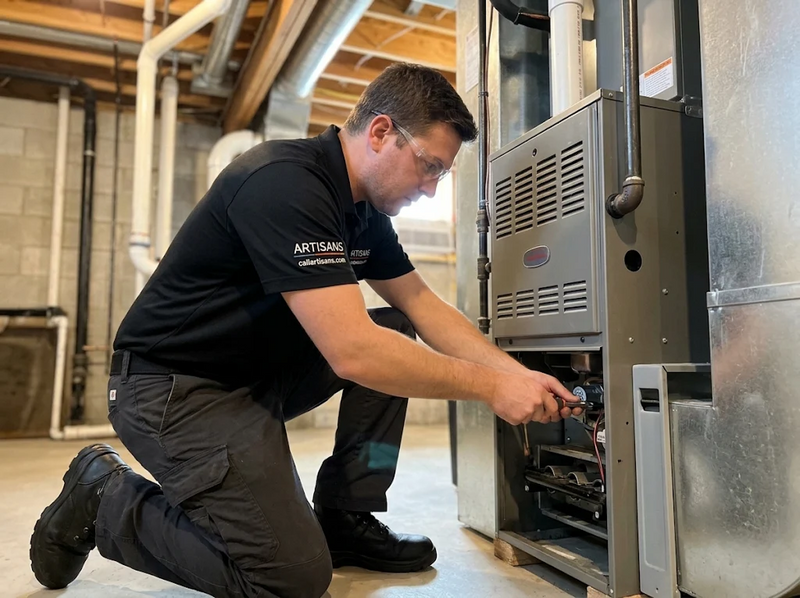
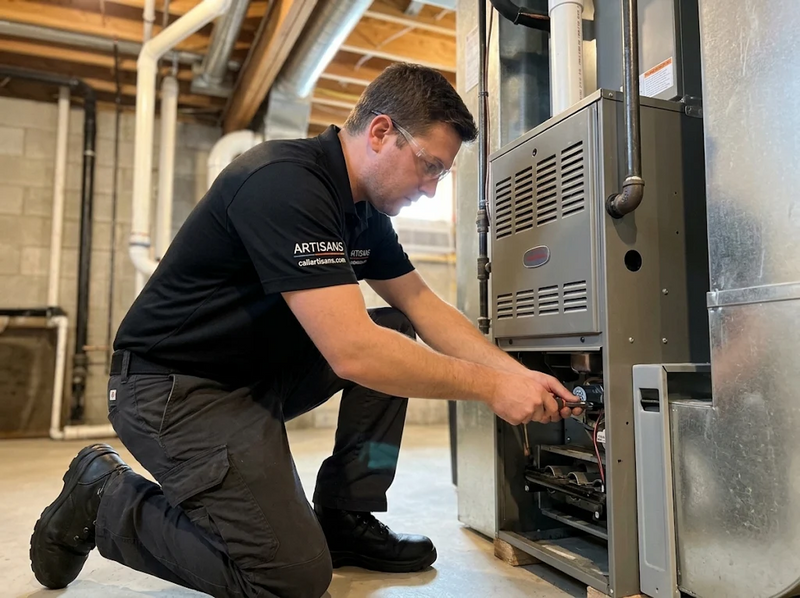
The beginning of the job involves safely disconnecting and trashing the broken heater. Technicians must guarantee all electrical lines and fuel valves are locked out before starting the demo. The installation team will then sweep the floor, clearing old ducting and debris to prepare a clean pad for the new furnace.
Step 2: Setting the Furnace
After prep is done, the heating unit is moved into its designated location. The contractors will shim the unit to ensure the furnace is perfectly balanced—which is structurally required for water draining and motor health—and ensure it isn’t touching the walls.
Step 3: Hooking Everything Up
This highly technical phase connects the standalone furnace to your ducts and pipes:
- Ventilation: Technicians will attach the plenums, working carefully to tape and mastic the joints to stop draftiness and ensure maximum airflow.
- Exhaust and Ventilation: Gluing and routing flues or exhaust pipes is the most important step to prevent a dangerous buildup of carbon monoxide inside the home. The system must securely vent all exhaust gases safely outside the home.
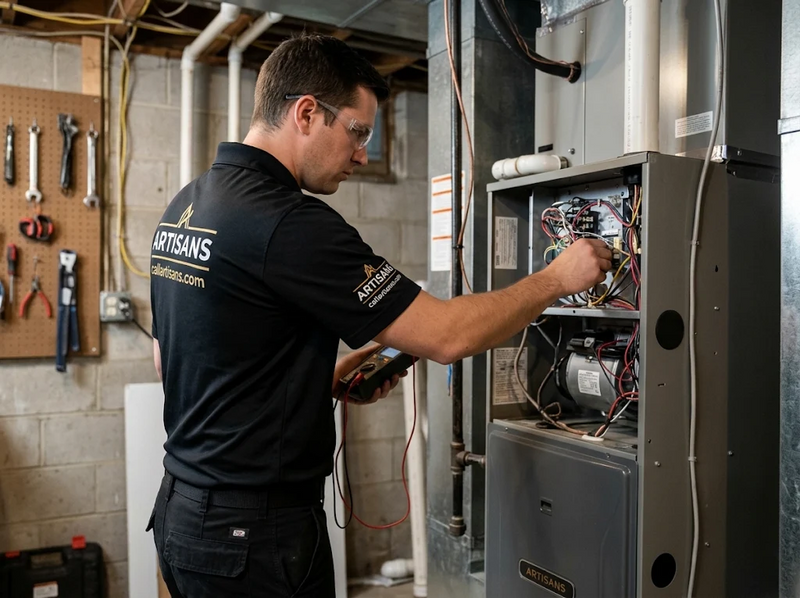
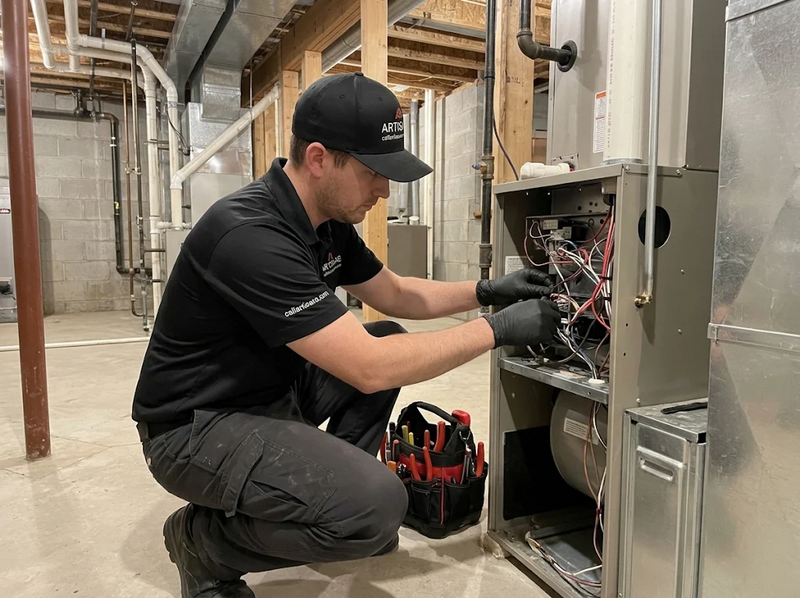
- Gas and Electrical Lines: The electrician will establish secure electrical connections with absolutely no exposed wires and pipe the black iron gas line using pipe dope and wrenches.
Step 4: Smart Thermostat Setup
The concluding phase is wiring up the smart thermostat. The pros will wire the thermostat correctly, sync it with the furnace’s internal control board, and adjust the initial baseline settings for optimal efficiency and customized comfort.
5. Strict Safety Checks and Quality Assurance
The work is unfinished when the wiring is done. Extreme safety checks is what makes the difference between a hack and a pro.
Checking for Gas Leaks
Testing for leaks is the number one post-installation safety check. Technicians will use electronic gas sniffers to verify that absolutely no gas is escaping from the new joints. They will also test the exhaust to make sure it vents properly and the flue is drawing air correctly.
Life-Safety Devices
Since CO is a silent killer, installing or actively verifying the presence of working carbon monoxide detectors is an important final step. If you are putting a unit in a vintage house, buying new alarms today is highly recommended.
Firing It Up
Before handing over the invoice, the lead installer will turn on the heat to listen for weird noises or shaking. They will check the temperature rise and ensure the blower is powerful enough, making sure every room gets warm. Final walk-throughs by the city inspector or lead tech guarantee all safety measures are correctly implemented.
6. Furnace Maintenance Guide
A great setup sets the stage, but proper care dictates the ultimate lifespan of the equipment. Ignoring maintenance will quickly reverse the expensive energy efficiency gains you just purchased.
- Replace Filters Regularly: Clogged or dirty air filters severely restrict airflow, causing overheating and consume more energy while ruining the air you breathe. You should plan to swap your air filters monthly during winter, depending on dust levels, how many dogs or cats you have, and the specific filter type.
- Seal and Insulate: Keeping the cold out, caulking windows, and that all exposed air ducts is taped up significantly reduces the overall workload on your HVAC unit.
- Call a Pro Once a Year: Do not wait for a complete system failure in the dead of winter to get it serviced. Schedule an experienced technician to clean the system once a year. These inspections identify bad parts and clogged drains before they become $1000 repairs.
Knowing your system is the cherry on top. A top-tier installer will teach you about the furnace, how to operate the thermostat, and simple troubleshooting tips. By investing in a high-quality unit, prioritizing a code-compliant professional installation, and committing to simple routine maintenance, you ensure your home remains a warm, safe, and highly efficient sanctuary for the foreseeable future.
For a Trane Furnace Installation Contractor in Bethlehem 18020, you can count on Artisans. We’re available 24/7 for all your Trane Furnace Installation Contractor needs: (484) 901-5900