The Essential Property Owner’s Guide to Furnace Installation in the Modern Era
Investing in a brand-new heating system is one of the most impactful improvements you can make for your property’s indoor climate, peace of mind, and power conservation. However, a high-quality installation process is as essential as the quality of the unit itself. Utilizing industry best practices during installation enhances heating efficiency, slashes lifetime operational expenses, and protects your family from dangerous situations like fire hazards.
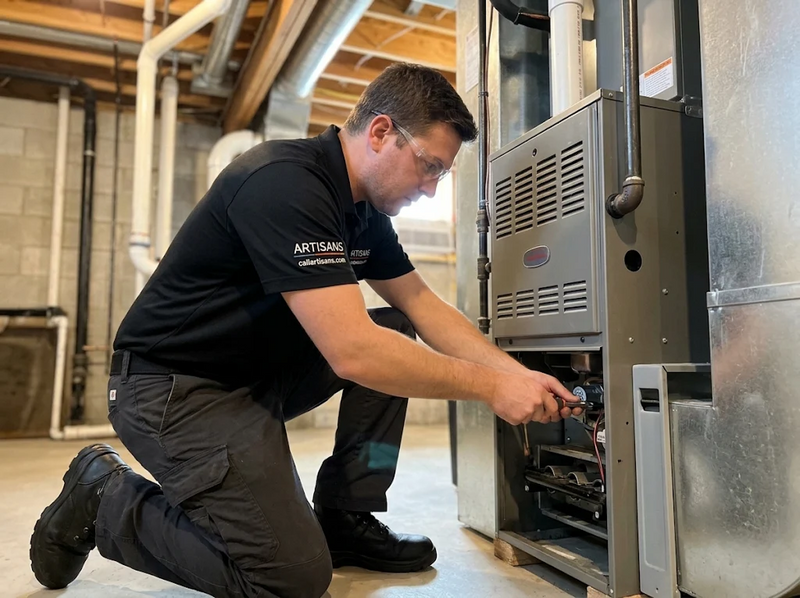
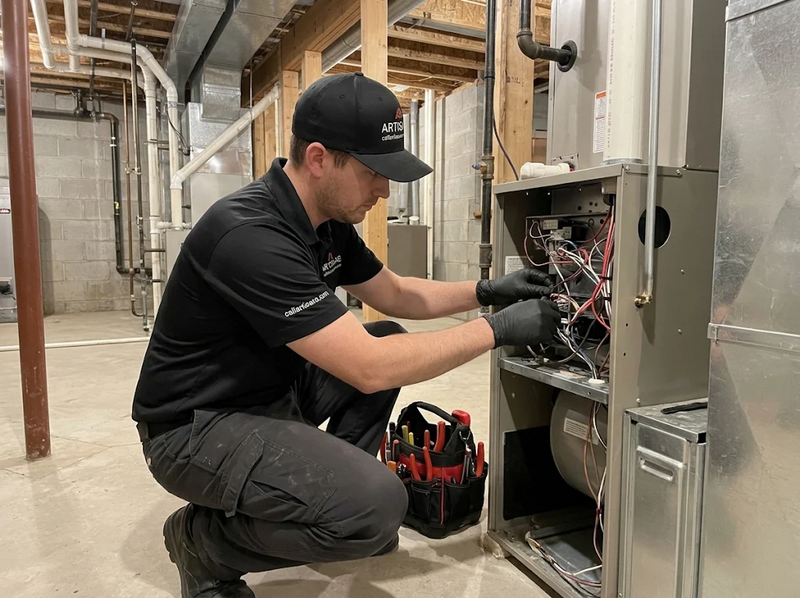
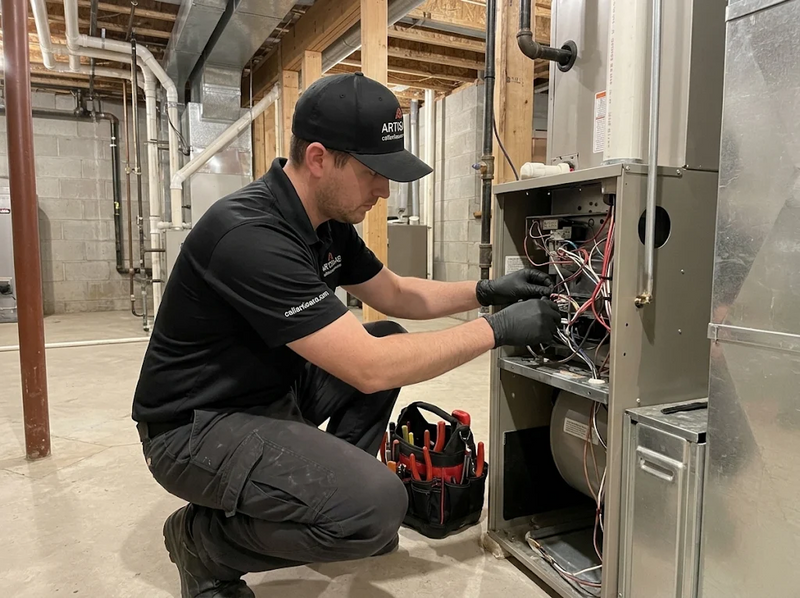
Carrier Furnace Installation Technician in Allentown Pennsylvania
When furnaces are improperly measured, poorly inspected, or improperly installed, they can suddenly turn from a reliable heat source into a serious safety hazard resulting in fires or dangerous gas leaks. Regardless of whether you are replacing an outdated unit in a older house or setting up a newly built home, this detailed article breaks down all vital steps of the heating replacement journey so you know exactly what to expect.
1. Repair vs. Replacement: Making the Smart Choice
Before committing to a full system replacement, it is essential to assess whether your existing furnace actually requires replacement. HVAC units do not last forever, but spotting the perfect moment to replace can prevent financial strain in emergency repairs and power loss.
You should strongly consider a complete system overhaul if you experience the following warning signs:
- System Lifespan: The standard, reliable lifespan of a home heating system is generally 15 to 20 years. If your system falls within or exceeds this timeframe, its moving parts and heating elements are likely deteriorating.
- Higher Power Bills: If your gas or electric bills are steadily rising despite keeping the thermostat the same, your furnace is wasting energy and working twice as hard to keep your home warm.
- Frequent Breakdowns: When the total expense of repeated emergency repairs on an old, inefficient unit begins to approach or exceed the price of a replacement, replacement is the most logical step.
- Safety Concerns: Gas scents, loud clanking sounds, and worries about a gas leak means you should shut the system off and call a tech. Hazards often demand an immediate replacement to prevent catastrophic explosions.
2. Picking the Best HVAC Unit for Your House
Every furnace is different. Today’s climate control tech has improved drastically, offering consumers massive influence over their living space temperature and energy consumption.
What is an AFUE Rating?
Heating efficiency is measured by the AFUE rating. A higher AFUE percentage means that a larger portion of the gas or electric your system uses is successfully converted into usable heat for your living space rather than being wasted up the chimney.
- Reduced Utility Costs: High-efficiency furnaces fundamentally use less fuel to heat the home. This results in massive money saved over the life of the furnace, which is very obvious in states that endure harsh, prolonged winters.
- Environmental Benefits: Choosing a green heating system with a 90+ AFUE score typically emits far less carbon, creating a smaller household carbon footprint and supporting global climate goals.
Top Furnace Brands for 2026
When planning a furnace installation, choosing a trusted company is vital. Looking at consumer reviews and durability, here are some of the highly recommended systems:
3. Before the Install: Getting Ready
A smooth installation day begins long before the equipment arrives in your driveway. Proper preparation guarantees the installation happens without a hitch and that the upgraded unit functions efficiently from the first time you turn it on.
Placement and Sizing
Correctly sizing the unit is incredibly important in home furnace installation. A furnace that is undersized will run constantly without properly heating your home, while a system that is too large will turn on and off constantly, ruining efficiency, bad air quality, and broken parts.
You must also decide on the perfect spot for the installation to allow for breathing room. Typically, furnaces are securely installed in a cellar, dedicated utility closet, or attic space. When selecting the spot, think about how close it is to fuel pipes, power sources, and your home’s core ductwork. The zone must be entirely free of clutter and junk to allow enough room for maintenance calls and to prevent fire hazards.
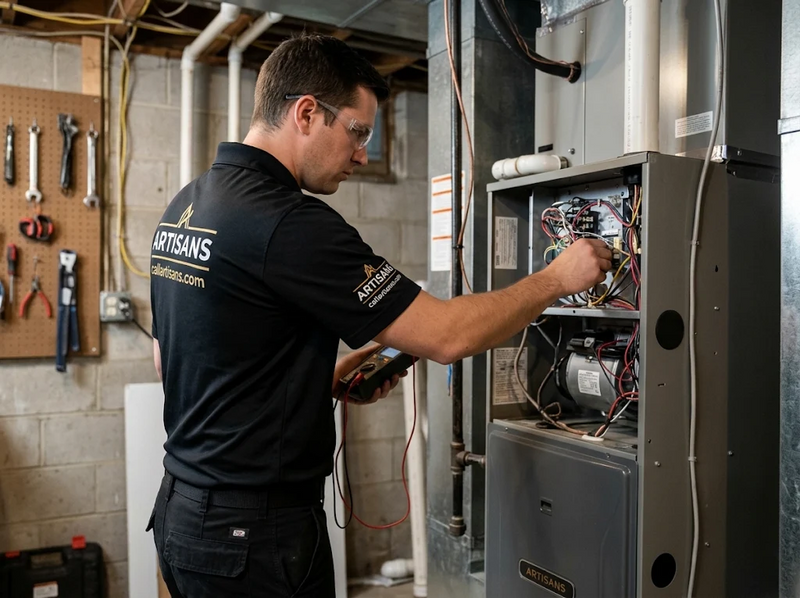
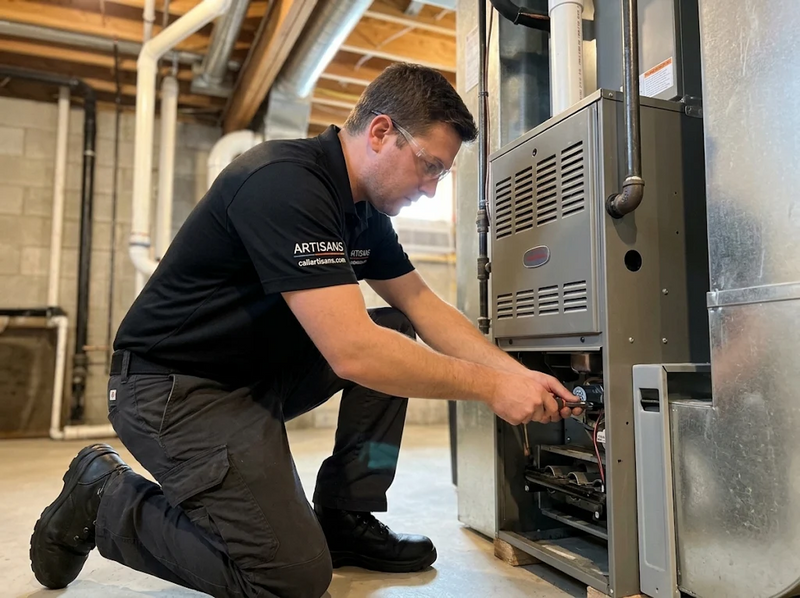
Carrier Furnace Installation Technician in Allentown Pennsylvania 18195
Upgrading Electrical Systems and Wiring
New HVAC systems need a standalone power line that remains entirely separate from your home’s appliances. Before dropping the unit in, an HVAC technician or electrician must check that your electrical panel and outlets are modernized and in perfect working order.
- Vintage Property Rules: Putting a smart furnace in an historic house often requires panel upgrades to provide adequate, stable power. Bad breakers can cause potential power surges that may ruin a new furnace’s motherboard.
Navigating Permits and Local Building Codes
Bypassing the legal process can lead to hefty tickets or legal complications when it comes time to sell your home. A must-do task is to acquire all necessary local permits ahead of the home furnace installation. Adhering to county regulations, brand guidelines, and national safety rules like the national building codes protects homeowners and guarantees the legality of heating systems.
4. The Complete Installation Day Timeline
Learning what to expect on setup day helps you to interrogate the crew and make sure the HVAC techs are following strict industry best practices.
Step 1: Disconnection and Safe Removal
The first active step involves safely disconnecting and trashing the broken heater. Technicians must guarantee all breakers and fuel valves are locked out before beginning work. The installation team will then clean the area, taking out scrap metal and debris to make a flat surface for the incoming unit.
Step 2: Positioning the New Unit
After prep is done, the heating unit is set on the pad. The contractors will use a level to ensure the furnace is perfectly balanced—which is mandatory for moisture management and mechanical operation—and ensure it isn’t touching the walls.
Step 3: Connecting the Infrastructure
This highly technical phase plumbs the new unit to your house’s infrastructure:
- Ductwork: The installers will attach the plenums, taking great care to properly seal the connections to prevent whistling and ensure maximum airflow.
- Venting: Correctly sizing and placing flues or exhaust pipes is non-negotiable to avoid the trapping of carbon monoxide inside the home. The system must securely vent all fumes safely outside the home.
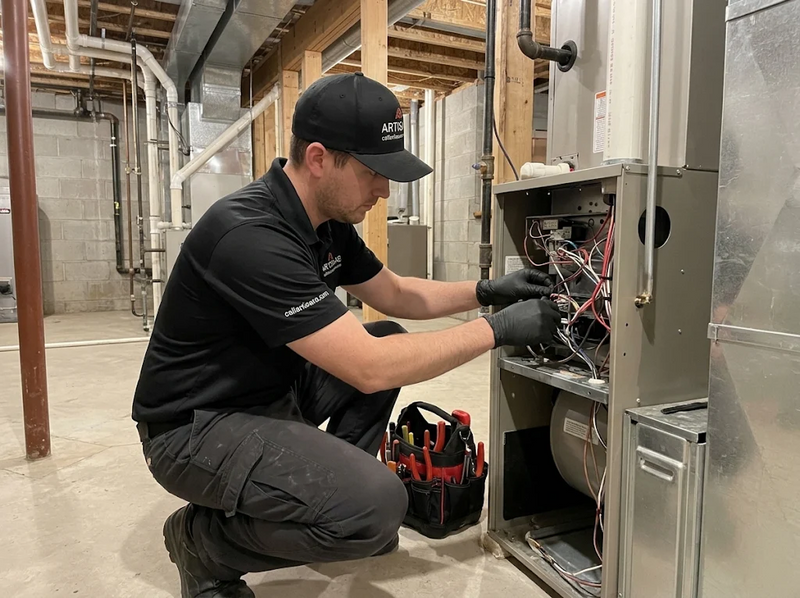
- Wiring and Piping: The HVAC tech will establish secure electrical connections with absolutely no exposed wires and connect the flex gas line using leak-free joints.
Step 4: Wiring the Brain
The last physical part of the install is wiring up the wall control. The pros will wire the thermostat correctly, pair it to the system motherboard, and program the schedules for optimal efficiency and perfect temperatures.
5. Strict Safety Checks and System Testing
The installation is not complete when the last screw is driven. Extreme safety checks is what guarantees a safe home.
Checking for Gas Leaks
Testing for leaks is the most critical post-installation safety check. Installers will spray liquid leak detector to make sure zero gas is leaking from the new joints. They will also run a combustion analysis to check for CO spillage and the exhaust system is functioning flawlessly under load.
Life-Safety Devices
Due to the invisible nature of carbon monoxide, checking the batteries in working carbon monoxide detectors is an important final step. If you are installing a furnace in an older home, updating these detectors simultaneously with your heating system is basically mandatory.
Initial Burn-In
Before handing over the invoice, the lead installer will cycle the system to make sure it works or unusual vibrations. They will measure the system’s ambient heating output and ensure the blower is powerful enough, verifying that the home heats evenly and efficiently across all rooms. Final walk-throughs by the city inspector or lead tech ensure all protocols were followed.
6. Long-Term Maintenance for Peak Performance
A successful furnace installation is just the beginning, but ongoing, diligent maintenance is the key to longevity. Skipping filter changes will ruin the savings you were hoping to get.
- Keep Filters Clean: A filthy filter severely restrict airflow, causing overheating and spike your bills while pumping dust into your house. You should replace your air filters every 30 to 90 days, heavily depending on your household’s usage, how many dogs or cats you have, and the specific filter type.
- Improve Home Envelope: Adding attic insulation, caulking windows, and that all exposed air ducts is mastic sealed takes the strain off on your new furnace.
- Annual Professional Inspections: Do not wait for a complete system failure in the dead of winter to call a professional. Schedule an experienced technician to clean the system once a year. These routine check-ups find small problems and clogged drains before they become $1000 repairs.
Knowing your system is the cherry on top. A great technician will teach you about the furnace, when to change filters, and basic DIY fixes. By investing in a high-quality unit, prioritizing a code-compliant professional installation, and changing filters regularly, you ensure your home remains a cozy, protected environment for the foreseeable future.
For a Carrier Furnace Installation Technician in Allentown 18195, you can count on Artisans. We’re available 24/7 for all your Carrier Furnace Installation Technician needs: (484) 901-5900