A Comprehensive Homeowner Guide to HVAC Installation in the Modern Era
Purchasing a modern furnace is one of the most significant enhancements you can make to your home’s temperature control, safety, and utility savings. Yet, a top-notch setup procedure is just as critical as the build quality of the hardware itself. Applying professional standards during installation boosts operational efficiency, decreases monthly utility bills, and keeps your household entirely safe from severe hazards like carbon monoxide buildup.
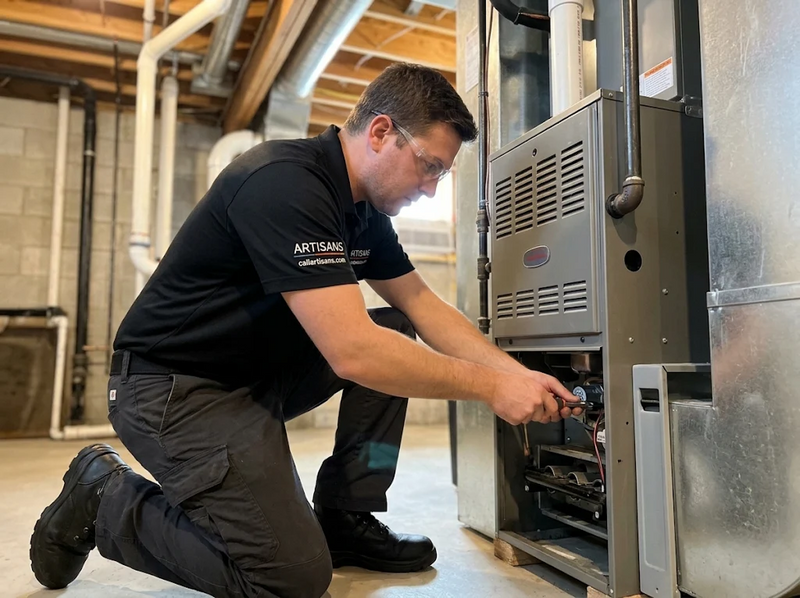
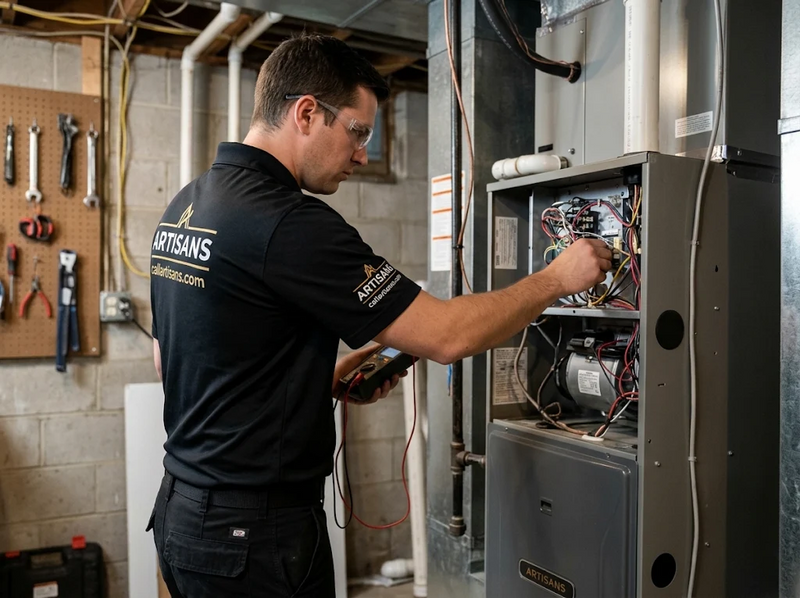
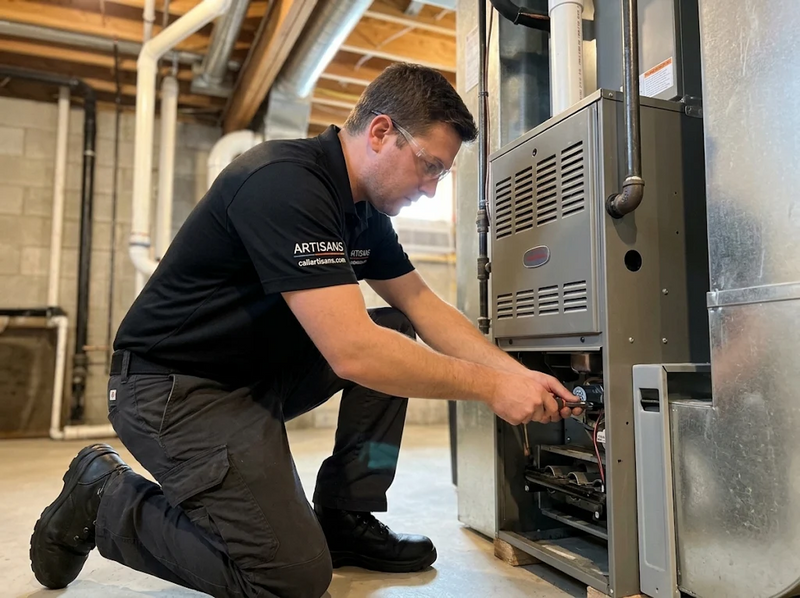
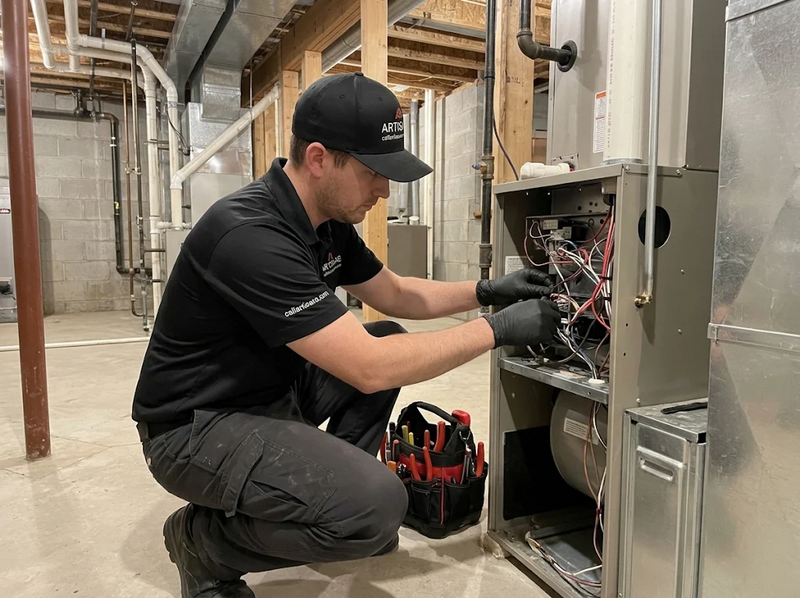
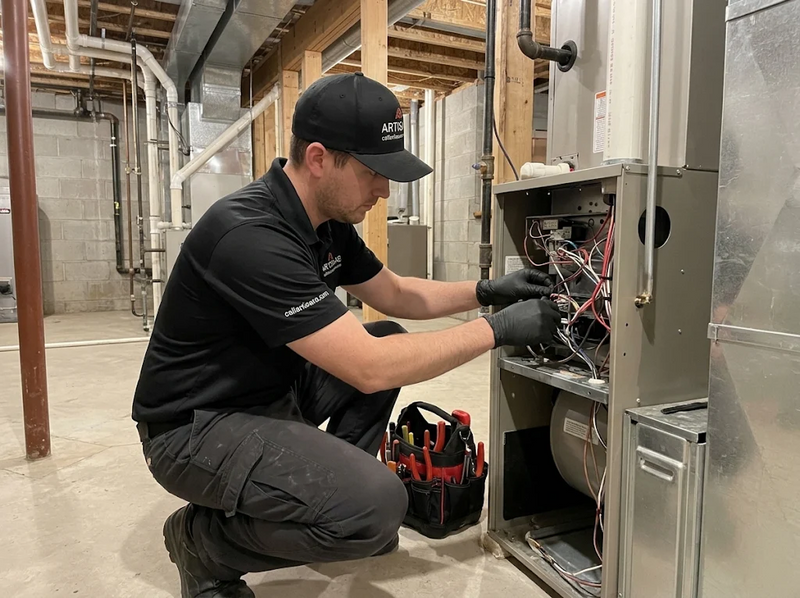
Carrier Furnace Installation Technician in Fountain Hill Pennsylvania
If HVAC units are improperly measured, badly reviewed, or improperly installed, they can rapidly turn from a source of winter comfort into a severe threat leading to fires or fatal carbon monoxide leaks. Whether you are upgrading an old system in a vintage home or equipping a new construction, this comprehensive guide explores all vital steps of the HVAC setup process so you know exactly what to expect.
1. Repair vs. Replacement: Making the Right Call
Before committing to a full furnace installation, it is crucial to determine whether your current system truly needs replacing. Furnaces do not operate indefinitely, but recognizing the perfect moment to replace can save you thousands of dollars in costly fixes and wasted energy.
You should think about a new heating unit if you spot the following indicators:
- Age of the Unit: The typical duration of a home heating system is generally fifteen to twenty years. If your unit is in or is past this range, its internal mechanical components and heat exchangers are probably failing.
- Rising Utility Costs: If your gas or electric bills are creeping up despite normal use, your furnace is wasting energy and straining to keep your home warm.
- Frequent Breakdowns: When the cumulative cost of repeated emergency repairs on an outdated system begins to approach or exceed the cost of a new system, replacement is the most logical step.
- Imminent Safety Hazards: Foul odors, loud clanking sounds, and worries about a carbon monoxide issue means you should shut the system off and call a tech. Hazards often demand an immediate replacement to prevent catastrophic explosions.
2. Picking the Best HVAC Unit for Your Property
Every furnace is different. Current HVAC engineering has improved drastically, offering consumers total command over their living space temperature and power draw.
What is an AFUE Rating?
Furnace performance is calculated using the Annual Fuel Utilization Efficiency rating. A better AFUE score means that more of the raw fuel your system uses is turned into usable heat for your home rather than venting outside.
- Lower Energy Bills: Top-tier heating units consume less power to heat the home. This results in great ROI over the life of the furnace, which is very obvious in areas that suffer from harsh, prolonged winters.
- Going Green: Selecting a green heating system with a 90+ AFUE score lowers pollution, contributing to a smaller household carbon footprint and promoting a cleaner environment.
Top Furnace Brands for 2026
Before setting up an install, choosing a trusted company is essential. According to industry data and durability, here are some of the top-rated options:
3. Preparation Phase: Getting Ready
A successful furnace installation begins well before the new heating unit is delivered. Proper preparation guarantees the installation goes smoothly and that the new system functions efficiently from day one.
Measuring for the Unit
Load calculation is the most vital step in HVAC replacement. A unit that is too small will run constantly without properly heating your home, while a unit that is oversized will short-cycle, leading to massive temperature fluctuations, bad air quality, and premature mechanical wear.
You must also find the ideal area for the installation to allow for breathing room. Typically, heating systems are placed in a basement, dedicated utility closet, or garage. When selecting the spot, consider the proximity to existing gas lines, electrical outlets, and your home’s main air ducts. The space must be totally clean and junk to allow enough room for maintenance calls and to prevent fire hazards.
Carrier Furnace Installation Technician in Fountain Hill Pennsylvania 18015
Powering the Furnace
New HVAC systems need a separate breaker that is isolated from your home’s appliances. Prior to hooking it up, an installation pro or contractor must check that your electrical panel and switches are modernized and in perfect working order.
- If You Have an Older House: Putting a smart furnace in an older property often requires upgraded wiring to give it the juice it needs. Old knob and tube wiring can trigger electrical spikes that may destroy a new furnace’s sensitive electronic control board.
Dealing with City Codes
Bypassing the legal process can result in severe municipal fines or legal complications when it comes time to sell your home. A must-do task is to acquire all necessary local permits before starting the job. Adhering to county regulations, manufacturer instructions, and national safety rules like the national building codes protects homeowners and guarantees the legality of the HVAC equipment.
4. The Complete Installation Day Timeline
Knowing what takes place on installation day helps you to ask the right questions and guarantee the installers are following strict industry best practices.
Step 1: Disconnection and Safe Removal
The first active step involves cutting power to and removing the old furnace. Technicians must strictly ensure that all power feeds and gas lines are locked out before starting the demo. The installation team will then clean the area, removing old metal components and trash to create a pristine, level footprint for the incoming unit.
Step 2: Setting the Furnace
After prep is done, the heating unit is set on the pad. The contractors will shim the unit to make sure it sits flat—which is structurally required for moisture management and mechanical operation—and verify it meets all manufacturer-required spatial clearances.
Step 3: Making the Connections
This highly technical phase connects the new unit to your ducts and pipes:
- Ductwork: The installers will hook up the sheet metal, making sure to properly seal the connections to stop draftiness and ensure maximum airflow.
- Flue Pipes: Gluing and routing flues or exhaust pipes is the most important step to avoid the trapping of carbon monoxide inside the home. The furnace must securely vent all fumes into the outdoor air.
- Power and Fuel: The HVAC tech will establish secure electrical connections with absolutely no exposed wires and connect the flex gas line using pipe dope and wrenches.
Step 4: Wiring the Brain
The concluding phase is programming the wall control. The pros will wire the thermostat correctly, pair it to the system motherboard, and set the parameters for optimal efficiency and perfect temperatures.
5. Non-Negotiable Safety Protocols and Quality Assurance
The job is not done when the wiring is done. Thorough QA is what guarantees a safe home.
Leak Detection and Prevention
Sniffing for gas is the number one post-installation safety check. Technicians will utilize specialized gas detectors to make sure zero gas is leaking from the new joints. They will also test the exhaust to ensure the space is adequately ventilated and the exhaust system is functioning flawlessly under load.
CO Alarms
Due to the invisible nature of carbon monoxide, checking the batteries in CO alarms is an essential extra safety layer. If you are upgrading an old system, updating these detectors simultaneously with your heating system is highly recommended.
Initial Burn-In
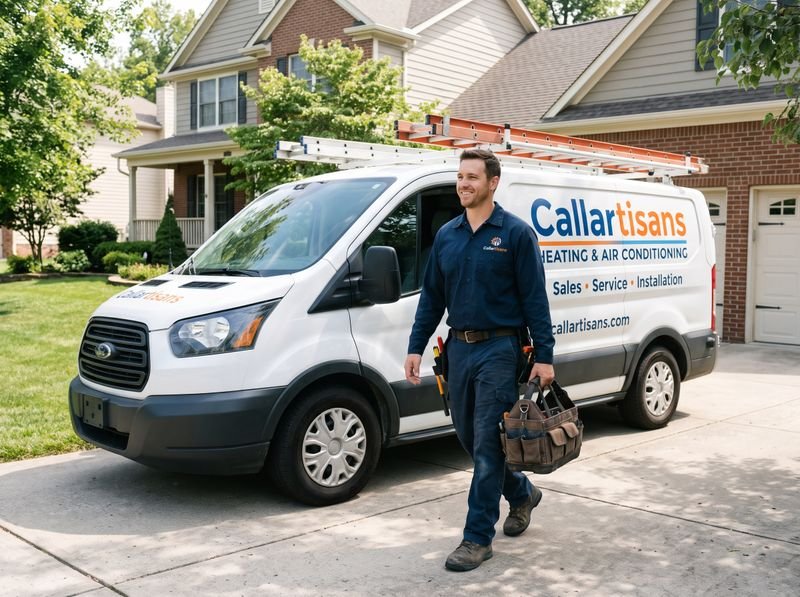
Prior to packing up the van, the technician will turn on the heat to make sure it works or shaking. They will check the temperature rise and ensure the blower is powerful enough, making sure every room gets warm. Final walk-throughs by qualified professionals act as the final verification that all safety measures are correctly implemented.
6. Keeping It Running Forever
A great setup is just the beginning, but proper care determines how long it will last. Ignoring maintenance will quickly reverse the expensive energy efficiency gains you just purchased.
- Keep Filters Clean: A filthy filter severely restrict airflow, causing overheating and consume more energy while pumping dust into your house. You should plan to swap your filters every 1 to 3 months, based on how often it runs, how many dogs or cats you have, and the specific filter type.
- Seal and Insulate: Ensuring your home is well-insulated, caulking windows, and that all exposed air ducts is taped up takes the strain off on your new furnace.
- Annual Professional Inspections: Do not wait for a complete system failure in the dead of winter to hire an HVAC company. Schedule an experienced technician to thoroughly inspect the furnace annually. These maintenance visits catch minor leaks and clogged drains before they leave you freezing in the middle of the night.
Being an informed homeowner is the cherry on top. A top-tier installer will walk you through how the system works, how to operate the thermostat, and simple troubleshooting tips. By investing in a high-quality unit, hiring a licensed contractor, and changing filters regularly, you guarantee your house will be a warm, safe, and highly efficient sanctuary for many years.
For a Carrier Furnace Installation Technician in Fountain Hill 18015, you can count on Artisans. We’re available 24/7 for all your Carrier Furnace Installation Technician needs: (484) 901-5900