The Essential Homeowner Guide to Furnace Replacement in 2026
Purchasing a state-of-the-art heating system is one of the most crucial upgrades you can make to your residence’s indoor climate, security, and utility savings. However, a perfect installation process is as essential as the quality of the hardware itself. Implementing industry best practices during installation maximizes system performance, reduces lifetime operational expenses, and protects your family from severe hazards like gas leaks.
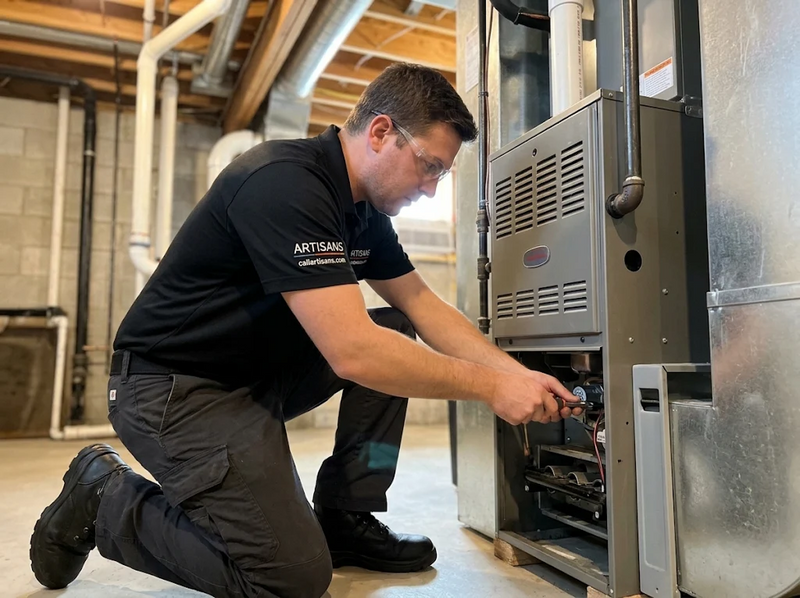
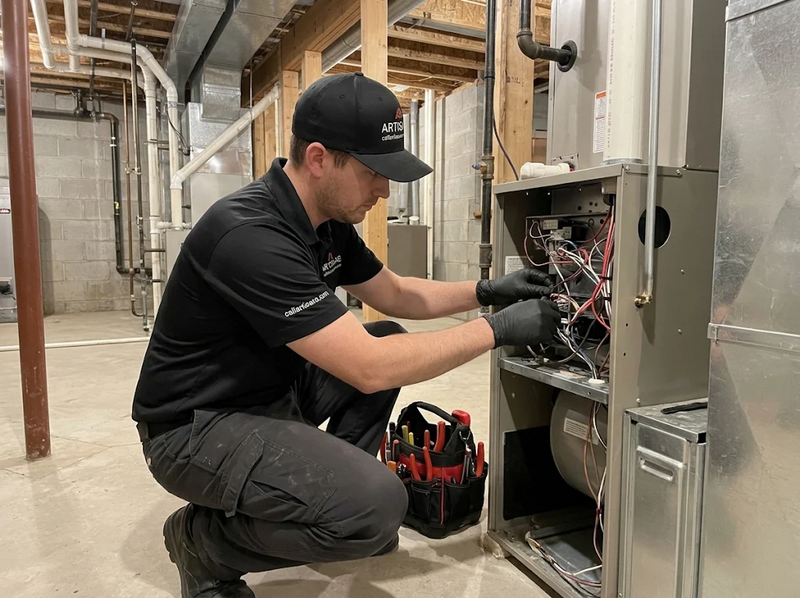
Carrier Furnace Installation Technician in Breinigsville Pennsylvania
Whenever furnaces are improperly measured, inadequately checked, or set up wrong, they can suddenly turn from a comforting appliance into a massive danger involving fires or fatal carbon monoxide leaks. Regardless of whether you are replacing an old unit in a historic property or setting up a newly built home, this detailed article explores every critical phase of the heating replacement journey so you know exactly what to expect.
1. Fixing vs. Replacing: Making the Smart Choice
Prior to scheduling a full furnace installation, it is imperative to figure out whether your existing furnace truly needs replacing. Furnaces do not run eternally, but identifying the exact right time to upgrade can save you thousands of dollars in emergency repairs and wasted energy.
You should strongly consider a complete system overhaul if you experience the following warning signs:
- Equipment Age: The standard, reliable lifespan of a residential furnace is usually fifteen to twenty years. If your unit is in or exceeds this timeframe, its internal mechanical components and heat exchangers are likely deteriorating.
- Escalating Energy Bills: If your utility costs are creeping up despite consistent usage patterns, your furnace is wasting energy and straining to generate the same temperature.
- Frequent Breakdowns: When the cumulative cost of repeated emergency repairs on an aging furnace begins to approach or exceed the cost of a new system, replacement is the most logical step.
- Safety Concerns: Strange smells, loud clanking sounds, and any suspicion of a carbon monoxide issue means you should immediately call a licensed professional. Hazards often require an immediate replacement to prevent catastrophic explosions.
2. Picking the Best HVAC Unit for Your Property
Not all furnaces are created equal. Today’s climate control tech has advanced significantly, offering homeowners unprecedented control over their indoor climate and utility usage.
What is an AFUE Rating?
Efficiency in heating is determined by the Annual Fuel Utilization Efficiency rating. A top AFUE rating means that more of the raw fuel your furnace consumes is transformed into warm air for your home rather than escaping as exhaust.
- Reduced Utility Costs: Top-tier heating units fundamentally use less fuel to keep you warm. This leads to substantial financial savings over the life of the furnace, which is very obvious in states that experience extreme cold weather.
- Environmental Benefits: Choosing a high-efficiency furnace with a top-tier AFUE rating lowers pollution, resulting in a more eco-friendly household and helping a cleaner environment.
Best Heating Manufacturers for 2026
During the buying process, choosing a trusted company is vital. Based on recent market performance and durability, here are some of the best choices:
3. Pre-Installation: Setting the Stage
A perfect HVAC setup begins long before the equipment shows up at your door. Proper preparation ensures that the installation proceeds safely and that the new system runs perfectly from day one.
Sizing and Location Strategy
Proper sizing is arguably the most essential factor in HVAC replacement. A unit that is undersized will run constantly without properly heating your home, while a system that is oversized will turn on and off constantly, leading to massive temperature fluctuations, bad air quality, and premature mechanical wear.
You must also determine the perfect spot for the installation to allow for breathing room. Typically, furnaces are placed in a cellar, dedicated utility closet, or garage. When choosing the area, think about how close it is to fuel pipes, electrical outlets, and your home’s main air ducts. The area must be entirely free of clutter and obstructions to guarantee sufficient clearance for maintenance calls and to prevent fire hazards.
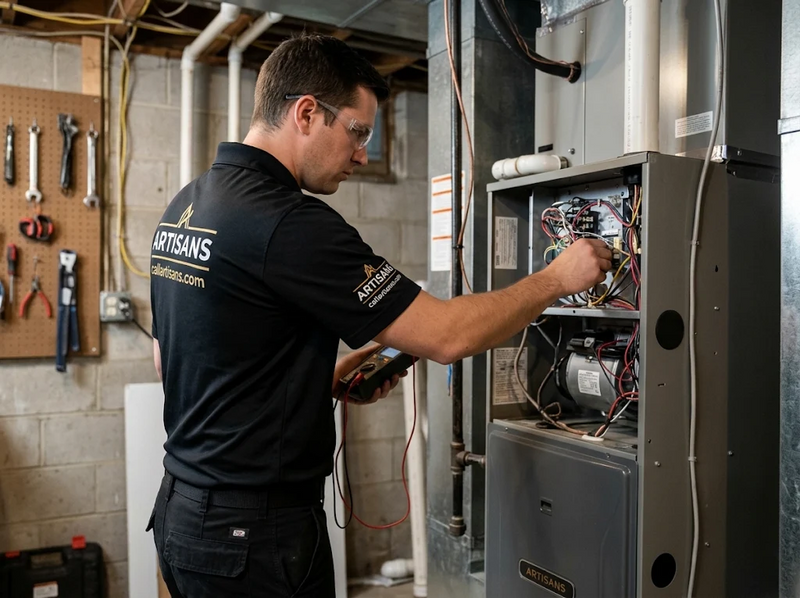
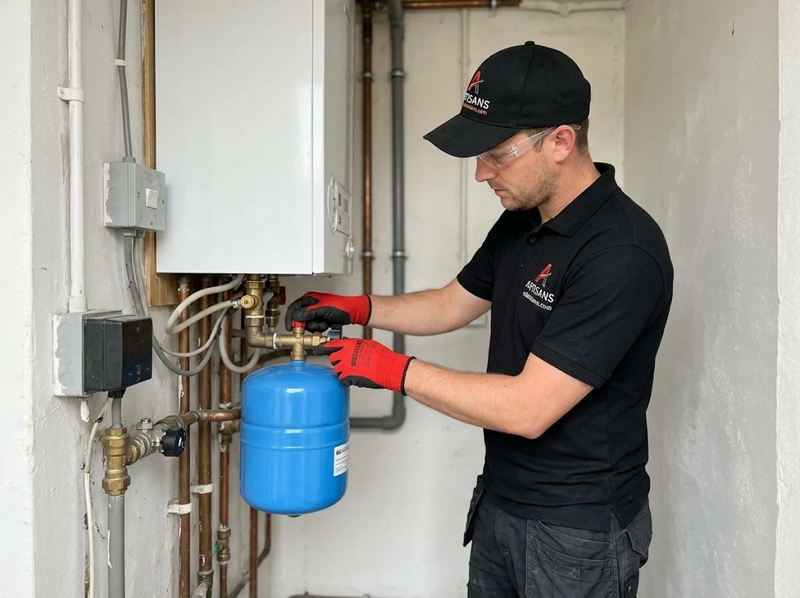
Carrier Furnace Installation Technician in Breinigsville Pennsylvania 18031
Electrical Requirements
New HVAC systems require a separate breaker that remains entirely separate from your home’s lighting circuits. Prior to hooking it up, an HVAC technician or electrician must ensure your home’s wiring and outlets are modernized and in perfect working order.
- Considerations for Older Homes: Installing a new, high-tech furnace in an historic house often requires upgraded wiring to give it the juice it needs. Old knob and tube wiring can short out that may ruin a modern heater’s sensitive electronic control board.
Dealing with City Codes
Skipping bureaucratic steps can cause severe municipal fines or problems when it goes on the real estate market. A vital first move is to acquire all necessary local permits ahead of the home furnace installation. Adhering to county regulations, manufacturer instructions, and national safety rules like the national building codes protects homeowners and ensures the legal and safe operation of heating systems.
4. The A-to-Z Furnace Installation Process
Learning what to expect on installation day empowers homeowners to interrogate the crew and make sure the HVAC techs are doing things by the book.
Step 1: Tearing Out the Old Unit
The beginning of the job is cutting power to and removing the broken heater. The crew must double check that all breakers and gas lines are safely shut off before beginning work. The HVAC crew will then sweep the floor, taking out scrap metal and trash to prepare a clean pad for the incoming unit.
Step 2: Placement
After prep is done, the new furnace is set on the pad. The installation team will use precision leveling tools to ensure the furnace is perfectly balanced—which is structurally required for water draining and mechanical operation—and check that it has enough breathing room.
Step 3: Hooking Everything Up
This complex step plumbs the standalone furnace to your house’s infrastructure:
- Ductwork: The installers will attach the plenums, making sure to tape and mastic the joints to avoid costly air leaks and push all the air into the home.
- Venting: Correctly sizing and placing chimney liners is non-negotiable to prevent a dangerous buildup of carbon monoxide inside the living space. The system must securely vent all exhaust gases safely outside the home.
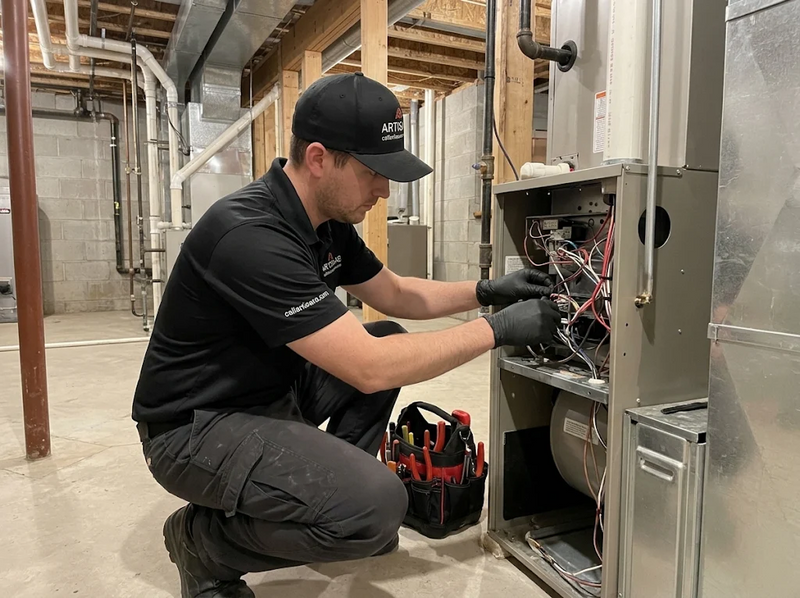
- Wiring and Piping: The electrician will hook up the breaker with absolutely no exposed wires and attach the gas lines using pipe dope and wrenches.
Step 4: Wiring the Brain
The final mechanical step is wiring up the wall control. The pros will wire the thermostat correctly, sync it with the furnace’s internal control board, and adjust the initial baseline settings for the best energy savings and perfect temperatures.
5. Non-Negotiable Safety Protocols and System Testing
The work is not complete when the wiring is done. Extreme safety checks is what guarantees a safe home.
Checking for Gas Leaks
Testing for leaks is the most critical final test. Installers will use electronic gas sniffers to ensure the pipes are 100% sealed from the newly established connections. They will also run a combustion analysis to make sure it vents properly and the exhaust system is functioning flawlessly under load.
Carbon Monoxide Detectors
Since CO is a silent killer, checking the batteries in CO alarms is an essential extra safety layer. If you are installing a furnace in an older home, buying new alarms today is basically mandatory.
System Startup and Calibration
Prior to packing up the van, the technician will cycle the system to guarantee there are no operational problems or shaking. They will measure the system’s ambient heating output and verify static pressure, making sure every room gets warm. Final walk-throughs by qualified professionals act as the final verification that all protocols were followed.
6. Furnace Maintenance Guide
A successful furnace installation creates the foundation, but proper care dictates the ultimate lifespan of the equipment. Skipping filter changes will destroy the savings you were hoping to get.
- Change the Air Filter: Dust-packed filters block the air, forcing the furnace to work harder and waste electricity and gas while pumping dust into your house. You should plan to swap your air filters every 30 to 90 days, depending on dust levels, how many dogs or cats you have, and the specific filter type.
- Seal and Insulate: Keeping the cold out, free of window drafts, and that all accessible ductwork in attics or basements is taped up takes the strain off on your HVAC unit.
- Call a Pro Once a Year: Do not wait for a complete system failure in the dead of winter to hire an HVAC company. Hire a local expert to do a fall tune-up. These maintenance visits catch minor leaks and clogged drains before they become $1000 repairs.
Customer education is the last step in the process. A top-tier installer will show you the ropes, when to change filters, and basic DIY fixes. By buying a good brand, prioritizing a code-compliant professional installation, and committing to simple routine maintenance, you make sure your property is a warm, safe, and highly efficient sanctuary for decades to come.
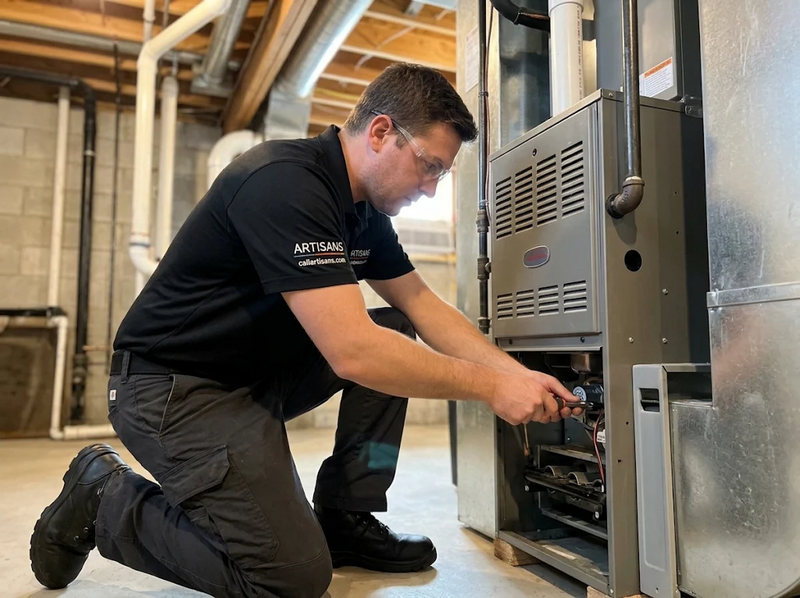
For a Carrier Furnace Installation Technician in Breinigsville 18031, you can count on Artisans. We’re available 24/7 for all your Carrier Furnace Installation Technician needs: (484) 901-5900