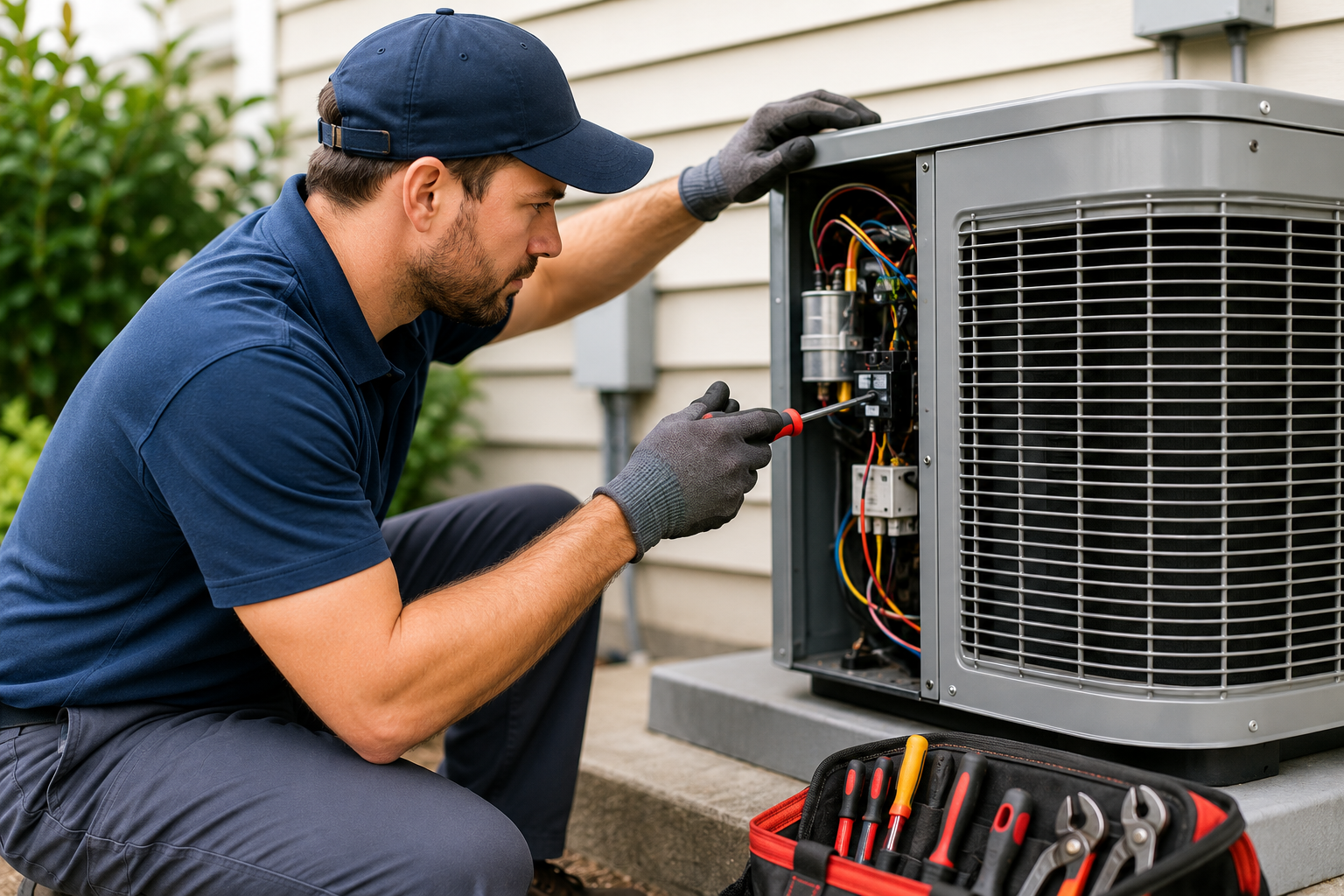
When temperatures rise, your air conditioner becomes one of the hardest-working systems in your home. A properly functioning AC unit keeps your indoor environment comfortable, improves air quality, and helps protect your home from excess humidity. However, like any mechanical system, air conditioners wear down over time. Ignoring small warning signs can quickly lead to expensive repairs, reduced efficiency, or complete system failure.
Many homeowners assume their AC will continue running until it suddenly stops working. In reality, most air conditioning systems provide several warning signs before a major breakdown occurs. Recognizing these early symptoms allows you to schedule repairs before minor issues become costly emergencies.
“The majority of major AC failures begin as small problems that homeowners overlook. Addressing them early can significantly extend the lifespan of your cooling system.”
Below are fifteen important signs that indicate your air conditioner needs immediate professional attention.
1. Warm Air Is Coming From the Vents
One of the clearest signs your AC needs repair is when warm or room-temperature air blows through the vents while the thermostat is set to cooling mode. Your system should consistently deliver cool air throughout your home. If it doesn’t, something is preventing the cooling cycle from working properly.
Warm airflow may result from low refrigerant levels, a failing compressor, dirty evaporator coils, electrical issues, or thermostat malfunctions. Sometimes homeowners mistakenly believe the thermostat settings are incorrect, but if the settings are accurate and warm air continues, professional inspection is necessary.
Ignoring this issue places unnecessary strain on the system because it continues running without effectively cooling your home, increasing energy consumption and utility costs.
2. Weak Airflow Throughout Your Home
Weak airflow is another warning sign that should never be ignored. If you notice certain rooms remain uncomfortable despite the AC running continuously, restricted airflow may be the cause.
Several problems can reduce airflow, including clogged air filters, blocked ductwork, failing blower motors, damaged fan components, or dirty evaporator coils. Reduced airflow forces your system to operate longer cycles to achieve the desired temperature.
Over time, this extra workload accelerates wear on critical components and increases the likelihood of major repairs.
“Strong airflow is just as important as cold airflow. Even a perfectly cold system cannot efficiently cool your home if air isn’t circulating properly.”
3. Strange or Unusual Noises
Air conditioners naturally produce a low operating sound, but they should never make loud or unusual noises. Any new grinding, banging, squealing, rattling, buzzing, or clicking sounds deserve immediate attention.
Different sounds often indicate different mechanical issues. Grinding may point to worn motor bearings, while squealing can suggest loose belts or failing motors. Banging noises may indicate broken internal components, and buzzing often signals electrical problems.
The longer these noises continue, the greater the chance that one damaged component will cause additional failures throughout the system.
4. Frequent Cycling On and Off
Your air conditioner naturally cycles throughout the day to maintain indoor temperatures. However, if it constantly turns on and off within short periods, this is known as short cycling.
Short cycling may be caused by:
- Dirty condenser coils
- Oversized AC systems
- Faulty thermostats
- Low refrigerant levels
- Electrical control problems
- Frozen evaporator coils
Besides reducing comfort, short cycling dramatically increases wear on compressors and electrical components while consuming more electricity.
5. Unpleasant Odors When the AC Runs
Your air conditioner should never produce unpleasant smells. Different odors often indicate different problems inside the system.
Musty odors frequently signal mold or mildew growing inside ducts or on evaporator coils. Burning smells may indicate overheating electrical wiring or motor failure. A chemical smell could point toward refrigerant leaks that require immediate professional repair.
Ignoring unusual odors not only risks damaging your AC system but may also reduce your home’s indoor air quality.
“If you can smell something unusual every time your AC starts, your system is trying to tell you that something is wrong.”
6. Water Leaks Around the Indoor Unit
Although condensation is normal during cooling, visible puddles or continuous water leaks around your indoor unit are not. Water around the air handler often indicates clogged condensate drains, damaged drain pans, frozen coils, or blocked drainage lines.
Water damage can affect flooring, drywall, insulation, and nearby furniture if left untreated. Moisture also creates the perfect environment for mold growth, which can spread throughout your HVAC system.
If you notice standing water near your unit, schedule repairs immediately rather than simply cleaning the puddle.
7. Ice Forming on Refrigerant Lines or Evaporator Coils
Many homeowners assume ice means their air conditioner is working harder than usual. In reality, ice buildup usually indicates a serious problem.
Frozen coils commonly result from restricted airflow, dirty filters, blower motor failure, or refrigerant leaks. As ice accumulates, airflow becomes even more restricted, creating a cycle that eventually prevents the system from cooling altogether.
Running an AC system while ice remains on the coils can severely damage the compressor, one of the most expensive components to replace.
8. High Indoor Humidity
Your air conditioner removes moisture from indoor air while cooling your home. If your house suddenly feels sticky or humid even though the AC is running, your system may no longer be properly dehumidifying.
Excess humidity can cause:
- Mold growth
- Musty odors
- Condensation on windows
- Warped wood flooring
- Reduced indoor comfort
Humidity problems often stem from refrigerant issues, oversized systems, dirty coils, or malfunctioning thermostats.
9. Rising Energy Bills Without Increased Usage
A gradual increase in energy costs is expected as systems age, but a sudden spike in your monthly electricity bill usually signals declining AC efficiency.
When components become dirty or begin failing, your system works much harder to achieve the same cooling performance. Longer operating cycles consume more electricity while delivering less comfort.
If your energy usage habits have remained the same but your utility bills continue climbing, your air conditioner likely needs professional servicing.
“An efficient air conditioner cools your home without making your electric bill climb every month.”
10. Uneven Temperatures Between Rooms
Do some rooms feel freezing while others remain warm? Uneven cooling often indicates airflow restrictions, leaking ductwork, improperly balanced dampers, thermostat issues, or failing blower motors.
Many homeowners mistakenly assume this is simply a characteristic of older homes, but uneven temperatures frequently point toward HVAC problems that can be corrected.
Balanced airflow allows every room to receive consistent cooling while reducing strain on the entire system.
Frequently Asked Questions
Should I turn off my AC if it isn’t cooling properly?
Yes. Continuing to operate an air conditioner that isn’t cooling correctly may place additional stress on major components and increase repair costs. If the system is blowing warm air, making unusual noises, or showing signs of ice buildup, it’s best to turn it off and have it inspected.
Can dirty air filters cause AC problems?
Absolutely. Dirty filters restrict airflow, reduce efficiency, increase energy consumption, and may even lead to frozen evaporator coils. Replacing filters regularly is one of the simplest ways to maintain your system.
How often should my AC be professionally serviced?
Most HVAC professionals recommend scheduling maintenance at least once a year, ideally before the cooling season begins. Regular inspections help identify minor issues before they develop into expensive repairs.
Is it safe to ignore unusual AC noises?
No. Strange noises often indicate mechanical or electrical issues that can worsen over time. Prompt diagnosis can prevent further damage and reduce overall repair costs.
What is the most expensive AC repair?
Compressor replacement is generally one of the most expensive air conditioning repairs. Detecting warning signs early can help prevent compressor failure and significantly extend the life of your HVAC system.