Few things are more stressful than having your heating or cooling system stop working when you need it most. Whether your air conditioner quits during a hot summer afternoon or your furnace stops working on a freezing winter night, an HVAC emergency can quickly disrupt your comfort and routine.
If you’re a homeowner in Easton, PA, knowing what to do before an HVAC technician arrives can help protect your equipment, reduce the risk of additional damage, and even shorten the repair process. While some problems require immediate professional attention, there are several safe steps you can take while waiting for help.
This guide explains exactly what to do during an HVAC emergency, common warning signs to watch for, and practical tips that can help keep your family comfortable until your system is repaired.
What Is Considered an HVAC Emergency?
Not every heating or cooling issue requires emergency service. However, some situations should never be ignored because they can become safety hazards or lead to costly repairs.
You should contact an emergency HVAC professional immediately if you notice any of the following:
- Your furnace stops working during freezing temperatures.
- Your air conditioner fails during extreme heat.
- You smell something burning coming from the vents.
- Your HVAC unit is making loud grinding, banging, or screeching noises.
- You see smoke coming from the equipment.
- Your system suddenly stops producing airflow.
- There is significant water leaking from the indoor unit.
- You smell natural gas near your furnace.
Did You Know? Many emergency HVAC repairs start as small maintenance issues that were ignored for weeks or even months. Regular inspections can often prevent unexpected breakdowns.
Stay Calm Before Troubleshooting
When your HVAC system suddenly stops working, it’s easy to assume the worst. Many homeowners immediately think they’ll need an expensive replacement, but that’s not always the case.
Simple issues like thermostat settings, clogged air filters, or a tripped breaker can make your heating or cooling system appear completely broken. Before calling for emergency service, spend a few minutes checking the basics.
Check Your Thermostat First
Your thermostat is the command center of your HVAC system. If it’s not working properly, your heating or cooling system won’t respond.
Start by making sure the thermostat is turned on and set to the correct mode. During summer, it should be set to Cool. During winter, switch it to Heat. Adjust the temperature several degrees beyond the current room temperature and wait a few minutes.
If your thermostat uses batteries, replace them with fresh ones. A dead battery can make it appear as though your entire HVAC system has failed.
Inspect the Circuit Breaker
If the thermostat appears to be working but nothing else happens, check your home’s electrical panel.
Locate the breaker labeled HVAC, Furnace, Air Handler, or Air Conditioner. If the breaker has tripped, reset it once.
If it trips again immediately, leave it alone. Repeated breaker trips usually indicate an electrical issue that requires professional diagnosis.
Listen to Your HVAC System
Sometimes your HVAC system will warn you before it completely fails.
Pay attention to unusual sounds like:
- Grinding
- Rattling
- Banging
- Screeching
- Buzzing
These noises may indicate worn bearings, loose blower wheels, damaged fan motors, or compressor problems. Continuing to run the system can increase repair costs.
Notice Any Strange Smells?
Different odors often point to different HVAC problems.
- A burning smell may indicate overheating electrical components.
- A musty smell could mean mold inside the ductwork or evaporator coil.
- A rotten egg smell may indicate a gas leak.
If you suspect a gas leak, leave the home immediately and contact your gas utility before calling an HVAC contractor.
Check Your Air Filter
One of the easiest maintenance tasks homeowners can perform is checking the air filter.
A clogged filter restricts airflow, forcing your HVAC system to work much harder. Over time, this can cause frozen evaporator coils, overheating furnaces, poor airflow, and unexpected shutdowns.
Hold the filter toward a light source. If very little light passes through, replace it with a new filter of the correct size.
Pro Tip: Replacing your air filter every one to three months can improve indoor air quality, lower energy bills, and extend the life of your HVAC equipment.
Inspect the Outdoor Unit
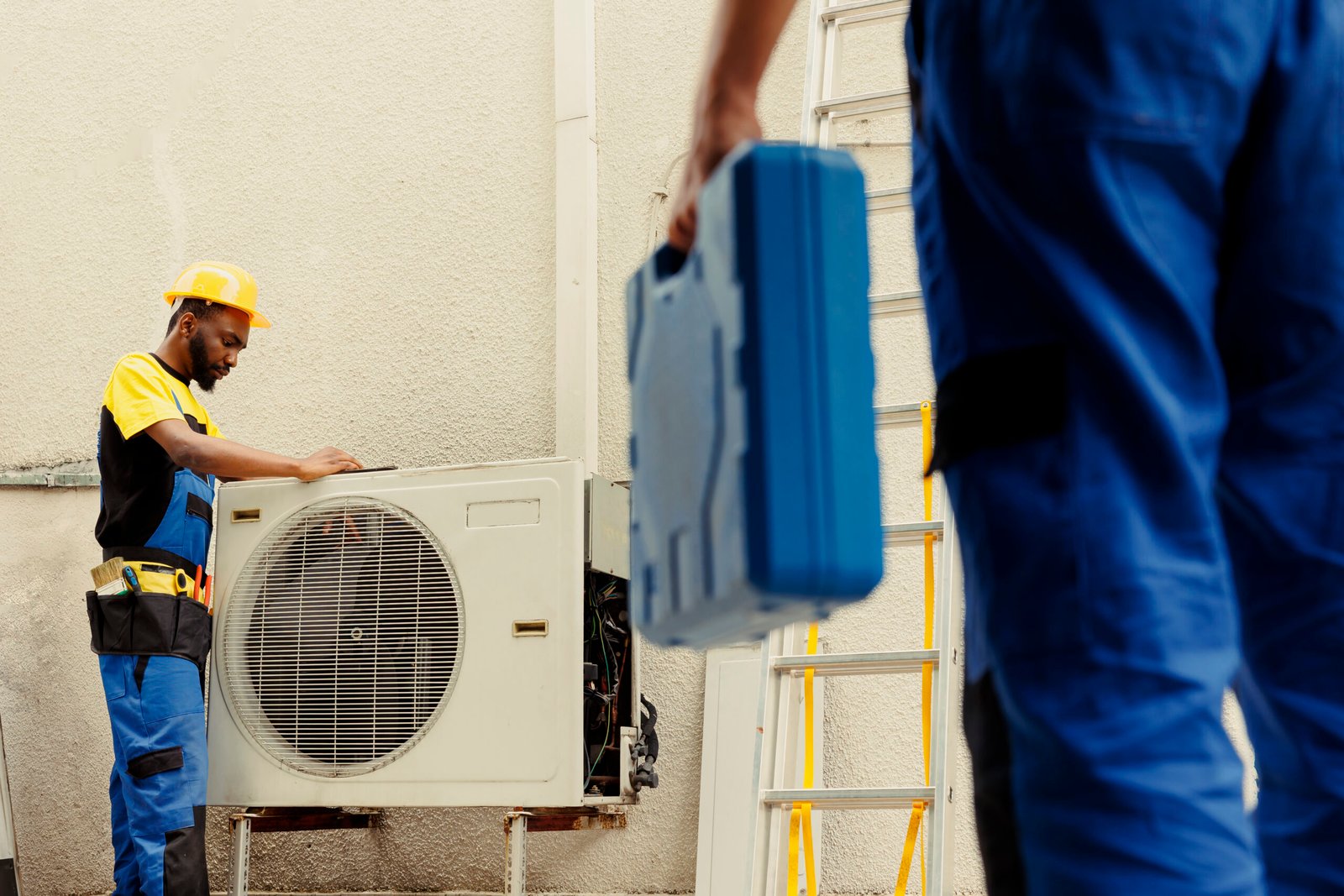
If your home uses central air conditioning or a heat pump, take a quick walk outside.
Make sure the outdoor condenser isn’t blocked by leaves, grass, weeds, or debris. Your HVAC system needs plenty of airflow to operate efficiently.
Keep at least two feet of open space around the outdoor unit throughout the year.
What If Your Air Conditioner Is Frozen?
Frozen evaporator coils are surprisingly common during Pennsylvania summers.
You may notice ice covering the refrigerant lines, weak airflow, or warm air coming from the vents.
If this happens, turn the cooling mode off and switch the fan to On. This allows air to circulate and helps the ice begin melting naturally.
Never attempt to chip away ice using tools, as this can damage refrigerant lines.
Prevent Water Damage
HVAC systems naturally remove moisture from the air. When the condensate drain becomes clogged, water can overflow into your home.
If you notice leaking water:
- Turn the system off.
- Place towels or a bucket beneath the leak.
- Move furniture, electronics, and valuables away from the affected area.
- Allow the technician to inspect the drain system.
Keep Your Home Comfortable While Waiting
If your cooling system stops working during summer:
- Close blinds and curtains.
- Use ceiling fans.
- Drink plenty of water.
- Avoid using the oven during the hottest part of the day.
If your heating system fails during winter:
- Wear warm clothing.
- Close unused rooms.
- Seal drafts around windows and doors.
- Use portable heaters safely according to manufacturer instructions.
Don’t Attempt Major Repairs Yourself
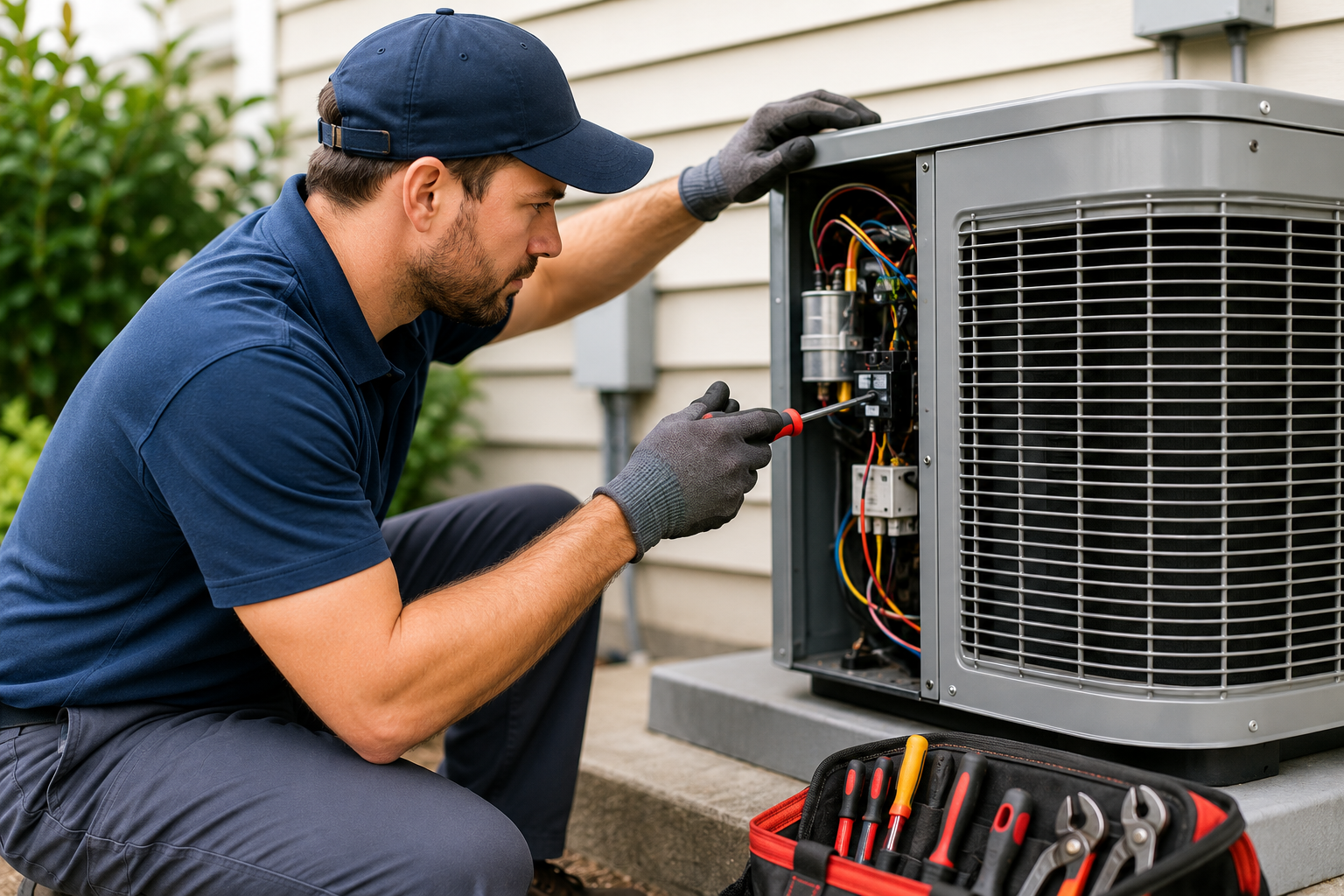
Modern HVAC systems contain electrical wiring, refrigerant, gas connections, control boards, sensors, and high-pressure components.
Attempting repairs without proper training can cause further damage and may create serious safety hazards.
Leave refrigerant work, electrical repairs, gas furnace repairs, and compressor diagnostics to qualified HVAC professionals.
Prepare Information for the Technician
Before your technician arrives, gather a few helpful details.
- When did the problem begin?
- Did you hear unusual noises?
- Was there a burning smell?
- Did the breaker trip?
- Have you replaced the air filter recently?
- Has the system been repaired before?
Having this information ready helps technicians diagnose problems more efficiently.
Common HVAC Emergencies in Easton, PA
Because Easton experiences both humid summers and freezing winters, HVAC systems work hard throughout the year.
Some of the most common emergency repairs include:
- Failed capacitors
- Frozen evaporator coils
- Blower motor failures
- Faulty ignitors
- Dirty flame sensors
- Refrigerant leaks
- Thermostat failures
- Electrical control issues
How to Prevent Future HVAC Emergencies
Preventive maintenance is the best defense against unexpected breakdowns.
- Replace air filters regularly.
- Schedule spring air conditioning maintenance.
- Schedule furnace inspections every fall.
- Keep outdoor units clean.
- Pay attention to unusual noises.
- Don’t ignore rising utility bills.
- Have your HVAC system professionally serviced every year.
Routine maintenance helps identify worn components before they fail, improving efficiency and extending the life of your heating and cooling system.
Frequently Asked Questions
Should I turn my HVAC system off while waiting for repairs?
If the system is making loud noises, producing burning smells, leaking heavily, or freezing up, turning it off is usually the safest option until a technician can inspect it.
Can a dirty air filter really cause my HVAC system to stop working?
Yes. Restricted airflow from a clogged filter can cause frozen coils, overheating, poor airflow, and system shutdowns.
How often should HVAC systems be serviced?
Most manufacturers recommend professional maintenance twice a year—once before cooling season and once before heating season.
How long do HVAC systems usually last?
With proper maintenance, most residential HVAC systems last between 15 and 20 years, depending on usage, climate, and equipment quality.
Final Thoughts
An HVAC emergency can happen without warning, but knowing how to respond can help reduce stress and protect your home. By checking the thermostat, replacing a dirty filter, inspecting your breaker, and avoiding unsafe DIY repairs, you’ll be better prepared while waiting for professional service.
Whether you’re dealing with a broken air conditioner during a summer heatwave or a furnace failure on a cold winter night in Easton, taking the right first steps can help minimize damage and get your home comfortable again as quickly as possible.