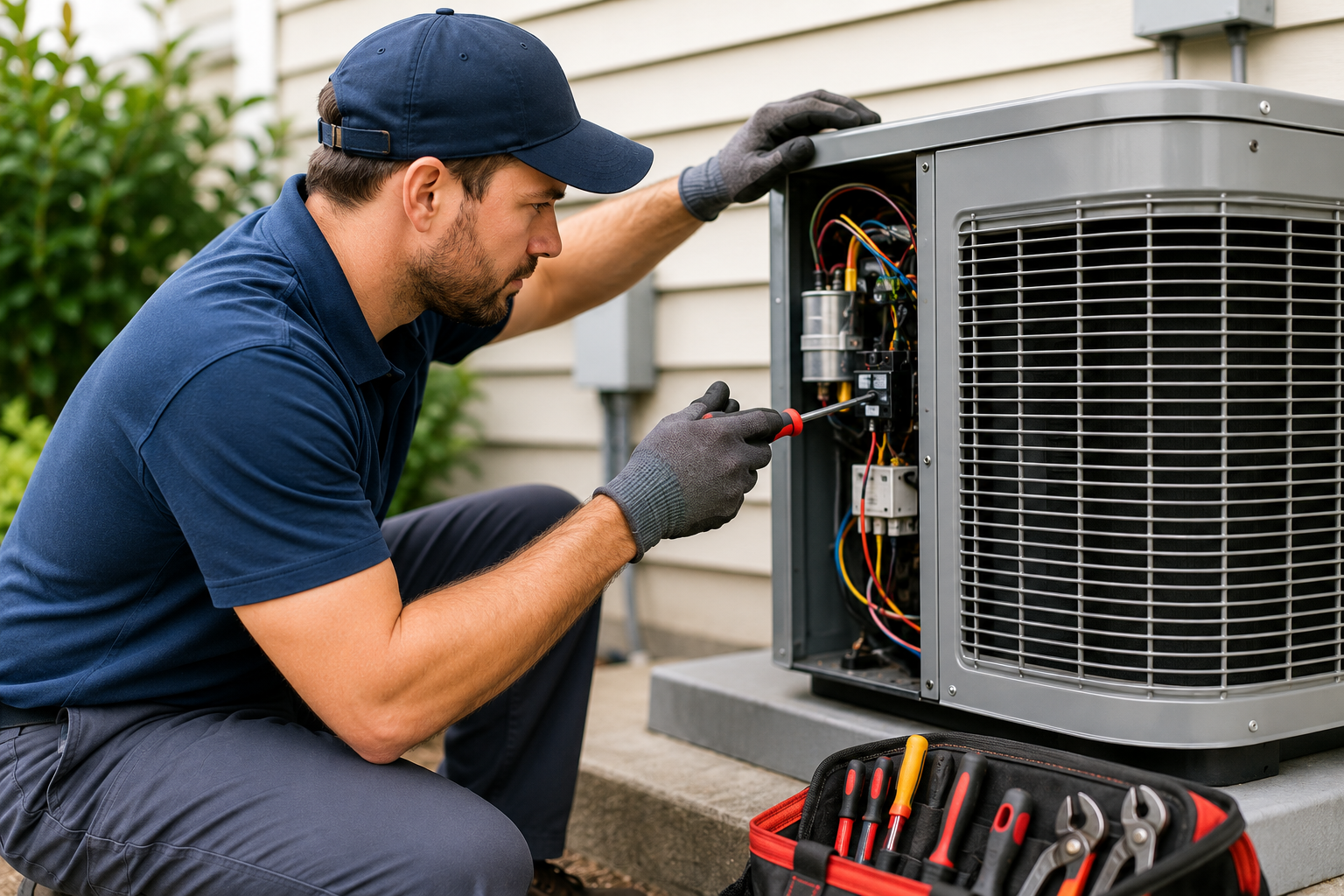
Your HVAC system works hard every day to keep your home comfortable, whether it’s keeping you cool during the summer or warm throughout the winter. Like any major home appliance, it requires regular maintenance to operate efficiently and reliably. Neglecting routine maintenance can lead to higher energy bills, poor indoor comfort, unexpected breakdowns, and expensive repairs.
Fortunately, keeping your heating and cooling system in excellent condition doesn’t have to be difficult. By following a simple maintenance schedule throughout the year, homeowners can extend the lifespan of their HVAC equipment, improve indoor air quality, reduce utility costs, and minimize the risk of costly emergency repairs.
This complete homeowner’s HVAC maintenance checklist provides practical tips for every season, helping you protect your investment while ensuring your HVAC system performs at its best all year long.
Expert Tip: Preventive HVAC maintenance is one of the most cost-effective ways to improve system efficiency, reduce repair costs, and maximize the lifespan of your heating and cooling equipment.
Why Regular HVAC Maintenance Is Important
Your HVAC system is one of the largest energy consumers in your home. When components become dirty or worn, the system must work harder to maintain the desired indoor temperature. This additional workload increases energy consumption and accelerates wear on critical components.
Routine maintenance offers several important benefits, including:
- Lower monthly energy bills
- Improved heating and cooling performance
- Better indoor air quality
- Fewer unexpected breakdowns
- Longer equipment lifespan
- Reduced repair costs
- Consistent indoor comfort throughout the year
- Improved airflow in every room
Even small maintenance tasks performed regularly can make a significant difference in your system’s overall efficiency and reliability.
Monthly HVAC Maintenance Checklist
Inspect and Replace Air Filters
Your HVAC air filter captures dust, dirt, pollen, pet dander, and other airborne contaminants before they enter your system. Over time, filters become clogged, restricting airflow and forcing the equipment to work harder.
Inspect your air filter every month and replace it every one to three months depending on your household size, pets, allergies, and indoor air quality needs.
Benefits of replacing your air filter include:
- Improved airflow
- Lower utility bills
- Cleaner indoor air
- Reduced strain on HVAC components
- Improved system efficiency
Check All Supply and Return Vents
Walk through your home and inspect every air vent. Make sure furniture, rugs, curtains, or decorative items are not blocking airflow.
Proper airflow allows your HVAC system to distribute conditioned air evenly throughout your home while preventing unnecessary stress on the blower motor.
Listen for Unusual Noises
While your HVAC system is running, listen for sounds that may indicate mechanical problems.
- Banging
- Grinding
- Squealing
- Buzzing
- Clicking
- Rattling
Addressing unusual noises early often prevents more expensive repairs later.
Monitor Thermostat Performance
Verify that your thermostat accurately reflects your home’s indoor temperature and responds properly when adjusting heating or cooling settings.
If temperatures fluctuate significantly or your HVAC system cycles too frequently, the thermostat may require calibration or replacement.
Spring HVAC Maintenance Checklist
Spring is the ideal time to prepare your air conditioning system before the hottest months arrive.
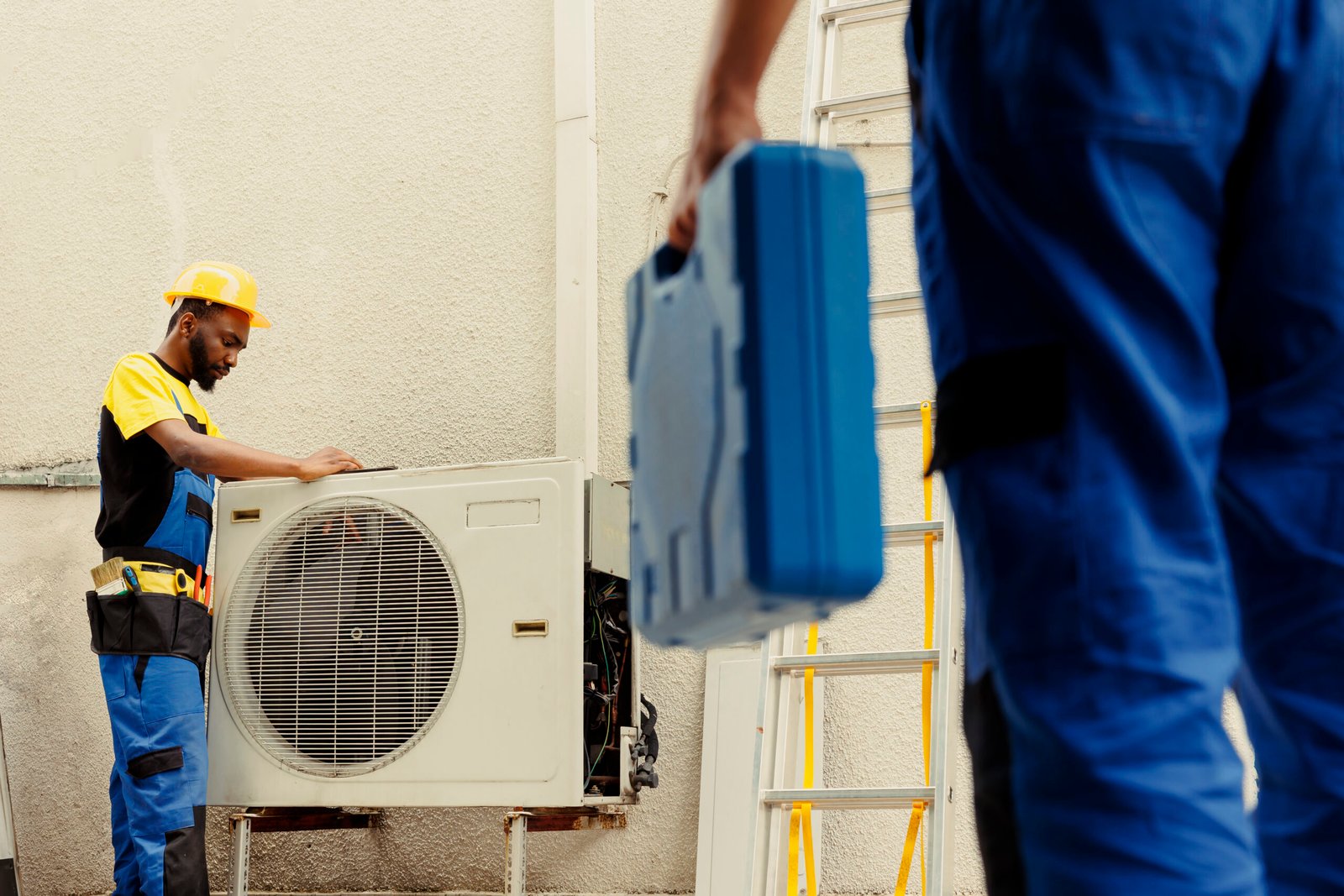
Clean Around the Outdoor Condenser Unit
Remove leaves, weeds, grass clippings, branches, and other debris surrounding your outdoor condenser.
Maintain at least two feet of open space around the unit to ensure unrestricted airflow.
Wash the Condenser Coils
Outdoor condenser coils naturally collect dirt throughout the year. Dirty coils reduce your system’s ability to release heat, forcing your air conditioner to consume more electricity.
Using a standard garden hose, gently rinse dirt and debris from the coils. Avoid using pressure washers, which can bend delicate aluminum fins.
Inspect Refrigerant Line Insulation
The insulated refrigerant line connecting the indoor and outdoor units should remain fully covered.
Replace damaged insulation to improve cooling efficiency and prevent unnecessary energy loss.
Check the Condensate Drain
Your air conditioner removes moisture from indoor air during the cooling process. Ensure the condensate drain line remains clear to prevent water backups, mold growth, and ceiling or wall damage.
Many homeowners flush the drain line with distilled vinegar several times each year to reduce algae buildup.
Test Your Air Conditioner
Turn on your cooling system before temperatures rise significantly.
Watch for warning signs such as:
- Weak airflow
- Warm air from vents
- Unusual odors
- Loud operating noises
- Frequent cycling
- Excessive humidity indoors
Scheduling repairs early helps avoid emergency service during peak summer months.
Summer HVAC Maintenance Checklist
Summer places the greatest demand on your cooling system. Following these maintenance steps can improve efficiency while reducing cooling costs.
Keep the Outdoor Unit Free of Debris
Inspect the condenser weekly for leaves, grass clippings, cottonwood seeds, and other debris that may restrict airflow.
Good airflow allows your air conditioner to remove heat efficiently while extending compressor life.
Inspect Visible Ductwork
Exposed ductwork in attics, crawl spaces, or basements should remain properly sealed and insulated.
Damaged ducts can waste conditioned air, increase utility bills, and reduce overall comfort.
Seal Air Leaks Around Your Home
Inspect windows, doors, attic openings, and exterior wall penetrations for air leaks.
Simple weatherstripping and caulking can reduce HVAC workload while improving indoor comfort.
Keep Indoor Humidity Under Control
High indoor humidity forces your HVAC system to work harder.
Maintain indoor humidity between 30% and 50% for maximum comfort and improved air quality.
Monitor Energy Bills
A sudden increase in cooling costs often indicates reduced HVAC efficiency or developing mechanical issues.
Comparing monthly utility bills can help identify problems before major breakdowns occur.