The Ultimate Homeowner Guide to HVAC Installation in 2026
Committing to a new heating system is one of the most important investments you can make to your home’s temperature control, safety, and power conservation. But, a top-notch setup procedure is vital compared to the brand of the equipment itself. Applying industry best practices during installation boosts operational efficiency, decreases long-term running costs, and shields your home from severe hazards like carbon monoxide buildup.
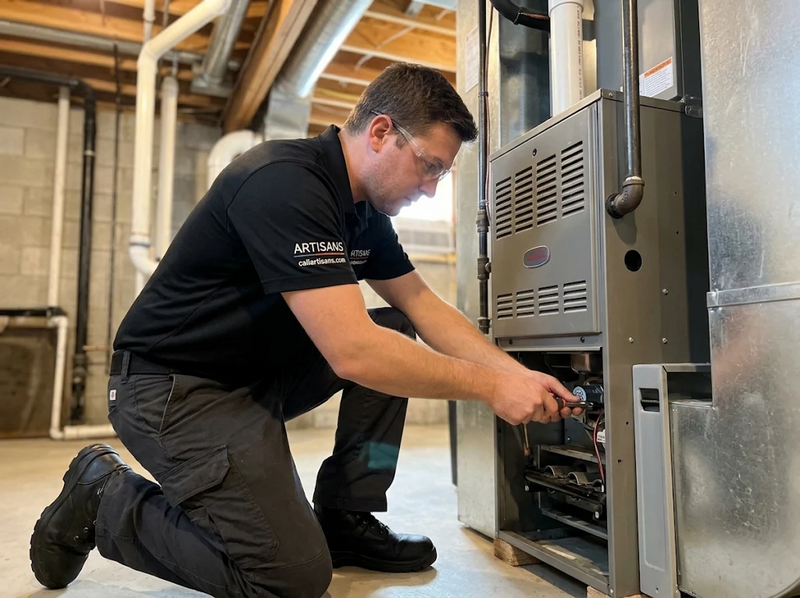
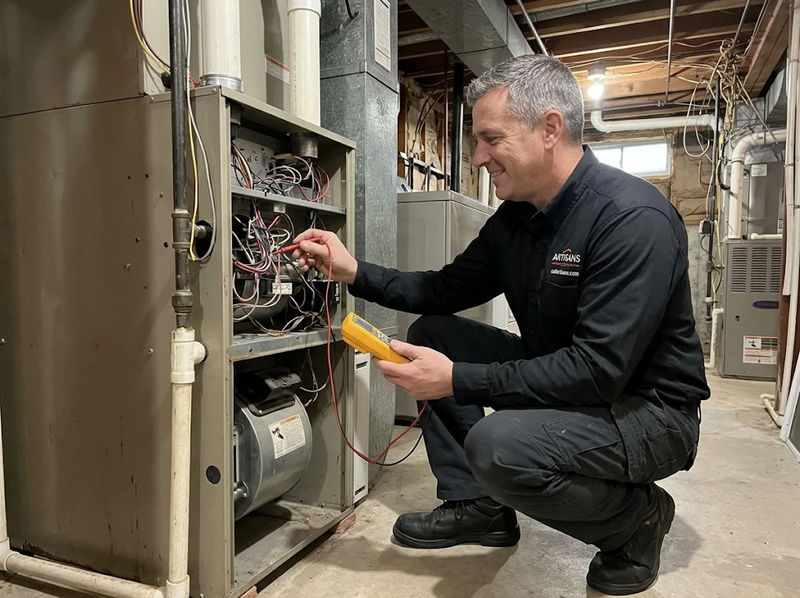
24 Hour Furnace Installation Technician in Northampton Pennsylvania
If heating systems are improperly measured, inadequately checked, or installed incorrectly, they can rapidly turn from a reliable heat source into a serious safety hazard leading to fires or fatal carbon monoxide leaks. Whether you are replacing an outdated unit in a vintage home or equipping a newly built home, this comprehensive guide details every critical phase of the furnace installation process so you know what lies ahead.
1. Repair vs. Replacement: Making the Right Call
Prior to scheduling a full system replacement, it is imperative to determine whether your old system is at the end of its life. Furnaces do not run eternally, but recognizing the ideal timeframe to swap it out can save you thousands of dollars in costly fixes and wasted energy.
You should plan for a new heating unit if you experience the following red flags:
- System Lifespan: The average life expectancy of a home heating system is usually 15 to 20 years. If your system is in or is past this timeframe, its internal mechanical components and heating elements are likely deteriorating.
- Higher Power Bills: If your utility costs are steadily rising despite normal use, your furnace is losing its baseline efficiency and struggling to produce the exact same amount of heat.
- Constant Repairs: When the added price of repeated emergency repairs on an aging furnace begins to come close to the cost of a new system, replacement is the most logical step.
- Safety Concerns: Foul odors, persistent rattling or banging noises, and any hint of a gas leak means you should contact an expert right away. Hazards often dictate an urgent swap to stop deadly accidents.
2. Choosing the Right Furnace for Your Home
Every furnace is different. Modern heating technology has improved drastically, offering consumers unprecedented control over their living space temperature and power draw.
Understanding AFUE Ratings
Efficiency in heating is measured by the Annual Fuel Utilization Efficiency rating. A top AFUE rating means that more of the raw fuel your heating unit burns is turned into warm air for your home rather than being wasted up the chimney.
- Cheaper Heating: High-efficiency furnaces burn less gas to heat the home. This leads to massive money saved over the life of the furnace, which is very obvious in regions that suffer from extreme cold weather.
- Eco-Friendly Perks: Selecting a green heating system with a top-tier AFUE rating typically emits far less carbon, resulting in a greener home and promoting a cleaner environment.
Top Furnace Brands for the Current Year
Before setting up an install, choosing a trusted company is essential. Looking at consumer reviews and lifespan estimates, here are some of the highly recommended systems:
3. Preparation Phase: Preparing Your Home
A smooth installation day begins long before the equipment is delivered. Getting ready guarantees the installation goes smoothly and that the new system functions efficiently from day one.
Sizing and Location Strategy
Correctly sizing the unit is arguably the most essential factor in HVAC replacement. A unit that is undersized will run constantly while leaving rooms cold, while a system that is too large will short-cycle, leading to massive temperature fluctuations, poor humidity control, and broken parts.
You must also determine the perfect spot for the installation to ensure proper airflow. Usually, furnaces are securely installed in a basement, dedicated utility closet, or attic space. When selecting the spot, think about how close it is to existing gas lines, power sources, and your home’s core ductwork. The space must be entirely free of clutter and obstructions to guarantee sufficient clearance for future servicing and to mitigate accidental fire risks.
24 Hour Furnace Installation Technician in Northampton Pennsylvania 18067
Powering the Furnace
Current heating units require a standalone power line that does not share power with your home’s lighting circuits. Before beginning the physical installation, an HVAC technician or electrician must check that your electrical panel and outlets are modernized and in pristine condition.
- Vintage Property Rules: Installing a new, high-tech furnace in an aging home often requires new electrical lines to prevent brownouts. Bad breakers can short out that may ruin a modern heater’s motherboard.
Navigating Permits and Local Building Codes
Skipping bureaucratic steps can lead to massive city penalties or headaches when it goes on the real estate market. A must-do task is to acquire all necessary local permits ahead of the home furnace installation. Following municipal laws, manufacturer instructions, and national safety rules like the NFPA and IRC protects homeowners and ensures the legal and safe operation of heating systems.
4. The Step-by-Step HVAC Setup Walkthrough
Understanding exactly what happens on setup day gives you confidence to interrogate the crew and make sure the HVAC techs are not cutting corners.
Step 1: Disconnection and Safe Removal
The first active step is cutting power to and removing the outdated unit. The crew must guarantee all electrical lines and gas lines are safely shut off before beginning work. The installation team will then sweep the floor, removing old metal components and debris to make a flat surface for the incoming unit.
Step 2: Positioning the New Unit
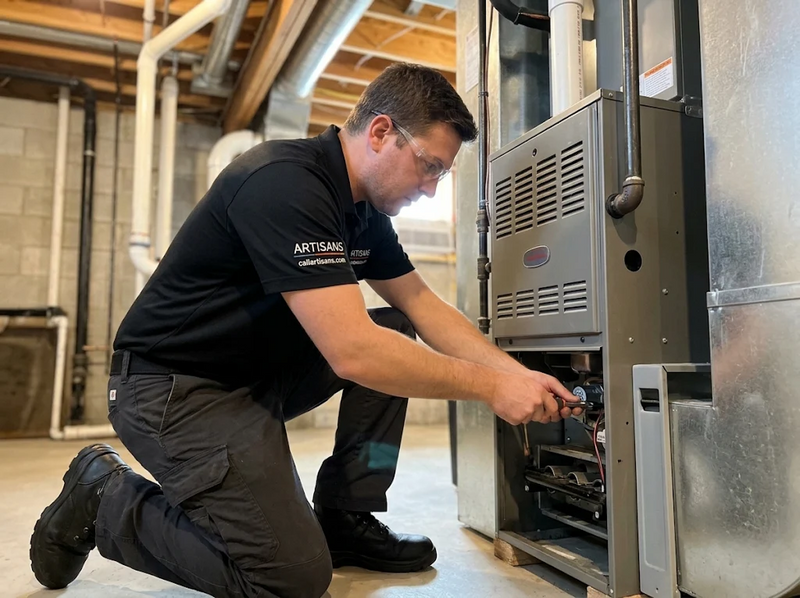
Once the area is cleared, the heating unit is set on the pad. The techs will shim the unit to ensure the furnace is perfectly balanced—which is mandatory for moisture management and fan balance—and check that it has enough breathing room.
Step 3: Connecting the Infrastructure
This highly technical phase wires the new unit to your ducts and pipes:
- Ductwork: The installers will attach the plenums, making sure to tape and mastic the joints to stop draftiness and maximize overall heating efficiency.
- Venting: Gluing and routing flues or exhaust pipes is the most important step to prevent a dangerous buildup of deadly exhaust gas inside the home. The system must blow all exhaust gases into the outdoor air.
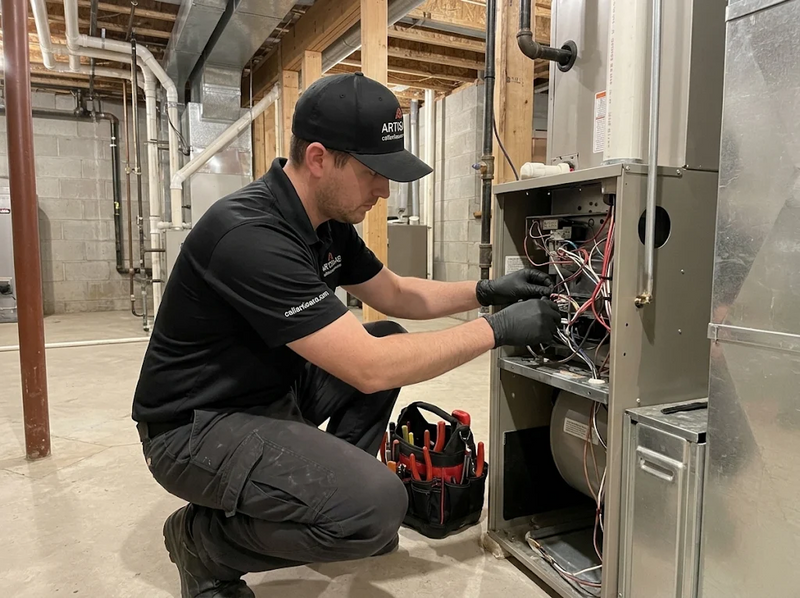
- Power and Fuel: The team will establish secure electrical connections with proper grounding and connect the flex gas line using pipe dope and wrenches.
Step 4: Thermostat Integration
The final mechanical step is installing or calibrating the smart thermostat. Technicians will hook up the low voltage wires, pair it to the system motherboard, and program the schedules for the best energy savings and customized comfort.
5. Strict Safety Checks and Quality Assurance
The work is not complete when the last screw is driven. Rigorous safety testing is what makes the difference between a hack and a pro.
Fuel Safety
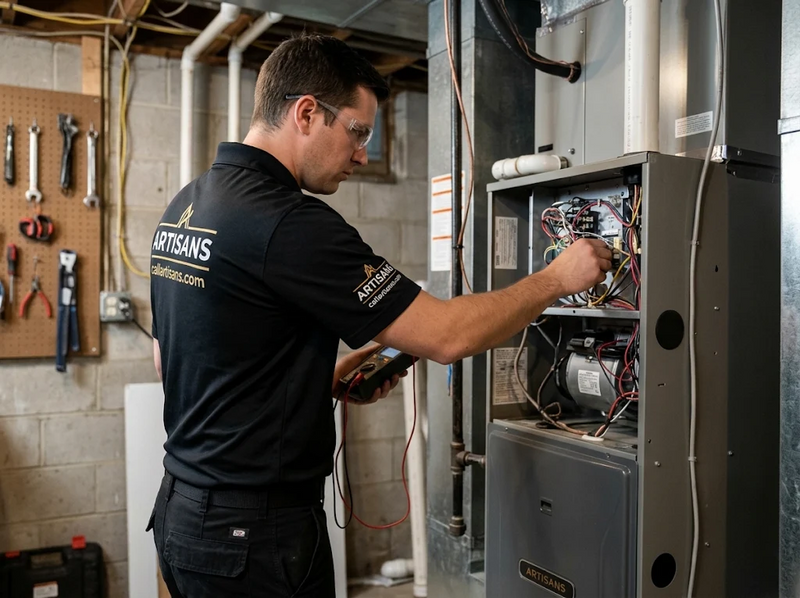
Testing for leaks is the most critical final test. Installers will use electronic gas sniffers to verify that absolutely no gas is escaping from the threaded fittings. They will also test the exhaust to check for CO spillage and the exhaust system is functioning flawlessly under load.
Carbon Monoxide Detectors
Because carbon monoxide is an odorless, colorless, and potentially deadly gas, putting up or testing working carbon monoxide detectors is an essential extra safety layer. If you are putting a unit in a vintage house, updating these detectors simultaneously with your heating system is strongly advised.
Initial Burn-In
Before leaving the property, the technician will cycle the system to make sure it works or shaking. They will measure the heat at the registers and verify static pressure, making sure every room gets warm. Final walk-throughs by the city inspector or lead tech ensure all safety measures are correctly implemented.
6. Furnace Maintenance Guide
A great setup sets the stage, but annual tune-ups determines how long it will last. Neglecting your new system will quickly reverse the expensive energy efficiency gains you just purchased.
- Replace Filters Regularly: A filthy filter block the air, causing overheating and spike your bills while actively degrading your indoor air quality. You should plan to swap your filters every 30 to 90 days, based on how often it runs, how many dogs or cats you have, and the MERV rating of the filter.
- Seal and Insulate: Adding attic insulation, caulking windows, and that all exposed air ducts is taped up makes life easier on your HVAC unit.
- Call a Pro Once a Year: Never wait for an emergency to call a professional. Schedule an experienced technician to thoroughly inspect the furnace annually. These maintenance visits find small problems and clogged drains before they become $1000 repairs.
Customer education is the final piece of a successful installation. A true professional will walk you through how the system works, how to operate the thermostat, and simple troubleshooting tips. By buying a good brand, hiring a licensed contractor, and committing to simple routine maintenance, you guarantee your house will be a comfortable winter haven for the foreseeable future.
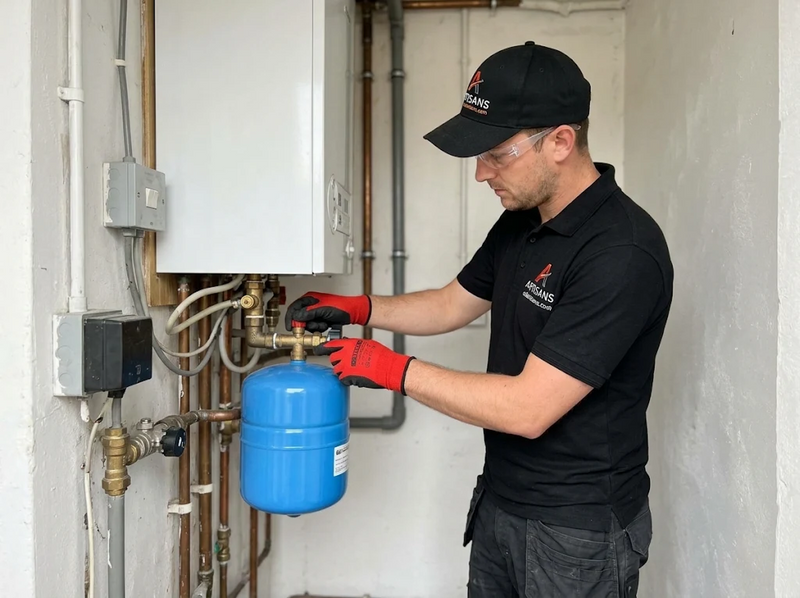
For a 24 Hour Furnace Installation Technician in Northampton 18067, you can count on Artisans. We’re available 24/7 for all your 24 Hour Furnace Installation Technician needs: (484) 901-5900