The Complete Homeowner’s Guide to Heating System Setup in the Modern Era
Investing in a brand-new furnace is one of the most important improvements you can make to your residence’s temperature control, safety, and power conservation. Yet, a professional installation process is vital compared to the build quality of the appliance itself. Utilizing industry best practices during installation maximizes heating efficiency, slashes lifetime operational expenses, and protects your family from deadly risks like fire hazards.
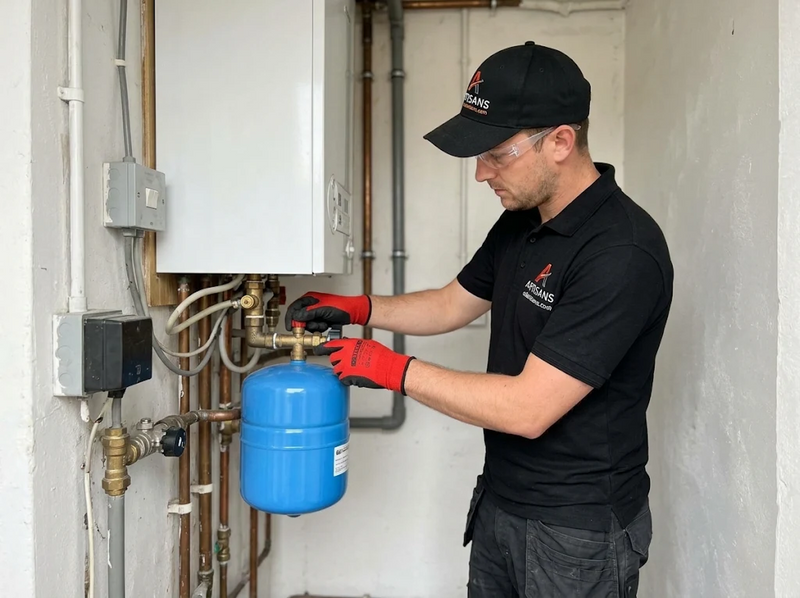
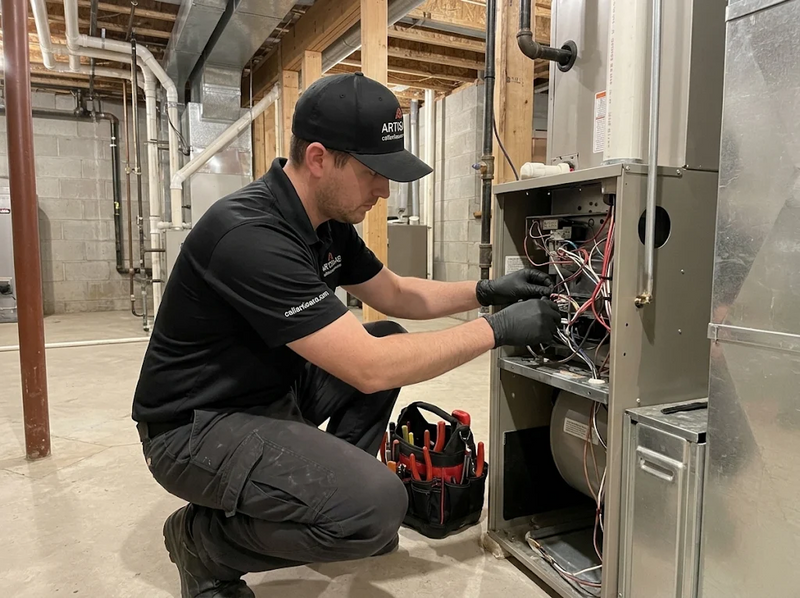
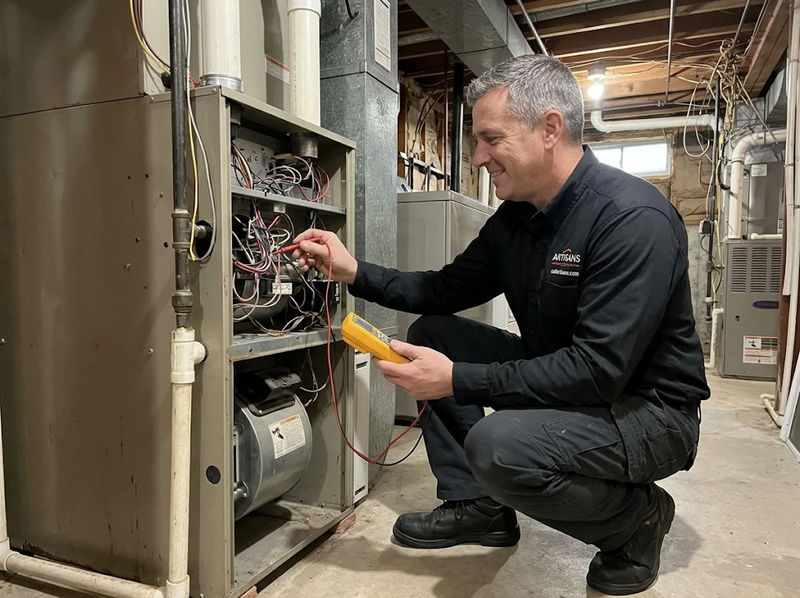
Carrier Furnace Installation Technician in Walnutport Pennsylvania
If heating systems are the wrong size, inadequately checked, or improperly installed, they can suddenly turn from a comforting appliance into a serious safety hazard resulting in fires or dangerous gas leaks. Regardless of whether you are swapping out an failing unit in a historic property or equipping a newly built home, this comprehensive guide explores all vital steps of the HVAC setup process so you know exactly what to expect.
1. Fixing vs. Replacing: Making the Smart Choice
Prior to scheduling a comprehensive system replacement, it is essential to determine whether your current unit truly needs replacing. Heating systems do not operate indefinitely, but identifying the exact right time to replace can keep money in your pocket in costly fixes and power loss.
You should plan for a new heating unit if you observe the following indicators:
- System Lifespan: The standard, reliable lifespan of a home heating system is typically fifteen to twenty years. If your unit falls within or is past this range, its internal mechanical components and heat exchangers are certainly wearing out.
- Higher Power Bills: If your utility costs are steadily rising despite normal use, your furnace is becoming highly inefficient and straining to keep your home warm.
- Constant Repairs: When the added price of multiple fixes on an old, inefficient unit begins to come close to the cost of a new system, replacement is the most economical decision.
- Dangerous Warning Signs: Gas scents, loud clanking sounds, and any suspicion of a carbon monoxide issue means you should shut the system off and call a tech. Safety issues often require an immediate replacement to avoid carbon monoxide poisoning.
2. Picking the Best HVAC Unit for Your Property
Furnaces vary wildly in quality. Today’s climate control tech has advanced significantly, offering consumers massive influence over their living space temperature and energy consumption.
Understanding AFUE Ratings
Heating efficiency is measured by the Annual Fuel Utilization Efficiency rating. A better AFUE score means that more of the raw fuel your heating unit burns is turned into usable heat for your living space rather than venting outside.
- Lower Energy Bills: Top-tier heating units burn less gas to heat the home. This translates to massive money saved over the life of the furnace, which is especially noticeable in areas that endure long freezing seasons.
- Going Green: Selecting a high-efficiency furnace with a top-tier AFUE rating typically emits far less carbon, resulting in a smaller household carbon footprint and helping broader environmental sustainability.
Best Heating Manufacturers for the Current Year
When planning a furnace installation, selecting a reliable manufacturer is paramount. Based on recent market performance and durability, here are some of the highly recommended systems:
3. Before the Install: Setting the Stage
A perfect HVAC setup begins weeks before the furnace is delivered. Getting ready guarantees the installation happens without a hitch and that the new system operates at peak performance from the very start.
Sizing and Location Strategy
Load calculation is arguably the most essential factor in home furnace installation. A furnace that is undersized will run constantly without properly heating your home, while a unit that is oversized will turn on and off constantly, ruining efficiency, bad air quality, and early system failure.
You must also decide on the absolute best location for the new unit to guarantee ventilation. Usually, furnaces are securely installed in a basement, HVAC room, or attic space. When choosing the area, consider the proximity to existing gas lines, power sources, and your home’s main air ducts. The zone must be entirely free of clutter and obstructions to guarantee sufficient clearance for repairs and to prevent fire hazards.
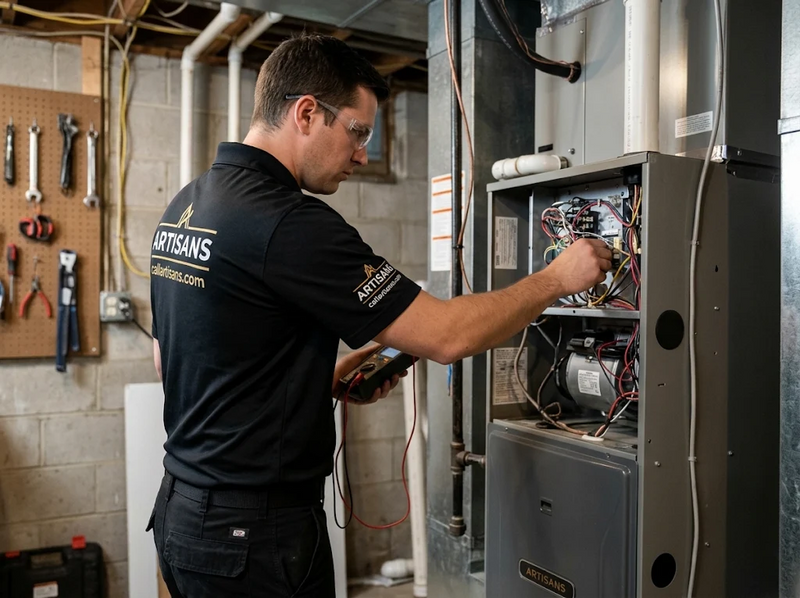
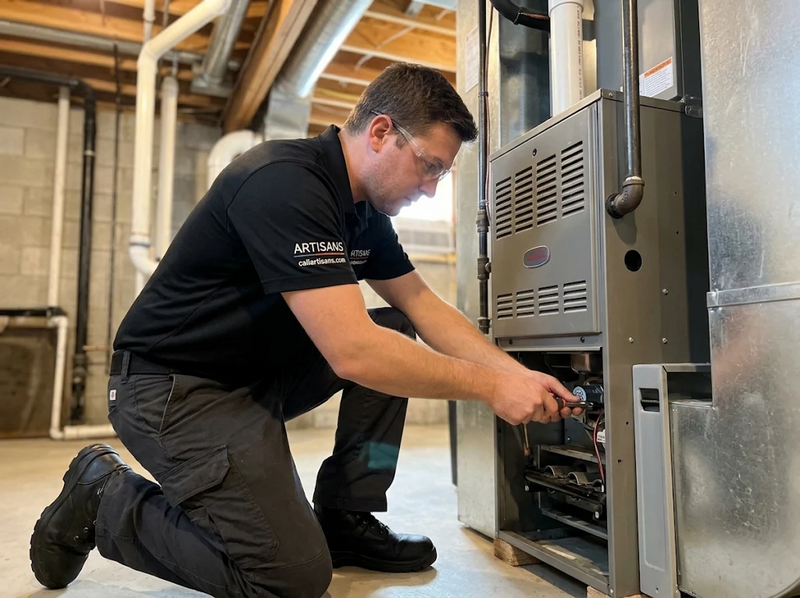
Carrier Furnace Installation Technician in Walnutport Pennsylvania 18088
Electrical Requirements
Most modern furnaces require a standalone power line that is isolated from your home’s appliances. Prior to hooking it up, an HVAC technician or contractor must check that your electrical panel and outlets are modernized and in safe shape.
- Vintage Property Rules: Putting a smart furnace in an historic house often demands new electrical lines to prevent brownouts. Bad breakers can short out that may instantly fry a modern heater’s sensitive electronic control board.
Permits and Legalities
Ignoring city permits can cause hefty tickets or headaches when it is time to move. A must-do task is to acquire all necessary local permits ahead of the job. Sticking to county regulations, brand guidelines, and overarching safety standards like the national building codes protects homeowners and ensures the legal and safe operation of the HVAC equipment.
4. The Step-by-Step HVAC Setup Walkthrough
Knowing what takes place on installation day empowers homeowners to ask the right questions and ensure their chosen contractors are doing things by the book.
Step 1: Removal Phase
The initial phase is safely disconnecting and trashing the outdated unit. Installers must double check that all power feeds and gas lines are locked out before touching the equipment. The HVAC crew will then sweep the floor, removing old metal components and trash to make a flat surface for the incoming unit.
Step 2: Setting the Furnace
Once the area is cleared, the heating unit is moved into its designated location. The installation team will shim the unit to ensure the furnace is perfectly balanced—which is structurally required for proper condensation drainage and mechanical operation—and ensure it isn’t touching the walls.
Step 3: Connecting the Infrastructure
This crucial part plumbs the new unit to your house’s infrastructure:
- Air Ducts: Technicians will attach the plenums, working carefully to tape and mastic the joints to stop draftiness and maximize overall heating efficiency.
- Flue Pipes: Gluing and routing flues or exhaust pipes is non-negotiable to stop a leak of carbon monoxide inside the living space. The system must securely vent all fumes into the outdoor air.
- Power and Fuel: The electrician will establish secure electrical connections with proper grounding and connect the flex gas line using secure, tightly threaded fittings.
Step 4: Smart Thermostat Setup
The concluding phase is programming the home’s thermostat. Technicians will connect the R, W, and C wires, sync it with the furnace’s internal control board, and adjust the initial baseline settings for optimal efficiency and perfect temperatures.
5. Strict Safety Checks and System Testing
The work is not done when the wiring is done. Rigorous safety testing is what makes the difference between a hack and a pro.
Leak Detection and Prevention
Sniffing for gas is the number one final test. Installers will spray liquid leak detector to verify that absolutely no gas is escaping from the new joints. They will also run a combustion analysis to ensure the space is adequately ventilated and the flue is drawing air correctly.
Life-Safety Devices
Because carbon monoxide is an odorless, colorless, and potentially deadly gas, installing or actively verifying the presence of CO alarms is an important final step. If you are installing a furnace in an older home, updating these detectors simultaneously with your heating system is highly recommended.
Initial Burn-In
Prior to packing up the van, the technician will turn on the heat to guarantee there are no operational problems or shaking. They will measure the heat at the registers and ensure the blower is powerful enough, verifying that the home heats evenly and efficiently across all rooms. Post-installation inspections by qualified professionals act as the final verification that all safety measures are correctly implemented.
6. Long-Term Maintenance for Peak Performance
A great setup is just the beginning, but ongoing, diligent maintenance determines how long it will last. Ignoring maintenance will ruin the expensive energy efficiency gains you just purchased.
- Change the Air Filter: A filthy filter severely restrict airflow, causing overheating and consume more energy while ruining the air you breathe. You should replace your air filters monthly during winter, depending on dust levels, pet presence, and the MERV rating of the filter.
- Fix Drafts: Adding attic insulation, free of window drafts, and that all accessible ductwork in attics or basements is taped up makes life easier on your HVAC unit.
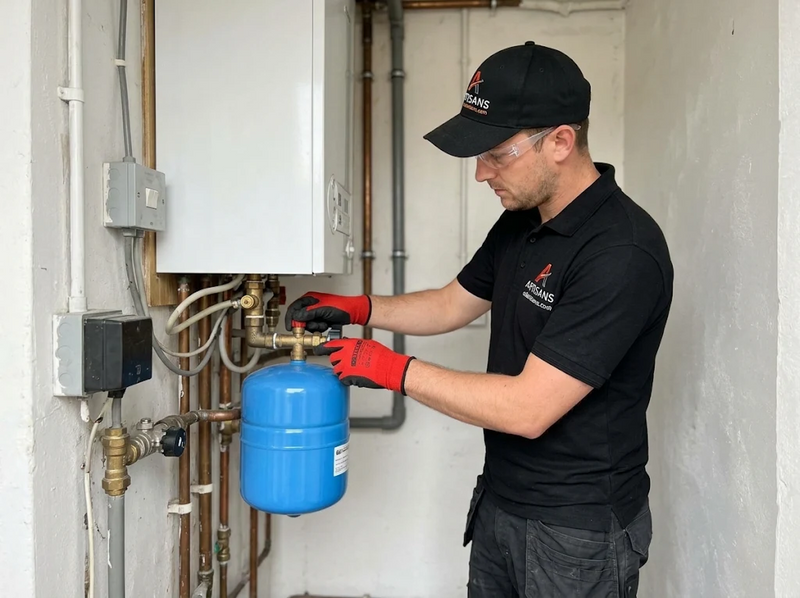
- Yearly Tune-Ups: Never wait for an emergency to call a professional. Hire a local expert to clean the system once a year. These maintenance visits identify bad parts and failing flame sensors before they leave you freezing in the middle of the night.
Customer education is the last step in the process. A great technician will teach you about the furnace, how to operate the thermostat, and simple troubleshooting tips. By investing in a high-quality unit, hiring a licensed contractor, and changing filters regularly, you ensure your home remains a cozy, protected environment for many years.
For a Carrier Furnace Installation Technician in Walnutport 18088, you can count on Artisans. We’re available 24/7 for all your Carrier Furnace Installation Technician needs: (484) 901-5900