The Ultimate Guide to Heat Pump Repair: Troubleshooting, Maintenance, and Expert Solutions
Modern heat pumps represent an incredible advancement in residential heating and cooling, delivering winter warmth and summer cooling using a single appliance. Instead of burning fossil fuels to create heat, they utilize advanced refrigeration principles to simply transfer heat from one place to another. Since these units handle both cooling and heating duties, they run year-round and endure significantly more wear and tear than traditional standalone HVAC systems.
When a heat pump starts underperforming, making strange noises, or causing your energy bills to skyrocket, ignoring the problem will inevitably lead to a catastrophic total system failure. If you need immediate emergency assistance from a 24 hour heat pump repair expert or simply want to diagnose a minor glitch, this detailed article covers all aspects of fixing and maintaining your unit. This guide explores how the system works, safe at-home fixes, when to hire an expert, and proper long-term maintenance strategies.
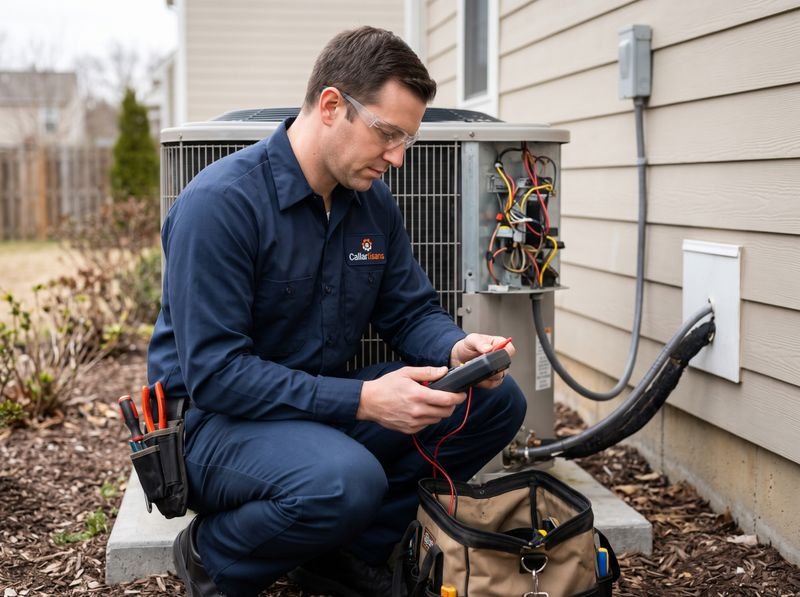
Carrier Heat Pump Repair Technician in New Tripoli Pennsylvania
Understanding Your Heat Pump: How It Actually Works
To effectively diagnose issues, you first need to know how the system operates. Fundamentally, these units rely on a continuous loop of pressurized refrigerant. It consists of an outdoor unit (containing the compressor and condenser coil) and an indoor air handler (containing the evaporator coil and blower motor).
During warmer months, the unit functions just like a standard AC, absorbing heat from the air inside your home and dumping it outside. In the winter, a brilliant component called the reversing valve shifts the flow of the pressurized refrigerant. The system then extracts ambient heat energy from the outside air—which is possible even when temperatures feel freezing cold to the human touch—and pushes that energy inside.
Efficient operation requires perfect harmony between electronics, chemical refrigerant, and airflow. When any one of these factors is compromised, the system’s efficiency plummets, leading to poor performance, frozen coils, or total mechanical shutdown. Knowing this balance helps you spot exactly what is going wrong.
7 Symptoms of a Failing Heat Pump
These complex systems rarely fail without giving you a few hints first. Catching these red flags early can prevent massive discomfort and expensive emergency bills.
1. Blowing Lukewarm Air
The most obvious sign of trouble is a system that runs constantly but only blows lukewarm air in the summer or cool air in the winter. This frequently points to a refrigerant leak, a stuck reversing valve, or a severely clogged air filter restricting the blower.
2. High Electricity Bills
Homeowners love these units for their low operational costs. If your utility bills suddenly spike without a corresponding extreme shift in the weather, your heat pump is likely working overtime to compensate for a failing internal component, severe duct leakage, or heavily soiled outdoor coils that cannot properly disperse heat.
3. Ice Buildup on the Outdoor Cabinet
While a light layer of winter frost on the outdoor unit is completely normal, a thick, solid casing of ice is a major red flag. Heat pumps feature a built-in “defrost cycle” that periodically switches the system briefly into cooling mode, sending hot refrigerant outside to melt accumulated frost. If the unit remains frozen, you are likely dealing with a faulty defrost control board, a bad temperature sensor, or severely restricted airflow.
4. Short Cycling Times
A healthy heat pump operates in steady, consistent cycles lasting 10 to 20 minutes. If the unit powers up and immediately shuts back down, it is experiencing short cycling. This places immense mechanical stress on the compressor. If you own a specific brand, calling a Lennox heat pump repair technician can ensure the pressure imbalances and thermostat issues are calibrated precisely to factory standards.
5. Strange, Alarming Noises
These appliances should run quietly in the background. If you hear loud grinding, shrieking, or rattling, shut the system down immediately at the thermostat. Grinding often indicates failing motor bearings, rattling suggests loose hardware or debris inside the fan housing, and a hissing noise is the classic symptom of a high-pressure refrigerant leak.
6. Strange Smells from the Ductwork
A healthy HVAC system should never introduce strange smells into your living space. Chemical smells usually mean a freon leak. Burnt plastic smells indicate electrical fires, while musty odors point to mildew on the indoor coils.
7. Unresponsive System or Tripped Breakers
A completely dead unit or a frequently tripping breaker usually points to a burnt capacitor, a short circuit, or a locked-up compressor.
Before You Call a Pro: Basic Diagnostics
Don’t rush to call a technician just yet; try these basic checks first. Often, what appears to be a major mechanical failure is actually a minor operational oversight.
- Inspect Your Controls: Your wall control governs everything. Ensure it is set to the correct mode (heating or cooling) and that the temperature is actually set higher or lower than the current room temperature. Swap the batteries if the display is dead. Also, verify you haven’t accidentally engaged the “Emergency Heat” setting, which bypasses the heat pump and relies purely on highly inefficient, expensive backup electrical strips.
- Inspect and Replace the Air Filter: Dirty filters kill HVAC systems faster than anything else. Without air, coils freeze, motors overheat, and energy is wasted. Check your filter by holding it up to a light source; if you cannot see light passing through it, it must be replaced. Keep a strict schedule of replacing these every one to three months.
- Remove Outdoor Debris: The outdoor compressor requires massive amounts of air to breathe. Brush away leaves, dirt, and snow from the metal grilles. Ensure there is a minimum of two feet of clear, unobstructed space on all sides of the outdoor cabinet.
- Look at the Breakers: For a totally unresponsive unit, flip the breaker in your garage or basement. Also check the grey metal disconnect box mounted on the exterior siding.
- Ensure Unobstructed Indoor Airflow: Never close your air registers to save money. These systems are mathematically designed to circulate a specific amount of air. Restricting airflow creates backpressure, destroys blower motors, and freezes indoor coils.
When to Call a Professional: Knowing Your Limits
While basic visual maintenance and filter changes are a homeowner’s responsibility, a heat pump is a complex, high-voltage appliance that utilizes hazardous chemicals under extreme pressure. Some jobs mandate the expertise of a highly trained professional.
- Refrigerant Leaks and Recharging: Only EPA-certified pros can legally handle HVAC chemicals. If your system is low on refrigerant, simply “topping it off” is not a legitimate solution—the leak still exists. A certified Goodman heat pump repair specialist must use advanced electronic leak-detection equipment to locate the microscopic holes in the copper lines, braze them shut, pressure-test the system with nitrogen, and then recharge it with the exact factory-specified weight of refrigerant.
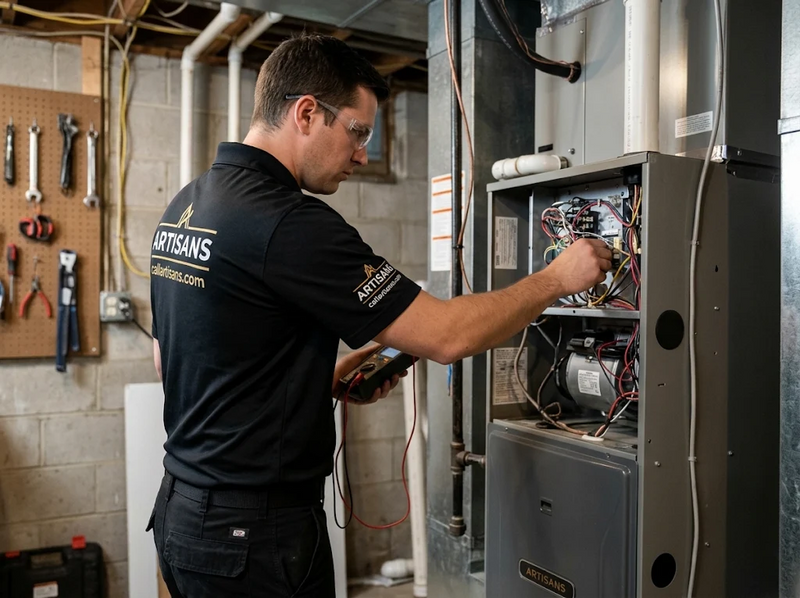
- Electrical Diagnostics: If your heat pump is experiencing blown fuses, failing capacitors, burnt contactors, or malfunctioning circuit boards, step away. For midnight electrical failures, hire a 24 hour heat pump repair technician who has the proper multimeters and knowledge to safely navigate 240-volt circuits.
- Replacing the Compressor: The compressor is the most vital and expensive element of the machine. Swapping them out requires heavy welding, vacuum pumps, and specialized recovery tanks. For example, if you have a Carrier system, bringing in a Carrier heat pump repair expert ensures the warranty remains intact during the process. Likewise, for other premium units, an Lennox heat pump repair technician will know exactly how to execute the high-temperature welding required without damaging surrounding components.
- Defrost System Failures: Fixing a broken defrost cycle involves testing thermistors and computer boards. HVAC techs can bypass the system manually to find exactly which sensor has failed.
The Steps of Expert Heat Pump Repair
When you hire a top-tier technician—look for industry credentials like NATE (North American Technician Excellence) certification—you aren’t just paying for a quick fix; you are investing in a comprehensive, step-by-step diagnostic process.
Step 1: Initial Assessment & Visual Inspection
Your tech will ask you about the strange noises or temperature fluctuations you’ve seen. They will then perform a thorough visual inspection of both the indoor and outdoor units, looking for obvious signs of physical damage, wear, oil stains (which strongly indicate refrigerant leaks), and wire scorching.
Step 2: Deep Diagnostic Probing
The pro will break out the heavy-duty diagnostic gear. Gauges are connected to check freon levels. Electrical meters ensure the voltage is correct. Finally, they will test the operational airflow by measuring the temperature differential and inspecting the blower motor.
Step 3: Isolating the Failure
Because these systems are so complex, one symptom often stems from a totally different component. For example, a frozen indoor coil might look like a refrigerant leak to a layman, but a skilled technician will realize it is actually being caused by a failing blower motor that isn’t moving enough air across the coil. This meticulous deduction prevents the unnecessary replacement of expensive parts.
Step 4: Executing the Repair
After the diagnosis is complete, the broken parts are swapped out. If a refrigerant leak was found, it is welded and the system is properly recharged. The technician will also clean the coils and clear out any debris that may have contributed to the failure.
Carrier Heat Pump Repair Technician in New Tripoli Pennsylvania 18066
Step 5: System Testing and Final Walkthrough
After the repair is complete, the technician will run the heat pump through a complete heating, cooling, and defrost cycle to observe real-world performance. They ensure everything is safe, explain the bill, and hand you the paperwork.
Long-Term Upkeep for Your HVAC System
The most cost-effective repair is the one you never have to make. Implementing a proactive maintenance strategy will keep your heat pump running efficiently for its expected 15-to-20-year lifespan.
Embrace the “Set and Forget” Philosophy: Heat pumps operate most efficiently when they are allowed to maintain a steady, even temperature. Fiddling with the dial forces the unit to work too hard and turns on expensive auxiliary heat. Find a comfortable temperature and leave it there. Always use the “AUTO” fan setting for best results.
Schedule Annual Professional Tune-Ups: Just like a car, your HVAC needs an annual tune-up. Have a certified tech look at it once or twice a year, preferably right before extreme summer or winter weather hits. During these visits, technicians will chemically clean the sensitive coils, calibrate the thermostat, lubricate moving parts, and catch minor wear-and-tear before it cascades into a major breakdown.
Check the Water Drain Line: In cooling mode, heat pumps extract gallons of humidity from your home’s air. This water drips into a pan and flows outside through a PVC drain line. If that pipe clogs with slime, the water backs up, floods your floors, and destroys circuit boards. Check the pipe outside occasionally to ensure water is flowing out.
Wrapping Up
A heat pump is a massive, vital investment in your home’s comfort and long-term energy efficiency. Armed with this knowledge, you can extend the life of your comfort system significantly. While simple homeowner habits like changing filters and clearing outdoor debris can prevent the vast majority of common issues, recognizing the stark warning signs of serious mechanical or electrical failure is equally critical.
When grinding noises, rapid ice buildups, or refrigerant leaks strike, do not hesitate to call a certified HVAC expert. If you have specific equipment, leveraging a Trane heat pump repair professional ensures it is repaired to factory specifications. Timely, professional repairs combined with diligent annual maintenance will ensure your heat pump delivers uninterrupted, whisper-quiet comfort through every season for decades to come.
For Carrier Heat Pump Repair Technician in New Tripoli 18066, you can count on CallArtisans. We’re available 24/7 for all your Carrier Heat Pump Repair Technician needs: (484) 901-5900