A Comprehensive Homeowner Guide to Furnace Installation in the Modern Era
Purchasing a modern heating system is one of the most crucial enhancements you can make to your home’s temperature control, safety, and utility savings. Yet, a flawless setup procedure is vital compared to the tier of the equipment itself. Following professional standards during installation enhances system performance, slashes long-term running costs, and keeps your household entirely safe from dangerous situations like gas leaks.
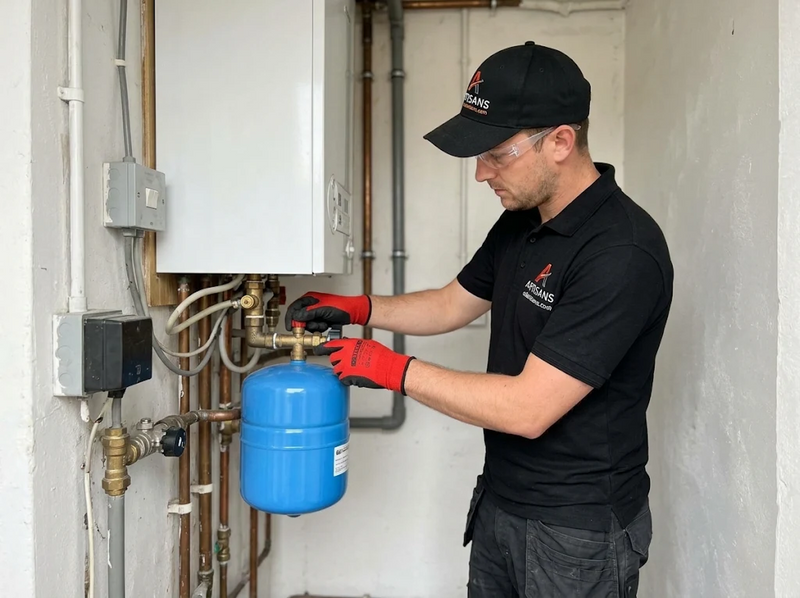
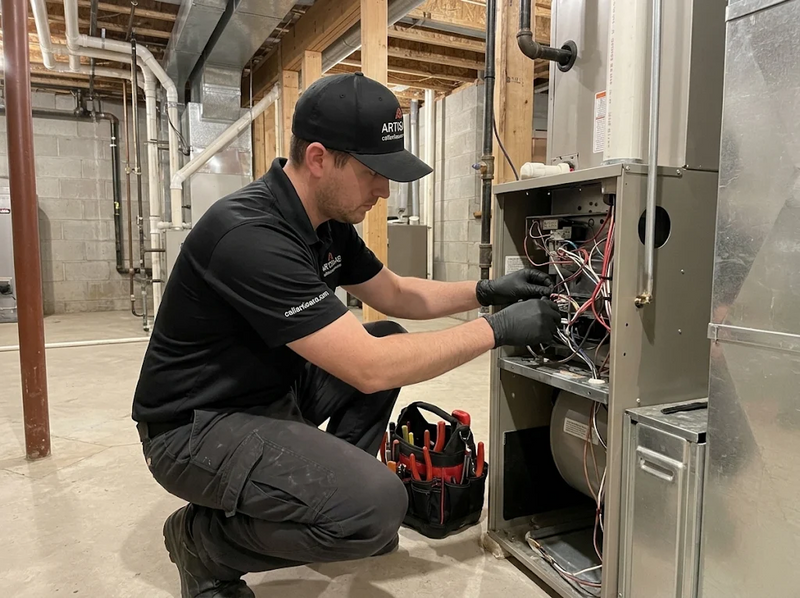
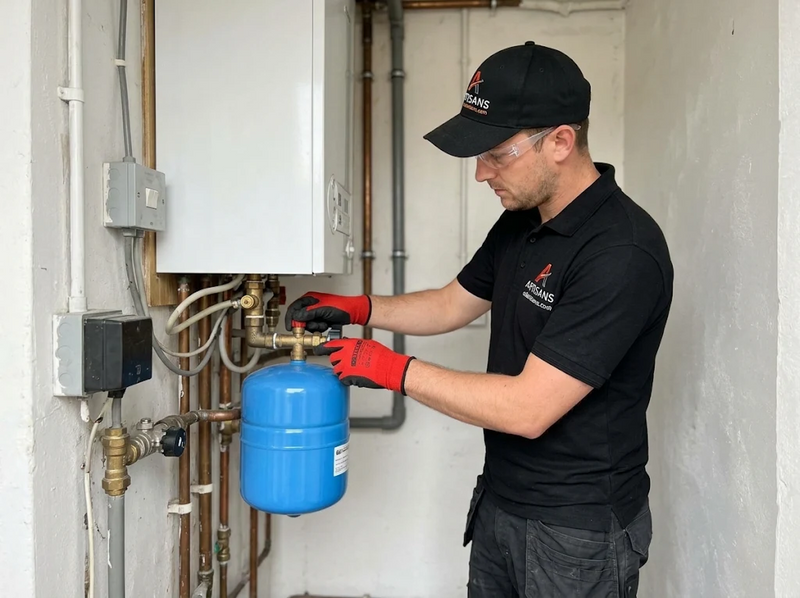
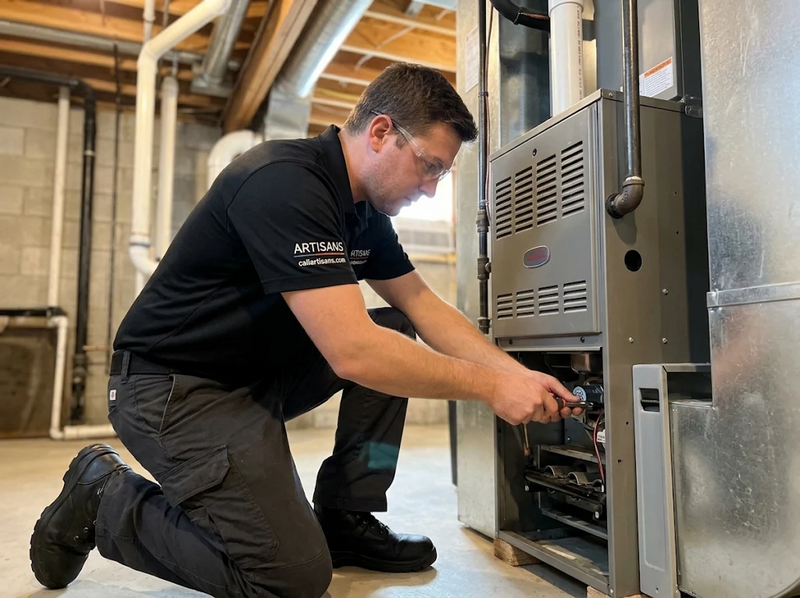
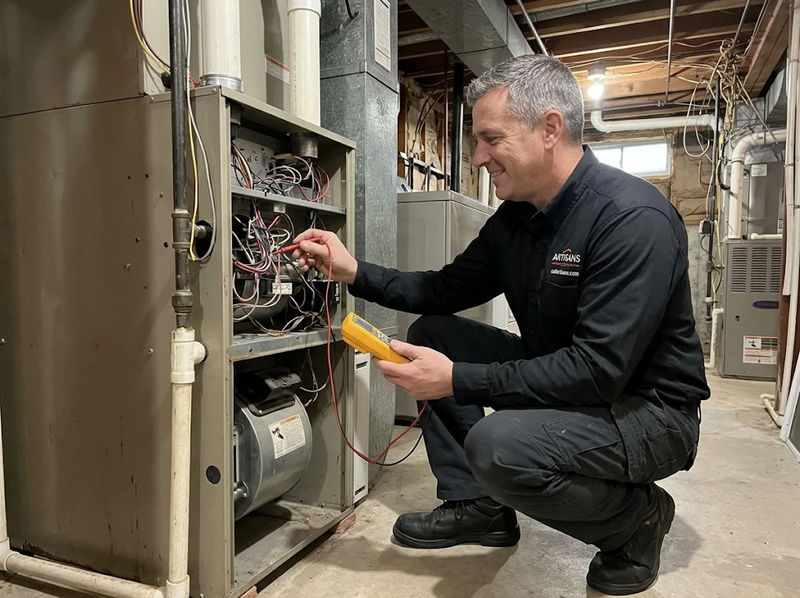
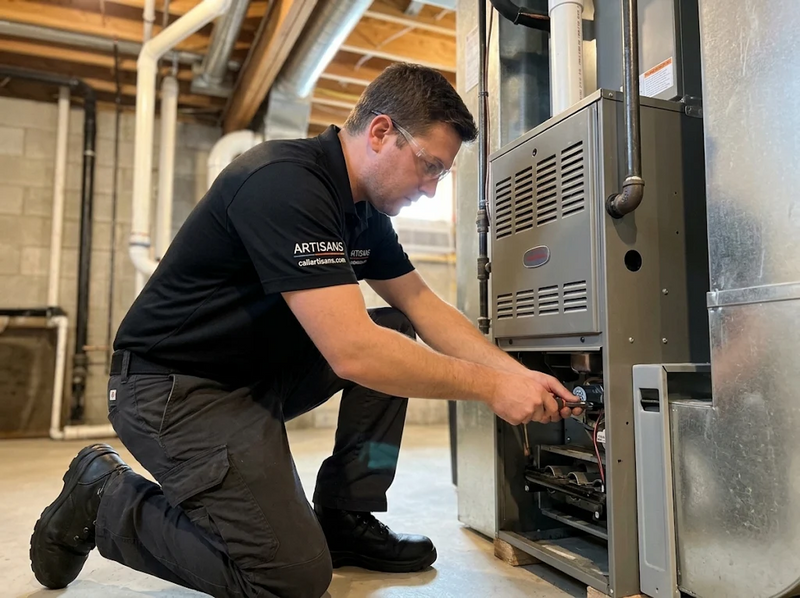
Lennox Furnace Installation Contractor in Flemington New Jersey
If HVAC units are the wrong size, poorly inspected, or installed incorrectly, they can rapidly transform from a comforting appliance into a serious safety hazard involving electrical fires or fatal carbon monoxide leaks. Whether you are upgrading an failing unit in a vintage home or outfitting a brand-new build, this detailed article breaks down each important stage of the heating replacement journey so you know exactly what to expect.
1. Fixing vs. Replacing: Making the Right Call
Prior to scheduling a complete furnace installation, it is crucial to assess whether your old system actually requires replacement. Heating systems do not operate indefinitely, but identifying the ideal timeframe to replace can prevent financial strain in emergency repairs and inflated utility bills.
You should think about a full furnace replacement if you experience the following warning signs:
- System Lifespan: The average life expectancy of a residential furnace is generally fifteen to twenty years. If your unit falls within or exceeds this range, its moving parts and heating elements are certainly wearing out.
- Higher Power Bills: If your gas or electric bills are steadily rising despite keeping the thermostat the same, your furnace is losing its baseline efficiency and working twice as hard to produce the exact same amount of heat.
- Constant Repairs: When the total expense of repeated emergency repairs on an aging furnace begins to come close to the investment of a new unit, replacement is the most financially sound choice.
- Dangerous Warning Signs: Foul odors, persistent rattling or banging noises, and worries about a gas leak means you should immediately call a licensed professional. Safety issues often demand an urgent swap to stop deadly accidents.
2. Picking the Best HVAC Unit for Your House
Furnaces vary wildly in quality. Today’s climate control tech has improved drastically, offering homeowners total command over their indoor climate and energy consumption.
Decoding Efficiency Ratings
Heating efficiency is measured by the AFUE rating. A higher AFUE percentage means that a larger portion of the gas or electric your furnace consumes is successfully converted into usable heat for your living space rather than being wasted up the chimney.
- Cheaper Heating: High-efficiency furnaces burn less gas to keep you warm. This leads to massive money saved over the life of the furnace, which is especially noticeable in states that experience long freezing seasons.
- Going Green: Choosing a high-efficiency furnace with a 90+ AFUE score lowers pollution, creating a more eco-friendly household and promoting broader environmental sustainability.
Best Heating Manufacturers for the Current Year
During the buying process, selecting a reliable manufacturer is vital. Based on recent market performance and lifespan estimates, here are some of the top-rated options:
3. Pre-Installation: Preparing Your Home
A smooth installation day begins long before the equipment arrives in your driveway. Getting ready guarantees the installation proceeds safely and that the new system runs perfectly from the first time you turn it on.
Measuring for the Unit
Proper sizing is the most vital step in home furnace installation. A unit that is undersized will never shut off without properly heating your home, while a system that is oversized will short-cycle, causing hot and cold spots, poor humidity control, and premature mechanical wear.
You must also decide on the absolute best location for the new unit to guarantee ventilation. Most often, furnaces are housed inside a basement, dedicated utility closet, or attic space. When selecting the spot, think about how close it is to fuel pipes, power sources, and your home’s main air ducts. The area must be totally clean and obstructions to allow enough room for maintenance calls and to prevent fire hazards.
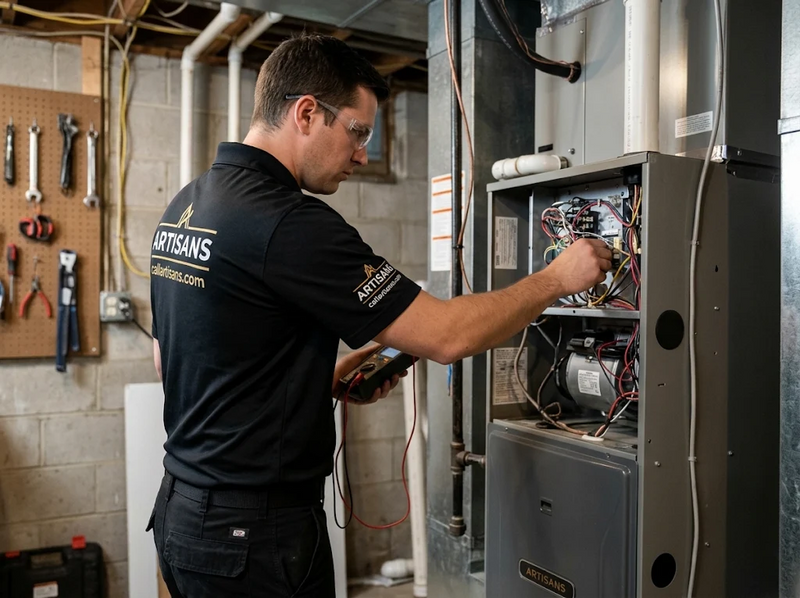
Lennox Furnace Installation Contractor in Flemington New Jersey 08822
Powering the Furnace
Current heating units require a separate breaker that is isolated from your home’s lighting circuits. Prior to hooking it up, an HVAC technician or electrician must check that your electrical panel and outlets are modernized and in perfect working order.
- Considerations for Older Homes: Putting a smart furnace in an aging home often demands upgraded wiring to give it the juice it needs. Outdated systems can cause potential power surges that may destroy a modern heater’s motherboard.
Navigating Permits and Local Building Codes
Ignoring city permits can cause hefty tickets or legal complications when it comes time to sell your home. A critical preliminary step is to pull the right permits ahead of the home furnace installation. Sticking to local building codes, brand guidelines, and overarching safety standards like the NFPA and IRC protects homeowners and guarantees the legality of the HVAC equipment.
4. The Complete HVAC Setup Walkthrough
Knowing what takes place on setup day empowers homeowners to stay informed and make sure the HVAC techs are doing things by the book.
Step 1: Tearing Out the Old Unit
The beginning of the job requires unhooking and hauling away the outdated unit. The crew must double check that all electrical lines and gas lines are locked out before starting the demo. The HVAC crew will then clear the space, taking out scrap metal and debris to create a pristine, level footprint for the incoming unit.
Step 2: Placement
Once the area is cleared, the new furnace is carried into place. The techs will shim the unit to make sure it sits flat—which is structurally required for water draining and motor health—and verify it meets all manufacturer-required spatial clearances.
Step 3: Hooking Everything Up
This crucial part wires the new unit to your ducts and pipes:
- Air Ducts: Technicians will attach the plenums, making sure to seal out air to prevent whistling and ensure maximum airflow.
- Flue Pipes: Correctly sizing and placing flues or exhaust pipes is mandatory to avoid the trapping of carbon monoxide inside the home. The system must push all exhaust gases safely outside the home.
- Gas and Electrical Lines: The team will wire the high voltage with absolutely no exposed wires and pipe the black iron gas line using secure, tightly threaded fittings.
Step 4: Smart Thermostat Setup
The final mechanical step is programming the smart thermostat. Technicians will wire the thermostat correctly, pair it to the system motherboard, and adjust the initial baseline settings for optimal efficiency and customized comfort.
5. Post-Install Safety Testing and System Testing
The job is not done when the wiring is done. Extreme safety checks is what separates amateur handymen from professional, certified HVAC technicians.
Fuel Safety
Testing for leaks is the most critical final test. Technicians will utilize specialized gas detectors to make sure zero gas is leaking from the threaded fittings. They will also conduct thorough carbon monoxide testing to ensure the space is adequately ventilated and the flue is drawing air correctly.
Life-Safety Devices
Because carbon monoxide is an odorless, colorless, and potentially deadly gas, installing or actively verifying the presence of CO alarms is an essential extra safety layer. If you are installing a furnace in an older home, updating these detectors simultaneously with your heating system is strongly advised.
Firing It Up
Prior to packing up the van, the lead installer will cycle the system to listen for weird noises or shaking. They will measure the system’s ambient heating output and verify static pressure, making sure every room gets warm. Final walk-throughs by the city inspector or lead tech act as the final verification that all protocols were followed.
6. Keeping It Running Forever
A successful furnace installation creates the foundation, but annual tune-ups determines how long it will last. Neglecting your new system will quickly reverse the high AFUE ratings you paid for.
- Keep Filters Clean: Clogged or dirty air filters block the air, making the system overwork and spike your bills while pumping dust into your house. You should replace your air filters every 30 to 90 days, heavily depending on your household’s usage, pet presence, and the specific filter type.
- Improve Home Envelope: Adding attic insulation, caulking windows, and that all accessible ductwork in attics or basements is taped up makes life easier on your HVAC unit.
- Call a Pro Once a Year: Never wait for an emergency to hire an HVAC company. Hire a local expert to thoroughly inspect the furnace annually. These maintenance visits catch minor leaks and clogged drains before they escalate into expensive emergency service calls.
Knowing your system is the cherry on top. A true professional will show you the ropes, how to operate the thermostat, and simple troubleshooting tips. By investing in a high-quality unit, hiring a licensed contractor, and changing filters regularly, you make sure your property is a warm, safe, and highly efficient sanctuary for the foreseeable future.
For a Lennox Furnace Installation Contractor in Flemington 08822, you can count on Artisans. We’re available 24/7 for all your Lennox Furnace Installation Contractor needs: (484) 901-5900