A Comprehensive Homeowner Handbook on HVAC Installation in 2026
Upgrading to a state-of-the-art furnace is one of the most impactful enhancements you can make to your residence’s indoor climate, peace of mind, and power conservation. That being said, a top-notch installation process is as essential as the tier of the unit itself. Utilizing industry best practices during installation improves operational efficiency, lowers long-term running costs, and keeps your household entirely safe from dangerous situations like carbon monoxide buildup.
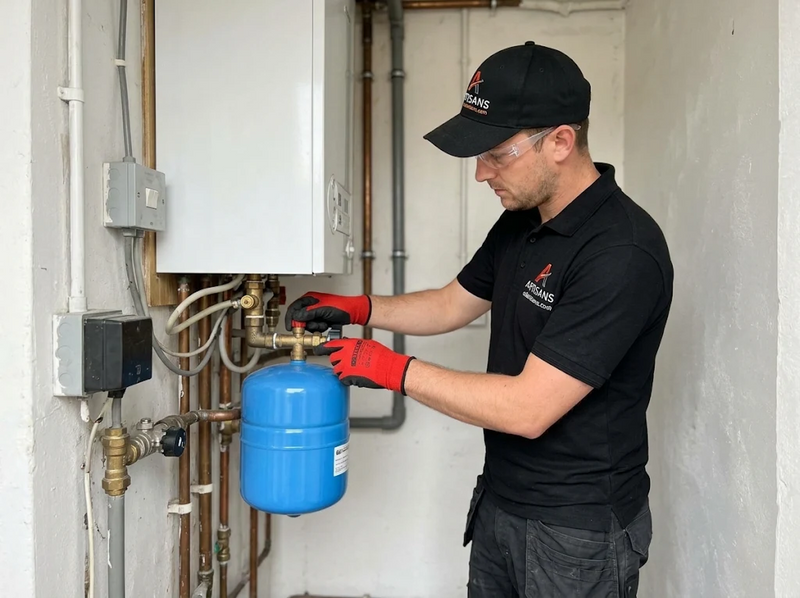
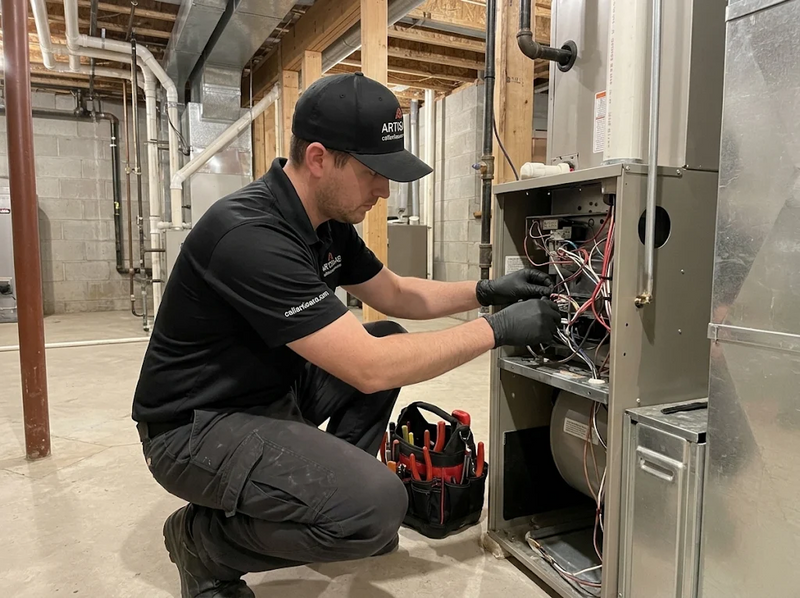
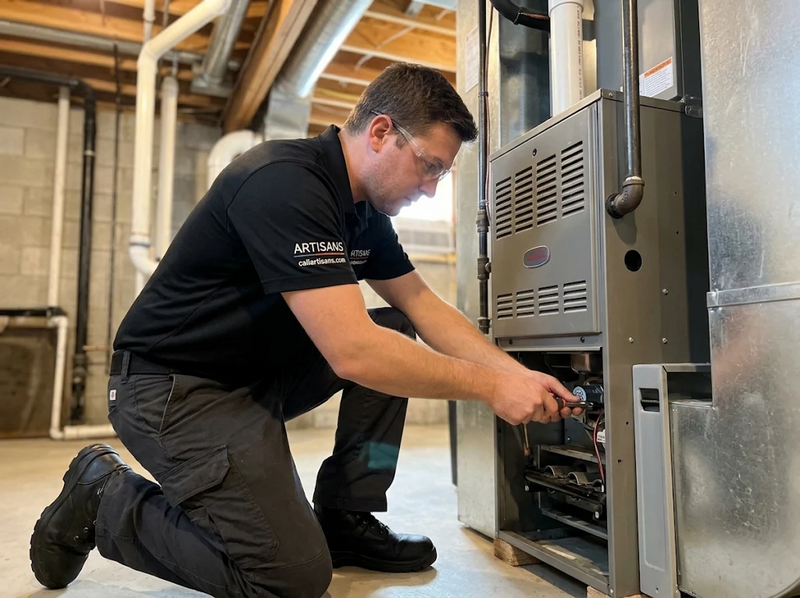
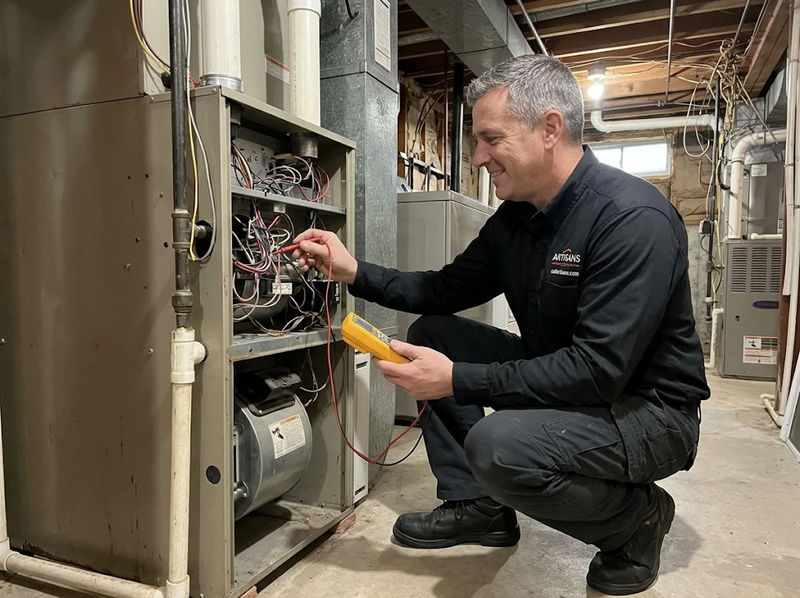
Carrier Furnace Installation Technician in Alpha New Jersey
Whenever HVAC units are the wrong size, poorly inspected, or installed incorrectly, they can rapidly turn from a reliable heat source into a massive danger involving fires or dangerous gas leaks. Whether you are upgrading an outdated system in a older house or outfitting a brand-new build, this in-depth post details all vital steps of the heating replacement journey so you know how the process works.
1. Should You Repair or Replace?: Making the Smart Choice
Prior to scheduling a full system replacement, it is essential to determine whether your old unit is at the end of its life. Heating systems do not last forever, but spotting the perfect moment to upgrade can keep money in your pocket in costly fixes and wasted energy.
You should plan for a full furnace replacement if you observe the following red flags:
- System Lifespan: The standard, reliable lifespan of a home heating system is generally fifteen to twenty years. If your system is in or exceeds this range, its internal mechanical components and heat exchangers are certainly wearing out.
- Rising Utility Costs: If your utility costs are creeping up despite consistent usage patterns, your furnace is losing its baseline efficiency and working twice as hard to generate the same temperature.
- Frequent Breakdowns: When the total expense of repeated emergency repairs on an outdated system begins to rival the investment of a new unit, replacement is the most logical step.
- Imminent Safety Hazards: Foul odors, unusual vibrations, and worries about a gas leak means you should shut the system off and call a tech. Safety issues often require an immediate replacement to stop deadly accidents.
2. Picking the Best HVAC Unit for Your House
Furnaces vary wildly in quality. Modern heating technology has leaped forward, offering property owners total command over their living space temperature and utility usage.
Understanding AFUE Ratings
Heating efficiency is calculated using the Annual Fuel Utilization Efficiency rating. A higher AFUE percentage means that more of the raw fuel your furnace consumes is turned into usable heat for your home rather than venting outside.
- Lower Energy Bills: High-efficiency furnaces fundamentally use less fuel to heat the home. This results in substantial financial savings over the life of the furnace, which is very obvious in states that suffer from extreme cold weather.
- Environmental Benefits: Choosing a high-efficiency furnace with a 90+ AFUE score lowers pollution, resulting in a smaller household carbon footprint and promoting a cleaner environment.
Leading HVAC Brands for the Current Year
During the buying process, choosing a trusted company is vital. Looking at consumer reviews and durability, here are some of the best choices:
3. Pre-Installation: Setting the Stage
A successful furnace installation begins long before the furnace shows up at your door. Proper preparation ensures that the installation proceeds safely and that the new system functions efficiently from day one.
Measuring for the Unit
Load calculation is incredibly important in home furnace installation. A unit that is undersized will never shut off without properly heating your home, while a system that is oversized will rapid cycle, leading to massive temperature fluctuations, poor humidity control, and premature mechanical wear.
You must also determine the absolute best location for the installation to guarantee ventilation. Typically, heating systems are securely installed in a cellar, dedicated utility closet, or attic space. When selecting the spot, think about how close it is to fuel pipes, electrical outlets, and your home’s core ductwork. The space must be entirely free of clutter and obstructions to guarantee sufficient clearance for maintenance calls and to stop dangerous accidents.
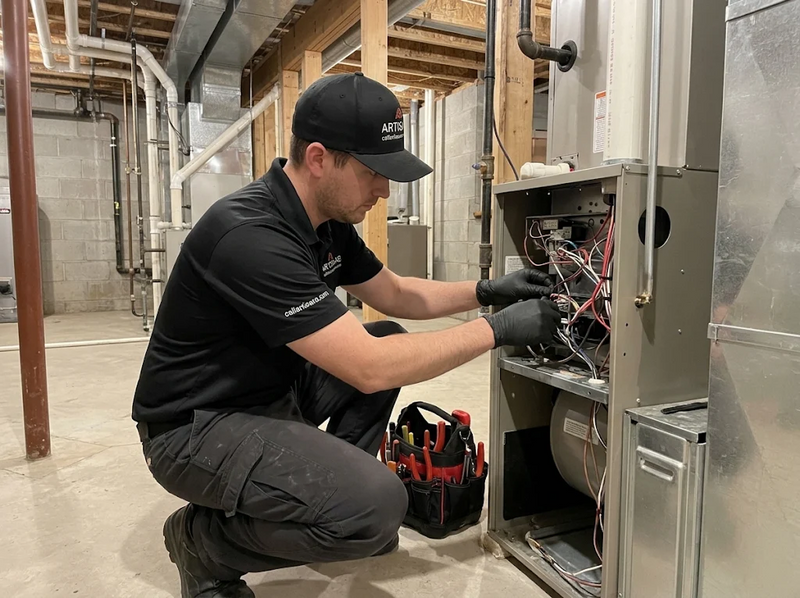
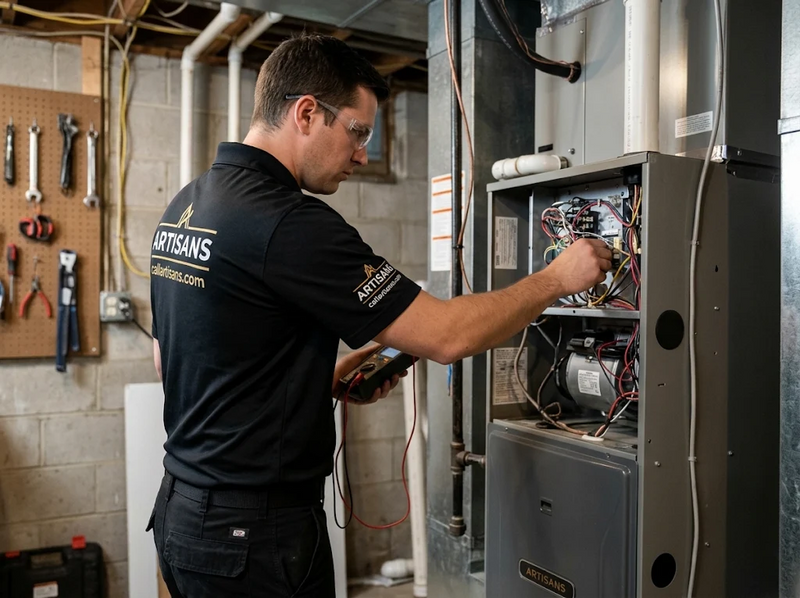
Carrier Furnace Installation Technician in Alpha New Jersey 08865
Electrical Requirements
Current heating units demand a dedicated electrical circuit that does not share power with your home’s other electrical systems. Prior to hooking it up, an HVAC technician or contractor must ensure your home’s wiring and outlets are modernized and in perfect working order.
- Vintage Property Rules: Installing a new, high-tech furnace in an historic house often necessitates panel upgrades to provide adequate, stable power. Bad breakers can cause potential power surges that may ruin a new furnace’s computer chips.
Dealing with City Codes
Bypassing the legal process can cause hefty tickets or headaches when it comes time to sell your home. A must-do task is to acquire all necessary local permits before starting the job. Sticking to county regulations, brand guidelines, and national safety rules like the NFPA and IRC protects homeowners and guarantees the legality of heating systems.
4. The Complete Installation Day Timeline
Understanding exactly what happens on setup day gives you confidence to stay informed and guarantee the installers are following strict industry best practices.
Step 1: Disconnection and Safe Removal
The beginning of the job involves cutting power to and removing the old furnace. Installers must double check that all breakers and fuel valves are safely shut off before starting the demo. The installation team will then sweep the floor, taking out scrap metal and debris to make a flat surface for the new furnace.
Step 2: Positioning the New Unit
After prep is done, the heating unit is set on the pad. The contractors will use a level to make sure it sits flat—which is absolutely necessary for moisture management and fan balance—and verify it meets all manufacturer-required spatial clearances.
Step 3: Making the Connections
This complex step plumbs the new unit to your ducts and pipes:
- Ductwork: Technicians will hook up the sheet metal, taking great care to properly seal the connections to prevent whistling and push all the air into the home.
- Exhaust and Ventilation: Perfectly installing flues or exhaust pipes is the most important step to stop a leak of carbon monoxide inside the living space. The furnace must push all fumes into the outdoor air.
- Power and Fuel: The electrician will establish secure electrical connections with safe conduits and attach the gas lines using leak-free joints.
Step 4: Wiring the Brain
The concluding phase is wiring up the home’s thermostat. The pros will hook up the low voltage wires, sync it with the furnace’s internal control board, and adjust the initial baseline settings for the best energy savings and perfect temperatures.
5. Strict Safety Checks and System Testing
The work is unfinished when the final bolt is tightened. Thorough QA is what guarantees a safe home.
Fuel Safety
Checking the gas pipe is the most important post-installation safety check. Technicians will spray liquid leak detector to verify that absolutely no gas is escaping from the newly established connections. They will also test the exhaust to make sure it vents properly and the exhaust system is functioning flawlessly under load.
CO Alarms
Since CO is a silent killer, putting up or testing CO alarms is an essential extra safety layer. If you are upgrading an old system, updating these detectors simultaneously with your heating system is strongly advised.
System Startup and Calibration
Prior to packing up the van, the technician will turn on the heat to guarantee there are no operational problems or shaking. They will measure the system’s ambient heating output and test for proper airflow, verifying that the home heats evenly and efficiently across all rooms. Post-installation inspections by qualified professionals guarantee all protocols were followed.
6. Furnace Maintenance Guide
A great setup sets the stage, but annual tune-ups is the key to longevity. Ignoring maintenance will quickly reverse the high AFUE ratings you paid for.
- Keep Filters Clean: A filthy filter severely restrict airflow, forcing the furnace to work harder and waste electricity and gas while ruining the air you breathe. You should aim to change your filters every 30 to 90 days, heavily depending on your household’s usage, how many dogs or cats you have, and the specific filter type.
- Fix Drafts: Keeping the cold out, free of window drafts, and that all accessible ductwork in attics or basements is taped up makes life easier on your new furnace.
- Yearly Tune-Ups: Don’t let it break down on Christmas to get it serviced. Hire a local expert to thoroughly inspect the furnace annually. These maintenance visits identify bad parts and failing flame sensors before they leave you freezing in the middle of the night.
Being an informed homeowner is the last step in the process. A top-tier installer will show you the ropes, when to change filters, and basic DIY fixes. By buying a good brand, prioritizing a code-compliant professional installation, and changing filters regularly, you guarantee your house will be a comfortable winter haven for many years.
For a Carrier Furnace Installation Technician in Alpha 08865, you can count on Artisans. We’re available 24/7 for all your Carrier Furnace Installation Technician needs: (484) 901-5900