The Essential Homeowner Guide to Furnace Installation in the Modern Era
Committing to a modern heating unit is one of the most important improvements you can make to your home’s overall comfort, peace of mind, and energy efficiency. But, a flawless installation process is just as critical as the quality of the unit itself. Utilizing strict guidelines during installation maximizes heating efficiency, reduces monthly utility bills, and protects your family from dangerous situations like carbon monoxide buildup.
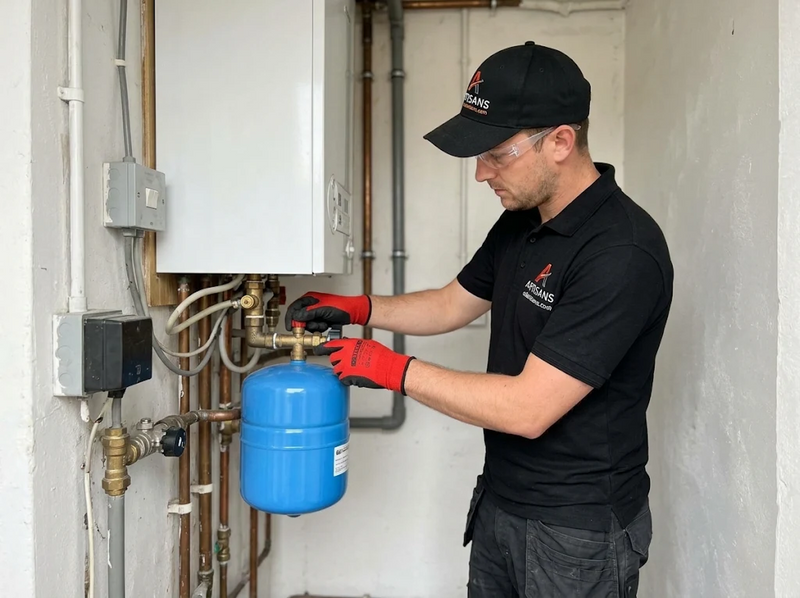
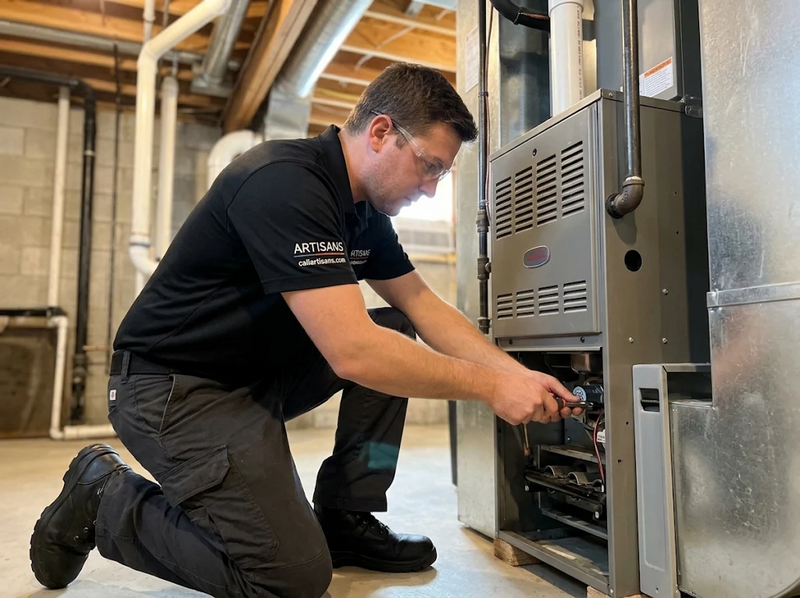
Trane Furnace Installation Contractor in Coopersburg Pennsylvania
Whenever heating systems are improperly measured, poorly inspected, or installed incorrectly, they can suddenly transform from a source of winter comfort into a severe threat leading to fires or fatal carbon monoxide leaks. Regardless of whether you are replacing an outdated unit in a vintage home or setting up a newly built home, this detailed article covers all vital steps of the HVAC setup process so you know how the process works.
1. Repair vs. Replacement: Making the Right Call
Before committing to a comprehensive system replacement, it is imperative to determine whether your old system actually requires replacement. Furnaces do not run eternally, but recognizing the exact right time to replace can save you thousands of dollars in emergency repairs and wasted energy.
You should think about a complete system overhaul if you spot the following indicators:
- Equipment Age: The standard, reliable lifespan of a home heating system is typically fifteen to twenty years. If your unit falls within or is past this range, its internal hardware and heat exchangers are certainly wearing out.
- Rising Utility Costs: If your utility costs are increasing rapidly despite normal use, your furnace is wasting energy and straining to generate the same temperature.
- Repeated Failures: When the cumulative cost of multiple fixes on an outdated system begins to approach or exceed the cost of a new system, replacement is the most financially sound choice.
- Imminent Safety Hazards: Foul odors, persistent rattling or banging noises, and worries about a gas leak means you should shut the system off and call a tech. Dangerous symptoms often dictate an immediate replacement to avoid carbon monoxide poisoning.
2. Picking the Best HVAC Unit for Your Property
Not all furnaces are created equal. Modern heating technology has improved drastically, offering consumers massive influence over their home environment and energy consumption.
What is an AFUE Rating?
Heating efficiency is calculated using the Annual Fuel Utilization Efficiency rating. A better AFUE score means that more of the raw fuel your heating unit burns is successfully converted into warm air for your home rather than venting outside.
- Lower Energy Bills: Top-tier heating units fundamentally use less fuel to heat the home. This results in great ROI over the life of the furnace, which is highly apparent in regions that suffer from harsh, prolonged winters.
- Going Green: Choosing a green heating system with a 90+ AFUE score lowers pollution, contributing to a smaller household carbon footprint and supporting global climate goals.
Top Furnace Brands for the Current Year
When planning a furnace installation, picking a good brand is essential. Looking at consumer reviews and durability, here are some of the highly recommended systems:
3. Preparation Phase: Setting the Stage
A smooth installation day begins long before the furnace is delivered. Careful planning guarantees the installation proceeds safely and that the upgraded unit runs perfectly from the first time you turn it on.
Sizing and Location Strategy
Proper sizing is the most vital step in home furnace installation. A furnace that is undersized will operate 24/7 without properly heating your home, while a system that is oversized will rapid cycle, leading to massive temperature fluctuations, bad air quality, and broken parts.
You must also determine the absolute best location for the new unit to allow for breathing room. Most often, heating systems are securely installed in a cellar, dedicated utility closet, or garage. When choosing the area, think about how close it is to existing gas lines, electrical outlets, and your home’s main air ducts. The zone must be entirely free of clutter and junk to guarantee sufficient clearance for repairs and to stop dangerous accidents.
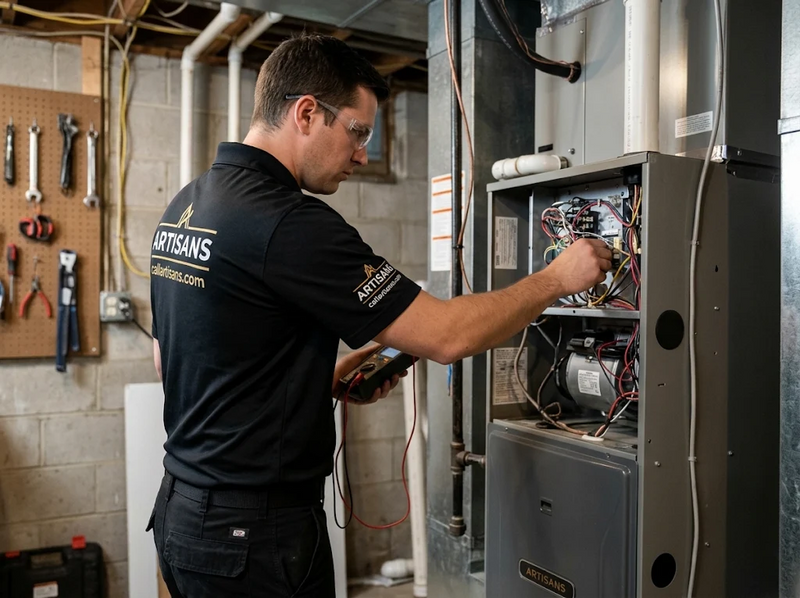
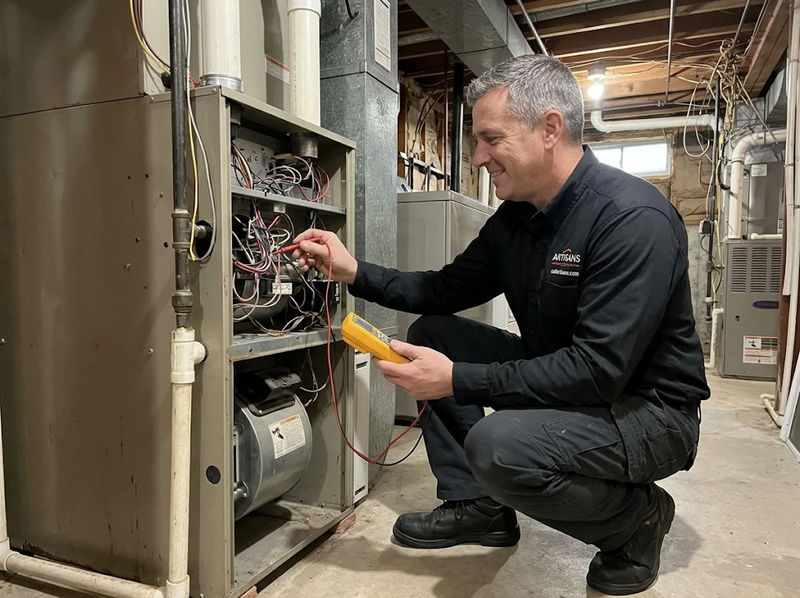
Trane Furnace Installation Contractor in Coopersburg Pennsylvania 18036
Upgrading Electrical Systems and Wiring
New HVAC systems require a standalone power line that is isolated from your home’s appliances. Prior to hooking it up, an HVAC technician or electrician must check that your electrical panel and outlets are fully up-to-date and in perfect working order.
- Vintage Property Rules: Installing a new, high-tech furnace in an older property often necessitates panel upgrades to give it the juice it needs. Old knob and tube wiring can short out that may destroy a modern heater’s sensitive electronic control board.
Permits and Legalities
Bypassing the legal process can cause severe municipal fines or problems when it is time to move. A must-do task is to pull the right permits ahead of the home furnace installation. Sticking to municipal laws, manufacturer instructions, and national safety rules like the national building codes keeps you safe and ensures the legal and safe operation of heating systems.
4. The A-to-Z Installation Day Timeline
Learning what to expect on installation day empowers homeowners to stay informed and guarantee the installers are not cutting corners.
Step 1: Tearing Out the Old Unit
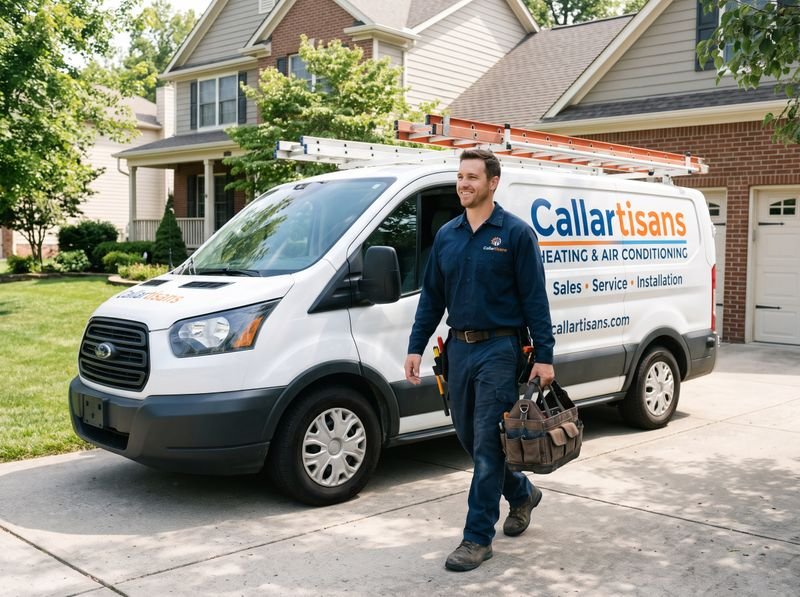
The beginning of the job requires cutting power to and hauling away the broken heater. The crew must double check that all power feeds and gas lines are locked out before starting the demo. The installation team will then clean the area, taking out scrap metal and trash to create a pristine, level footprint for the new furnace.
Step 2: Setting the Furnace
After prep is done, the new furnace is carried into place. The contractors will shim the unit to make sure it sits flat—which is mandatory for water draining and mechanical operation—and ensure it isn’t touching the walls.
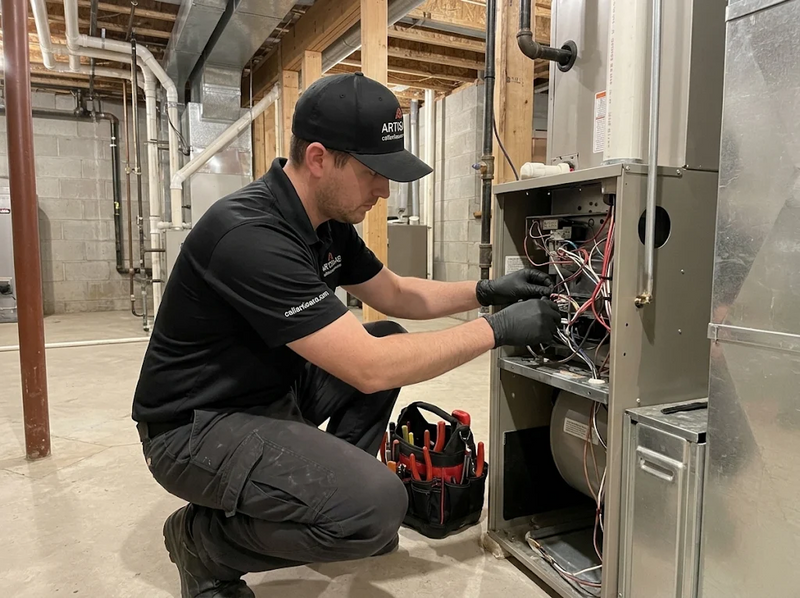
Step 3: Making the Connections
This highly technical phase plumbs the standalone furnace to your ducts and pipes:
- Ventilation: Technicians will attach the plenums, taking great care to properly seal the connections to prevent whistling and ensure maximum airflow.
- Venting: Perfectly installing chimney liners is mandatory to stop a leak of carbon monoxide inside the living space. The system must push all exhaust gases into the outdoor air.
- Power and Fuel: The team will hook up the breaker with absolutely no exposed wires and pipe the black iron gas line using leak-free joints.
Step 4: Thermostat Integration
The final mechanical step is programming the smart thermostat. Technicians will connect the R, W, and C wires, sync it with the furnace’s internal control board, and program the schedules for the best energy savings and perfect temperatures.
5. Strict Safety Checks and System Testing
The work is not complete when the final bolt is tightened. Extreme safety checks is what separates amateur handymen from professional, certified HVAC technicians.
Leak Detection and Prevention
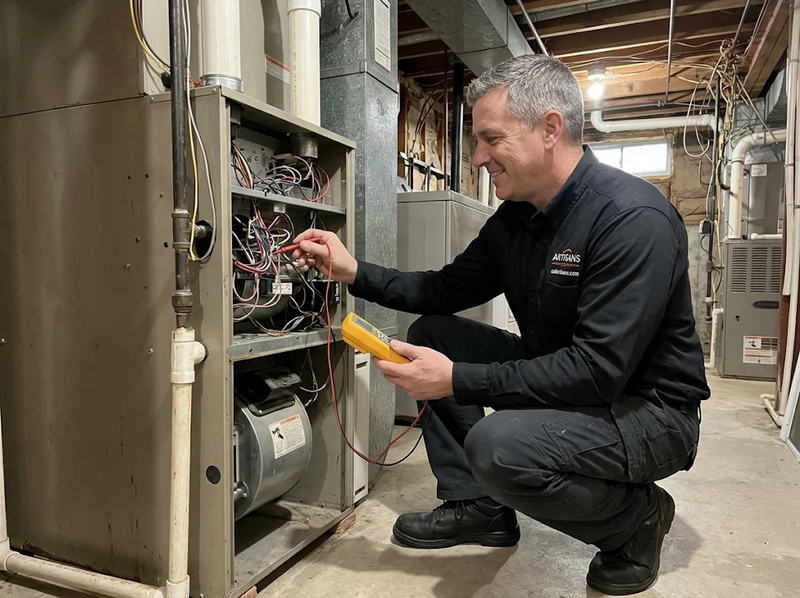
Checking the gas pipe is the number one post-installation safety check. Technicians will utilize specialized gas detectors to verify that absolutely no gas is escaping from the threaded fittings. They will also test the exhaust to check for CO spillage and the flue is drawing air correctly.
Life-Safety Devices
Because carbon monoxide is an odorless, colorless, and potentially deadly gas, checking the batteries in CO alarms is an absolute must. If you are installing a furnace in an older home, updating these detectors simultaneously with your heating system is strongly advised.
System Startup and Calibration
Before handing over the invoice, the lead installer will cycle the system to make sure it works or unusual vibrations. They will measure the heat at the registers and verify static pressure, making sure every room gets warm. Final walk-throughs by qualified professionals ensure all protocols were followed.
6. Furnace Maintenance Guide
A great setup creates the foundation, but ongoing, diligent maintenance determines how long it will last. Neglecting your new system will ruin the high AFUE ratings you paid for.
- Change the Air Filter: A filthy filter choke the blower motor, making the system overwork and waste electricity and gas while actively degrading your indoor air quality. You should replace your filters every 1 to 3 months, based on how often it runs, how many dogs or cats you have, and the MERV rating of the filter.
- Fix Drafts: Ensuring your home is well-insulated, caulking windows, and that all accessible ductwork in attics or basements is taped up takes the strain off on your new furnace.
- Yearly Tune-Ups: Do not wait for a complete system failure in the dead of winter to hire an HVAC company. Hire a local expert to do a fall tune-up. These routine check-ups catch minor leaks and failing flame sensors before they leave you freezing in the middle of the night.
Customer education is the final piece of a successful installation. A top-tier installer will teach you about the furnace, when to change filters, and basic DIY fixes. By investing in a high-quality unit, hiring a licensed contractor, and committing to simple routine maintenance, you ensure your home remains a warm, safe, and highly efficient sanctuary for the foreseeable future.
For a Trane Furnace Installation Contractor in Coopersburg 18036, you can count on Artisans. We’re available 24/7 for all your Trane Furnace Installation Contractor needs: (484) 901-5900