The Complete Homeowner Manual for Furnace Installation in 2026
Purchasing a highly efficient HVAC unit is one of the most important investments you can make for your property’s temperature control, security, and utility savings. That being said, a flawless setup procedure is just as critical as the build quality of the appliance itself. Applying strict guidelines during installation maximizes heating efficiency, slashes long-term running costs, and protects your family from severe hazards like fire hazards.
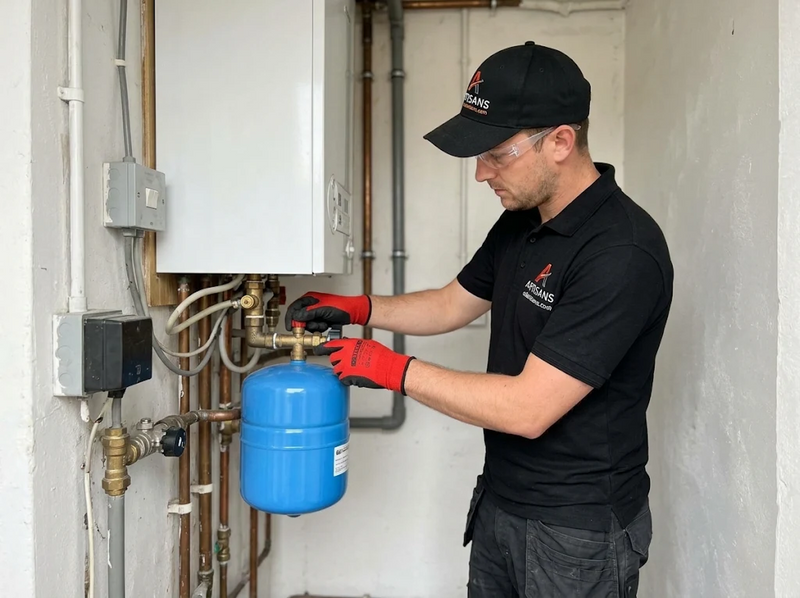
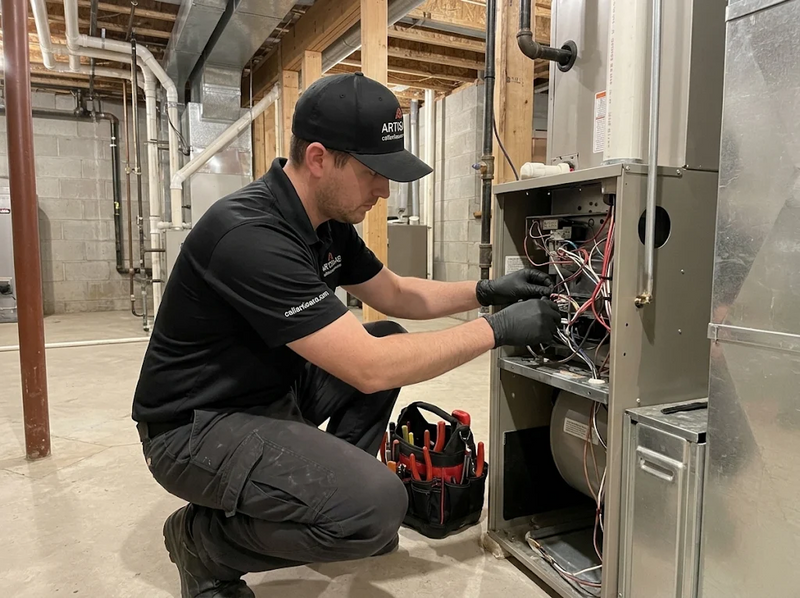
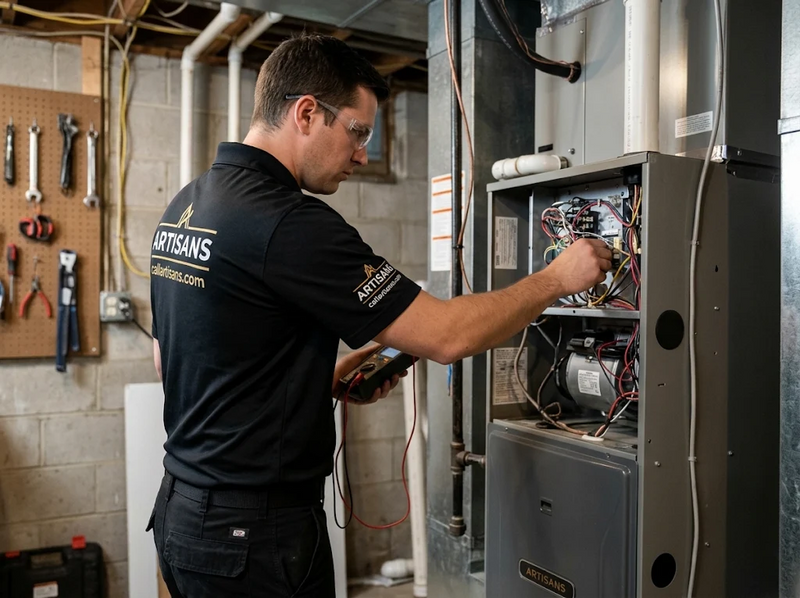
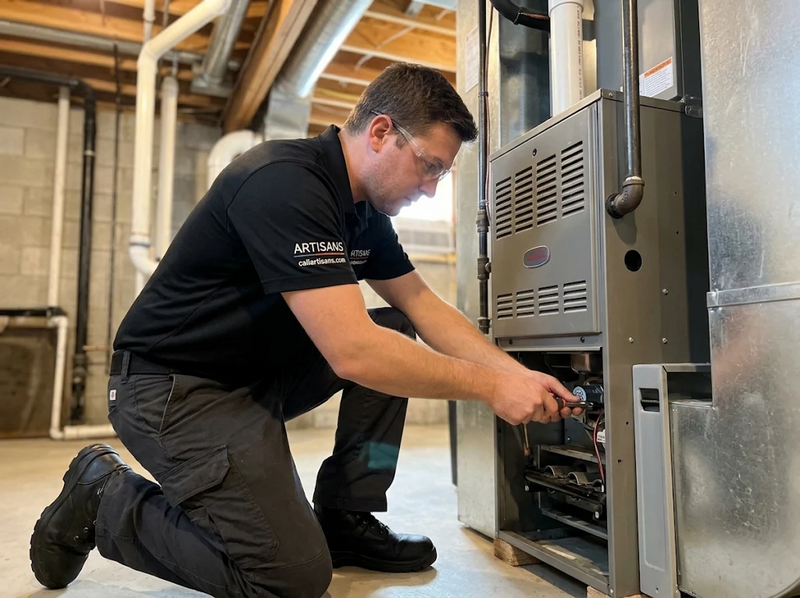
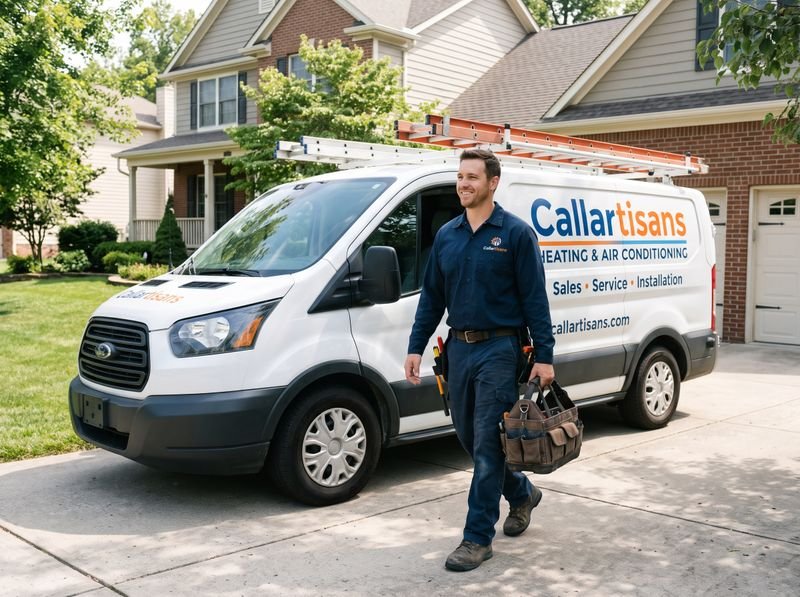
Carrier Furnace Installation Technician in Bethlehem Pennsylvania
When furnaces are improperly measured, badly reviewed, or improperly installed, they can rapidly transform from a comforting appliance into a massive danger leading to electrical fires or fatal carbon monoxide leaks. Regardless of whether you are upgrading an aging system in a vintage home or equipping a brand-new build, this detailed article breaks down each important stage of the furnace installation process so you know what lies ahead.
1. Should You Repair or Replace?: Deciding What’s Best
Before paying for a full system replacement, it is essential to assess whether your current unit is at the end of its life. Furnaces do not operate indefinitely, but recognizing the perfect moment to swap it out can keep money in your pocket in costly fixes and wasted energy.
You should think about a new heating unit if you observe the following warning signs:
- Age of the Unit: The standard, reliable lifespan of a home heating system is typically fifteen to twenty years. If your unit falls within or exceeds this timeframe, its internal hardware and heat exchangers are certainly wearing out.
- Higher Power Bills: If your gas or electric bills are increasing rapidly despite keeping the thermostat the same, your furnace is wasting energy and working twice as hard to generate the same temperature.
- Constant Repairs: When the added price of repeated emergency repairs on an old, inefficient unit begins to rival the cost of a new system, replacement is the most logical step.
- Dangerous Warning Signs: Gas scents, persistent rattling or banging noises, and worries about a carbon monoxide issue means you should immediately call a licensed professional. Safety issues often demand an urgent swap to prevent catastrophic explosions.
2. Choosing the Right Furnace for Your Home
Furnaces vary wildly in quality. Modern heating technology has leaped forward, offering property owners total command over their living space temperature and power draw.
Understanding AFUE Ratings
Heating efficiency is determined by the AFUE rating. A higher AFUE percentage means that more of the raw fuel your system uses is successfully converted into usable heat for your home rather than escaping as exhaust.
- Lower Energy Bills: Top-tier heating units consume less power to heat the home. This translates to great ROI over the life of the furnace, which is especially noticeable in areas that suffer from long freezing seasons.
- Going Green: Installing a green heating system with a top-tier AFUE rating reduces emissions, creating a smaller household carbon footprint and promoting a cleaner environment.
Leading HVAC Brands for the Current Year
Before setting up an install, picking a good brand is vital. According to industry data and durability, here are some of the top-rated options:
3. Pre-Installation: Getting Ready
A successful furnace installation begins long before the equipment is delivered. Getting ready guarantees the installation proceeds safely and that the new system runs perfectly from the first time you turn it on.
Measuring for the Unit
Correctly sizing the unit is incredibly important in home furnace installation. A unit that is undersized will run constantly without properly heating your home, while a unit that is too large will short-cycle, leading to massive temperature fluctuations, bad air quality, and early system failure.
You must also determine the ideal area for the new unit to guarantee ventilation. Most often, heating systems are securely installed in a cellar, dedicated utility closet, or attic space. When choosing the area, think about how close it is to fuel pipes, power sources, and your home’s main air ducts. The zone must be completely cleared out and obstructions to guarantee sufficient clearance for maintenance calls and to stop dangerous accidents.
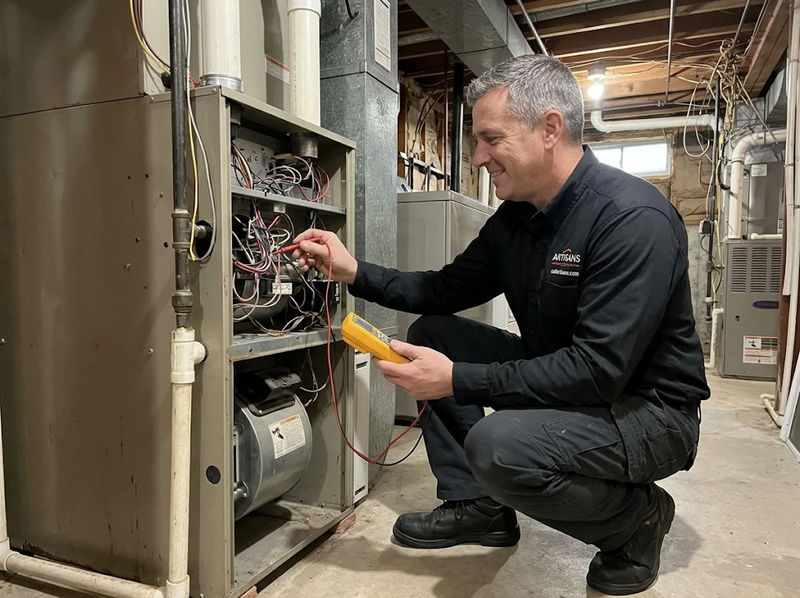
Carrier Furnace Installation Technician in Bethlehem Pennsylvania 18015
Powering the Furnace
Current heating units require a standalone power line that does not share power with your home’s other electrical systems. Before dropping the unit in, an installation pro or electrician must check that your electrical panel and switches are modernized and in pristine condition.
- Vintage Property Rules: Putting a smart furnace in an historic house often necessitates new electrical lines to prevent brownouts. Old knob and tube wiring can cause potential power surges that may destroy a new furnace’s sensitive electronic control board.
Permits and Legalities
Skipping bureaucratic steps can result in severe municipal fines or problems when it is time to move. A must-do task is to acquire all necessary local permits before starting the home furnace installation. Sticking to municipal laws, manufacturer instructions, and national safety rules like the NFPA and IRC protects homeowners and ensures the legal and safe operation of the HVAC equipment.
4. The Step-by-Step HVAC Setup Walkthrough
Learning what to expect on installation day gives you confidence to interrogate the crew and guarantee the installers are following strict industry best practices.
Step 1: Tearing Out the Old Unit
The beginning of the job involves unhooking and trashing the outdated unit. Installers must strictly ensure that all power feeds and fuel valves are safely shut off before starting the demo. The installation team will then sweep the floor, clearing old ducting and trash to create a pristine, level footprint for the new furnace.
Step 2: Placement
After prep is done, the heating unit is set on the pad. The techs will shim the unit to ensure the furnace is perfectly balanced—which is structurally required for water draining and mechanical operation—and verify it meets all manufacturer-required spatial clearances.
Step 3: Hooking Everything Up
This complex step connects the standalone furnace to your ducts and pipes:
- Ductwork: The installers will attach the plenums, working carefully to properly seal the connections to stop draftiness and maximize overall heating efficiency.
- Exhaust and Ventilation: Correctly sizing and placing flues or exhaust pipes is the most important step to prevent a dangerous buildup of carbon monoxide inside the living space. The system must push all fumes safely outside the home.
- Wiring and Piping: The electrician will wire the high voltage with absolutely no exposed wires and attach the gas lines using pipe dope and wrenches.
Step 4: Smart Thermostat Setup
The concluding phase is wiring up the home’s thermostat. Technicians will hook up the low voltage wires, sync it with the furnace’s internal control board, and adjust the initial baseline settings for optimal efficiency and customized comfort.
5. Non-Negotiable Safety Protocols and Quality Assurance
The work is unfinished when the final bolt is tightened. Extreme safety checks is what makes the difference between a hack and a pro.
Leak Detection and Prevention
Checking the gas pipe is the number one post-installation safety check. Technicians will utilize specialized gas detectors to verify that absolutely no gas is escaping from the new joints. They will also test the exhaust to ensure the space is adequately ventilated and the flue is drawing air correctly.
Life-Safety Devices
Due to the invisible nature of carbon monoxide, installing or actively verifying the presence of working carbon monoxide detectors is an absolute must. If you are installing a furnace in an older home, buying new alarms today is strongly advised.
System Startup and Calibration
Before handing over the invoice, the technician will turn on the heat to listen for weird noises or unusual vibrations. They will measure the heat at the registers and test for proper airflow, verifying that the home heats evenly and efficiently across all rooms. Post-installation inspections by the city inspector or lead tech act as the final verification that all safety measures are correctly implemented.
6. Long-Term Maintenance for Peak Performance
A flawless install job sets the stage, but proper care dictates the ultimate lifespan of the equipment. Ignoring maintenance will ruin the savings you were hoping to get.
- Change the Air Filter: Dust-packed filters choke the blower motor, making the system overwork and consume more energy while actively degrading your indoor air quality. You should replace your filters every 1 to 3 months, depending on dust levels, how many dogs or cats you have, and the MERV rating of the filter.
- Seal and Insulate: Keeping the cold out, caulking windows, and that all accessible ductwork in attics or basements is taped up significantly reduces the overall workload on your HVAC unit.
- Yearly Tune-Ups: Don’t let it break down on Christmas to hire an HVAC company. Schedule an experienced technician to do a fall tune-up. These routine check-ups find small problems and failing flame sensors before they escalate into expensive emergency service calls.
Knowing your system is the last step in the process. A top-tier installer will walk you through how the system works, when to change filters, and basic DIY fixes. By investing in a high-quality unit, prioritizing a code-compliant professional installation, and changing filters regularly, you make sure your property is a comfortable winter haven for many years.
For a Carrier Furnace Installation Technician in Bethlehem 18015, you can count on Artisans. We’re available 24/7 for all your Carrier Furnace Installation Technician needs: (484) 901-5900