The Definitive Homeowner’s Handbook on Furnace Installation in Today’s Market
Committing to a modern heating unit is one of the most significant improvements you can make to your residence’s temperature control, safety, and energy efficiency. That being said, a professional furnace installation is equally as important as the brand of the appliance itself. Following professional standards during installation enhances operational efficiency, lowers lifetime operational expenses, and protects your family from dangerous situations like gas leaks.
Trane Furnace Installation Contractor in Schnecksville Pennsylvania
When heating systems are the wrong size, inadequately checked, or set up wrong, they can suddenly turn from a reliable heat source into a severe threat involving fires or dangerous gas leaks. Whether you are swapping out an failing system in a vintage home or equipping a newly built home, this detailed article details every critical phase of the HVAC setup process so you know exactly what to expect.
1. Should You Repair or Replace?: Making the Right Call
Before committing to a complete system replacement, it is crucial to assess whether your current unit truly needs replacing. HVAC units do not last forever, but identifying the perfect moment to upgrade can save you thousands of dollars in sudden breakdowns and power loss.
You should strongly consider a new heating unit if you notice the following red flags:
- System Lifespan: The standard, reliable lifespan of a residential furnace is typically fifteen to twenty years. If your system is in or is past this timeframe, its moving parts and heat exchangers are probably failing.
- Higher Power Bills: If your heating bills are steadily rising despite normal use, your furnace is becoming highly inefficient and working twice as hard to generate the same temperature.
- Constant Repairs: When the total expense of repeated emergency repairs on an old, inefficient unit begins to approach or exceed the investment of a new unit, replacement is the most logical step.
- Safety Concerns: Gas scents, unusual vibrations, and worries about a carbon monoxide issue means you should immediately call a licensed professional. Dangerous symptoms often dictate an immediate replacement to avoid carbon monoxide poisoning.
2. Choosing the Right Furnace for Your House
Every furnace is different. Modern heating technology has leaped forward, offering property owners total command over their home environment and power draw.
Understanding AFUE Ratings
Heating efficiency is determined by the AFUE rating. A better AFUE score means that more of the raw fuel your system uses is successfully converted into warm air for your living space rather than venting outside.
- Reduced Utility Costs: High-efficiency furnaces burn less gas to keep you warm. This translates to great ROI over the life of the furnace, which is very obvious in regions that experience extreme cold weather.
- Environmental Benefits: Selecting a high-efficiency furnace with a top-tier AFUE rating typically emits far less carbon, contributing to a greener home and promoting broader environmental sustainability.
Leading HVAC Brands for 2026
Before setting up an install, picking a good brand is vital. Based on recent market performance and lifespan estimates, here are some of the top-rated options:
3. Preparation Phase: Preparing Your Home
A perfect HVAC setup begins weeks before the new heating unit arrives in your driveway. Getting ready guarantees the installation goes smoothly and that the upgraded unit runs perfectly from the very start.
Placement and Sizing
Proper sizing is the most vital step in home furnace installation. A unit that is too small will never shut off and still freeze you out, while a unit that is oversized will turn on and off constantly, leading to massive temperature fluctuations, bad air quality, and broken parts.
You must also find the absolute best location for the new unit to ensure proper airflow. Usually, furnaces are securely installed in a cellar, HVAC room, or attic space. When selecting the spot, consider the proximity to existing gas lines, electrical outlets, and your home’s main air ducts. The zone must be totally clean and obstructions to guarantee sufficient clearance for maintenance calls and to stop dangerous accidents.
Trane Furnace Installation Contractor in Schnecksville Pennsylvania 18078
Upgrading Electrical Systems and Wiring
Most modern furnaces need a separate breaker that is isolated from your home’s lighting circuits. Before dropping the unit in, an installation pro or contractor must ensure your home’s wiring and outlets are modernized and in safe shape.
- If You Have an Older House: Putting a smart furnace in an historic house often necessitates upgraded wiring to provide adequate, stable power. Old knob and tube wiring can trigger electrical spikes that may ruin a new furnace’s sensitive electronic control board.
Permits and Legalities
Ignoring city permits can cause severe municipal fines or headaches when it comes time to sell your home. A vital first move is to pull the right permits ahead of the job. Adhering to municipal laws, brand guidelines, and overarching safety standards like the national building codes keeps you safe and ensures the legal and safe operation of heating systems.
4. The Complete Furnace Installation Process
Understanding exactly what happens on setup day gives you confidence to ask the right questions and ensure their chosen contractors are following strict industry best practices.
Step 1: Tearing Out the Old Unit
The first active step involves cutting power to and hauling away the old furnace. Technicians must strictly ensure that all electrical lines and gas lines are closed tight before starting the demo. The installation team will then clean the area, removing old metal components and debris to prepare a clean pad for the incoming unit.
Step 2: Positioning the New Unit
After prep is done, the new furnace is set on the pad. The techs will shim the unit to make sure it sits flat—which is mandatory for proper condensation drainage and motor health—and verify it meets all manufacturer-required spatial clearances.
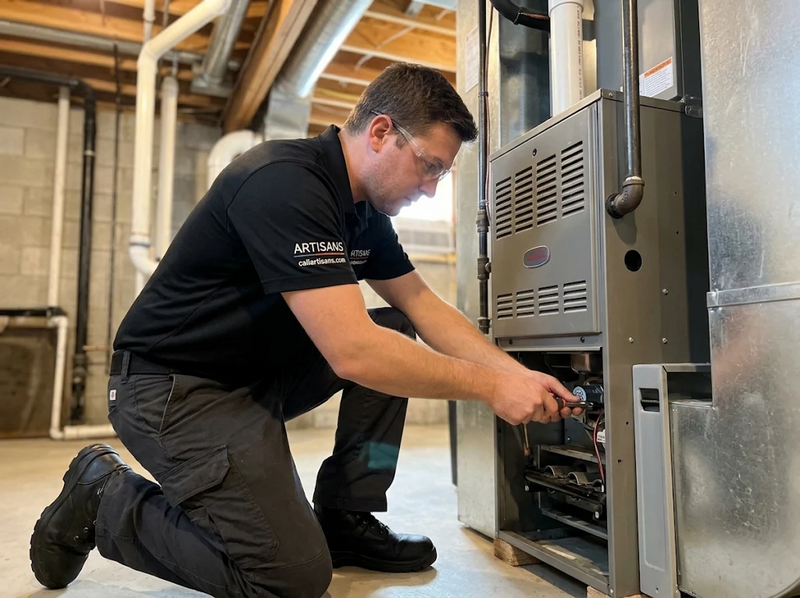
Step 3: Connecting the Infrastructure
This highly technical phase plumbs the new unit to your house’s infrastructure:
- Ductwork: The installers will hook up the sheet metal, working carefully to tape and mastic the joints to avoid costly air leaks and maximize overall heating efficiency.
- Exhaust and Ventilation: Gluing and routing chimney liners is mandatory to stop a leak of carbon monoxide inside the living space. The system must blow all fumes safely outside the home.
- Power and Fuel: The HVAC tech will hook up the breaker with proper grounding and pipe the black iron gas line using secure, tightly threaded fittings.
Step 4: Smart Thermostat Setup
The concluding phase is installing or calibrating the wall control. Technicians will wire the thermostat correctly, sync it with the furnace’s internal control board, and adjust the initial baseline settings for the best energy savings and perfect temperatures.
5. Strict Safety Checks and Quality Assurance
The installation is unfinished when the final bolt is tightened. Extreme safety checks is what separates amateur handymen from professional, certified HVAC technicians.
Checking for Gas Leaks
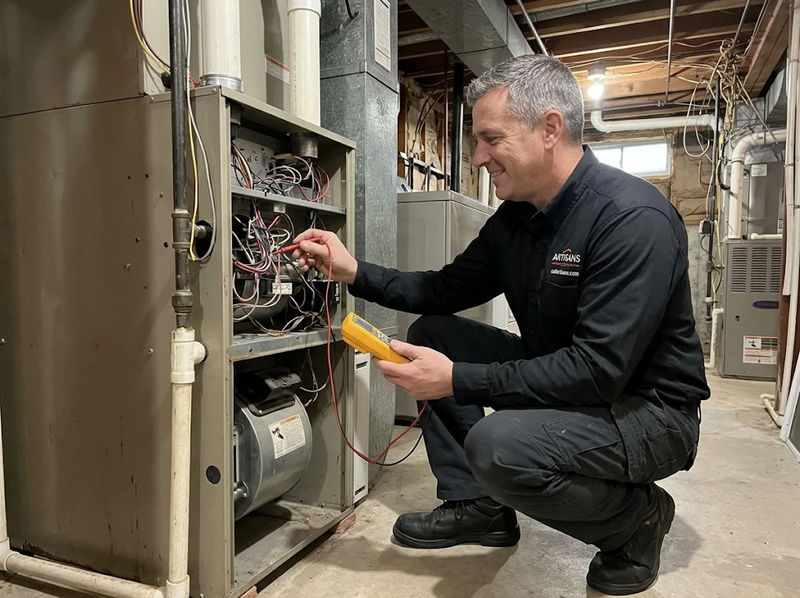
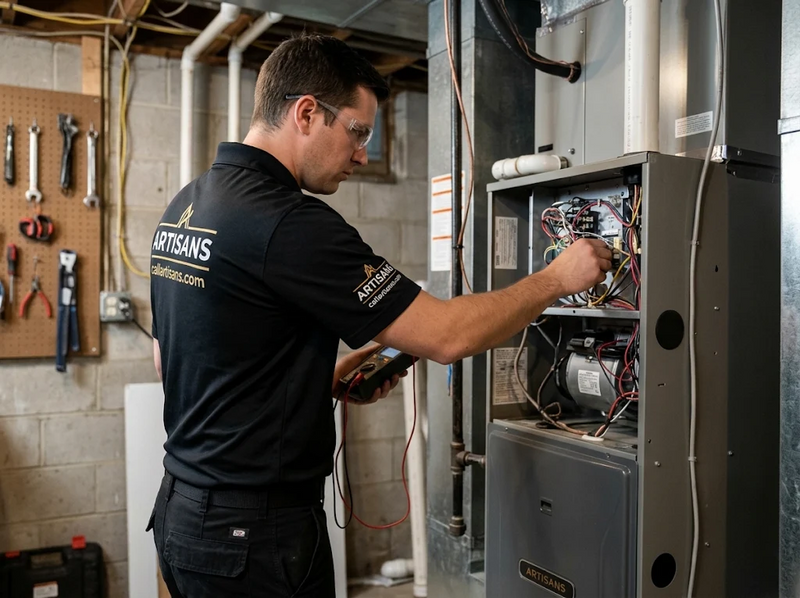
Testing for leaks is the most important post-installation safety check. Technicians will utilize specialized gas detectors to make sure zero gas is leaking from the threaded fittings. They will also conduct thorough carbon monoxide testing to ensure the space is adequately ventilated and the exhaust system is functioning flawlessly under load.
CO Alarms
Due to the invisible nature of carbon monoxide, checking the batteries in working carbon monoxide detectors is an important final step. If you are putting a unit in a vintage house, buying new alarms today is basically mandatory.
Firing It Up
Before handing over the invoice, the technician will cycle the system to guarantee there are no operational problems or unusual vibrations. They will check the temperature rise and ensure the blower is powerful enough, making sure every room gets warm. Final walk-throughs by qualified professionals act as the final verification that all protocols were followed.
6. Furnace Maintenance Guide
A successful furnace installation sets the stage, but annual tune-ups determines how long it will last. Skipping filter changes will destroy the expensive energy efficiency gains you just purchased.
- Keep Filters Clean: Clogged or dirty air filters block the air, causing overheating and waste electricity and gas while pumping dust into your house. You should plan to swap your filters every 1 to 3 months, based on how often it runs, how many dogs or cats you have, and the specific filter type.
- Seal and Insulate: Keeping the cold out, free of window drafts, and that all exposed air ducts is properly sealed makes life easier on your HVAC unit.
- Yearly Tune-Ups: Never wait for an emergency to get it serviced. Book a pro to clean the system once a year. These inspections identify bad parts and clogged drains before they become $1000 repairs.
Being an informed homeowner is the cherry on top. A top-tier installer will walk you through how the system works, when to change filters, and simple troubleshooting tips. By investing in a high-quality unit, hiring a licensed contractor, and changing filters regularly, you guarantee your house will be a comfortable winter haven for the foreseeable future.
For a Trane Furnace Installation Contractor in Schnecksville 18078, you can count on Artisans. We’re available 24/7 for all your Trane Furnace Installation Contractor needs: (484) 901-5900