The Ultimate Homeowner Handbook on Heating System Setup in Today’s Market
Committing to a modern heating system is one of the most valuable upgrades you can make for your property’s overall comfort, security, and utility savings. However, a flawless installation process is as essential as the quality of the appliance itself. Utilizing strict guidelines during installation boosts system performance, decreases lifetime operational expenses, and keeps your household entirely safe from severe hazards like gas leaks.
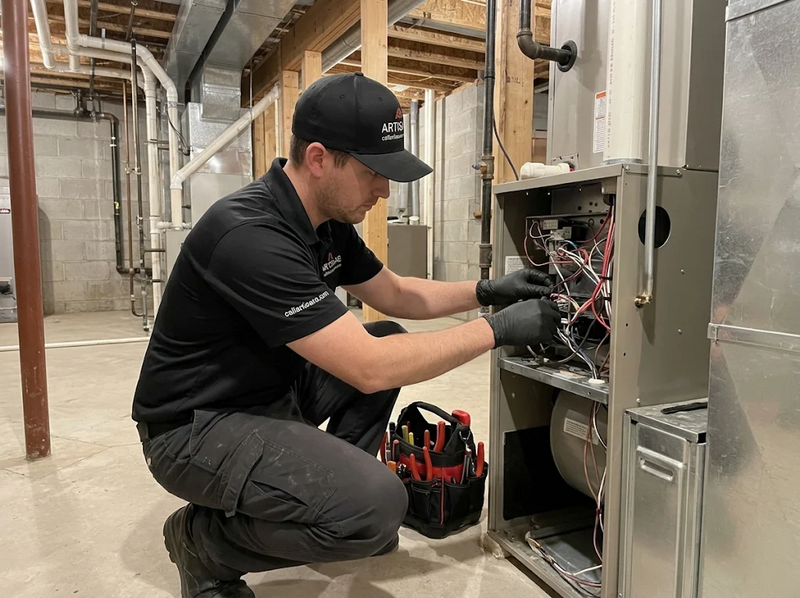
Lennox Furnace Installation Contractor in Fogelsville Pennsylvania
Whenever heating systems are the wrong size, poorly inspected, or installed incorrectly, they can suddenly turn from a reliable heat source into a severe threat involving electrical fires or dangerous gas leaks. Regardless of whether you are replacing an old unit in a vintage home or outfitting a brand-new build, this in-depth post breaks down all vital steps of the HVAC setup process so you know exactly what to expect.
1. Should You Repair or Replace?: Deciding What’s Best
Before committing to a complete system replacement, it is imperative to evaluate whether your current unit actually requires replacement. HVAC units do not last forever, but recognizing the exact right time to replace can save you thousands of dollars in costly fixes and inflated utility bills.
You should think about a new heating unit if you experience the following indicators:
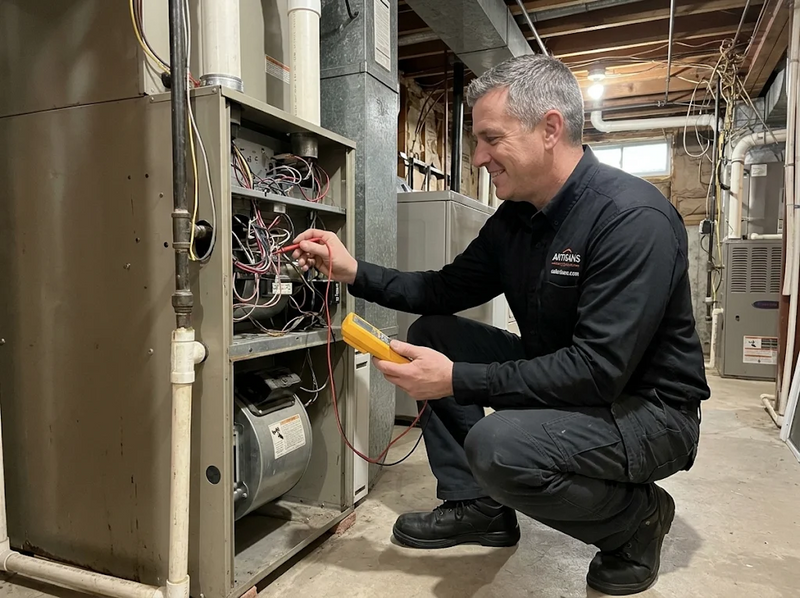
- System Lifespan: The average life expectancy of a home heating system is usually fifteen to twenty years. If your unit falls within or is past this timeframe, its internal mechanical components and heat exchangers are probably failing.
- Rising Utility Costs: If your heating bills are increasing rapidly despite keeping the thermostat the same, your furnace is losing its baseline efficiency and struggling to produce the exact same amount of heat.
- Frequent Breakdowns: When the total expense of constant service calls on an aging furnace begins to rival the cost of a new system, replacement is the most economical decision.
- Dangerous Warning Signs: Foul odors, loud clanking sounds, and any hint of a gas leak means you should contact an expert right away. Hazards often dictate an immediate replacement to prevent catastrophic explosions.
2. Selecting the Perfect Heating System for Your Property
Every furnace is different. Modern heating technology has leaped forward, offering homeowners unprecedented control over their home environment and power draw.
What is an AFUE Rating?
Efficiency in heating is calculated using the AFUE rating. A better AFUE score means that a larger portion of the gas or electric your heating unit burns is successfully converted into usable heat for your living space rather than escaping as exhaust.
- Reduced Utility Costs: High-efficiency furnaces consume less power to keep you warm. This results in substantial financial savings over the life of the furnace, which is especially noticeable in regions that endure harsh, prolonged winters.
- Eco-Friendly Perks: Selecting a green heating system with a top-tier AFUE rating lowers pollution, creating a smaller household carbon footprint and promoting broader environmental sustainability.
Leading HVAC Brands for 2026
Before setting up an install, selecting a reliable manufacturer is essential. Looking at consumer reviews and durability, here are some of the highly recommended systems:
3. Pre-Installation: Preparing Your Home
A smooth installation day begins weeks before the equipment is delivered. Proper preparation ensures that the installation happens without a hitch and that the upgraded unit functions efficiently from the very start.
Measuring for the Unit
Proper sizing is arguably the most essential factor in home furnace installation. A furnace that is undersized will never shut off and still freeze you out, while a unit that is too large will turn on and off constantly, leading to massive temperature fluctuations, bad air quality, and broken parts.
You must also decide on the ideal area for the new unit to allow for breathing room. Most often, furnaces are housed inside a basement, dedicated utility closet, or garage. When selecting the spot, consider the proximity to fuel pipes, power sources, and your home’s main air ducts. The area must be totally clean and obstructions to guarantee sufficient clearance for maintenance calls and to prevent fire hazards.
Lennox Furnace Installation Contractor in Fogelsville Pennsylvania 18051
Electrical Requirements
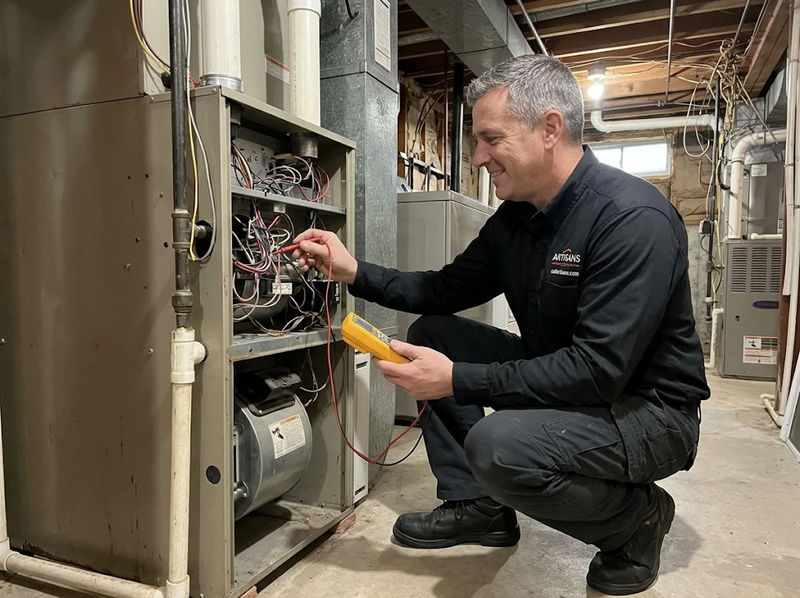
New HVAC systems need a dedicated electrical circuit that is isolated from your home’s appliances. Before dropping the unit in, an HVAC technician or contractor must check that your electrical panel and switches are modernized and in perfect working order.
- If You Have an Older House: Installing a new, high-tech furnace in an historic house often requires new electrical lines to prevent brownouts. Bad breakers can cause potential power surges that may instantly fry a new furnace’s sensitive electronic control board.
Permits and Legalities
Ignoring city permits can result in massive city penalties or legal complications when it is time to move. A must-do task is to pull the right permits before starting the home furnace installation. Sticking to local building codes, manufacturer instructions, and national safety rules like the national building codes keeps you safe and ensures the legal and safe operation of heating systems.
4. The A-to-Z HVAC Setup Walkthrough
Knowing what takes place on the day of the install empowers homeowners to ask the right questions and guarantee the installers are doing things by the book.
Step 1: Removal Phase
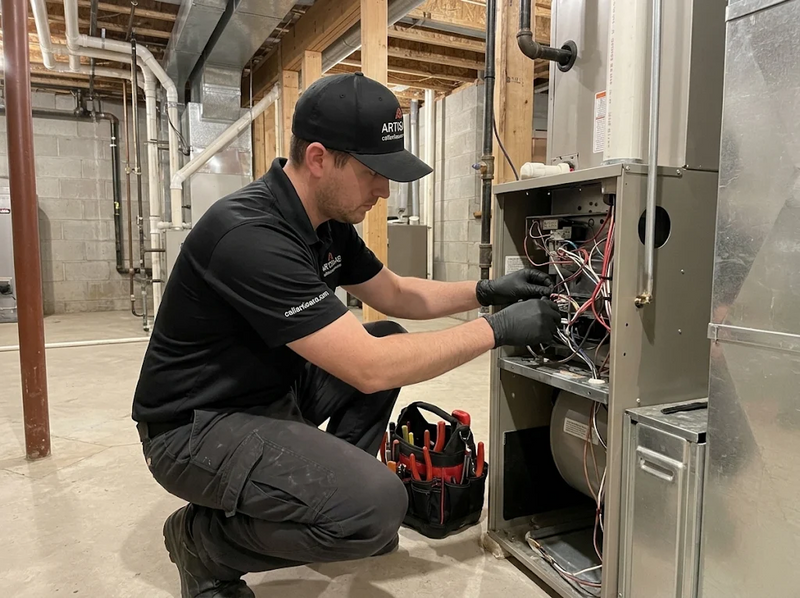
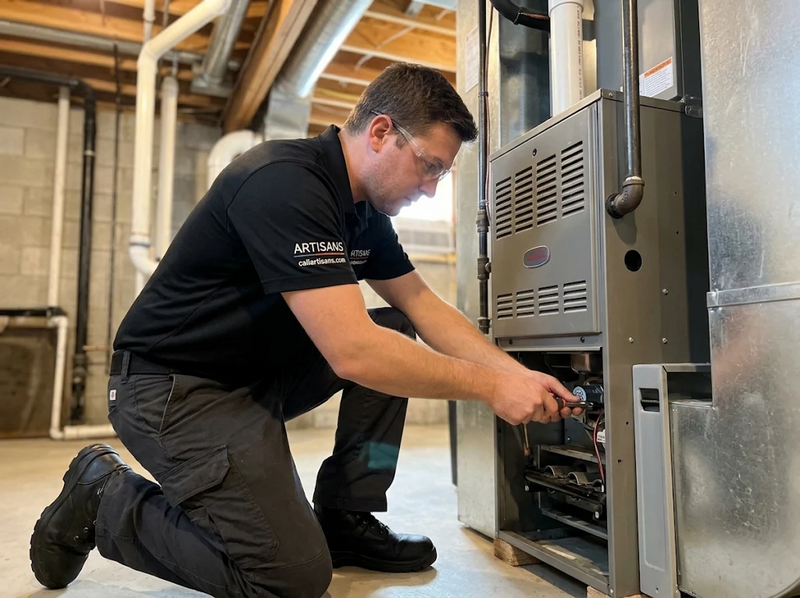
The beginning of the job requires cutting power to and removing the old furnace. Technicians must double check that all electrical lines and fuel valves are safely shut off before starting the demo. The installation team will then clear the space, removing old metal components and debris to create a pristine, level footprint for the incoming unit.
Step 2: Placement
When the space is ready, the heating unit is carried into place. The contractors will shim the unit to ensure the furnace is perfectly balanced—which is structurally required for water draining and mechanical operation—and verify it meets all manufacturer-required spatial clearances.
Step 3: Hooking Everything Up
This crucial part connects the new unit to your home’s vital circulatory systems:
- Ductwork: The installers will attach the plenums, taking great care to tape and mastic the joints to stop draftiness and push all the air into the home.
- Exhaust and Ventilation: Perfectly installing flues or exhaust pipes is non-negotiable to prevent a dangerous buildup of deadly exhaust gas inside the home. The furnace must push all fumes safely outside the home.
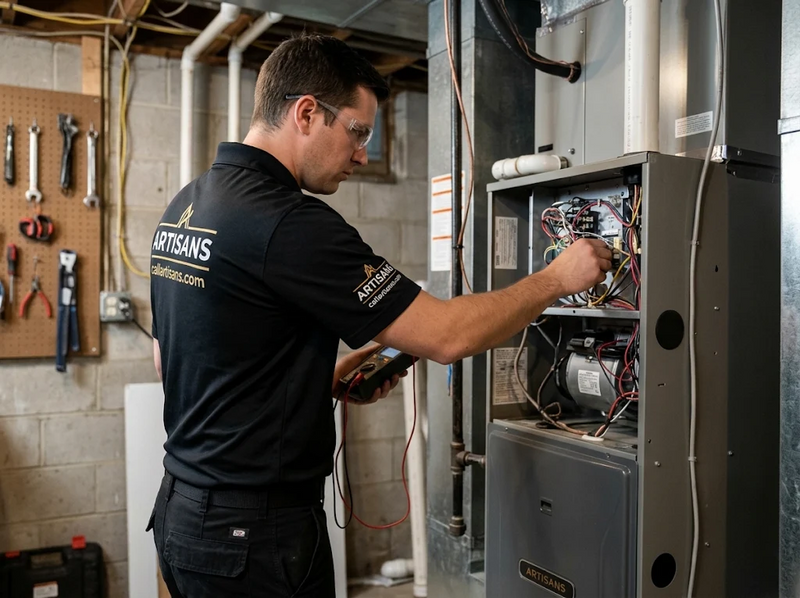
- Power and Fuel: The electrician will hook up the breaker with safe conduits and connect the flex gas line using secure, tightly threaded fittings.
Step 4: Smart Thermostat Setup
The final mechanical step is programming the home’s thermostat. The pros will wire the thermostat correctly, pair it to the system motherboard, and adjust the initial baseline settings for the best energy savings and perfect temperatures.
5. Post-Install Safety Testing and System Testing
The job is unfinished when the last screw is driven. Extreme safety checks is what makes the difference between a hack and a pro.
Checking for Gas Leaks
Testing for leaks is the number one final test. Technicians will use electronic gas sniffers to verify that absolutely no gas is escaping from the new joints. They will also test the exhaust to check for CO spillage and the exhaust system is functioning flawlessly under load.
CO Alarms
Due to the invisible nature of carbon monoxide, checking the batteries in CO alarms is an absolute must. If you are putting a unit in a vintage house, updating these detectors simultaneously with your heating system is basically mandatory.
Firing It Up
Prior to packing up the van, the technician will cycle the system to guarantee there are no operational problems or shaking. They will measure the system’s ambient heating output and ensure the blower is powerful enough, verifying that the home heats evenly and efficiently across all rooms. Final walk-throughs by the city inspector or lead tech guarantee all safety measures are correctly implemented.
6. Furnace Maintenance Guide
A flawless install job is just the beginning, but proper care determines how long it will last. Skipping filter changes will quickly reverse the savings you were hoping to get.
- Keep Filters Clean: A filthy filter severely restrict airflow, forcing the furnace to work harder and consume more energy while ruining the air you breathe. You should replace your filters monthly during winter, based on how often it runs, how many dogs or cats you have, and the MERV rating of the filter.
- Seal and Insulate: Ensuring your home is well-insulated, caulking windows, and that all exposed air ducts is mastic sealed takes the strain off on your new furnace.
- Annual Professional Inspections: Do not wait for a complete system failure in the dead of winter to call a professional. Hire a local expert to thoroughly inspect the furnace annually. These inspections identify bad parts and clogged drains before they escalate into expensive emergency service calls.
Being an informed homeowner is the last step in the process. A great technician will show you the ropes, when to change filters, and simple troubleshooting tips. By investing in a high-quality unit, prioritizing a code-compliant professional installation, and changing filters regularly, you ensure your home remains a cozy, protected environment for the foreseeable future.
For a Lennox Furnace Installation Contractor in Fogelsville 18051, you can count on Artisans. We’re available 24/7 for all your Lennox Furnace Installation Contractor needs: (484) 901-5900