The Definitive Property Owner’s Guide to Furnace Installation in Today’s Market
Upgrading to a new heating unit is one of the most valuable enhancements you can make to your residence’s indoor climate, safety, and power conservation. However, a top-notch installation process is as essential as the brand of the hardware itself. Applying industry best practices during installation boosts heating efficiency, decreases lifetime operational expenses, and keeps your household entirely safe from deadly risks like fire hazards.
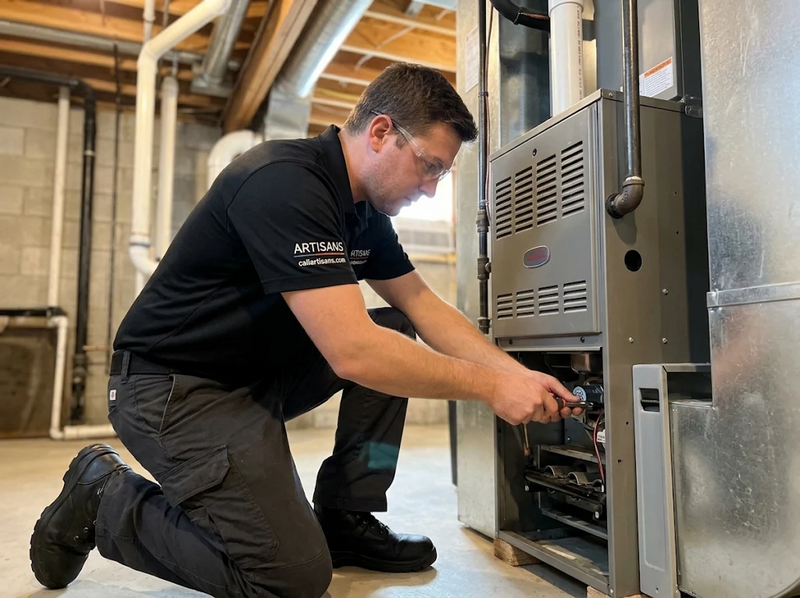
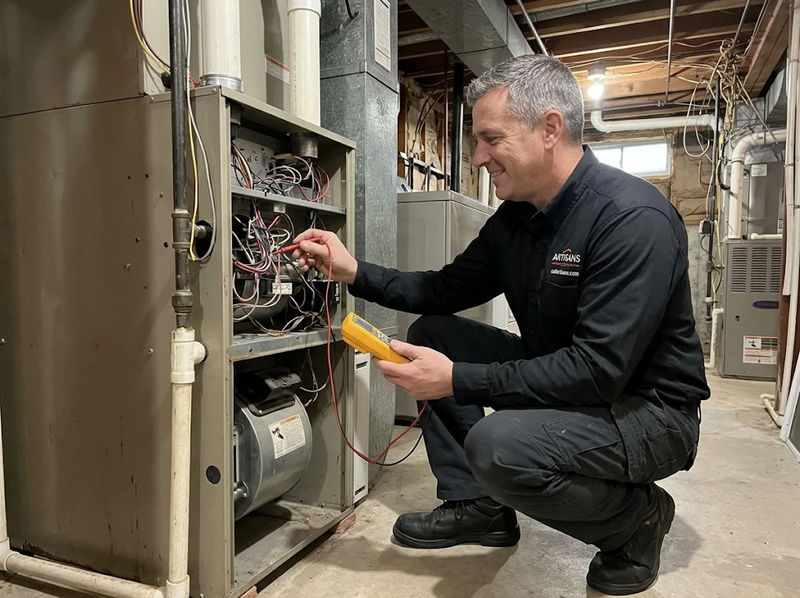
Lennox Furnace Installation Contractor in Limeport Pennsylvania
If HVAC units are improperly measured, poorly inspected, or installed incorrectly, they can rapidly transform from a reliable heat source into a massive danger leading to electrical fires or dangerous gas leaks. Regardless of whether you are replacing an old unit in a historic property or setting up a newly built home, this detailed article breaks down all vital steps of the furnace installation process so you know how the process works.
1. Repair vs. Replacement: Making the Smart Choice
Before committing to a full furnace installation, it is essential to evaluate whether your current system truly needs replacing. Furnaces do not operate indefinitely, but identifying the exact right time to replace can keep money in your pocket in costly fixes and inflated utility bills.
You should strongly consider a full furnace replacement if you observe the following indicators:
- Equipment Age: The average life expectancy of a residential furnace is typically fifteen to twenty years. If your unit falls within or is past this timeframe, its internal hardware and heating elements are certainly wearing out.
- Higher Power Bills: If your utility costs are creeping up despite keeping the thermostat the same, your furnace is wasting energy and struggling to keep your home warm.
- Repeated Failures: When the cumulative cost of repeated emergency repairs on an outdated system begins to rival the cost of a new system, replacement is the most logical step.
- Dangerous Warning Signs: Foul odors, unusual vibrations, and any suspicion of a carbon monoxide issue means you should contact an expert right away. Hazards often require an urgent swap to stop deadly accidents.
2. Choosing the Right Furnace for Your House
Furnaces vary wildly in quality. Modern heating technology has improved drastically, offering consumers unprecedented control over their indoor climate and power draw.
Decoding Efficiency Ratings
Heating efficiency is measured by the AFUE rating. A better AFUE score means that more of the raw fuel your heating unit burns is turned into usable heat for your home rather than venting outside.
- Reduced Utility Costs: High-efficiency furnaces consume less power to keep you warm. This translates to substantial financial savings over the unit’s lifespan, which is especially noticeable in areas that endure extreme cold weather.
- Going Green: Choosing a green heating system with a 90+ AFUE score typically emits far less carbon, contributing to a more eco-friendly household and helping global climate goals.
Best Heating Manufacturers for 2026
During the buying process, choosing a trusted company is vital. Looking at consumer reviews and lifespan estimates, here are some of the top-rated options:
3. Pre-Installation: Getting Ready
A perfect HVAC setup begins well before the new heating unit arrives in your driveway. Careful planning ensures that the installation happens without a hitch and that the upgraded unit functions efficiently from the very start.
Placement and Sizing
Load calculation is incredibly important in HVAC replacement. A furnace that is undersized will operate 24/7 and still freeze you out, while a unit that is oversized will rapid cycle, ruining efficiency, poor humidity control, and early system failure.
You must also find the absolute best location for the new unit to ensure proper airflow. Usually, furnaces are securely installed in a basement, HVAC room, or attic space. When choosing the area, think about how close it is to existing gas lines, electrical outlets, and your home’s core ductwork. The area must be entirely free of clutter and junk to allow enough room for maintenance calls and to prevent fire hazards.
Lennox Furnace Installation Contractor in Limeport Pennsylvania 18060
Upgrading Electrical Systems and Wiring
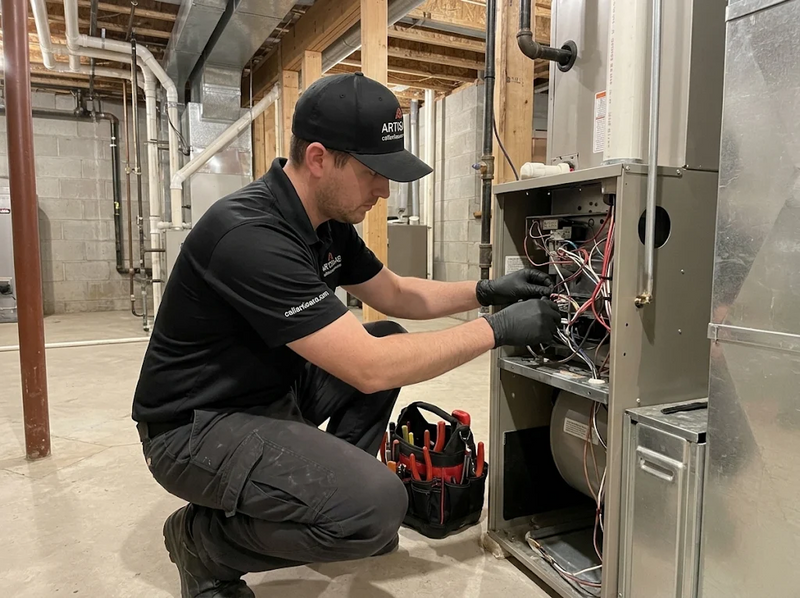
Most modern furnaces demand a separate breaker that does not share power with your home’s lighting circuits. Prior to hooking it up, an installation pro or contractor must ensure your home’s wiring and outlets are fully up-to-date and in perfect working order.
- Considerations for Older Homes: Putting a smart furnace in an aging home often necessitates upgraded wiring to provide adequate, stable power. Old knob and tube wiring can cause potential power surges that may instantly fry a new furnace’s motherboard.
Permits and Legalities
Ignoring city permits can result in severe municipal fines or headaches when it is time to move. A critical preliminary step is to get city approval ahead of the job. Following municipal laws, brand guidelines, and national safety rules like the NFPA and IRC protects homeowners and ensures the legal and safe operation of the HVAC equipment.
4. The A-to-Z Installation Day Timeline
Learning what to expect on installation day gives you confidence to stay informed and make sure the HVAC techs are doing things by the book.
Step 1: Removal Phase
The beginning of the job requires cutting power to and removing the outdated unit. The crew must strictly ensure that all electrical lines and fuel valves are locked out before beginning work. The installation team will then clear the space, clearing old ducting and trash to create a pristine, level footprint for the incoming unit.
Step 2: Placement
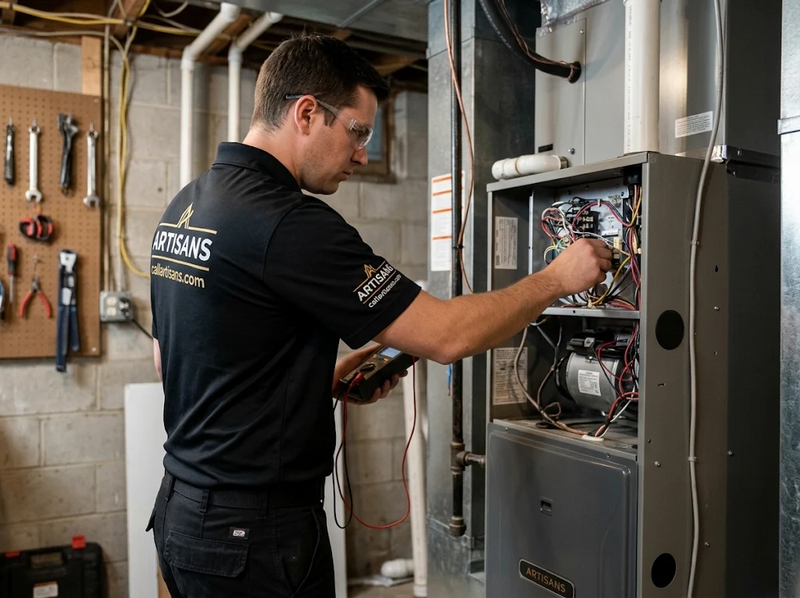
When the space is ready, the new furnace is moved into its designated location. The contractors will use a level to ensure the furnace is perfectly balanced—which is structurally required for proper condensation drainage and mechanical operation—and check that it has enough breathing room.
Step 3: Making the Connections
This crucial part connects the standalone furnace to your ducts and pipes:
- Ductwork: The installers will connect the supply and return ducts, taking great care to tape and mastic the joints to stop draftiness and push all the air into the home.
- Flue Pipes: Gluing and routing flues or exhaust pipes is mandatory to prevent a dangerous buildup of deadly exhaust gas inside the home. The system must blow all fumes safely outside the home.
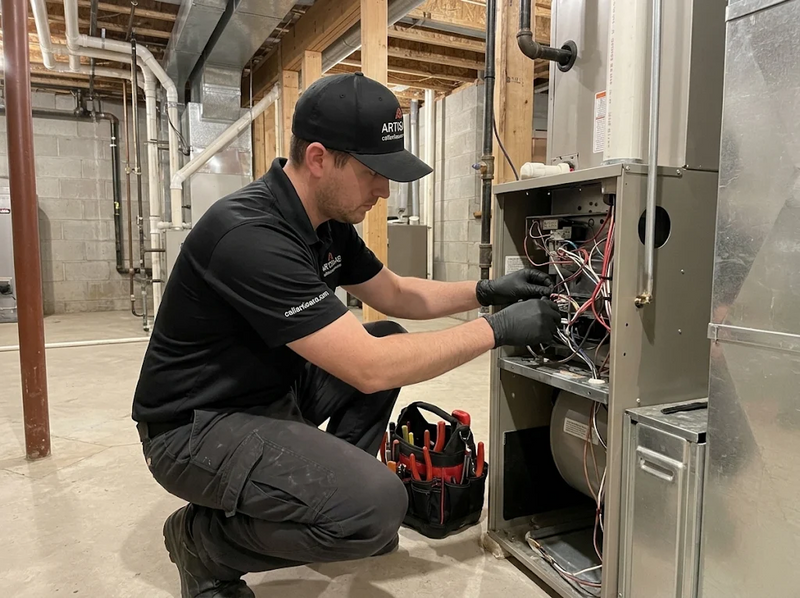
- Power and Fuel: The team will hook up the breaker with safe conduits and pipe the black iron gas line using pipe dope and wrenches.
Step 4: Wiring the Brain
The concluding phase is wiring up the smart thermostat. The pros will connect the R, W, and C wires, sync it with the furnace’s internal control board, and set the parameters for optimal efficiency and perfect temperatures.
5. Strict Safety Checks and System Testing
The job is not done when the last screw is driven. Extreme safety checks is what makes the difference between a hack and a pro.
Fuel Safety
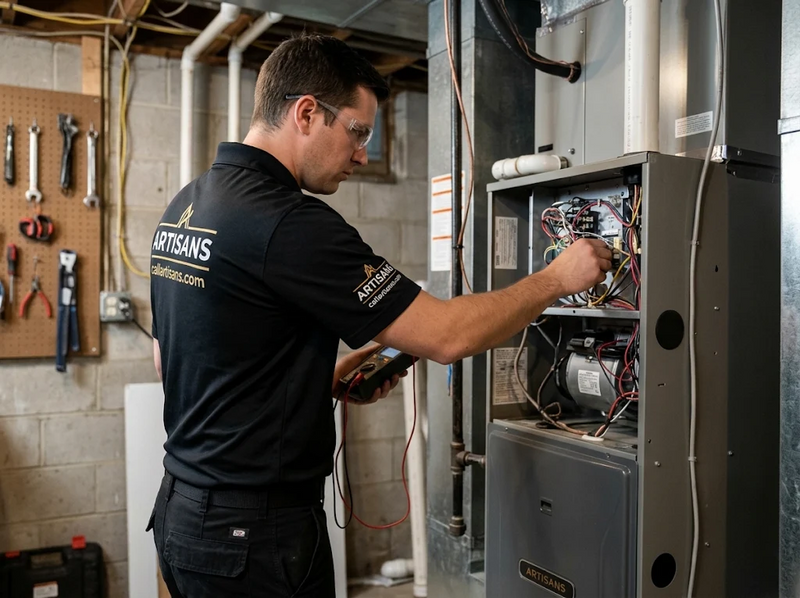
Checking the gas pipe is the number one final test. Technicians will utilize specialized gas detectors to verify that absolutely no gas is escaping from the newly established connections. They will also conduct thorough carbon monoxide testing to ensure the space is adequately ventilated and the flue is drawing air correctly.
Carbon Monoxide Detectors
Because carbon monoxide is an odorless, colorless, and potentially deadly gas, putting up or testing working carbon monoxide detectors is an important final step. If you are installing a furnace in an older home, putting up fresh detectors is strongly advised.
System Startup and Calibration
Prior to packing up the van, the technician will run the furnace for several minutes to guarantee there are no operational problems or shaking. They will check the temperature rise and ensure the blower is powerful enough, making sure every room gets warm. Post-installation inspections by the city inspector or lead tech act as the final verification that all safety measures are correctly implemented.
6. Furnace Maintenance Guide
A successful furnace installation creates the foundation, but annual tune-ups dictates the ultimate lifespan of the equipment. Skipping filter changes will ruin the high AFUE ratings you paid for.
- Keep Filters Clean: Dust-packed filters choke the blower motor, making the system overwork and waste electricity and gas while pumping dust into your house. You should aim to change your filters every 1 to 3 months, based on how often it runs, pet presence, and the MERV rating of the filter.
- Fix Drafts: Ensuring your home is well-insulated, caulking windows, and that all accessible ductwork in attics or basements is taped up significantly reduces the overall workload on your new furnace.
- Yearly Tune-Ups: Don’t let it break down on Christmas to call a professional. Book a pro to do a fall tune-up. These inspections identify bad parts and clogged drains before they become $1000 repairs.
Knowing your system is the final piece of a successful installation. A true professional will teach you about the furnace, when to change filters, and basic DIY fixes. By buying a good brand, hiring a licensed contractor, and changing filters regularly, you ensure your home remains a comfortable winter haven for the foreseeable future.
For a Lennox Furnace Installation Contractor in Limeport 18060, you can count on Artisans. We’re available 24/7 for all your Lennox Furnace Installation Contractor needs: (484) 901-5900