The Complete Property Owner’s Manual for Heating System Setup in 2026
Upgrading to a highly efficient heating system is one of the most crucial investments you can make for your property’s temperature control, peace of mind, and power conservation. That being said, a flawless furnace installation is as essential as the brand of the unit itself. Utilizing industry best practices during installation maximizes operational efficiency, reduces monthly utility bills, and protects your family from deadly risks like carbon monoxide buildup.
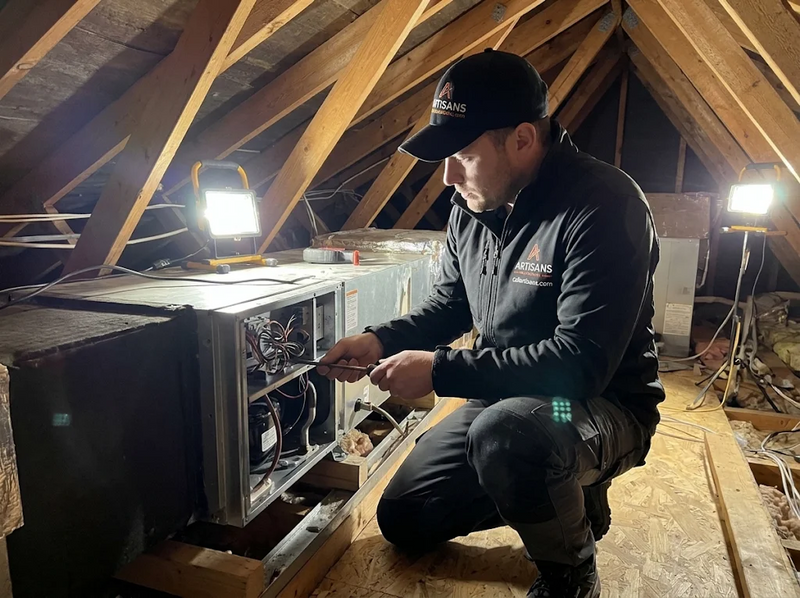
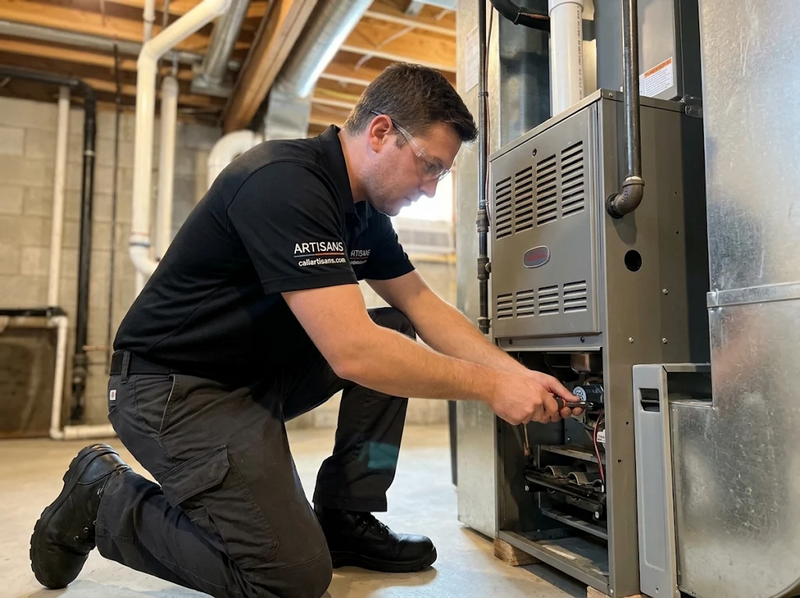
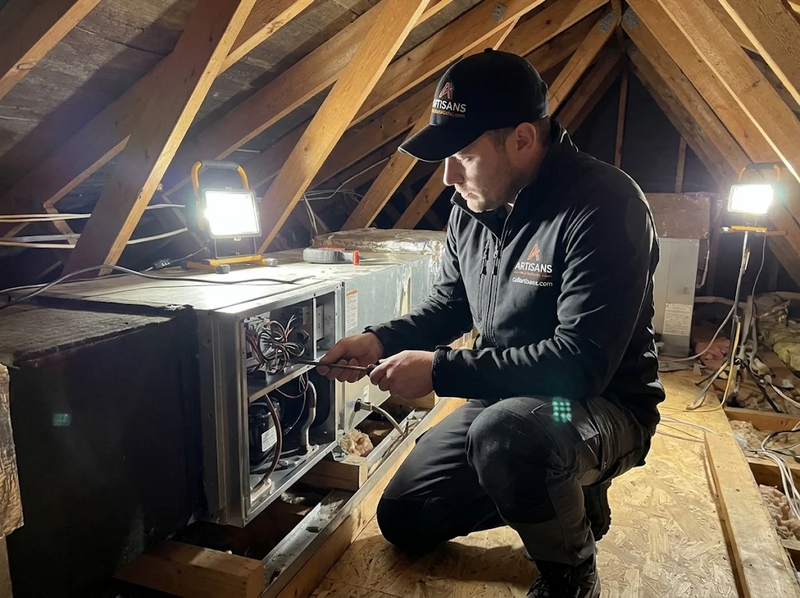
24 Hour Furnace Installation Technician in Fogelsville Pennsylvania
If heating systems are the wrong size, poorly inspected, or improperly installed, they can suddenly turn from a comforting appliance into a serious safety hazard leading to fires or fatal carbon monoxide leaks. Regardless of whether you are upgrading an failing unit in a vintage home or outfitting a newly built home, this detailed article details each important stage of the furnace installation process so you know exactly what to expect.
1. Repair vs. Replacement: Making the Smart Choice
Prior to scheduling a comprehensive furnace installation, it is imperative to assess whether your existing furnace is at the end of its life. HVAC units do not last forever, but spotting the exact right time to upgrade can prevent financial strain in emergency repairs and power loss.
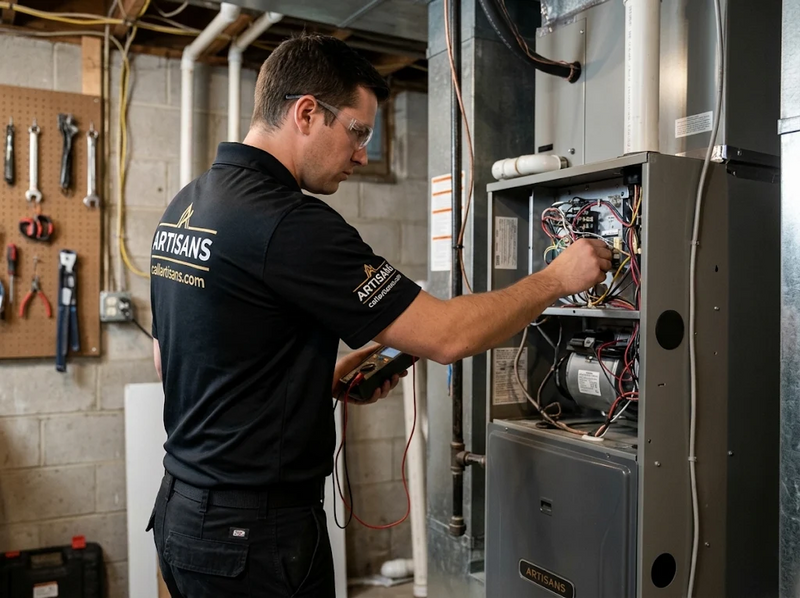
You should strongly consider a new heating unit if you spot the following red flags:
- Age of the Unit: The typical duration of a residential furnace is typically 15 to 20 years. If your system falls within or exceeds this timeframe, its moving parts and heat exchangers are probably failing.
- Escalating Energy Bills: If your gas or electric bills are increasing rapidly despite consistent usage patterns, your furnace is wasting energy and struggling to produce the exact same amount of heat.
- Frequent Breakdowns: When the cumulative cost of multiple fixes on an old, inefficient unit begins to come close to the investment of a new unit, replacement is the most economical decision.
- Imminent Safety Hazards: Gas scents, unusual vibrations, and worries about a carbon monoxide issue means you should contact an expert right away. Safety issues often require an immediate replacement to stop deadly accidents.
2. Choosing the Right Furnace for Your Home
Furnaces vary wildly in quality. Current HVAC engineering has advanced significantly, offering consumers massive influence over their indoor climate and utility usage.
What is an AFUE Rating?
Efficiency in heating is determined by the Annual Fuel Utilization Efficiency rating. A top AFUE rating means that a larger portion of the gas or electric your furnace consumes is transformed into warm air for your living space rather than escaping as exhaust.
- Reduced Utility Costs: Top-tier heating units burn less gas to heat the home. This leads to massive money saved over the unit’s lifespan, which is highly apparent in areas that experience long freezing seasons.
- Eco-Friendly Perks: Choosing a green heating system with a 90+ AFUE score reduces emissions, resulting in a more eco-friendly household and helping broader environmental sustainability.
Leading HVAC Brands for the Current Year
During the buying process, picking a good brand is vital. According to industry data and lifespan estimates, here are some of the highly recommended systems:
3. Preparation Phase: Setting the Stage
A smooth installation day begins well before the equipment arrives in your driveway. Getting ready ensures that the installation happens without a hitch and that the upgraded unit runs perfectly from the very start.
Sizing and Location Strategy
Correctly sizing the unit is arguably the most essential factor in home furnace installation. A unit that is too small will operate 24/7 and still freeze you out, while a unit that is too large will rapid cycle, causing hot and cold spots, poor humidity control, and early system failure.
You must also decide on the perfect spot for the installation to ensure proper airflow. Usually, heating systems are housed inside a basement, HVAC room, or attic space. When choosing the area, think about how close it is to existing gas lines, power sources, and your home’s main air ducts. The zone must be totally clean and junk to allow enough room for repairs and to mitigate accidental fire risks.
24 Hour Furnace Installation Technician in Fogelsville Pennsylvania 18051
Powering the Furnace
New HVAC systems require a separate breaker that is isolated from your home’s appliances. Prior to hooking it up, an HVAC technician or contractor must ensure your home’s wiring and outlets are fully up-to-date and in pristine condition.
- Vintage Property Rules: Putting a smart furnace in an historic house often demands new electrical lines to provide adequate, stable power. Old knob and tube wiring can trigger electrical spikes that may ruin a modern heater’s motherboard.
Navigating Permits and Local Building Codes
Skipping bureaucratic steps can cause hefty tickets or problems when it is time to move. A critical preliminary step is to pull the right permits ahead of the job. Following local building codes, manufacturer instructions, and national safety rules like the NFPA and IRC keeps you safe and ensures the legal and safe operation of heating systems.
4. The Complete HVAC Setup Walkthrough
Learning what to expect on the day of the install gives you confidence to stay informed and ensure their chosen contractors are not cutting corners.
Step 1: Removal Phase
The first active step is unhooking and removing the broken heater. Technicians must guarantee all electrical lines and fuel valves are safely shut off before touching the equipment. The installation team will then clear the space, taking out scrap metal and trash to create a pristine, level footprint for the new furnace.
Step 2: Placement
After prep is done, the new furnace is carried into place. The installation team will use precision leveling tools to level the system—which is structurally required for water draining and fan balance—and ensure it isn’t touching the walls.
Step 3: Connecting the Infrastructure
This complex step wires the standalone furnace to your ducts and pipes:
- Air Ducts: The installers will attach the plenums, making sure to properly seal the connections to stop draftiness and maximize overall heating efficiency.
- Flue Pipes: Perfectly installing flues or exhaust pipes is the most important step to prevent a dangerous buildup of carbon monoxide inside the living space. The furnace must push all exhaust gases out the roof or side of the house.
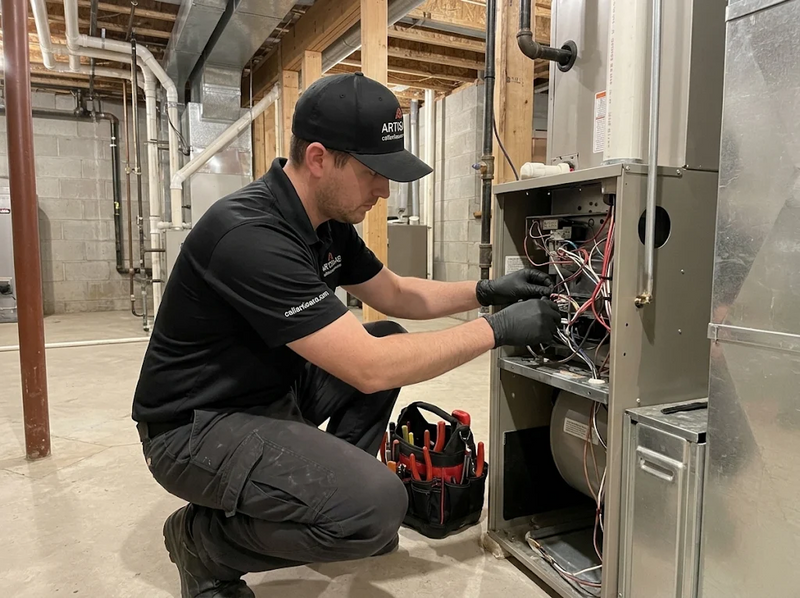
- Gas and Electrical Lines: The electrician will wire the high voltage with absolutely no exposed wires and attach the gas lines using pipe dope and wrenches.
Step 4: Smart Thermostat Setup
The concluding phase is wiring up the home’s thermostat. Technicians will wire the thermostat correctly, pair it to the system motherboard, and set the parameters for optimal efficiency and customized comfort.
5. Post-Install Safety Testing and System Testing
The installation is not complete when the final bolt is tightened. Thorough QA is what guarantees a safe home.
Checking for Gas Leaks
Testing for leaks is the most important final test. Installers will spray liquid leak detector to verify that absolutely no gas is escaping from the newly established connections. They will also test the exhaust to make sure it vents properly and the exhaust system is functioning flawlessly under load.
Carbon Monoxide Detectors
Since CO is a silent killer, installing or actively verifying the presence of working carbon monoxide detectors is an absolute must. If you are putting a unit in a vintage house, updating these detectors simultaneously with your heating system is strongly advised.
Initial Burn-In
Prior to packing up the van, the technician will cycle the system to guarantee there are no operational problems or unusual vibrations. They will measure the heat at the registers and ensure the blower is powerful enough, making sure every room gets warm. Final walk-throughs by the city inspector or lead tech act as the final verification that all protocols were followed.
6. Furnace Maintenance Guide
A great setup creates the foundation, but annual tune-ups is the key to longevity. Skipping filter changes will destroy the expensive energy efficiency gains you just purchased.
- Keep Filters Clean: A filthy filter block the air, causing overheating and spike your bills while actively degrading your indoor air quality. You should aim to change your air filters monthly during winter, based on how often it runs, how many dogs or cats you have, and the MERV rating of the filter.
- Fix Drafts: Ensuring your home is well-insulated, caulking windows, and that all exposed air ducts is taped up makes life easier on your HVAC unit.
- Call a Pro Once a Year: Don’t let it break down on Christmas to hire an HVAC company. Schedule an experienced technician to clean the system once a year. These routine check-ups find small problems and clogged drains before they escalate into expensive emergency service calls.
Knowing your system is the final piece of a successful installation. A top-tier installer will walk you through how the system works, when to change filters, and simple troubleshooting tips. By buying a good brand, prioritizing a code-compliant professional installation, and committing to simple routine maintenance, you make sure your property is a cozy, protected environment for many years.
For a 24 Hour Furnace Installation Technician in Fogelsville 18051, you can count on Artisans. We’re available 24/7 for all your 24 Hour Furnace Installation Technician needs: (484) 901-5900