The Definitive Homeowner Handbook on Furnace Replacement in 2026
Investing in a state-of-the-art heating system is one of the most impactful upgrades you can make to your home’s temperature control, peace of mind, and utility savings. But, a perfect setup procedure is as essential as the quality of the appliance itself. Applying strict guidelines during installation maximizes system performance, lowers monthly utility bills, and keeps your household entirely safe from dangerous situations like fire hazards.
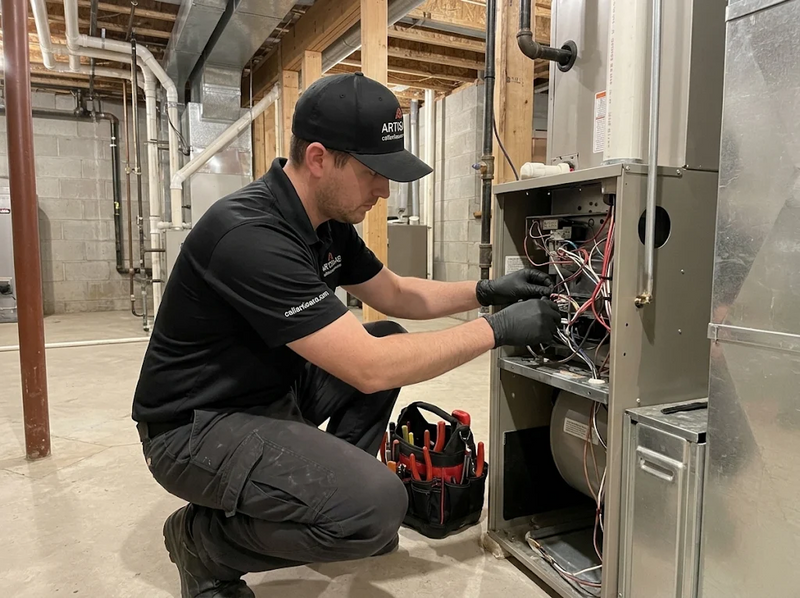
Lennox Furnace Installation Contractor in Bethlehem Pennsylvania
Whenever heating systems are the wrong size, poorly inspected, or set up wrong, they can rapidly turn from a comforting appliance into a severe threat leading to electrical fires or dangerous gas leaks. Regardless of whether you are upgrading an old unit in a historic property or equipping a newly built home, this comprehensive guide breaks down each important stage of the HVAC setup process so you know what lies ahead.
1. Should You Repair or Replace?: Making the Smart Choice
Before paying for a full system replacement, it is imperative to assess whether your current furnace actually requires replacement. Heating systems do not last forever, but identifying the ideal timeframe to replace can prevent financial strain in sudden breakdowns and power loss.
You should strongly consider a complete system overhaul if you observe the following indicators:
- Equipment Age: The average life expectancy of a home heating system is usually 15 to 20 years. If your unit is in or is past this timeframe, its internal mechanical components and heating elements are probably failing.
- Rising Utility Costs: If your gas or electric bills are increasing rapidly despite consistent usage patterns, your furnace is wasting energy and straining to produce the exact same amount of heat.
- Frequent Breakdowns: When the total expense of multiple fixes on an outdated system begins to approach or exceed the investment of a new unit, replacement is the most financially sound choice.
- Safety Concerns: Strange smells, loud clanking sounds, and any suspicion of a gas leak means you should contact an expert right away. Dangerous symptoms often demand an urgent swap to prevent catastrophic explosions.
2. Choosing the Right Furnace for Your Home
Not all furnaces are created equal. Current HVAC engineering has leaped forward, offering property owners massive influence over their indoor climate and energy consumption.
Decoding Efficiency Ratings
Efficiency in heating is measured by the AFUE rating. A top AFUE rating means that a larger portion of the gas or electric your furnace consumes is turned into warm air for your living space rather than being wasted up the chimney.
- Lower Energy Bills: Top-tier heating units fundamentally use less fuel to heat the home. This leads to great ROI over the unit’s lifespan, which is highly apparent in states that suffer from extreme cold weather.
- Going Green: Choosing a green heating system with a top-tier AFUE rating reduces emissions, contributing to a greener home and helping a cleaner environment.
Top Furnace Brands for 2026
Before setting up an install, choosing a trusted company is essential. Looking at consumer reviews and lifespan estimates, here are some of the highly recommended systems:
3. Pre-Installation: Setting the Stage
A perfect HVAC setup begins weeks before the equipment is delivered. Proper preparation guarantees the installation happens without a hitch and that the new system operates at peak performance from the very start.
Sizing and Location Strategy
Proper sizing is the most vital step in HVAC replacement. A unit that is too small will run constantly and still freeze you out, while a system that is oversized will rapid cycle, leading to massive temperature fluctuations, poor humidity control, and broken parts.
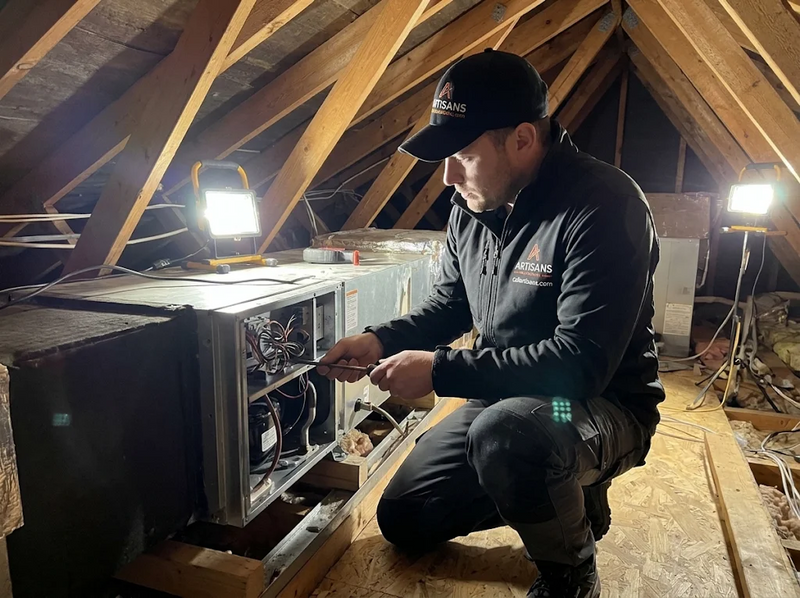
You must also decide on the perfect spot for the new unit to allow for breathing room. Most often, heating systems are housed inside a cellar, HVAC room, or attic space. When selecting the spot, consider the proximity to fuel pipes, electrical outlets, and your home’s core ductwork. The area must be entirely free of clutter and junk to guarantee sufficient clearance for repairs and to stop dangerous accidents.
Lennox Furnace Installation Contractor in Bethlehem Pennsylvania 18020
Electrical Requirements
Current heating units need a separate breaker that is isolated from your home’s lighting circuits. Before beginning the physical installation, an HVAC technician or contractor must check that your electrical panel and switches are modernized and in perfect working order.
- Vintage Property Rules: Installing a new, high-tech furnace in an older property often demands new electrical lines to provide adequate, stable power. Outdated systems can short out that may ruin a modern heater’s sensitive electronic control board.
Navigating Permits and Local Building Codes
Ignoring city permits can result in hefty tickets or headaches when it comes time to sell your home. A vital first move is to pull the right permits ahead of the job. Sticking to local building codes, brand guidelines, and overarching safety standards like the NFPA and IRC keeps you safe and ensures the legal and safe operation of the HVAC equipment.
4. The Step-by-Step HVAC Setup Walkthrough
Knowing what takes place on setup day helps you to stay informed and guarantee the installers are following strict industry best practices.
Step 1: Removal Phase
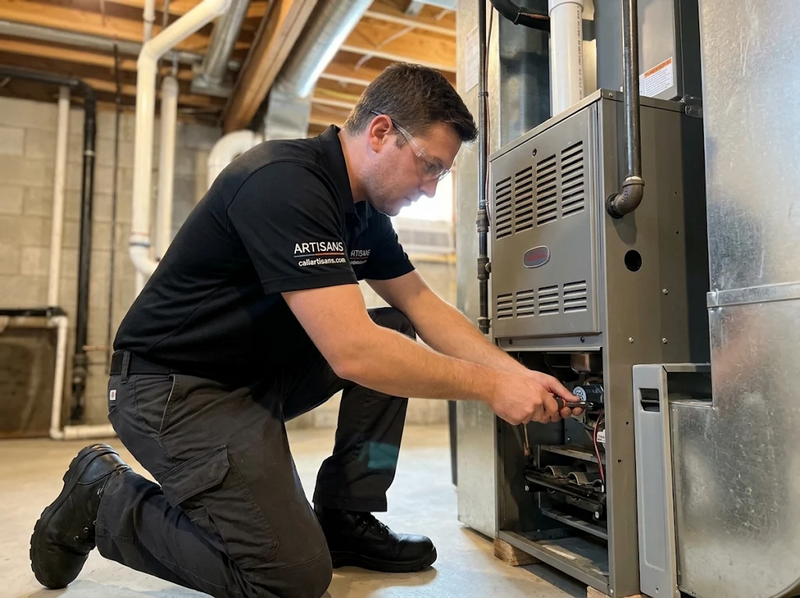
The initial phase involves unhooking and removing the old furnace. The crew must strictly ensure that all electrical lines and gas lines are locked out before starting the demo. The HVAC crew will then sweep the floor, taking out scrap metal and debris to create a pristine, level footprint for the incoming unit.
Step 2: Positioning the New Unit
Once the area is cleared, the heating unit is carried into place. The installation team will use a level to make sure it sits flat—which is absolutely necessary for moisture management and motor health—and ensure it isn’t touching the walls.
Step 3: Connecting the Infrastructure
This crucial part connects the standalone furnace to your ducts and pipes:
- Ventilation: Technicians will hook up the sheet metal, working carefully to properly seal the connections to stop draftiness and ensure maximum airflow.
- Venting: Correctly sizing and placing chimney liners is the most important step to stop a leak of deadly exhaust gas inside the home. The furnace must securely vent all exhaust gases into the outdoor air.
- Gas and Electrical Lines: The HVAC tech will hook up the breaker with absolutely no exposed wires and pipe the black iron gas line using secure, tightly threaded fittings.
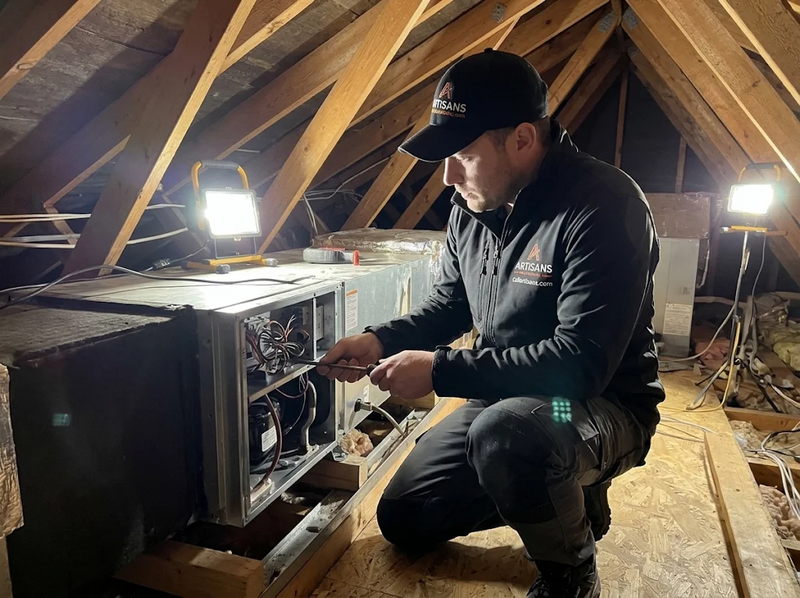
Step 4: Wiring the Brain
The final mechanical step is installing or calibrating the wall control. Technicians will hook up the low voltage wires, sync it with the furnace’s internal control board, and set the parameters for optimal efficiency and customized comfort.
5. Non-Negotiable Safety Protocols and System Testing
The work is not complete when the last screw is driven. Rigorous safety testing is what guarantees a safe home.
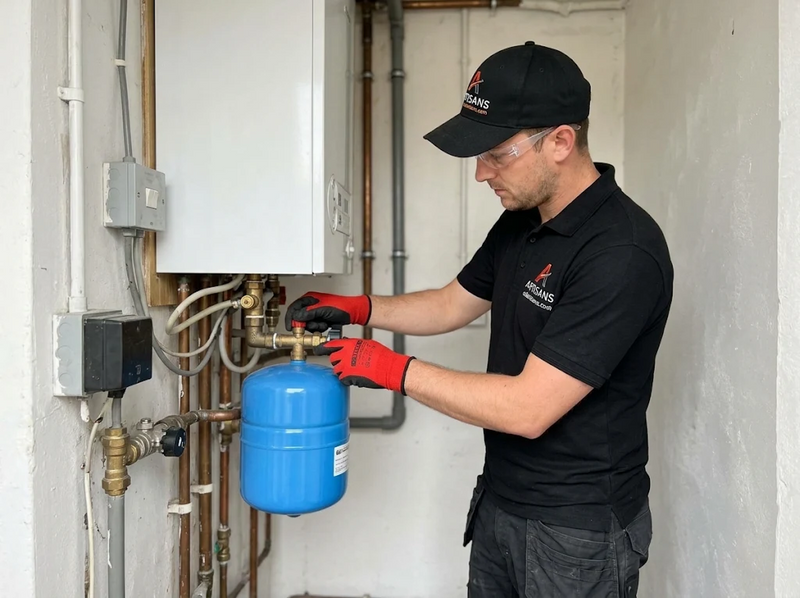
Checking for Gas Leaks
Checking the gas pipe is the most important final test. Technicians will spray liquid leak detector to verify that absolutely no gas is escaping from the new joints. They will also run a combustion analysis to ensure the space is adequately ventilated and the exhaust system is functioning flawlessly under load.
Life-Safety Devices
Since CO is a silent killer, installing or actively verifying the presence of working carbon monoxide detectors is an important final step. If you are putting a unit in a vintage house, updating these detectors simultaneously with your heating system is basically mandatory.
Initial Burn-In
Before leaving the property, the technician will cycle the system to listen for weird noises or unusual vibrations. They will measure the system’s ambient heating output and verify static pressure, verifying that the home heats evenly and efficiently across all rooms. Final walk-throughs by the city inspector or lead tech ensure all safety measures are correctly implemented.
6. Long-Term Maintenance for Peak Performance
A flawless install job sets the stage, but ongoing, diligent maintenance determines how long it will last. Ignoring maintenance will quickly reverse the expensive energy efficiency gains you just purchased.
- Change the Air Filter: Clogged or dirty air filters block the air, making the system overwork and spike your bills while actively degrading your indoor air quality. You should plan to swap your filters monthly during winter, based on how often it runs, pet presence, and the specific filter type.
- Improve Home Envelope: Ensuring your home is well-insulated, free of window drafts, and that all exposed air ducts is mastic sealed significantly reduces the overall workload on your new furnace.
- Yearly Tune-Ups: Do not wait for a complete system failure in the dead of winter to get it serviced. Hire a local expert to do a fall tune-up. These routine check-ups identify bad parts and clogged drains before they become $1000 repairs.
Customer education is the final piece of a successful installation. A true professional will teach you about the furnace, how to operate the thermostat, and simple troubleshooting tips. By buying a good brand, prioritizing a code-compliant professional installation, and changing filters regularly, you guarantee your house will be a comfortable winter haven for decades to come.
For a Lennox Furnace Installation Contractor in Bethlehem 18020, you can count on Artisans. We’re available 24/7 for all your Lennox Furnace Installation Contractor needs: (484) 901-5900