The Essential Homeowner Guide to Heating System Setup in 2026
Investing in a brand-new HVAC unit is one of the most impactful investments you can make to your home’s temperature control, safety, and energy efficiency. That being said, a professional installation process is vital compared to the brand of the hardware itself. Applying strict guidelines during installation boosts operational efficiency, slashes monthly utility bills, and protects your family from dangerous situations like carbon monoxide buildup.
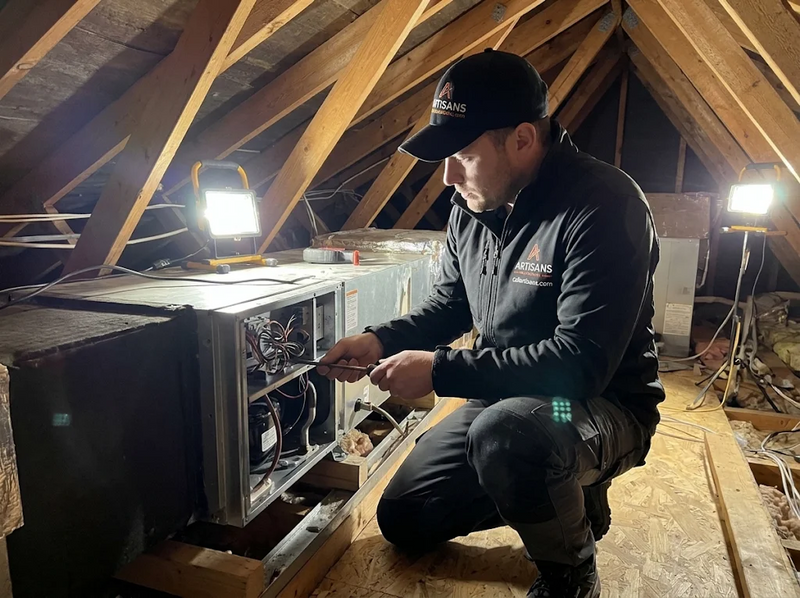
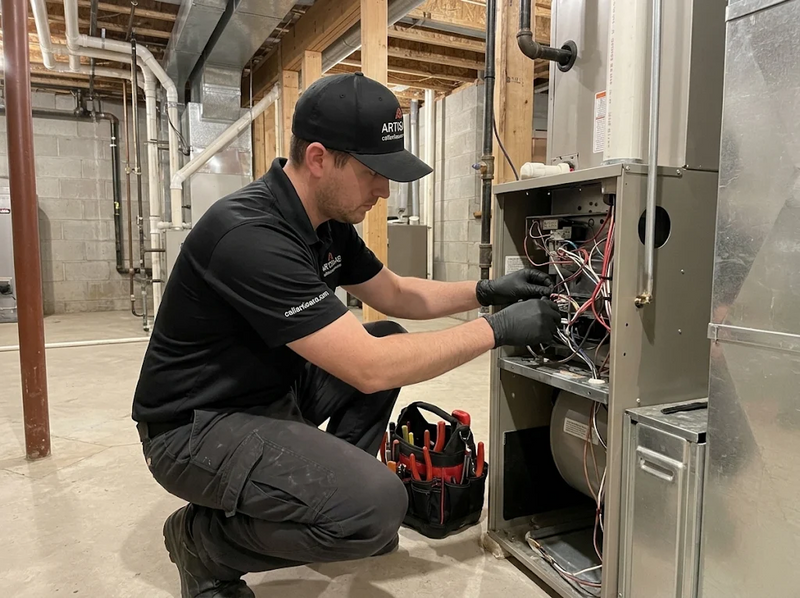
Lennox Furnace Installation Contractor in Bethlehem Pennsylvania
Whenever heating systems are improperly measured, badly reviewed, or set up wrong, they can rapidly turn from a source of winter comfort into a serious safety hazard resulting in electrical fires or fatal carbon monoxide leaks. Regardless of whether you are upgrading an aging system in a vintage home or equipping a brand-new build, this comprehensive guide explores every critical phase of the heating replacement journey so you know exactly what to expect.
1. Fixing vs. Replacing: Making the Smart Choice
Before paying for a comprehensive system replacement, it is vital to evaluate whether your old unit is at the end of its life. HVAC units do not run eternally, but spotting the exact right time to swap it out can save you thousands of dollars in costly fixes and wasted energy.
You should plan for a complete system overhaul if you observe the following warning signs:
- System Lifespan: The typical duration of a residential furnace is usually fifteen to twenty years. If your system falls within or is past this timeframe, its internal mechanical components and heating elements are probably failing.
- Higher Power Bills: If your utility costs are steadily rising despite keeping the thermostat the same, your furnace is losing its baseline efficiency and working twice as hard to produce the exact same amount of heat.
- Frequent Breakdowns: When the added price of constant service calls on an outdated system begins to approach or exceed the price of a replacement, replacement is the most financially sound choice.
- Dangerous Warning Signs: Foul odors, persistent rattling or banging noises, and worries about a carbon monoxide issue means you should contact an expert right away. Hazards often dictate an immediate replacement to avoid carbon monoxide poisoning.
2. Choosing the Right Furnace for Your Home
Every furnace is different. Current HVAC engineering has advanced significantly, offering property owners unprecedented control over their living space temperature and utility usage.
What is an AFUE Rating?
Furnace performance is calculated using the AFUE rating. A top AFUE rating means that a larger portion of the gas or electric your furnace consumes is successfully converted into usable heat for your living space rather than escaping as exhaust.
- Lower Energy Bills: High-efficiency furnaces burn less gas to keep you warm. This results in massive money saved over the unit’s lifespan, which is highly apparent in regions that endure long freezing seasons.
- Eco-Friendly Perks: Installing a high-efficiency furnace with a 90+ AFUE score reduces emissions, contributing to a smaller household carbon footprint and supporting broader environmental sustainability.
Top Furnace Brands for the Current Year
Before setting up an install, choosing a trusted company is paramount. Based on recent market performance and lifespan estimates, here are some of the top-rated options:
3. Preparation Phase: Setting the Stage
A smooth installation day begins weeks before the equipment is delivered. Proper preparation ensures that the installation proceeds safely and that the new system functions efficiently from day one.
Measuring for the Unit
Load calculation is arguably the most essential factor in HVAC replacement. A unit that is too small will operate 24/7 and still freeze you out, while a unit that is oversized will short-cycle, ruining efficiency, bad air quality, and premature mechanical wear.
You must also determine the perfect spot for the new unit to guarantee ventilation. Most often, furnaces are housed inside a cellar, dedicated utility closet, or attic space. When choosing the area, think about how close it is to existing gas lines, power sources, and your home’s main air ducts. The space must be entirely free of clutter and obstructions to guarantee sufficient clearance for repairs and to mitigate accidental fire risks.
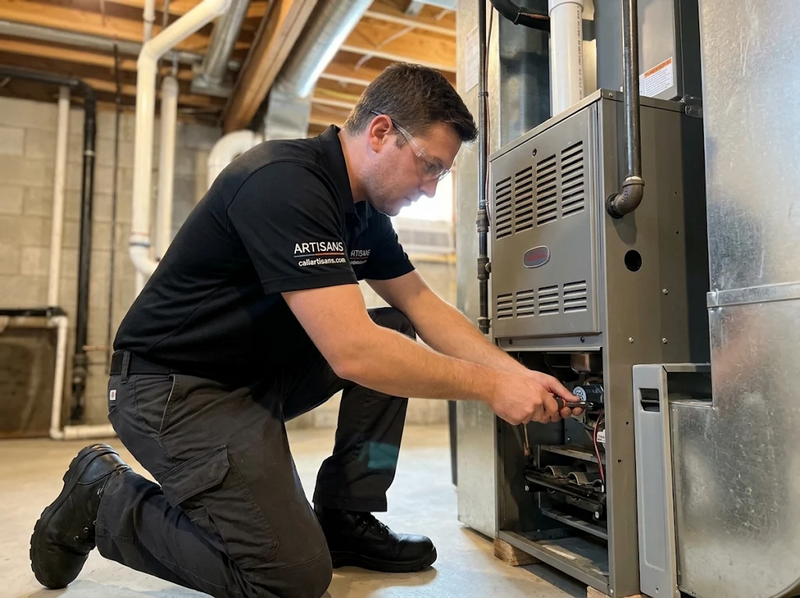
Lennox Furnace Installation Contractor in Bethlehem Pennsylvania 18017
Powering the Furnace
Most modern furnaces demand a separate breaker that is isolated from your home’s lighting circuits. Prior to hooking it up, an HVAC technician or electrician must check that your electrical panel and outlets are fully up-to-date and in safe shape.
- Considerations for Older Homes: Putting a smart furnace in an aging home often demands panel upgrades to prevent brownouts. Bad breakers can short out that may destroy a new furnace’s sensitive electronic control board.
Permits and Legalities
Ignoring city permits can result in hefty tickets or headaches when it comes time to sell your home. A critical preliminary step is to pull the right permits before starting the job. Sticking to local building codes, manufacturer instructions, and overarching safety standards like the NFPA and IRC keeps you safe and ensures the legal and safe operation of the HVAC equipment.
4. The A-to-Z Furnace Installation Process
Knowing what takes place on setup day helps you to ask the right questions and ensure their chosen contractors are following strict industry best practices.
Step 1: Tearing Out the Old Unit
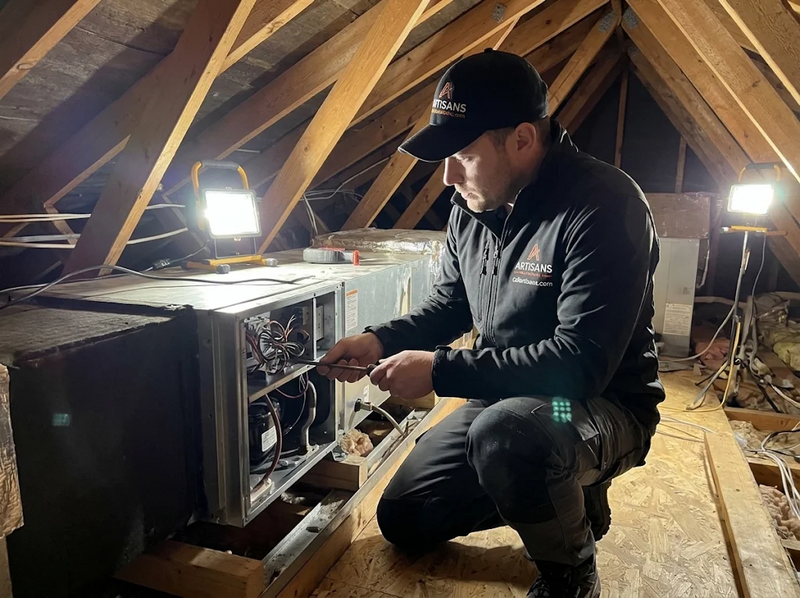
The beginning of the job is cutting power to and removing the broken heater. Technicians must double check that all power feeds and fuel valves are safely shut off before touching the equipment. The installation team will then clean the area, taking out scrap metal and debris to prepare a clean pad for the incoming unit.
Step 2: Positioning the New Unit
After prep is done, the new furnace is carried into place. The techs will use a level to make sure it sits flat—which is structurally required for moisture management and motor health—and check that it has enough breathing room.
Step 3: Hooking Everything Up
This complex step connects the standalone furnace to your house’s infrastructure:
- Ventilation: Technicians will hook up the sheet metal, working carefully to tape and mastic the joints to avoid costly air leaks and push all the air into the home.
- Exhaust and Ventilation: Correctly sizing and placing flues or exhaust pipes is the most important step to avoid the trapping of carbon monoxide inside the living space. The furnace must securely vent all exhaust gases out the roof or side of the house.
- Gas and Electrical Lines: The team will hook up the breaker with proper grounding and connect the flex gas line using secure, tightly threaded fittings.
Step 4: Wiring the Brain
The last physical part of the install is installing or calibrating the home’s thermostat. The pros will wire the thermostat correctly, sync it with the furnace’s internal control board, and set the parameters for the best energy savings and perfect temperatures.
5. Strict Safety Checks and System Testing
The installation is not done when the final bolt is tightened. Extreme safety checks is what separates amateur handymen from professional, certified HVAC technicians.
Fuel Safety
Checking the gas pipe is the most critical final test. Technicians will use electronic gas sniffers to verify that absolutely no gas is escaping from the new joints. They will also run a combustion analysis to ensure the space is adequately ventilated and the exhaust system is functioning flawlessly under load.
CO Alarms
Due to the invisible nature of carbon monoxide, checking the batteries in working carbon monoxide detectors is an absolute must. If you are upgrading an old system, buying new alarms today is basically mandatory.
Firing It Up
Before leaving the property, the lead installer will run the furnace for several minutes to listen for weird noises or unusual vibrations. They will check the temperature rise and ensure the blower is powerful enough, making sure every room gets warm. Post-installation inspections by the city inspector or lead tech ensure all protocols were followed.
6. Keeping It Running Forever
A great setup sets the stage, but annual tune-ups is the key to longevity. Ignoring maintenance will quickly reverse the expensive energy efficiency gains you just purchased.
- Replace Filters Regularly: Dust-packed filters choke the blower motor, causing overheating and waste electricity and gas while ruining the air you breathe. You should aim to change your air filters every 1 to 3 months, depending on dust levels, how many dogs or cats you have, and the MERV rating of the filter.
- Seal and Insulate: Adding attic insulation, free of window drafts, and that all exposed air ducts is taped up takes the strain off on your HVAC unit.
- Annual Professional Inspections: Don’t let it break down on Christmas to get it serviced. Schedule an experienced technician to do a fall tune-up. These routine check-ups find small problems and failing flame sensors before they become $1000 repairs.
Knowing your system is the cherry on top. A true professional will show you the ropes, how to operate the thermostat, and basic DIY fixes. By investing in a high-quality unit, hiring a licensed contractor, and committing to simple routine maintenance, you make sure your property is a warm, safe, and highly efficient sanctuary for decades to come.
For a Lennox Furnace Installation Contractor in Bethlehem 18017, you can count on Artisans. We’re available 24/7 for all your Lennox Furnace Installation Contractor needs: (484) 901-5900