The Ultimate Homeowner’s Handbook on Furnace Replacement in Today’s Market
Committing to a modern furnace is one of the most crucial improvements you can make to your home’s indoor climate, peace of mind, and energy efficiency. However, a high-quality installation process is as essential as the tier of the equipment itself. Following strict guidelines during installation enhances operational efficiency, slashes long-term running costs, and protects your family from dangerous situations like gas leaks.
Trane Furnace Installation Contractor in Wescosville Pennsylvania
When heating systems are incorrectly sized, poorly inspected, or installed incorrectly, they can quickly transform from a source of winter comfort into a serious safety hazard involving fires or fatal carbon monoxide leaks. Regardless of whether you are replacing an outdated system in a historic property or equipping a brand-new build, this in-depth post details all vital steps of the HVAC setup process so you know exactly what to expect.
1. Repair vs. Replacement: Making the Smart Choice
Prior to scheduling a full furnace installation, it is essential to evaluate whether your old system is at the end of its life. HVAC units do not last forever, but recognizing the ideal timeframe to upgrade can prevent financial strain in emergency repairs and wasted energy.
You should strongly consider a full furnace replacement if you experience the following red flags:
- System Lifespan: The standard, reliable lifespan of a home heating system is usually fifteen to twenty years. If your system is in or is past this timeframe, its internal hardware and heat exchangers are certainly wearing out.
- Escalating Energy Bills: If your heating bills are creeping up despite consistent usage patterns, your furnace is becoming highly inefficient and straining to generate the same temperature.
- Constant Repairs: When the cumulative cost of constant service calls on an old, inefficient unit begins to rival the price of a replacement, replacement is the most logical step.
- Dangerous Warning Signs: Foul odors, unusual vibrations, and any hint of a carbon monoxide issue means you should shut the system off and call a tech. Hazards often dictate an urgent swap to stop deadly accidents.
2. Choosing the Right Furnace for Your Home
Not all furnaces are created equal. Modern heating technology has improved drastically, offering homeowners unprecedented control over their indoor climate and utility usage.
Decoding Efficiency Ratings
Furnace performance is determined by the AFUE rating. A top AFUE rating means that more of the raw fuel your system uses is turned into warm air for your home rather than being wasted up the chimney.
- Reduced Utility Costs: Top-tier heating units fundamentally use less fuel to heat the home. This translates to substantial financial savings over the life of the furnace, which is especially noticeable in regions that experience harsh, prolonged winters.
- Eco-Friendly Perks: Selecting a high-efficiency furnace with a top-tier AFUE rating typically emits far less carbon, contributing to a more eco-friendly household and helping a cleaner environment.
Top Furnace Brands for the Current Year
During the buying process, picking a good brand is paramount. Looking at consumer reviews and durability, here are some of the highly recommended systems:
3. Before the Install: Getting Ready
A smooth installation day begins weeks before the new heating unit arrives in your driveway. Proper preparation guarantees the installation happens without a hitch and that the upgraded unit functions efficiently from the first time you turn it on.
Measuring for the Unit
Correctly sizing the unit is the most vital step in home furnace installation. A unit that is undersized will operate 24/7 while leaving rooms cold, while a system that is oversized will rapid cycle, causing hot and cold spots, poor humidity control, and premature mechanical wear.
You must also find the perfect spot for the installation to guarantee ventilation. Typically, furnaces are housed inside a cellar, HVAC room, or garage. When selecting the spot, consider the proximity to existing gas lines, electrical outlets, and your home’s main air ducts. The area must be completely cleared out and junk to guarantee sufficient clearance for future servicing and to stop dangerous accidents.
Trane Furnace Installation Contractor in Wescosville Pennsylvania 18106
Electrical Requirements
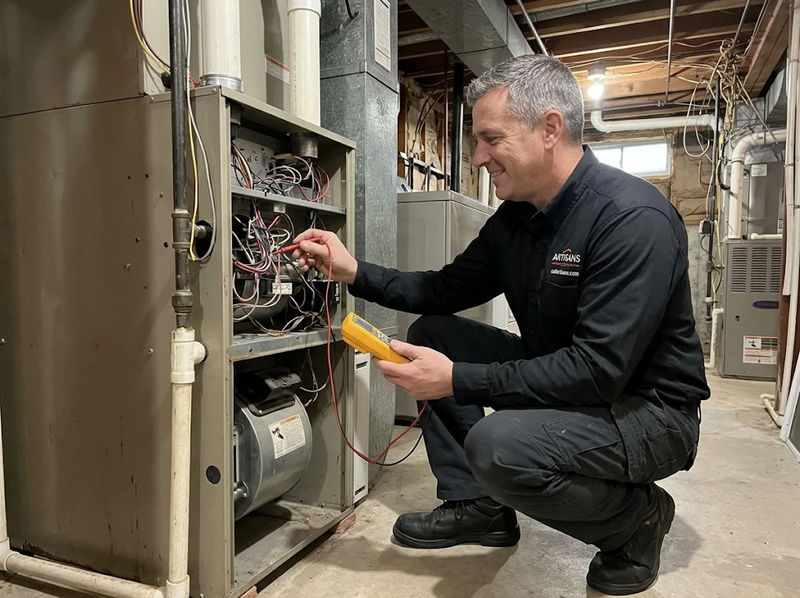
New HVAC systems need a separate breaker that does not share power with your home’s lighting circuits. Before dropping the unit in, an HVAC technician or electrician must ensure your home’s wiring and outlets are modernized and in pristine condition.
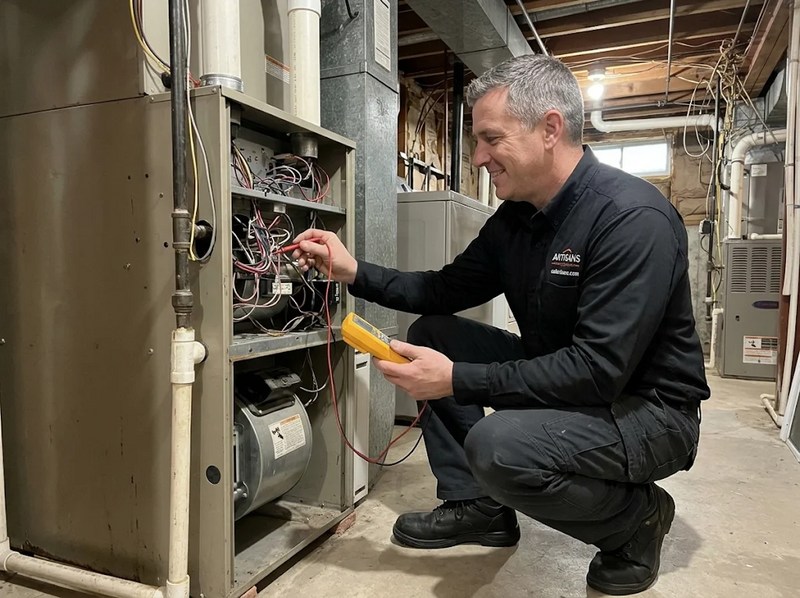
- If You Have an Older House: Putting a smart furnace in an aging home often requires panel upgrades to give it the juice it needs. Old knob and tube wiring can cause potential power surges that may ruin a modern heater’s sensitive electronic control board.
Permits and Legalities
Ignoring city permits can result in hefty tickets or legal complications when it is time to move. A must-do task is to get city approval before starting the home furnace installation. Sticking to local building codes, manufacturer instructions, and national safety rules like the NFPA and IRC keeps you safe and ensures the legal and safe operation of heating systems.
4. The Step-by-Step Furnace Installation Process
Knowing what takes place on the day of the install gives you confidence to ask the right questions and guarantee the installers are doing things by the book.
Step 1: Disconnection and Safe Removal
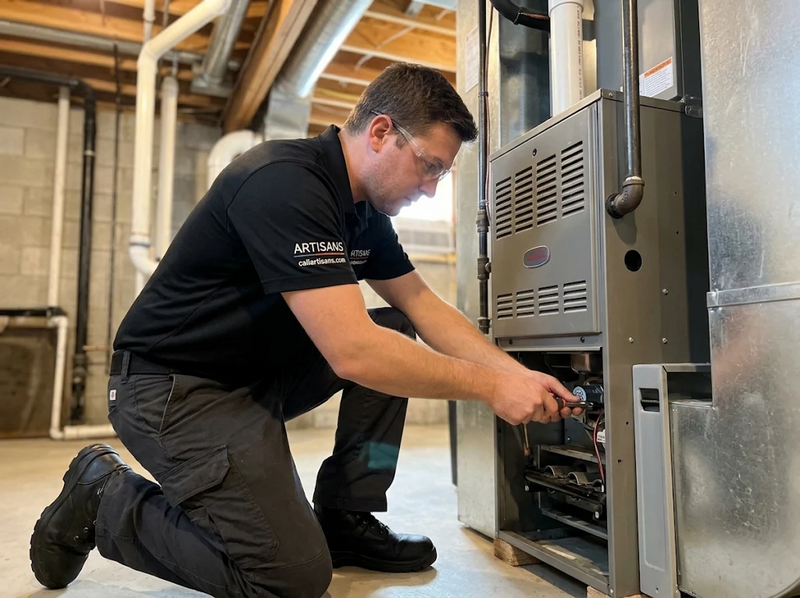
The beginning of the job involves unhooking and trashing the broken heater. Technicians must double check that all electrical lines and fuel valves are safely shut off before starting the demo. The HVAC crew will then clear the space, taking out scrap metal and debris to make a flat surface for the new furnace.
Step 2: Positioning the New Unit
After prep is done, the heating unit is set on the pad. The techs will use a level to ensure the furnace is perfectly balanced—which is structurally required for moisture management and fan balance—and check that it has enough breathing room.
Step 3: Hooking Everything Up
This crucial part wires the new unit to your ducts and pipes:
- Ventilation: The installers will connect the supply and return ducts, taking great care to properly seal the connections to avoid costly air leaks and maximize overall heating efficiency.
- Flue Pipes: Gluing and routing flues or exhaust pipes is mandatory to avoid the trapping of deadly exhaust gas inside the home. The system must push all exhaust gases safely outside the home.
- Power and Fuel: The electrician will establish secure electrical connections with absolutely no exposed wires and pipe the black iron gas line using pipe dope and wrenches.
Step 4: Thermostat Integration
The final mechanical step is installing or calibrating the wall control. The pros will hook up the low voltage wires, sync it with the furnace’s internal control board, and adjust the initial baseline settings for optimal efficiency and perfect temperatures.
5. Post-Install Safety Testing and System Testing
The work is not complete when the last screw is driven. Rigorous safety testing is what separates amateur handymen from professional, certified HVAC technicians.
Leak Detection and Prevention
Sniffing for gas is the number one post-installation safety check. Technicians will utilize specialized gas detectors to verify that absolutely no gas is escaping from the threaded fittings. They will also run a combustion analysis to check for CO spillage and the exhaust system is functioning flawlessly under load.
CO Alarms
Since CO is a silent killer, checking the batteries in working carbon monoxide detectors is an important final step. If you are upgrading an old system, buying new alarms today is highly recommended.
Firing It Up
Before handing over the invoice, the lead installer will turn on the heat to guarantee there are no operational problems or shaking. They will measure the system’s ambient heating output and ensure the blower is powerful enough, verifying that the home heats evenly and efficiently across all rooms. Post-installation inspections by qualified professionals ensure all safety measures are correctly implemented.
6. Furnace Maintenance Guide
A flawless install job sets the stage, but annual tune-ups determines how long it will last. Ignoring maintenance will destroy the savings you were hoping to get.
- Replace Filters Regularly: Dust-packed filters choke the blower motor, causing overheating and spike your bills while ruining the air you breathe. You should aim to change your air filters every 1 to 3 months, based on how often it runs, pet presence, and the specific filter type.
- Improve Home Envelope: Keeping the cold out, free of window drafts, and that all accessible ductwork in attics or basements is taped up takes the strain off on your HVAC unit.
- Call a Pro Once a Year: Never wait for an emergency to hire an HVAC company. Hire a local expert to clean the system once a year. These routine check-ups catch minor leaks and failing flame sensors before they become $1000 repairs.
Being an informed homeowner is the last step in the process. A true professional will walk you through how the system works, when to change filters, and simple troubleshooting tips. By investing in a high-quality unit, prioritizing a code-compliant professional installation, and committing to simple routine maintenance, you guarantee your house will be a comfortable winter haven for many years.
For a Trane Furnace Installation Contractor in Wescosville 18106, you can count on Artisans. We’re available 24/7 for all your Trane Furnace Installation Contractor needs: (484) 901-5900