A Comprehensive Property Owner’s Guide to Heating System Setup in the Modern Era
Committing to a modern heating unit is one of the most crucial improvements you can make to your home’s temperature control, security, and power conservation. Yet, a professional installation process is just as critical as the tier of the hardware itself. Applying strict guidelines during installation improves operational efficiency, slashes monthly utility bills, and protects your family from deadly risks like gas leaks.
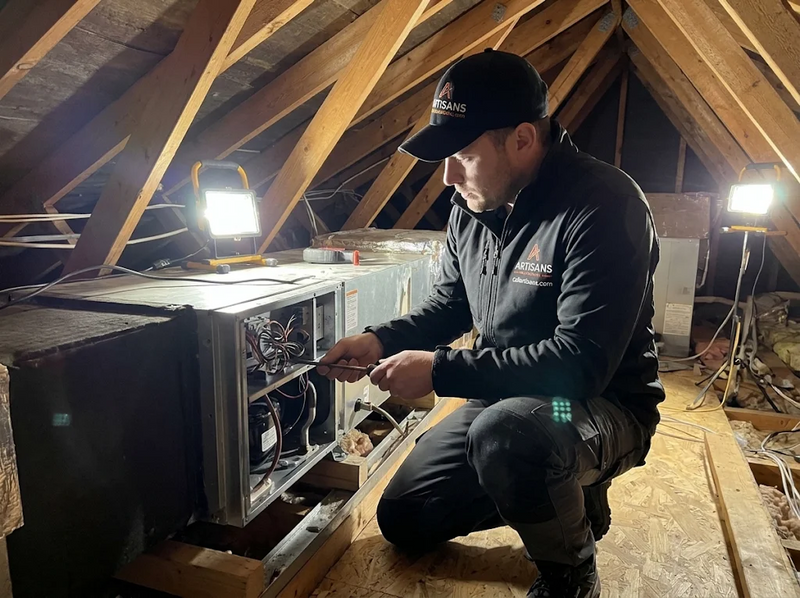
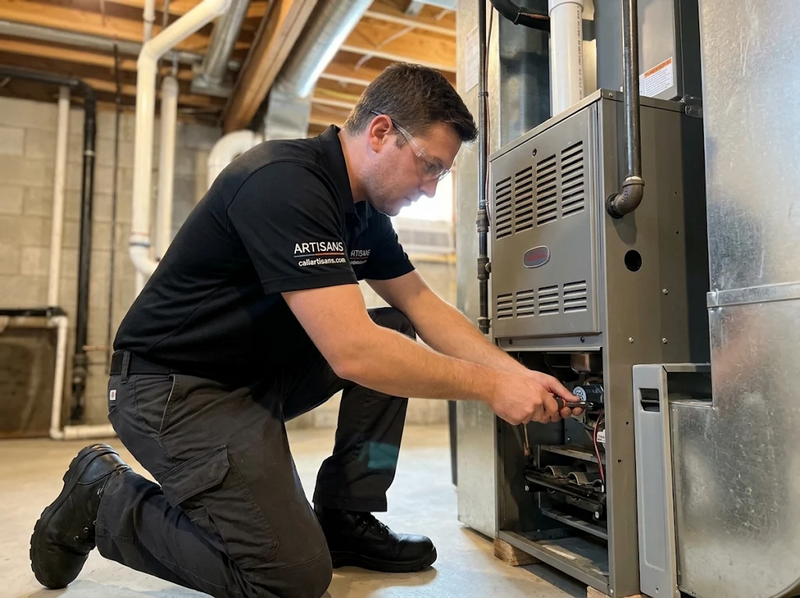
Trane Furnace Installation Contractor in Bethlehem Pennsylvania
If heating systems are incorrectly sized, badly reviewed, or improperly installed, they can quickly transform from a reliable heat source into a serious safety hazard involving fires or fatal carbon monoxide leaks. Regardless of whether you are upgrading an failing unit in a historic property or outfitting a new construction, this comprehensive guide covers each important stage of the furnace installation process so you know what lies ahead.
1. Should You Repair or Replace?: Making the Right Call
Before committing to a complete furnace installation, it is vital to figure out whether your old system truly needs replacing. HVAC units do not run eternally, but spotting the perfect moment to replace can keep money in your pocket in emergency repairs and wasted energy.
You should strongly consider a complete system overhaul if you experience the following red flags:
- Age of the Unit: The typical duration of a home heating system is generally 15 to 20 years. If your unit falls within or is past this range, its internal hardware and heat exchangers are likely deteriorating.
- Escalating Energy Bills: If your heating bills are creeping up despite normal use, your furnace is becoming highly inefficient and straining to keep your home warm.
- Frequent Breakdowns: When the added price of multiple fixes on an outdated system begins to approach or exceed the price of a replacement, replacement is the most financially sound choice.
- Imminent Safety Hazards: Foul odors, persistent rattling or banging noises, and any hint of a gas leak means you should contact an expert right away. Safety issues often demand an immediate replacement to stop deadly accidents.
2. Choosing the Right Furnace for Your Property
Every furnace is different. Today’s climate control tech has advanced significantly, offering homeowners total command over their indoor climate and energy consumption.
What is an AFUE Rating?
Efficiency in heating is determined by the AFUE rating. A higher AFUE percentage means that a larger portion of the gas or electric your heating unit burns is transformed into warm air for your living space rather than escaping as exhaust.
- Cheaper Heating: High-efficiency furnaces fundamentally use less fuel to keep you warm. This leads to great ROI over the unit’s lifespan, which is especially noticeable in states that suffer from extreme cold weather.
- Environmental Benefits: Choosing a green heating system with a top-tier AFUE rating lowers pollution, creating a greener home and helping global climate goals.
Top Furnace Brands for 2026
Before setting up an install, choosing a trusted company is essential. Based on recent market performance and lifespan estimates, here are some of the best choices:
3. Pre-Installation: Getting Ready
A successful furnace installation begins long before the equipment shows up at your door. Careful planning guarantees the installation happens without a hitch and that the new system functions efficiently from the first time you turn it on.
Sizing and Location Strategy
Load calculation is arguably the most essential factor in HVAC replacement. A unit that is too small will run constantly and still freeze you out, while a unit that is too large will rapid cycle, causing hot and cold spots, poor humidity control, and broken parts.
You must also determine the perfect spot for the new unit to guarantee ventilation. Usually, heating systems are housed inside a basement, HVAC room, or garage. When choosing the area, think about how close it is to existing gas lines, power sources, and your home’s core ductwork. The zone must be entirely free of clutter and obstructions to guarantee sufficient clearance for repairs and to stop dangerous accidents.
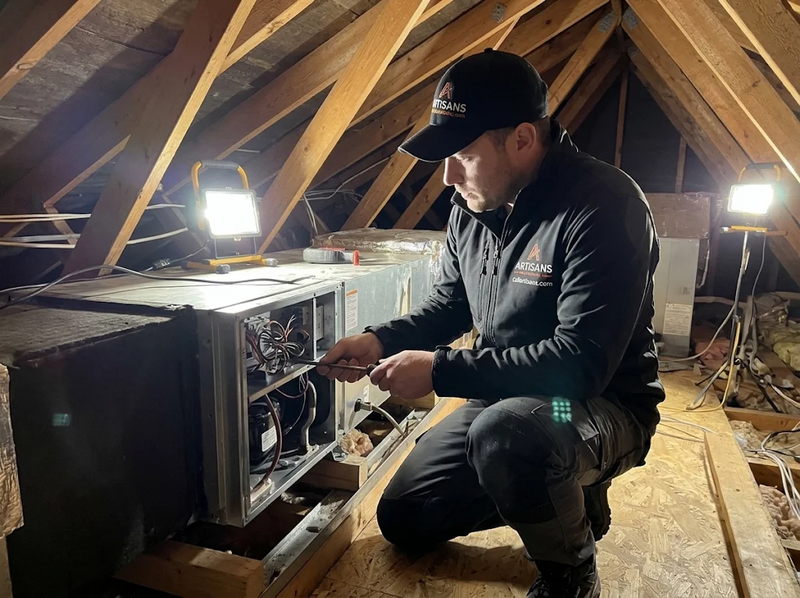
Trane Furnace Installation Contractor in Bethlehem Pennsylvania 18015
Powering the Furnace
New HVAC systems need a dedicated electrical circuit that remains entirely separate from your home’s other electrical systems. Before dropping the unit in, an installation pro or contractor must ensure your home’s wiring and outlets are fully up-to-date and in safe shape.
- Considerations for Older Homes: Putting a smart furnace in an older property often demands upgraded wiring to provide adequate, stable power. Old knob and tube wiring can cause potential power surges that may ruin a new furnace’s sensitive electronic control board.
Dealing with City Codes
Bypassing the legal process can lead to hefty tickets or legal complications when it comes time to sell your home. A critical preliminary step is to pull the right permits before starting the job. Adhering to local building codes, manufacturer instructions, and national safety rules like the NFPA and IRC protects homeowners and ensures the legal and safe operation of the HVAC equipment.
4. The A-to-Z Furnace Installation Process
Learning what to expect on setup day gives you confidence to stay informed and make sure the HVAC techs are not cutting corners.
Step 1: Removal Phase
The first active step requires cutting power to and trashing the broken heater. Technicians must double check that all power feeds and fuel valves are locked out before touching the equipment. The installation team will then clean the area, taking out scrap metal and trash to prepare a clean pad for the incoming unit.
Step 2: Setting the Furnace
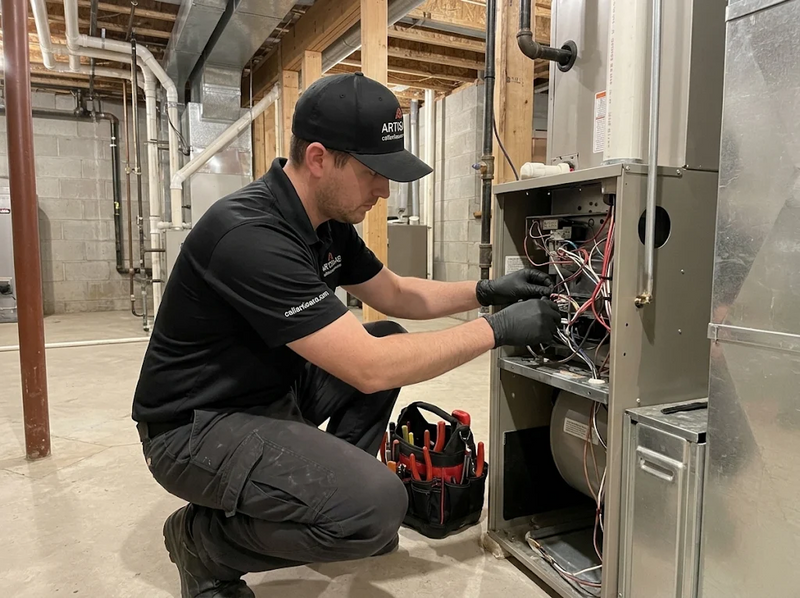
When the space is ready, the new furnace is set on the pad. The installation team will shim the unit to make sure it sits flat—which is structurally required for proper condensation drainage and motor health—and verify it meets all manufacturer-required spatial clearances.
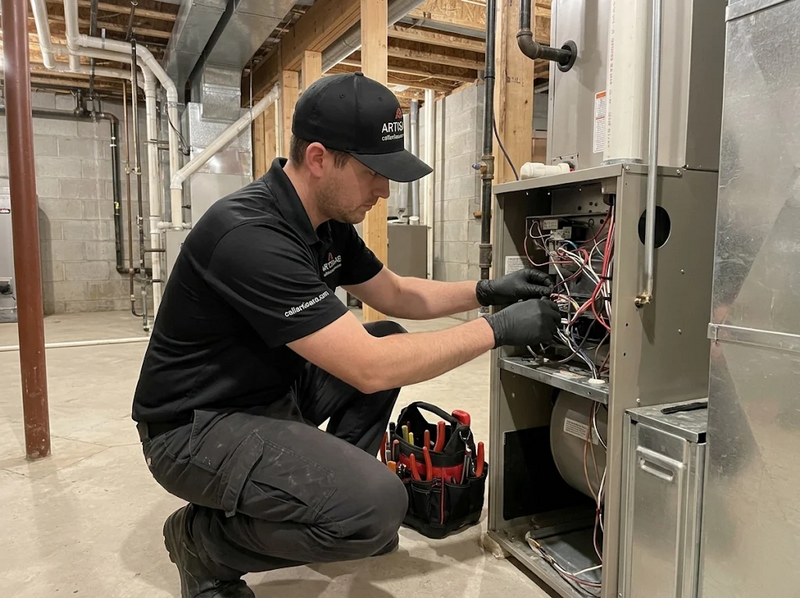
Step 3: Connecting the Infrastructure
This crucial part wires the standalone furnace to your house’s infrastructure:
- Ventilation: Technicians will hook up the sheet metal, working carefully to seal out air to prevent whistling and maximize overall heating efficiency.
- Venting: Perfectly installing PVC vent pipes is the most important step to avoid the trapping of deadly exhaust gas inside the living space. The system must push all exhaust gases safely outside the home.
- Gas and Electrical Lines: The electrician will wire the high voltage with proper grounding and attach the gas lines using leak-free joints.
Step 4: Smart Thermostat Setup
The last physical part of the install is installing or calibrating the wall control. Technicians will hook up the low voltage wires, sync it with the furnace’s internal control board, and program the schedules for the best energy savings and perfect temperatures.
5. Non-Negotiable Safety Protocols and System Testing
The work is unfinished when the last screw is driven. Rigorous safety testing is what separates amateur handymen from professional, certified HVAC technicians.
Leak Detection and Prevention
Testing for leaks is the number one final test. Technicians will spray liquid leak detector to make sure zero gas is leaking from the newly established connections. They will also conduct thorough carbon monoxide testing to check for CO spillage and the exhaust system is functioning flawlessly under load.
Carbon Monoxide Detectors
Since CO is a silent killer, installing or actively verifying the presence of working carbon monoxide detectors is an important final step. If you are putting a unit in a vintage house, updating these detectors simultaneously with your heating system is basically mandatory.
System Startup and Calibration
Before leaving the property, the technician will run the furnace for several minutes to listen for weird noises or shaking. They will measure the heat at the registers and test for proper airflow, making sure every room gets warm. Final walk-throughs by the city inspector or lead tech ensure all protocols were followed.
6. Furnace Maintenance Guide
A successful furnace installation creates the foundation, but annual tune-ups determines how long it will last. Ignoring maintenance will destroy the expensive energy efficiency gains you just purchased.
- Replace Filters Regularly: Clogged or dirty air filters block the air, making the system overwork and consume more energy while ruining the air you breathe. You should replace your filters every 1 to 3 months, depending on dust levels, how many dogs or cats you have, and the specific filter type.
- Seal and Insulate: Ensuring your home is well-insulated, caulking windows, and that all accessible ductwork in attics or basements is properly sealed significantly reduces the overall workload on your HVAC unit.
- Annual Professional Inspections: Never wait for an emergency to get it serviced. Book a pro to clean the system once a year. These inspections identify bad parts and dirty burners before they leave you freezing in the middle of the night.
Knowing your system is the final piece of a successful installation. A top-tier installer will teach you about the furnace, when to change filters, and simple troubleshooting tips. By buying a good brand, prioritizing a code-compliant professional installation, and committing to simple routine maintenance, you guarantee your house will be a cozy, protected environment for decades to come.
For a Trane Furnace Installation Contractor in Bethlehem 18015, you can count on Artisans. We’re available 24/7 for all your Trane Furnace Installation Contractor needs: (484) 901-5900