The Essential Property Owner’s Guide to Heating System Setup in 2026
Committing to a highly efficient heating system is one of the most crucial enhancements you can make to your residence’s indoor climate, peace of mind, and power conservation. That being said, a perfect installation process is just as critical as the brand of the hardware itself. Applying professional standards during installation maximizes system performance, reduces lifetime operational expenses, and protects your family from dangerous situations like fire hazards.
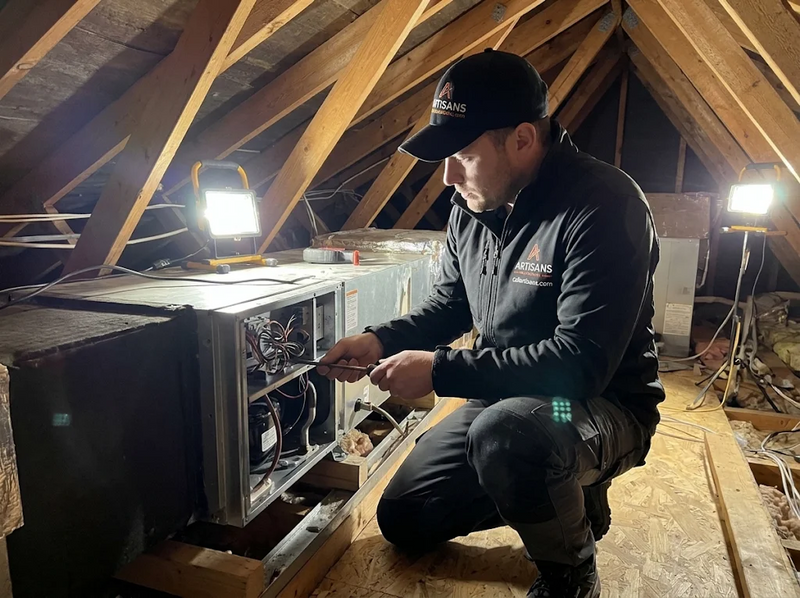
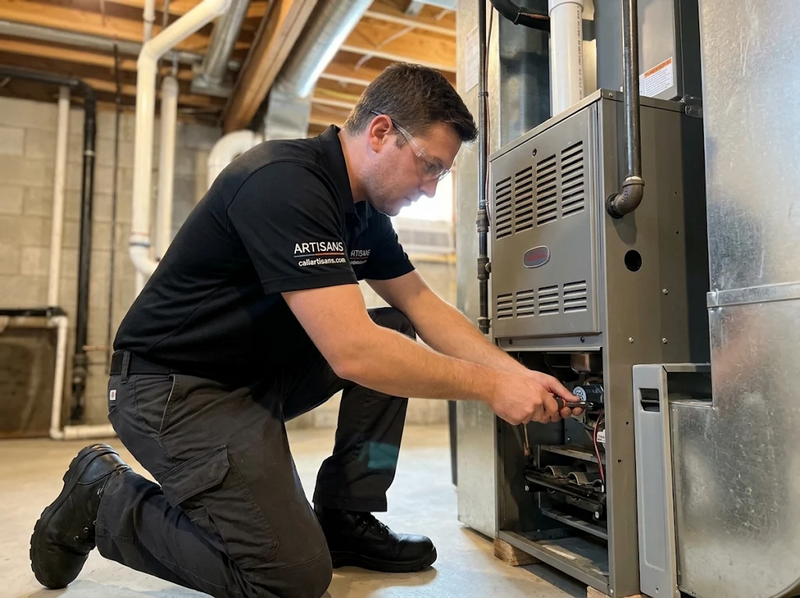
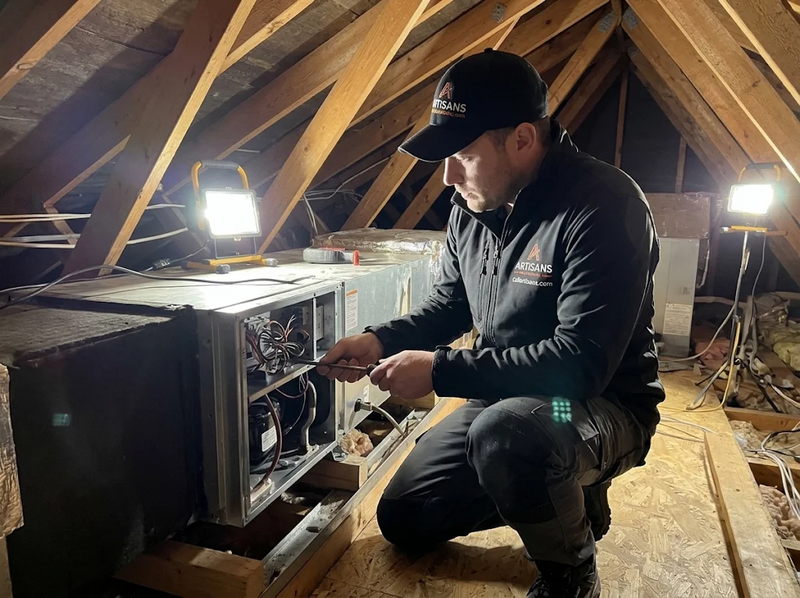
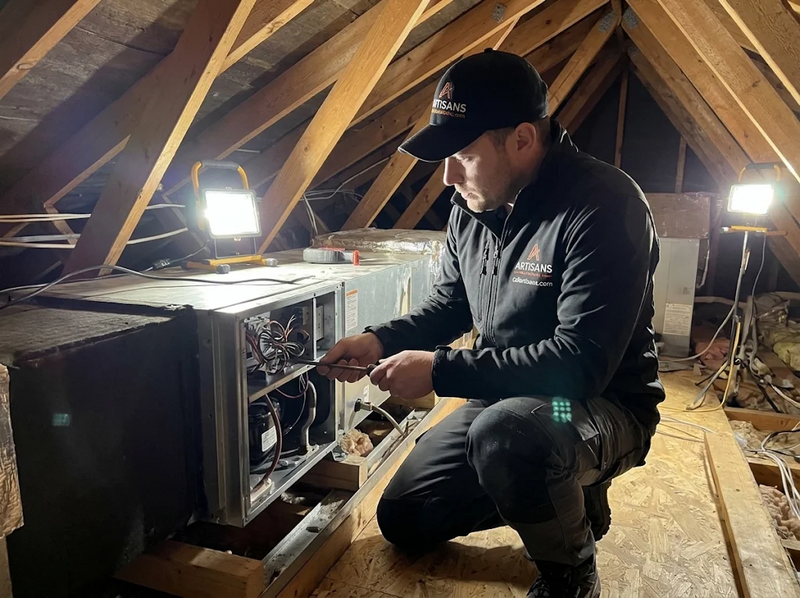
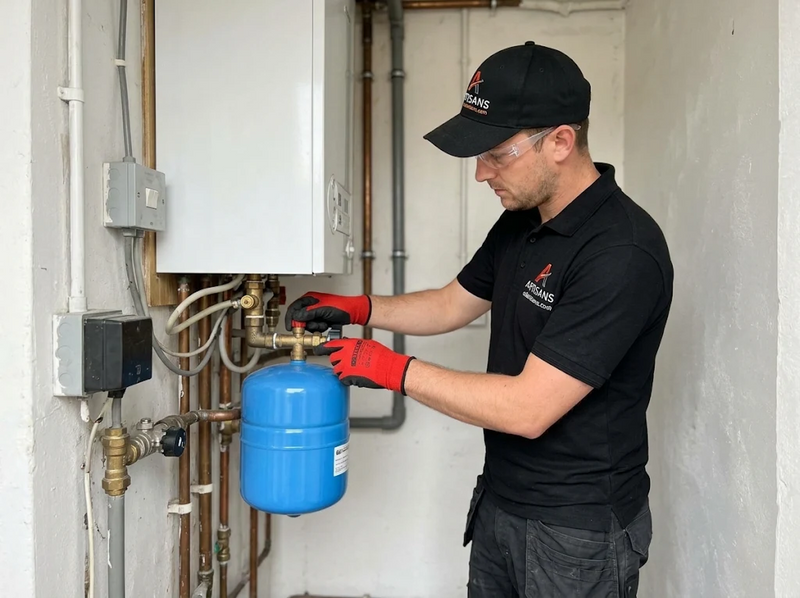
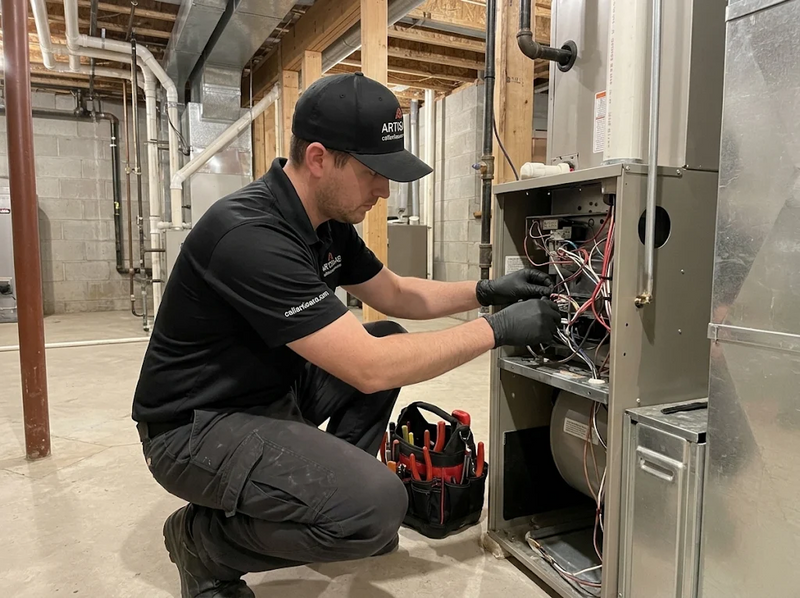
24 Hour Furnace Installation Technician in Wescosville Pennsylvania
If HVAC units are the wrong size, badly reviewed, or installed incorrectly, they can rapidly turn from a reliable heat source into a severe threat involving electrical fires or dangerous gas leaks. Whether you are swapping out an outdated unit in a vintage home or equipping a new construction, this detailed article explores all vital steps of the HVAC setup process so you know how the process works.
1. Fixing vs. Replacing: Deciding What’s Best
Before committing to a comprehensive system replacement, it is imperative to determine whether your current unit actually requires replacement. Heating systems do not run eternally, but identifying the ideal timeframe to replace can save you thousands of dollars in sudden breakdowns and inflated utility bills.
You should plan for a complete system overhaul if you notice the following indicators:
- Equipment Age: The average life expectancy of a residential furnace is generally fifteen to twenty years. If your system falls within or is past this range, its internal hardware and heat exchangers are certainly wearing out.
- Escalating Energy Bills: If your utility costs are increasing rapidly despite normal use, your furnace is losing its baseline efficiency and working twice as hard to generate the same temperature.
- Repeated Failures: When the added price of constant service calls on an aging furnace begins to rival the price of a replacement, replacement is the most logical step.
- Dangerous Warning Signs: Foul odors, persistent rattling or banging noises, and any suspicion of a carbon monoxide issue means you should contact an expert right away. Hazards often demand an immediate replacement to prevent catastrophic explosions.
2. Selecting the Perfect Heating System for Your House
Not all furnaces are created equal. Modern heating technology has leaped forward, offering homeowners unprecedented control over their indoor climate and energy consumption.
Decoding Efficiency Ratings
Efficiency in heating is measured by the AFUE rating. A higher AFUE percentage means that more of the raw fuel your system uses is transformed into usable heat for your home rather than escaping as exhaust.
- Reduced Utility Costs: Top-tier heating units fundamentally use less fuel to keep you warm. This leads to great ROI over the unit’s lifespan, which is especially noticeable in states that endure extreme cold weather.
- Going Green: Choosing a high-efficiency furnace with a top-tier AFUE rating lowers pollution, contributing to a smaller household carbon footprint and supporting a cleaner environment.
Leading HVAC Brands for 2026
During the buying process, choosing a trusted company is essential. Looking at consumer reviews and lifespan estimates, here are some of the best choices:
3. Pre-Installation: Preparing Your Home
A successful furnace installation begins weeks before the new heating unit arrives in your driveway. Careful planning ensures that the installation happens without a hitch and that the new system operates at peak performance from the very start.
Placement and Sizing
Load calculation is incredibly important in HVAC replacement. A furnace that is undersized will operate 24/7 without properly heating your home, while a system that is too large will rapid cycle, leading to massive temperature fluctuations, bad air quality, and premature mechanical wear.
You must also find the perfect spot for the new unit to guarantee ventilation. Typically, heating systems are housed inside a cellar, HVAC room, or garage. When selecting the spot, consider the proximity to existing gas lines, electrical outlets, and your home’s main air ducts. The zone must be entirely free of clutter and junk to guarantee sufficient clearance for maintenance calls and to stop dangerous accidents.
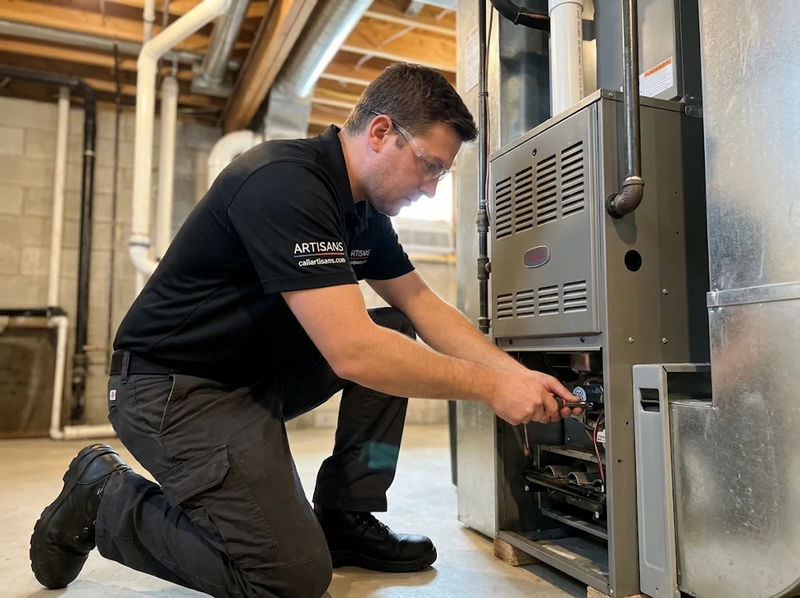
24 Hour Furnace Installation Technician in Wescosville Pennsylvania 18106
Powering the Furnace
Most modern furnaces require a standalone power line that is isolated from your home’s appliances. Before dropping the unit in, an installation pro or electrician must ensure your home’s wiring and switches are fully up-to-date and in perfect working order.
- Vintage Property Rules: Putting a smart furnace in an aging home often requires upgraded wiring to give it the juice it needs. Old knob and tube wiring can trigger electrical spikes that may ruin a new furnace’s motherboard.
Dealing with City Codes
Skipping bureaucratic steps can lead to hefty tickets or headaches when it goes on the real estate market. A must-do task is to acquire all necessary local permits ahead of the home furnace installation. Sticking to municipal laws, brand guidelines, and national safety rules like the NFPA and IRC keeps you safe and ensures the legal and safe operation of heating systems.
4. The Complete HVAC Setup Walkthrough
Understanding exactly what happens on the day of the install helps you to stay informed and make sure the HVAC techs are doing things by the book.
Step 1: Removal Phase
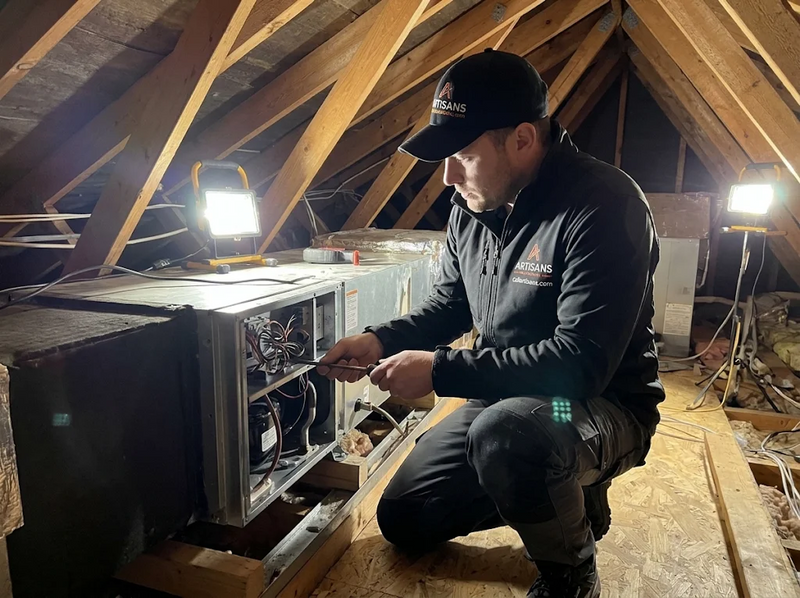
The initial phase involves cutting power to and trashing the broken heater. The crew must double check that all breakers and fuel valves are safely shut off before beginning work. The HVAC crew will then clear the space, taking out scrap metal and debris to prepare a clean pad for the incoming unit.
Step 2: Placement
When the space is ready, the new furnace is set on the pad. The installation team will shim the unit to ensure the furnace is perfectly balanced—which is mandatory for proper condensation drainage and fan balance—and check that it has enough breathing room.
Step 3: Hooking Everything Up
This highly technical phase wires the standalone furnace to your home’s vital circulatory systems:
- Ventilation: Technicians will attach the plenums, making sure to properly seal the connections to avoid costly air leaks and maximize overall heating efficiency.
- Venting: Perfectly installing flues or exhaust pipes is non-negotiable to prevent a dangerous buildup of deadly exhaust gas inside the living space. The system must securely vent all fumes safely outside the home.
- Power and Fuel: The team will establish secure electrical connections with absolutely no exposed wires and pipe the black iron gas line using pipe dope and wrenches.
Step 4: Smart Thermostat Setup
The concluding phase is installing or calibrating the smart thermostat. The pros will connect the R, W, and C wires, sync it with the furnace’s internal control board, and adjust the initial baseline settings for the best energy savings and perfect temperatures.
5. Post-Install Safety Testing and Quality Assurance
The installation is not complete when the last screw is driven. Rigorous safety testing is what separates amateur handymen from professional, certified HVAC technicians.
Checking for Gas Leaks
Checking the gas pipe is the number one post-installation safety check. Installers will utilize specialized gas detectors to make sure zero gas is leaking from the threaded fittings. They will also conduct thorough carbon monoxide testing to check for CO spillage and the flue is drawing air correctly.
CO Alarms
Since CO is a silent killer, checking the batteries in CO alarms is an absolute must. If you are installing a furnace in an older home, putting up fresh detectors is basically mandatory.
System Startup and Calibration
Before leaving the property, the technician will cycle the system to make sure it works or shaking. They will measure the heat at the registers and verify static pressure, verifying that the home heats evenly and efficiently across all rooms. Post-installation inspections by the city inspector or lead tech guarantee all safety measures are correctly implemented.
6. Long-Term Maintenance for Peak Performance
A flawless install job creates the foundation, but ongoing, diligent maintenance dictates the ultimate lifespan of the equipment. Neglecting your new system will ruin the expensive energy efficiency gains you just purchased.
- Replace Filters Regularly: Clogged or dirty air filters block the air, causing overheating and spike your bills while pumping dust into your house. You should plan to swap your filters every 30 to 90 days, heavily depending on your household’s usage, pet presence, and the MERV rating of the filter.
- Fix Drafts: Keeping the cold out, free of window drafts, and that all exposed air ducts is mastic sealed significantly reduces the overall workload on your new furnace.
- Yearly Tune-Ups: Don’t let it break down on Christmas to call a professional. Schedule an experienced technician to thoroughly inspect the furnace annually. These inspections catch minor leaks and clogged drains before they leave you freezing in the middle of the night.
Being an informed homeowner is the last step in the process. A great technician will teach you about the furnace, how to operate the thermostat, and basic DIY fixes. By buying a good brand, prioritizing a code-compliant professional installation, and committing to simple routine maintenance, you ensure your home remains a cozy, protected environment for the foreseeable future.
For a 24 Hour Furnace Installation Technician in Wescosville 18106, you can count on Artisans. We’re available 24/7 for all your 24 Hour Furnace Installation Technician needs: (484) 901-5900