The Ultimate Property Owner’s Guide to Furnace Replacement in Today’s Market
Purchasing a modern heating unit is one of the most impactful upgrades you can make to your home’s overall comfort, peace of mind, and power conservation. That being said, a perfect furnace installation is as essential as the quality of the unit itself. Applying strict guidelines during installation improves heating efficiency, reduces long-term running costs, and keeps your household entirely safe from severe hazards like fire hazards.
Trane Furnace Installation Contractor in Hokendauqua Pennsylvania
Whenever furnaces are improperly measured, poorly inspected, or installed incorrectly, they can rapidly turn from a source of winter comfort into a severe threat leading to electrical fires or dangerous gas leaks. Whether you are swapping out an outdated system in a historic property or outfitting a new construction, this detailed article details all vital steps of the heating replacement journey so you know exactly what to expect.
1. Fixing vs. Replacing: Making the Right Call
Before committing to a full system replacement, it is essential to determine whether your current unit actually requires replacement. Heating systems do not last forever, but spotting the ideal timeframe to replace can keep money in your pocket in costly fixes and inflated utility bills.
You should strongly consider a new heating unit if you notice the following warning signs:
- Age of the Unit: The standard, reliable lifespan of a residential furnace is generally fifteen to twenty years. If your unit is in or exceeds this range, its moving parts and heating elements are certainly wearing out.
- Escalating Energy Bills: If your heating bills are steadily rising despite keeping the thermostat the same, your furnace is becoming highly inefficient and straining to produce the exact same amount of heat.
- Frequent Breakdowns: When the added price of constant service calls on an outdated system begins to rival the price of a replacement, replacement is the most logical step.
- Safety Concerns: Strange smells, loud clanking sounds, and worries about a carbon monoxide issue means you should immediately call a licensed professional. Dangerous symptoms often require an immediate replacement to avoid carbon monoxide poisoning.
2. Selecting the Perfect Heating System for Your House
Not all furnaces are created equal. Current HVAC engineering has improved drastically, offering homeowners massive influence over their home environment and energy consumption.
Decoding Efficiency Ratings
Efficiency in heating is determined by the AFUE rating. A better AFUE score means that a larger portion of the gas or electric your furnace consumes is transformed into warm air for your living space rather than venting outside.
- Cheaper Heating: High-efficiency furnaces consume less power to heat the home. This results in great ROI over the life of the furnace, which is very obvious in areas that suffer from extreme cold weather.
- Going Green: Installing a green heating system with a top-tier AFUE rating lowers pollution, resulting in a more eco-friendly household and helping a cleaner environment.
Top Furnace Brands for the Current Year
Before setting up an install, choosing a trusted company is vital. Based on recent market performance and durability, here are some of the top-rated options:
3. Before the Install: Setting the Stage
A successful furnace installation begins well before the new heating unit is delivered. Proper preparation guarantees the installation proceeds safely and that the upgraded unit operates at peak performance from day one.
Sizing and Location Strategy
Load calculation is the most vital step in home furnace installation. A furnace that is undersized will operate 24/7 and still freeze you out, while a unit that is too large will turn on and off constantly, ruining efficiency, poor humidity control, and early system failure.
You must also find the absolute best location for the installation to allow for breathing room. Most often, furnaces are securely installed in a basement, HVAC room, or attic space. When selecting the spot, consider the proximity to existing gas lines, electrical outlets, and your home’s main air ducts. The area must be entirely free of clutter and junk to allow enough room for repairs and to stop dangerous accidents.
Trane Furnace Installation Contractor in Hokendauqua Pennsylvania 18052
Powering the Furnace
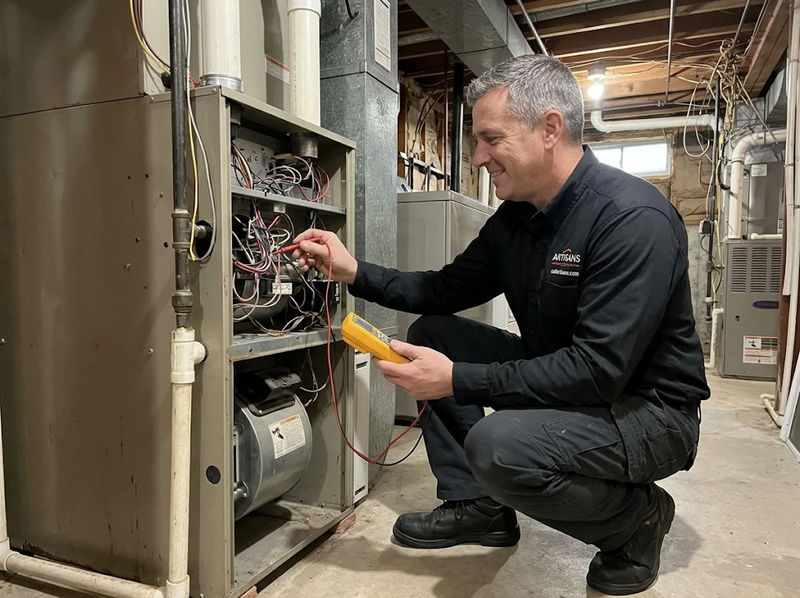
Current heating units require a separate breaker that remains entirely separate from your home’s appliances. Before beginning the physical installation, an HVAC technician or electrician must ensure your home’s wiring and switches are fully up-to-date and in pristine condition.
- Considerations for Older Homes: Putting a smart furnace in an aging home often necessitates panel upgrades to give it the juice it needs. Old knob and tube wiring can cause potential power surges that may ruin a new furnace’s motherboard.
Navigating Permits and Local Building Codes
Skipping bureaucratic steps can cause hefty tickets or problems when it is time to move. A critical preliminary step is to get city approval before starting the home furnace installation. Following local building codes, brand guidelines, and overarching safety standards like the NFPA and IRC protects homeowners and ensures the legal and safe operation of heating systems.
4. The A-to-Z Furnace Installation Process
Knowing what takes place on the day of the install helps you to ask the right questions and make sure the HVAC techs are doing things by the book.
Step 1: Removal Phase
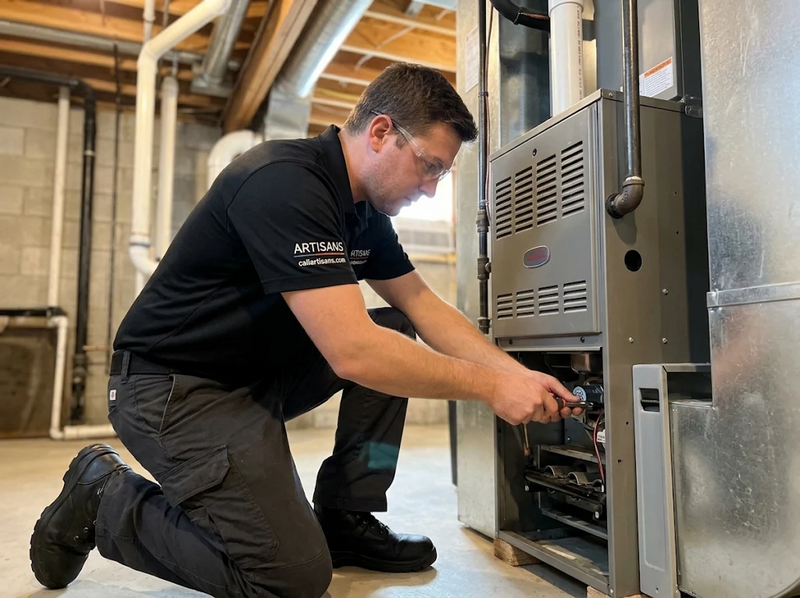
The first active step involves safely disconnecting and hauling away the old furnace. The crew must strictly ensure that all electrical lines and gas lines are locked out before touching the equipment. The HVAC crew will then clean the area, removing old metal components and debris to prepare a clean pad for the new furnace.
Step 2: Placement
Once the area is cleared, the heating unit is carried into place. The techs will use a level to level the system—which is absolutely necessary for water draining and fan balance—and ensure it isn’t touching the walls.
Step 3: Hooking Everything Up
This crucial part wires the standalone furnace to your home’s vital circulatory systems:
- Air Ducts: The installers will attach the plenums, working carefully to properly seal the connections to prevent whistling and push all the air into the home.
- Venting: Perfectly installing chimney liners is the most important step to avoid the trapping of carbon monoxide inside the living space. The system must push all fumes safely outside the home.
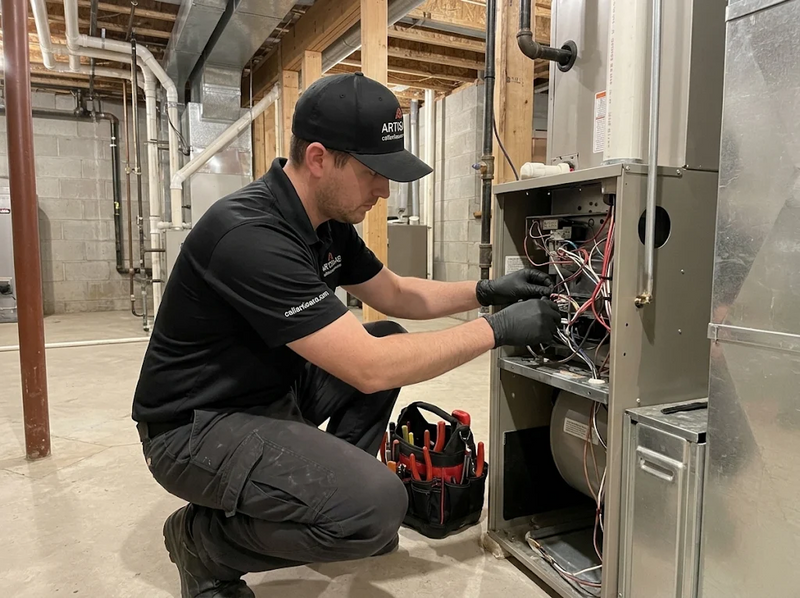
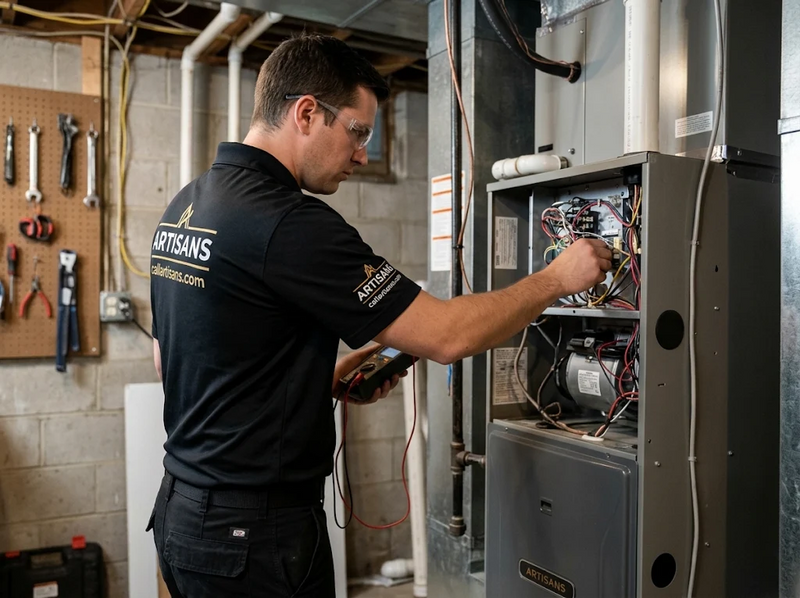
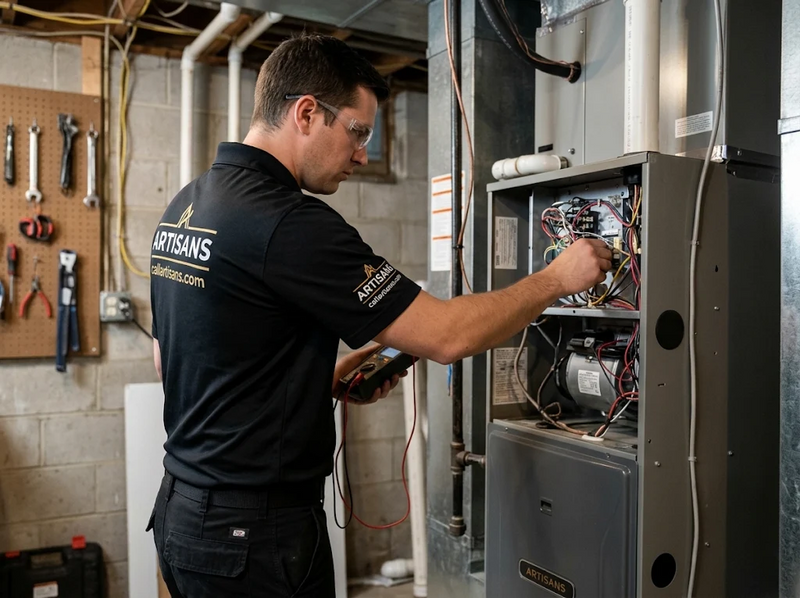
- Wiring and Piping: The team will wire the high voltage with absolutely no exposed wires and attach the gas lines using pipe dope and wrenches.
Step 4: Smart Thermostat Setup
The last physical part of the install is installing or calibrating the smart thermostat. The pros will wire the thermostat correctly, sync it with the furnace’s internal control board, and program the schedules for the best energy savings and perfect temperatures.
5. Post-Install Safety Testing and System Testing
The work is unfinished when the final bolt is tightened. Extreme safety checks is what makes the difference between a hack and a pro.
Leak Detection and Prevention
Checking the gas pipe is the most critical post-installation safety check. Technicians will spray liquid leak detector to ensure the pipes are 100% sealed from the new joints. They will also conduct thorough carbon monoxide testing to ensure the space is adequately ventilated and the exhaust system is functioning flawlessly under load.
CO Alarms
Due to the invisible nature of carbon monoxide, checking the batteries in working carbon monoxide detectors is an important final step. If you are installing a furnace in an older home, buying new alarms today is basically mandatory.
System Startup and Calibration
Before leaving the property, the lead installer will turn on the heat to make sure it works or unusual vibrations. They will check the temperature rise and verify static pressure, verifying that the home heats evenly and efficiently across all rooms. Post-installation inspections by the city inspector or lead tech act as the final verification that all protocols were followed.
6. Keeping It Running Forever
A successful furnace installation is just the beginning, but ongoing, diligent maintenance determines how long it will last. Neglecting your new system will destroy the savings you were hoping to get.
- Keep Filters Clean: Dust-packed filters choke the blower motor, causing overheating and waste electricity and gas while ruining the air you breathe. You should plan to swap your filters every 30 to 90 days, depending on dust levels, how many dogs or cats you have, and the MERV rating of the filter.
- Seal and Insulate: Ensuring your home is well-insulated, free of window drafts, and that all exposed air ducts is mastic sealed significantly reduces the overall workload on your new furnace.
- Annual Professional Inspections: Don’t let it break down on Christmas to get it serviced. Schedule an experienced technician to thoroughly inspect the furnace annually. These inspections identify bad parts and dirty burners before they become $1000 repairs.
Being an informed homeowner is the cherry on top. A great technician will walk you through how the system works, how to operate the thermostat, and simple troubleshooting tips. By buying a good brand, hiring a licensed contractor, and committing to simple routine maintenance, you guarantee your house will be a warm, safe, and highly efficient sanctuary for many years.
For a Trane Furnace Installation Contractor in Hokendauqua 18052, you can count on Artisans. We’re available 24/7 for all your Trane Furnace Installation Contractor needs: (484) 901-5900