The Essential Homeowner’s Guide to Heating System Setup in 2026
Investing in a modern HVAC unit is one of the most important upgrades you can make to your home’s overall comfort, security, and utility savings. But, a perfect setup procedure is equally as important as the tier of the hardware itself. Implementing professional standards during installation boosts system performance, decreases long-term running costs, and shields your home from severe hazards like fire hazards.
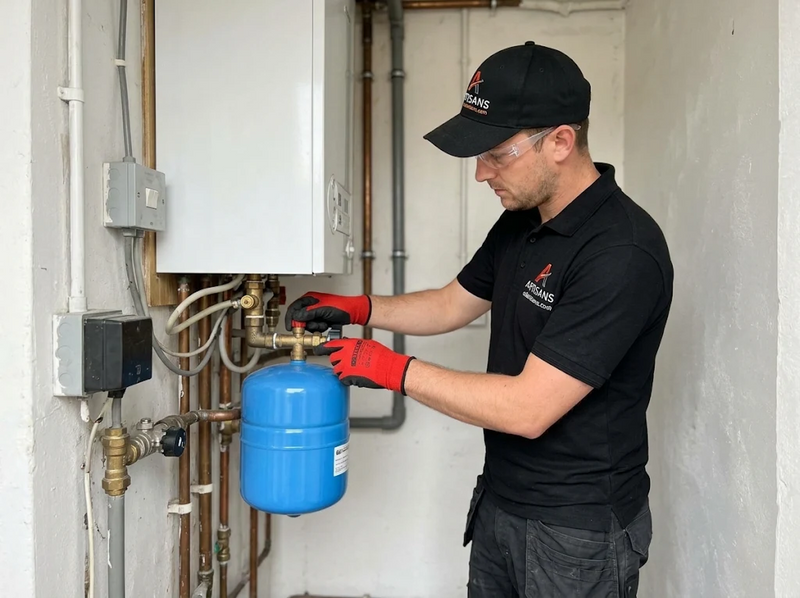
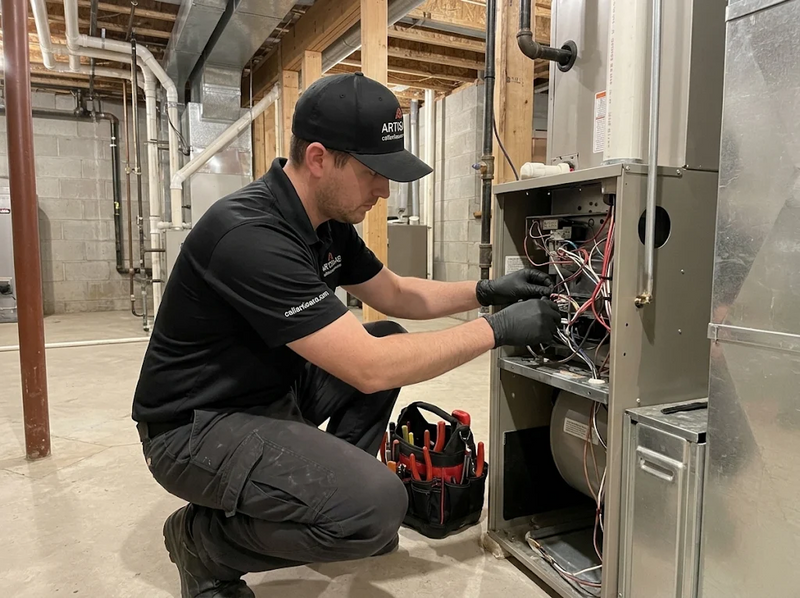
24 Hour Furnace Installation Technician in Trexlertown Pennsylvania
When heating systems are the wrong size, poorly inspected, or improperly installed, they can suddenly transform from a reliable heat source into a serious safety hazard resulting in fires or fatal carbon monoxide leaks. Regardless of whether you are replacing an aging system in a older house or equipping a newly built home, this comprehensive guide breaks down all vital steps of the HVAC setup process so you know exactly what to expect.
1. Fixing vs. Replacing: Deciding What’s Best
Before paying for a comprehensive furnace installation, it is essential to determine whether your existing furnace actually requires replacement. Heating systems do not run eternally, but identifying the exact right time to upgrade can save you thousands of dollars in costly fixes and wasted energy.
You should strongly consider a complete system overhaul if you notice the following warning signs:
- System Lifespan: The standard, reliable lifespan of a residential furnace is typically 15 to 20 years. If your system falls within or is past this timeframe, its moving parts and heat exchangers are certainly wearing out.
- Rising Utility Costs: If your heating bills are increasing rapidly despite keeping the thermostat the same, your furnace is losing its baseline efficiency and straining to produce the exact same amount of heat.
- Frequent Breakdowns: When the cumulative cost of constant service calls on an aging furnace begins to approach or exceed the price of a replacement, replacement is the most logical step.
- Imminent Safety Hazards: Foul odors, loud clanking sounds, and any hint of a carbon monoxide issue means you should contact an expert right away. Hazards often dictate an urgent swap to stop deadly accidents.
2. Selecting the Perfect Heating System for Your Home
Furnaces vary wildly in quality. Today’s climate control tech has improved drastically, offering homeowners massive influence over their home environment and utility usage.
Decoding Efficiency Ratings
Efficiency in heating is measured by the AFUE rating. A better AFUE score means that a larger portion of the gas or electric your heating unit burns is successfully converted into warm air for your living space rather than being wasted up the chimney.
- Cheaper Heating: Top-tier heating units burn less gas to heat the home. This leads to massive money saved over the unit’s lifespan, which is very obvious in states that experience harsh, prolonged winters.
- Going Green: Choosing a high-efficiency furnace with a 90+ AFUE score lowers pollution, resulting in a greener home and supporting broader environmental sustainability.
Leading HVAC Brands for 2026
When planning a furnace installation, selecting a reliable manufacturer is essential. Based on recent market performance and durability, here are some of the highly recommended systems:
3. Before the Install: Setting the Stage
A perfect HVAC setup begins well before the new heating unit arrives in your driveway. Careful planning guarantees the installation proceeds safely and that the new system operates at peak performance from the very start.
Sizing and Location Strategy
Correctly sizing the unit is arguably the most essential factor in home furnace installation. A furnace that is too small will operate 24/7 while leaving rooms cold, while a system that is oversized will rapid cycle, ruining efficiency, poor humidity control, and broken parts.
You must also determine the absolute best location for the new unit to allow for breathing room. Typically, heating systems are housed inside a cellar, HVAC room, or garage. When choosing the area, think about how close it is to fuel pipes, electrical outlets, and your home’s main air ducts. The area must be entirely free of clutter and obstructions to guarantee sufficient clearance for future servicing and to mitigate accidental fire risks.
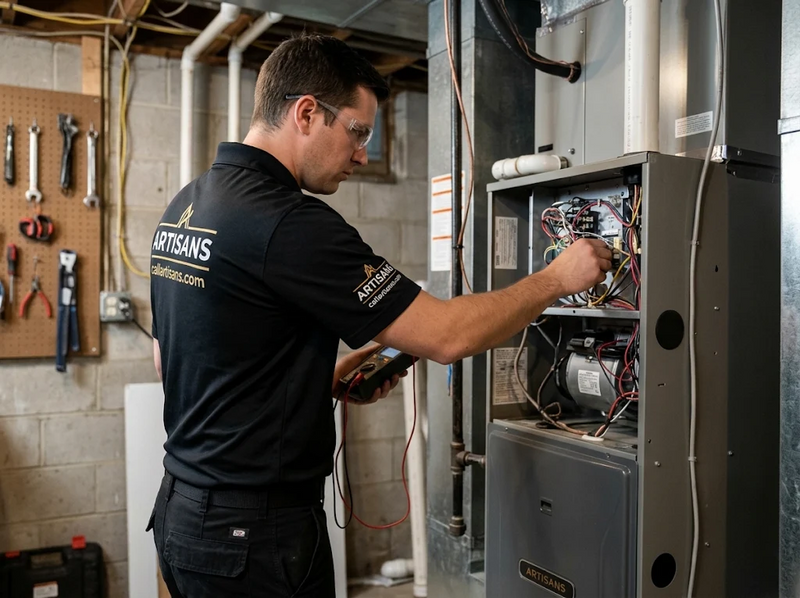
24 Hour Furnace Installation Technician in Trexlertown Pennsylvania 18087
Electrical Requirements
New HVAC systems need a separate breaker that remains entirely separate from your home’s appliances. Before dropping the unit in, an HVAC technician or contractor must ensure your home’s wiring and outlets are modernized and in pristine condition.
- Vintage Property Rules: Putting a smart furnace in an aging home often requires new electrical lines to give it the juice it needs. Old knob and tube wiring can short out that may ruin a new furnace’s sensitive electronic control board.
Permits and Legalities
Bypassing the legal process can cause severe municipal fines or legal complications when it comes time to sell your home. A critical preliminary step is to pull the right permits prior to beginning the job. Adhering to municipal laws, brand guidelines, and overarching safety standards like the national building codes keeps you safe and ensures the legal and safe operation of heating systems.
4. The Complete Installation Day Timeline
Understanding exactly what happens on installation day helps you to stay informed and make sure the HVAC techs are following strict industry best practices.
Step 1: Disconnection and Safe Removal
The initial phase involves unhooking and trashing the old furnace. The crew must guarantee all electrical lines and gas lines are closed tight before touching the equipment. The installation team will then clean the area, clearing old ducting and debris to create a pristine, level footprint for the incoming unit.
Step 2: Setting the Furnace
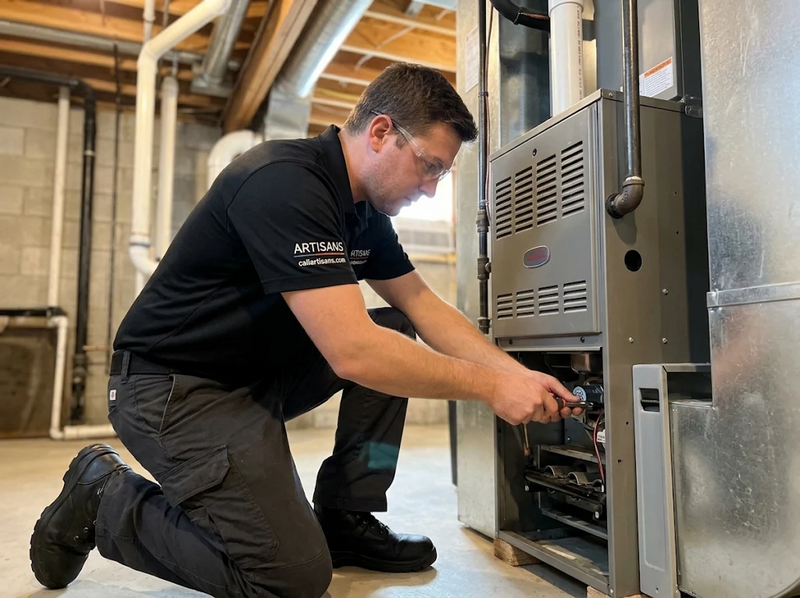
Once the area is cleared, the heating unit is moved into its designated location. The techs will use precision leveling tools to ensure the furnace is perfectly balanced—which is structurally required for water draining and motor health—and check that it has enough breathing room.
Step 3: Hooking Everything Up
This crucial part plumbs the standalone furnace to your home’s vital circulatory systems:
- Ventilation: Technicians will attach the plenums, taking great care to properly seal the connections to prevent whistling and maximize overall heating efficiency.
- Venting: Perfectly installing chimney liners is non-negotiable to prevent a dangerous buildup of carbon monoxide inside the home. The system must blow all exhaust gases safely outside the home.
- Gas and Electrical Lines: The electrician will establish secure electrical connections with safe conduits and pipe the black iron gas line using pipe dope and wrenches.
Step 4: Thermostat Integration
The last physical part of the install is installing or calibrating the wall control. The pros will hook up the low voltage wires, pair it to the system motherboard, and set the parameters for optimal efficiency and customized comfort.
5. Post-Install Safety Testing and Quality Assurance
The work is not done when the last screw is driven. Rigorous safety testing is what separates amateur handymen from professional, certified HVAC technicians.
Fuel Safety
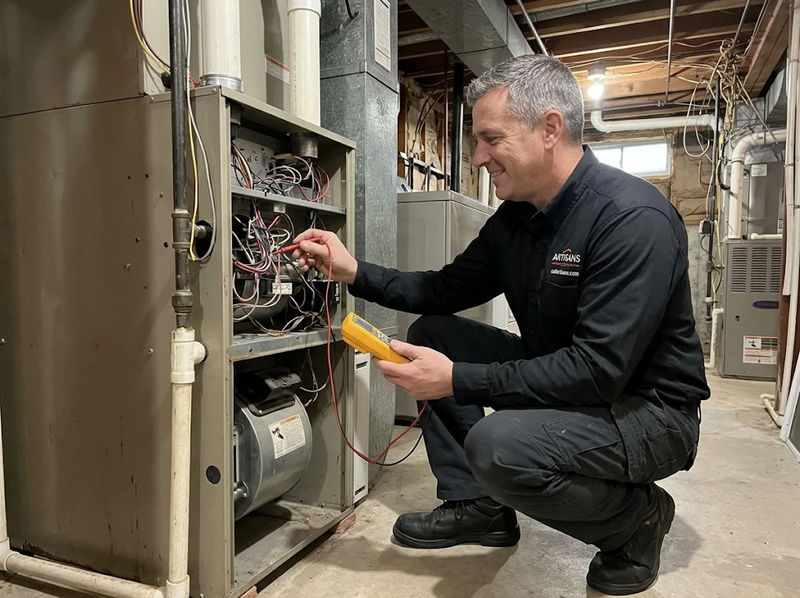
Checking the gas pipe is the number one final test. Installers will use electronic gas sniffers to verify that absolutely no gas is escaping from the new joints. They will also conduct thorough carbon monoxide testing to make sure it vents properly and the flue is drawing air correctly.
Life-Safety Devices
Because carbon monoxide is an odorless, colorless, and potentially deadly gas, putting up or testing working carbon monoxide detectors is an important final step. If you are installing a furnace in an older home, updating these detectors simultaneously with your heating system is highly recommended.
Initial Burn-In
Before leaving the property, the technician will cycle the system to listen for weird noises or unusual vibrations. They will check the temperature rise and test for proper airflow, verifying that the home heats evenly and efficiently across all rooms. Post-installation inspections by the city inspector or lead tech ensure all protocols were followed.
6. Long-Term Maintenance for Peak Performance
A great setup sets the stage, but proper care dictates the ultimate lifespan of the equipment. Skipping filter changes will destroy the expensive energy efficiency gains you just purchased.
- Replace Filters Regularly: Dust-packed filters severely restrict airflow, making the system overwork and waste electricity and gas while actively degrading your indoor air quality. You should replace your filters every 1 to 3 months, depending on dust levels, pet presence, and the MERV rating of the filter.
- Fix Drafts: Adding attic insulation, caulking windows, and that all accessible ductwork in attics or basements is taped up significantly reduces the overall workload on your new furnace.
- Yearly Tune-Ups: Do not wait for a complete system failure in the dead of winter to get it serviced. Hire a local expert to clean the system once a year. These inspections catch minor leaks and dirty burners before they become $1000 repairs.
Knowing your system is the cherry on top. A true professional will show you the ropes, when to change filters, and basic DIY fixes. By buying a good brand, hiring a licensed contractor, and changing filters regularly, you guarantee your house will be a cozy, protected environment for decades to come.
For a 24 Hour Furnace Installation Technician in Trexlertown 18087, you can count on Artisans. We’re available 24/7 for all your 24 Hour Furnace Installation Technician needs: (484) 901-5900