The Ultimate Homeowner Manual for Heating System Setup in the Modern Era
Purchasing a brand-new furnace is one of the most important enhancements you can make to your residence’s overall comfort, security, and utility savings. However, a high-quality installation process is just as critical as the quality of the hardware itself. Applying professional standards during installation boosts operational efficiency, reduces lifetime operational expenses, and keeps your household entirely safe from severe hazards like gas leaks.
Trane Furnace Installation Contractor in New Tripoli Pennsylvania
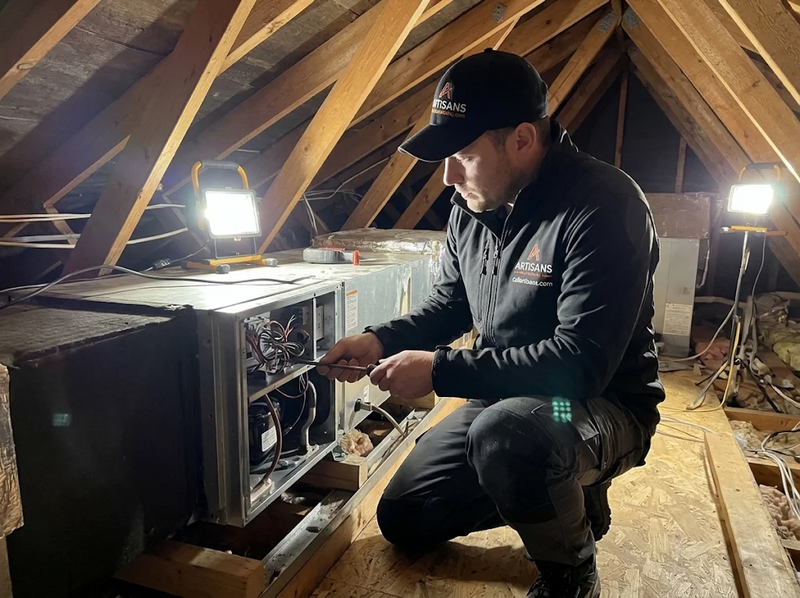
When HVAC units are incorrectly sized, inadequately checked, or improperly installed, they can rapidly transform from a source of winter comfort into a severe threat involving electrical fires or dangerous gas leaks. Regardless of whether you are replacing an old system in a vintage home or equipping a newly built home, this in-depth post details each important stage of the heating replacement journey so you know how the process works.
1. Should You Repair or Replace?: Making the Right Call
Prior to scheduling a comprehensive furnace installation, it is imperative to determine whether your existing furnace actually requires replacement. Heating systems do not operate indefinitely, but recognizing the exact right time to upgrade can save you thousands of dollars in emergency repairs and inflated utility bills.
You should strongly consider a complete system overhaul if you observe the following red flags:
- Equipment Age: The typical duration of a residential furnace is usually fifteen to twenty years. If your system is in or exceeds this timeframe, its moving parts and heat exchangers are probably failing.
- Rising Utility Costs: If your heating bills are increasing rapidly despite normal use, your furnace is losing its baseline efficiency and struggling to produce the exact same amount of heat.
- Constant Repairs: When the added price of constant service calls on an aging furnace begins to rival the cost of a new system, replacement is the most economical decision.
- Dangerous Warning Signs: Strange smells, persistent rattling or banging noises, and any hint of a carbon monoxide issue means you should contact an expert right away. Safety issues often require an urgent swap to prevent catastrophic explosions.
2. Picking the Best HVAC Unit for Your Property
Not all furnaces are created equal. Current HVAC engineering has advanced significantly, offering property owners unprecedented control over their indoor climate and energy consumption.
Decoding Efficiency Ratings
Efficiency in heating is calculated using the Annual Fuel Utilization Efficiency rating. A better AFUE score means that more of the raw fuel your furnace consumes is transformed into usable heat for your living space rather than escaping as exhaust.
- Reduced Utility Costs: High-efficiency furnaces consume less power to keep you warm. This leads to substantial financial savings over the unit’s lifespan, which is especially noticeable in regions that experience harsh, prolonged winters.
- Environmental Benefits: Choosing a green heating system with a top-tier AFUE rating typically emits far less carbon, contributing to a smaller household carbon footprint and promoting a cleaner environment.
Best Heating Manufacturers for the Current Year
During the buying process, selecting a reliable manufacturer is vital. Based on recent market performance and durability, here are some of the top-rated options:
3. Preparation Phase: Preparing Your Home
A perfect HVAC setup begins well before the furnace is delivered. Getting ready guarantees the installation goes smoothly and that the upgraded unit functions efficiently from the very start.
Placement and Sizing
Proper sizing is the most vital step in home furnace installation. A furnace that is undersized will never shut off without properly heating your home, while a system that is oversized will short-cycle, causing hot and cold spots, bad air quality, and early system failure.
You must also find the absolute best location for the installation to guarantee ventilation. Usually, heating systems are housed inside a basement, dedicated utility closet, or garage. When choosing the area, consider the proximity to fuel pipes, power sources, and your home’s main air ducts. The zone must be entirely free of clutter and junk to guarantee sufficient clearance for future servicing and to mitigate accidental fire risks.
Trane Furnace Installation Contractor in New Tripoli Pennsylvania 18066
Electrical Requirements
Current heating units demand a dedicated electrical circuit that is isolated from your home’s other electrical systems. Prior to hooking it up, an HVAC technician or electrician must ensure your home’s wiring and switches are fully up-to-date and in pristine condition.
- Vintage Property Rules: Installing a new, high-tech furnace in an aging home often necessitates panel upgrades to give it the juice it needs. Bad breakers can trigger electrical spikes that may instantly fry a modern heater’s sensitive electronic control board.
Navigating Permits and Local Building Codes
Ignoring city permits can lead to massive city penalties or headaches when it is time to move. A critical preliminary step is to pull the right permits before starting the home furnace installation. Following municipal laws, brand guidelines, and overarching safety standards like the NFPA and IRC keeps you safe and ensures the legal and safe operation of the HVAC equipment.
4. The Step-by-Step HVAC Setup Walkthrough
Understanding exactly what happens on setup day empowers homeowners to interrogate the crew and guarantee the installers are not cutting corners.
Step 1: Tearing Out the Old Unit
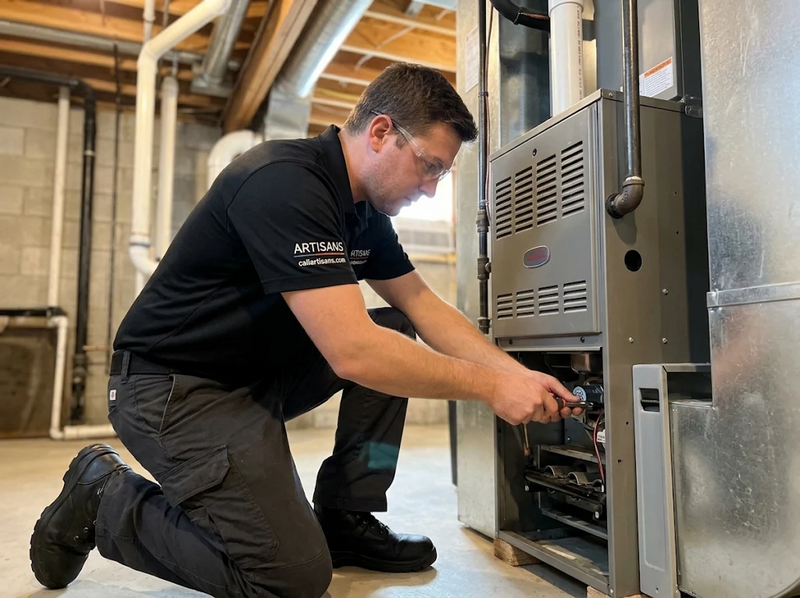
The beginning of the job is safely disconnecting and removing the old furnace. Installers must strictly ensure that all breakers and fuel valves are closed tight before touching the equipment. The installation team will then clear the space, taking out scrap metal and debris to prepare a clean pad for the incoming unit.
Step 2: Positioning the New Unit
Once the area is cleared, the heating unit is set on the pad. The contractors will use a level to ensure the furnace is perfectly balanced—which is mandatory for moisture management and motor health—and ensure it isn’t touching the walls.
Step 3: Making the Connections
This highly technical phase wires the new unit to your ducts and pipes:
- Ventilation: Technicians will hook up the sheet metal, taking great care to properly seal the connections to stop draftiness and push all the air into the home.
- Exhaust and Ventilation: Gluing and routing chimney liners is the most important step to prevent a dangerous buildup of carbon monoxide inside the home. The system must push all fumes out the roof or side of the house.
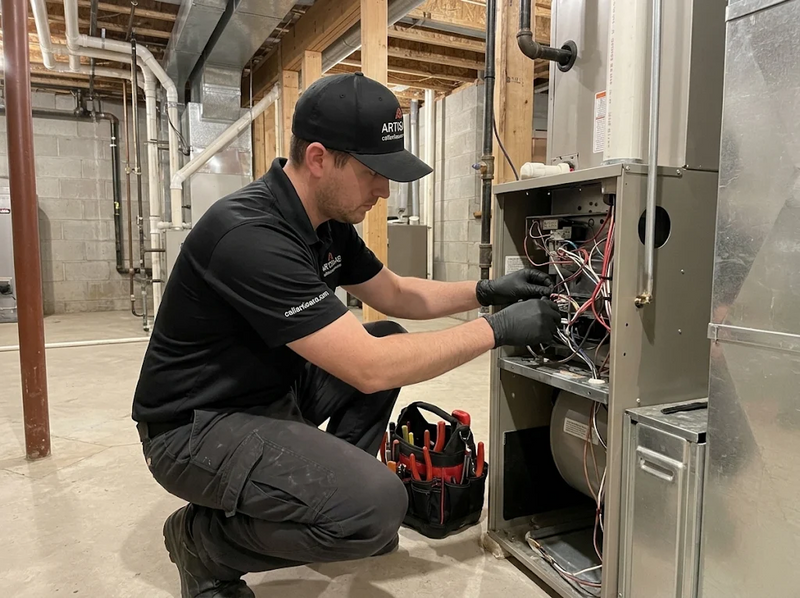
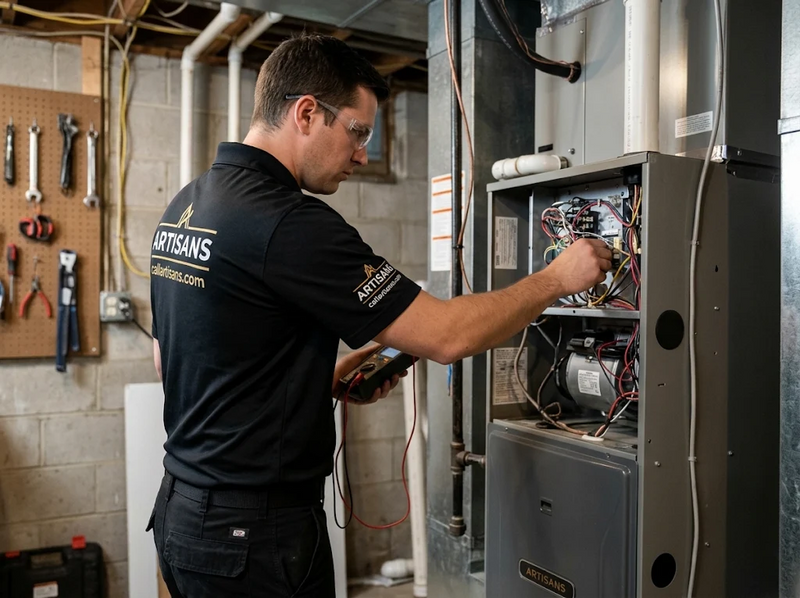
- Power and Fuel: The HVAC tech will wire the high voltage with proper grounding and attach the gas lines using secure, tightly threaded fittings.
Step 4: Smart Thermostat Setup
The final mechanical step is programming the smart thermostat. Technicians will wire the thermostat correctly, sync it with the furnace’s internal control board, and program the schedules for optimal efficiency and customized comfort.
5. Non-Negotiable Safety Protocols and Quality Assurance
The installation is not complete when the last screw is driven. Extreme safety checks is what separates amateur handymen from professional, certified HVAC technicians.
Leak Detection and Prevention
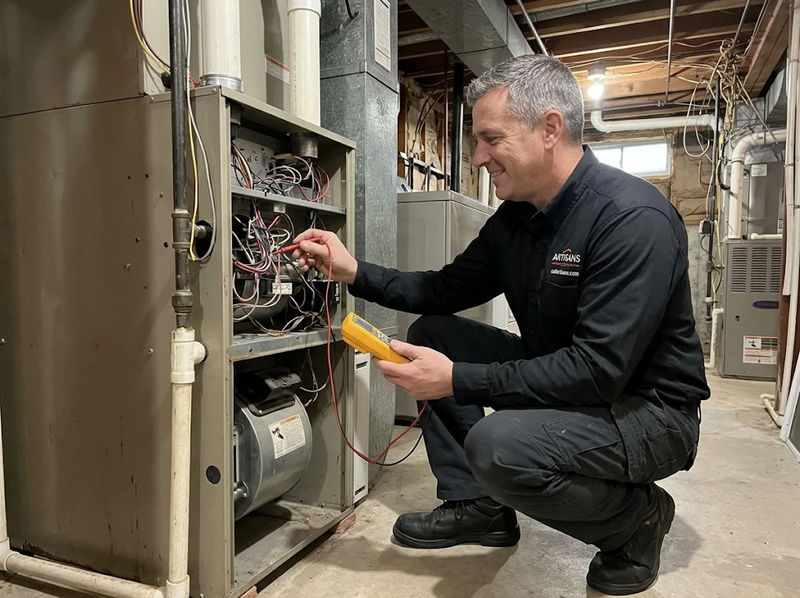
Checking the gas pipe is the most important post-installation safety check. Installers will use electronic gas sniffers to make sure zero gas is leaking from the threaded fittings. They will also conduct thorough carbon monoxide testing to check for CO spillage and the flue is drawing air correctly.
Life-Safety Devices
Because carbon monoxide is an odorless, colorless, and potentially deadly gas, checking the batteries in working carbon monoxide detectors is an important final step. If you are upgrading an old system, updating these detectors simultaneously with your heating system is highly recommended.
Initial Burn-In
Prior to packing up the van, the technician will turn on the heat to listen for weird noises or unusual vibrations. They will check the temperature rise and ensure the blower is powerful enough, verifying that the home heats evenly and efficiently across all rooms. Final walk-throughs by the city inspector or lead tech act as the final verification that all protocols were followed.
6. Long-Term Maintenance for Peak Performance
A great setup is just the beginning, but annual tune-ups dictates the ultimate lifespan of the equipment. Neglecting your new system will ruin the expensive energy efficiency gains you just purchased.
- Replace Filters Regularly: Clogged or dirty air filters severely restrict airflow, making the system overwork and waste electricity and gas while pumping dust into your house. You should replace your filters every 1 to 3 months, based on how often it runs, how many dogs or cats you have, and the specific filter type.
- Fix Drafts: Ensuring your home is well-insulated, free of window drafts, and that all exposed air ducts is mastic sealed takes the strain off on your HVAC unit.
- Yearly Tune-Ups: Do not wait for a complete system failure in the dead of winter to call a professional. Book a pro to do a fall tune-up. These inspections catch minor leaks and dirty burners before they become $1000 repairs.
Customer education is the last step in the process. A top-tier installer will walk you through how the system works, when to change filters, and basic DIY fixes. By investing in a high-quality unit, hiring a licensed contractor, and committing to simple routine maintenance, you ensure your home remains a comfortable winter haven for the foreseeable future.
For a Trane Furnace Installation Contractor in New Tripoli 18066, you can count on Artisans. We’re available 24/7 for all your Trane Furnace Installation Contractor needs: (484) 901-5900