A Comprehensive Property Owner’s Manual for Furnace Replacement in 2026
Upgrading to a new heating unit is one of the most important enhancements you can make for your property’s overall comfort, security, and power conservation. But, a professional setup procedure is as essential as the quality of the appliance itself. Applying professional standards during installation maximizes heating efficiency, slashes long-term running costs, and shields your home from severe hazards like fire hazards.
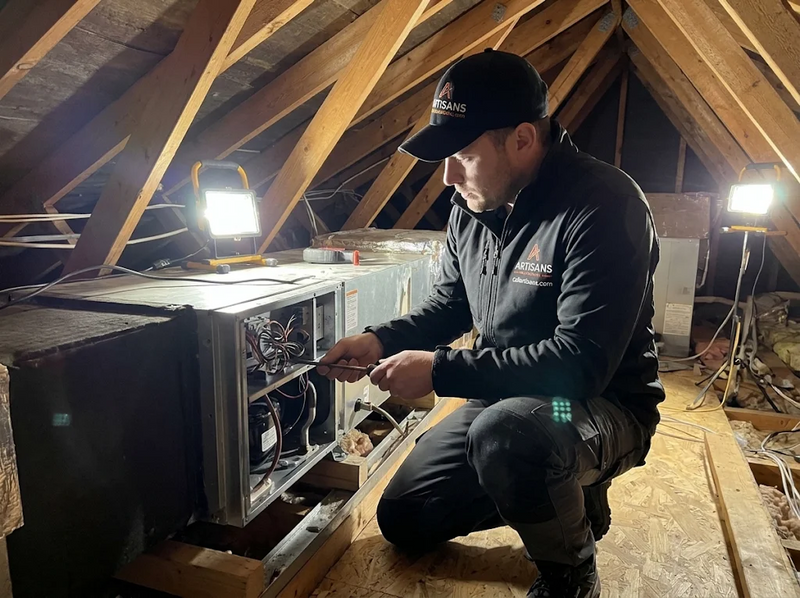
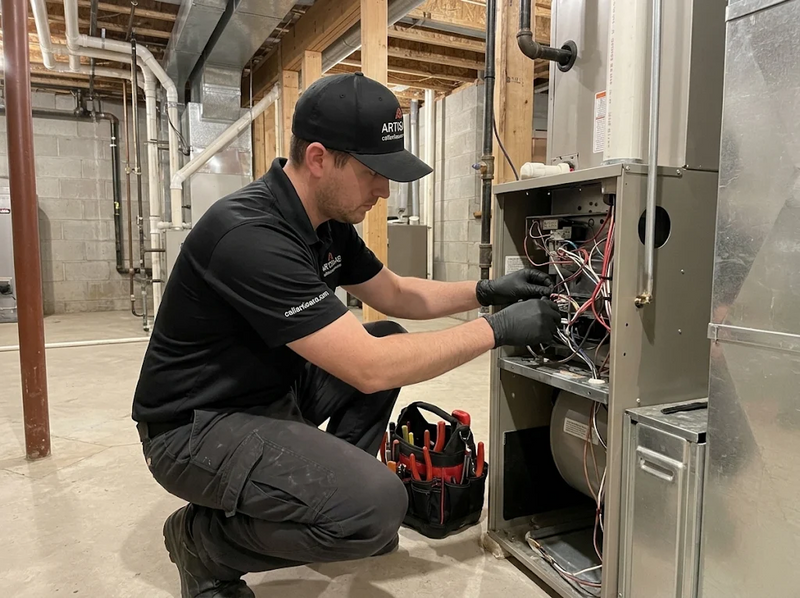
Carrier Furnace Installation Technician in Allentown Pennsylvania
When furnaces are incorrectly sized, badly reviewed, or set up wrong, they can quickly transform from a comforting appliance into a massive danger resulting in electrical fires or fatal carbon monoxide leaks. Regardless of whether you are swapping out an aging system in a older house or setting up a new construction, this in-depth post details all vital steps of the HVAC setup process so you know how the process works.
1. Fixing vs. Replacing: Making the Smart Choice
Prior to scheduling a comprehensive system replacement, it is imperative to determine whether your current system actually requires replacement. Heating systems do not run eternally, but spotting the exact right time to swap it out can keep money in your pocket in costly fixes and wasted energy.
You should strongly consider a complete system overhaul if you notice the following indicators:
- System Lifespan: The average life expectancy of a residential furnace is generally 15 to 20 years. If your unit falls within or is past this range, its internal mechanical components and heating elements are certainly wearing out.
- Higher Power Bills: If your utility costs are steadily rising despite consistent usage patterns, your furnace is becoming highly inefficient and struggling to generate the same temperature.
- Frequent Breakdowns: When the added price of constant service calls on an outdated system begins to rival the price of a replacement, replacement is the most logical step.
- Safety Concerns: Strange smells, persistent rattling or banging noises, and any hint of a carbon monoxide issue means you should contact an expert right away. Hazards often dictate an urgent swap to avoid carbon monoxide poisoning.
2. Picking the Best HVAC Unit for Your Property
Furnaces vary wildly in quality. Today’s climate control tech has advanced significantly, offering homeowners total command over their indoor climate and utility usage.
What is an AFUE Rating?
Heating efficiency is calculated using the AFUE rating. A better AFUE score means that a larger portion of the gas or electric your heating unit burns is successfully converted into usable heat for your living space rather than venting outside.
- Reduced Utility Costs: High-efficiency furnaces fundamentally use less fuel to keep you warm. This leads to great ROI over the life of the furnace, which is especially noticeable in areas that endure harsh, prolonged winters.
- Eco-Friendly Perks: Installing a high-efficiency furnace with a 90+ AFUE score lowers pollution, contributing to a smaller household carbon footprint and supporting a cleaner environment.
Top Furnace Brands for 2026
During the buying process, choosing a trusted company is vital. According to industry data and durability, here are some of the top-rated options:
3. Pre-Installation: Preparing Your Home
A successful furnace installation begins long before the equipment shows up at your door. Proper preparation ensures that the installation proceeds safely and that the new system operates at peak performance from the very start.
Placement and Sizing
Proper sizing is arguably the most essential factor in home furnace installation. A unit that is undersized will run constantly while leaving rooms cold, while a unit that is oversized will turn on and off constantly, causing hot and cold spots, poor humidity control, and premature mechanical wear.
You must also determine the ideal area for the installation to guarantee ventilation. Typically, heating systems are securely installed in a cellar, dedicated utility closet, or attic space. When selecting the spot, think about how close it is to existing gas lines, electrical outlets, and your home’s core ductwork. The zone must be totally clean and obstructions to allow enough room for maintenance calls and to prevent fire hazards.
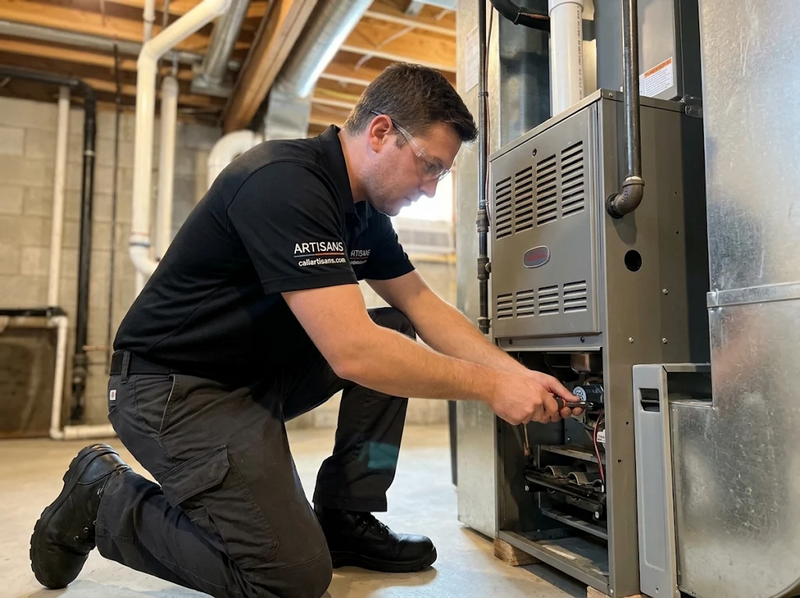
Carrier Furnace Installation Technician in Allentown Pennsylvania 18104
Powering the Furnace
Current heating units require a separate breaker that remains entirely separate from your home’s appliances. Before beginning the physical installation, an installation pro or contractor must check that your electrical panel and switches are modernized and in pristine condition.
- If You Have an Older House: Putting a smart furnace in an aging home often necessitates upgraded wiring to prevent brownouts. Outdated systems can short out that may ruin a new furnace’s sensitive electronic control board.
Permits and Legalities
Bypassing the legal process can cause massive city penalties or headaches when it goes on the real estate market. A vital first move is to get city approval prior to beginning the job. Following municipal laws, brand guidelines, and national safety rules like the national building codes keeps you safe and guarantees the legality of heating systems.
4. The Complete Installation Day Timeline
Understanding exactly what happens on setup day gives you confidence to stay informed and make sure the HVAC techs are following strict industry best practices.
Step 1: Tearing Out the Old Unit
The initial phase is cutting power to and hauling away the broken heater. Installers must guarantee all electrical lines and gas lines are closed tight before touching the equipment. The installation team will then sweep the floor, clearing old ducting and trash to create a pristine, level footprint for the incoming unit.
Step 2: Setting the Furnace
Once the area is cleared, the heating unit is moved into its designated location. The techs will use a level to ensure the furnace is perfectly balanced—which is structurally required for water draining and mechanical operation—and ensure it isn’t touching the walls.
Step 3: Making the Connections
This complex step connects the new unit to your house’s infrastructure:
- Ventilation: Technicians will attach the plenums, taking great care to tape and mastic the joints to avoid costly air leaks and push all the air into the home.
- Flue Pipes: Gluing and routing chimney liners is the most important step to stop a leak of carbon monoxide inside the home. The furnace must push all exhaust gases into the outdoor air.
- Power and Fuel: The electrician will hook up the breaker with proper grounding and pipe the black iron gas line using secure, tightly threaded fittings.
Step 4: Smart Thermostat Setup
The final mechanical step is programming the home’s thermostat. The pros will hook up the low voltage wires, sync it with the furnace’s internal control board, and adjust the initial baseline settings for the best energy savings and perfect temperatures.
5. Post-Install Safety Testing and Quality Assurance
The job is not complete when the last screw is driven. Rigorous safety testing is what separates amateur handymen from professional, certified HVAC technicians.
Fuel Safety
Checking the gas pipe is the most important final test. Installers will use electronic gas sniffers to make sure zero gas is leaking from the newly established connections. They will also conduct thorough carbon monoxide testing to make sure it vents properly and the flue is drawing air correctly.
Carbon Monoxide Detectors
Because carbon monoxide is an odorless, colorless, and potentially deadly gas, installing or actively verifying the presence of CO alarms is an essential extra safety layer. If you are putting a unit in a vintage house, updating these detectors simultaneously with your heating system is highly recommended.
System Startup and Calibration
Before handing over the invoice, the technician will turn on the heat to guarantee there are no operational problems or shaking. They will measure the system’s ambient heating output and ensure the blower is powerful enough, making sure every room gets warm. Final walk-throughs by qualified professionals ensure all safety measures are correctly implemented.
6. Furnace Maintenance Guide
A successful furnace installation is just the beginning, but ongoing, diligent maintenance dictates the ultimate lifespan of the equipment. Neglecting your new system will destroy the expensive energy efficiency gains you just purchased.
- Change the Air Filter: Dust-packed filters block the air, making the system overwork and waste electricity and gas while pumping dust into your house. You should plan to swap your filters monthly during winter, heavily depending on your household’s usage, how many dogs or cats you have, and the specific filter type.
- Fix Drafts: Ensuring your home is well-insulated, caulking windows, and that all accessible ductwork in attics or basements is properly sealed makes life easier on your HVAC unit.
- Call a Pro Once a Year: Don’t let it break down on Christmas to call a professional. Book a pro to clean the system once a year. These maintenance visits identify bad parts and clogged drains before they leave you freezing in the middle of the night.
Customer education is the final piece of a successful installation. A great technician will teach you about the furnace, how to operate the thermostat, and basic DIY fixes. By buying a good brand, hiring a licensed contractor, and committing to simple routine maintenance, you guarantee your house will be a cozy, protected environment for the foreseeable future.
For a Carrier Furnace Installation Technician in Allentown 18104, you can count on Artisans. We’re available 24/7 for all your Carrier Furnace Installation Technician needs: (484) 901-5900