The Ultimate Property Owner’s Handbook on Furnace Installation in the Modern Era
Upgrading to a brand-new heating system is one of the most crucial enhancements you can make to your home’s overall comfort, security, and energy efficiency. That being said, a high-quality setup procedure is as essential as the quality of the hardware itself. Utilizing strict guidelines during installation enhances heating efficiency, decreases monthly utility bills, and protects your family from dangerous situations like gas leaks.
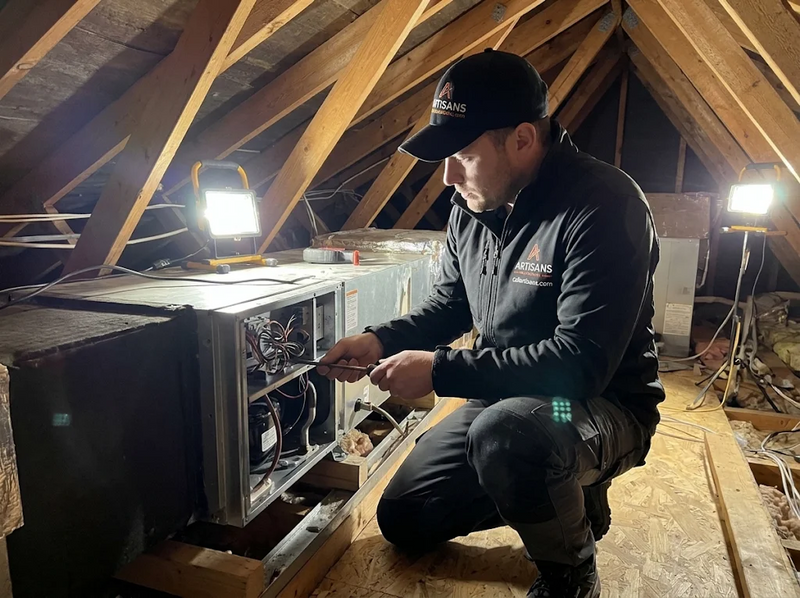
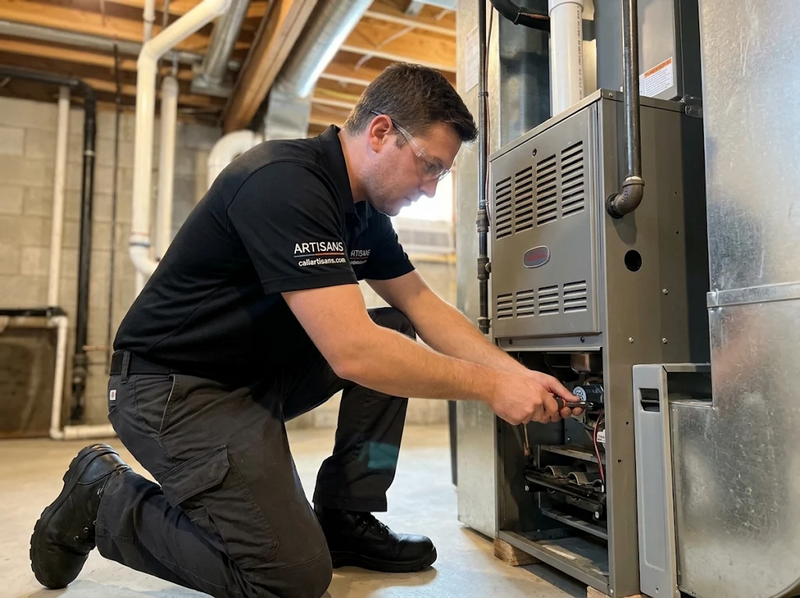
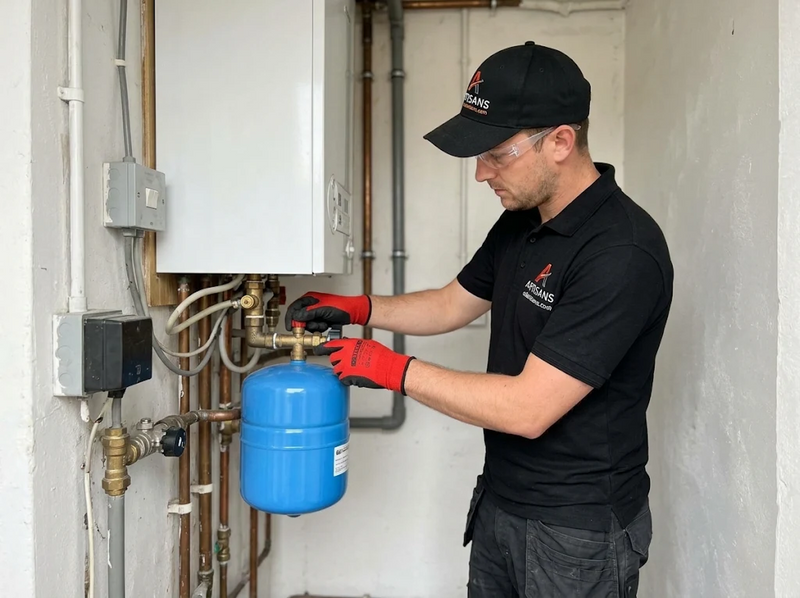
Carrier Furnace Installation Technician in Flemington New Jersey
Whenever furnaces are incorrectly sized, poorly inspected, or installed incorrectly, they can rapidly transform from a comforting appliance into a massive danger resulting in fires or dangerous gas leaks. Whether you are swapping out an old unit in a older house or setting up a newly built home, this comprehensive guide covers every critical phase of the heating replacement journey so you know what lies ahead.
1. Fixing vs. Replacing: Making the Smart Choice
Prior to scheduling a comprehensive system replacement, it is vital to evaluate whether your current system truly needs replacing. HVAC units do not operate indefinitely, but identifying the exact right time to replace can prevent financial strain in costly fixes and inflated utility bills.
You should think about a new heating unit if you experience the following red flags:
- Equipment Age: The average life expectancy of a residential furnace is usually fifteen to twenty years. If your unit falls within or exceeds this timeframe, its moving parts and heating elements are certainly wearing out.
- Higher Power Bills: If your heating bills are creeping up despite normal use, your furnace is becoming highly inefficient and working twice as hard to generate the same temperature.
- Frequent Breakdowns: When the added price of constant service calls on an old, inefficient unit begins to approach or exceed the cost of a new system, replacement is the most logical step.
- Dangerous Warning Signs: Strange smells, loud clanking sounds, and worries about a carbon monoxide issue means you should immediately call a licensed professional. Dangerous symptoms often require an urgent swap to avoid carbon monoxide poisoning.
2. Choosing the Right Furnace for Your Home
Every furnace is different. Today’s climate control tech has leaped forward, offering consumers massive influence over their indoor climate and utility usage.
Decoding Efficiency Ratings
Efficiency in heating is measured by the AFUE rating. A top AFUE rating means that more of the raw fuel your heating unit burns is successfully converted into warm air for your home rather than venting outside.
- Lower Energy Bills: Top-tier heating units burn less gas to heat the home. This results in massive money saved over the unit’s lifespan, which is very obvious in areas that experience extreme cold weather.
- Environmental Benefits: Selecting a high-efficiency furnace with a 90+ AFUE score typically emits far less carbon, creating a more eco-friendly household and promoting a cleaner environment.
Top Furnace Brands for 2026
When planning a furnace installation, selecting a reliable manufacturer is vital. Based on recent market performance and lifespan estimates, here are some of the best choices:
3. Before the Install: Setting the Stage
A perfect HVAC setup begins long before the furnace is delivered. Proper preparation ensures that the installation proceeds safely and that the upgraded unit functions efficiently from the first time you turn it on.
Measuring for the Unit
Proper sizing is incredibly important in HVAC replacement. A furnace that is undersized will operate 24/7 without properly heating your home, while a system that is oversized will turn on and off constantly, causing hot and cold spots, poor humidity control, and premature mechanical wear.
You must also decide on the ideal area for the new unit to allow for breathing room. Most often, furnaces are placed in a basement, HVAC room, or attic space. When selecting the spot, think about how close it is to fuel pipes, power sources, and your home’s main air ducts. The space must be totally clean and obstructions to allow enough room for repairs and to stop dangerous accidents.
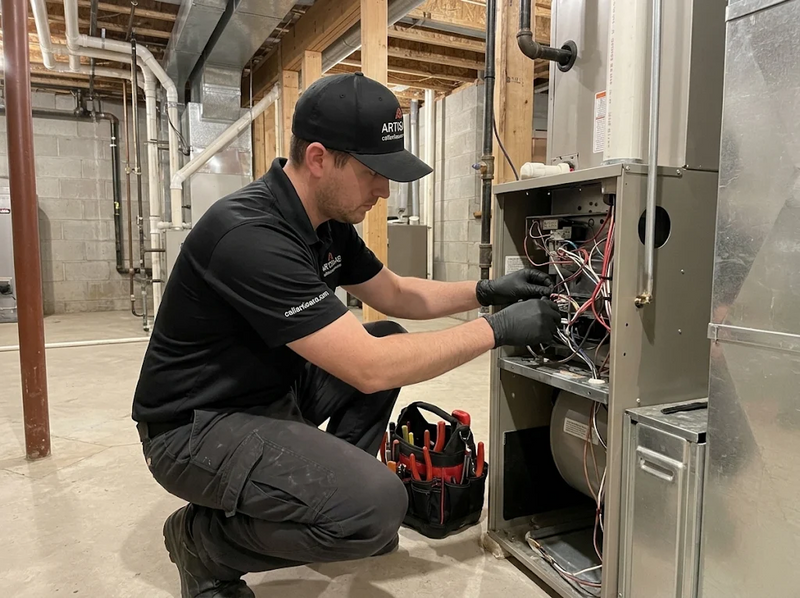
Carrier Furnace Installation Technician in Flemington New Jersey 08822
Powering the Furnace
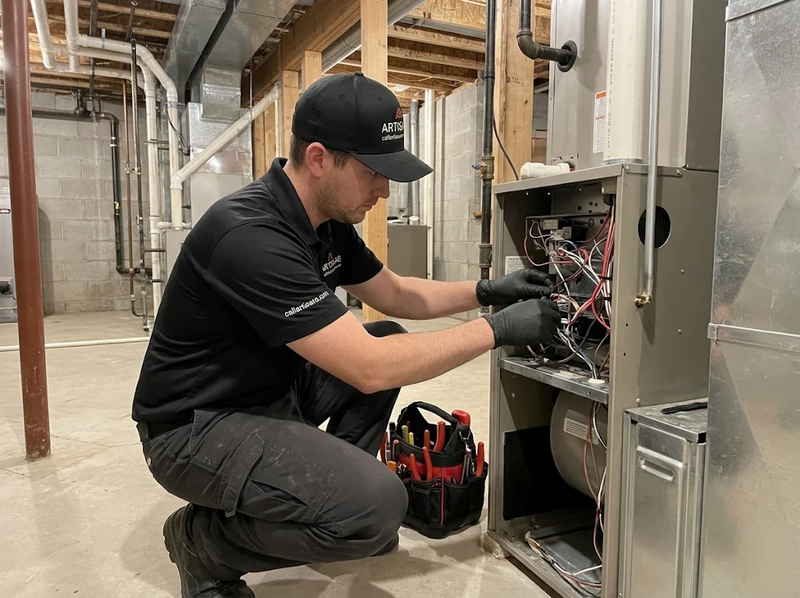
Current heating units require a separate breaker that does not share power with your home’s appliances. Before dropping the unit in, an HVAC technician or contractor must ensure your home’s wiring and outlets are fully up-to-date and in safe shape.
- Considerations for Older Homes: Putting a smart furnace in an historic house often requires panel upgrades to provide adequate, stable power. Old knob and tube wiring can short out that may ruin a new furnace’s computer chips.
Dealing with City Codes
Ignoring city permits can lead to hefty tickets or problems when it is time to move. A vital first move is to pull the right permits before starting the job. Adhering to municipal laws, manufacturer instructions, and overarching safety standards like the NFPA and IRC protects homeowners and ensures the legal and safe operation of the HVAC equipment.
4. The A-to-Z HVAC Setup Walkthrough
Understanding exactly what happens on setup day empowers homeowners to interrogate the crew and guarantee the installers are not cutting corners.
Step 1: Removal Phase
The initial phase involves unhooking and trashing the broken heater. The crew must double check that all electrical lines and gas lines are safely shut off before starting the demo. The HVAC crew will then clear the space, taking out scrap metal and trash to create a pristine, level footprint for the new furnace.
Step 2: Setting the Furnace
When the space is ready, the heating unit is moved into its designated location. The installation team will shim the unit to level the system—which is structurally required for water draining and motor health—and ensure it isn’t touching the walls.
Step 3: Hooking Everything Up
This highly technical phase wires the new unit to your ducts and pipes:
- Ductwork: The installers will attach the plenums, making sure to tape and mastic the joints to stop draftiness and ensure maximum airflow.
- Flue Pipes: Perfectly installing PVC vent pipes is non-negotiable to prevent a dangerous buildup of deadly exhaust gas inside the home. The system must securely vent all fumes out the roof or side of the house.
- Wiring and Piping: The electrician will hook up the breaker with absolutely no exposed wires and connect the flex gas line using secure, tightly threaded fittings.
Step 4: Wiring the Brain
The last physical part of the install is wiring up the wall control. The pros will hook up the low voltage wires, sync it with the furnace’s internal control board, and program the schedules for optimal efficiency and customized comfort.
5. Post-Install Safety Testing and Quality Assurance
The work is not complete when the final bolt is tightened. Rigorous safety testing is what makes the difference between a hack and a pro.
Checking for Gas Leaks
Testing for leaks is the number one post-installation safety check. Technicians will use electronic gas sniffers to verify that absolutely no gas is escaping from the new joints. They will also run a combustion analysis to check for CO spillage and the flue is drawing air correctly.
Carbon Monoxide Detectors
Due to the invisible nature of carbon monoxide, installing or actively verifying the presence of working carbon monoxide detectors is an important final step. If you are upgrading an old system, putting up fresh detectors is highly recommended.
System Startup and Calibration
Prior to packing up the van, the technician will turn on the heat to listen for weird noises or unusual vibrations. They will check the temperature rise and test for proper airflow, verifying that the home heats evenly and efficiently across all rooms. Post-installation inspections by qualified professionals act as the final verification that all safety measures are correctly implemented.
6. Keeping It Running Forever
A great setup creates the foundation, but proper care dictates the ultimate lifespan of the equipment. Neglecting your new system will ruin the high AFUE ratings you paid for.
- Keep Filters Clean: Dust-packed filters choke the blower motor, forcing the furnace to work harder and consume more energy while actively degrading your indoor air quality. You should aim to change your air filters monthly during winter, depending on dust levels, how many dogs or cats you have, and the MERV rating of the filter.
- Improve Home Envelope: Ensuring your home is well-insulated, free of window drafts, and that all accessible ductwork in attics or basements is mastic sealed significantly reduces the overall workload on your new furnace.
- Yearly Tune-Ups: Do not wait for a complete system failure in the dead of winter to call a professional. Book a pro to do a fall tune-up. These routine check-ups identify bad parts and clogged drains before they become $1000 repairs.
Being an informed homeowner is the last step in the process. A great technician will show you the ropes, when to change filters, and basic DIY fixes. By investing in a high-quality unit, prioritizing a code-compliant professional installation, and changing filters regularly, you make sure your property is a warm, safe, and highly efficient sanctuary for decades to come.
For a Carrier Furnace Installation Technician in Flemington 08822, you can count on Artisans. We’re available 24/7 for all your Carrier Furnace Installation Technician needs: (484) 901-5900