The Complete Property Owner’s Guide to Furnace Replacement in the Modern Era
Upgrading to a brand-new furnace is one of the most significant enhancements you can make to your residence’s overall comfort, peace of mind, and utility savings. That being said, a professional installation process is vital compared to the brand of the unit itself. Applying industry best practices during installation maximizes operational efficiency, decreases monthly utility bills, and keeps your household entirely safe from deadly risks like carbon monoxide buildup.
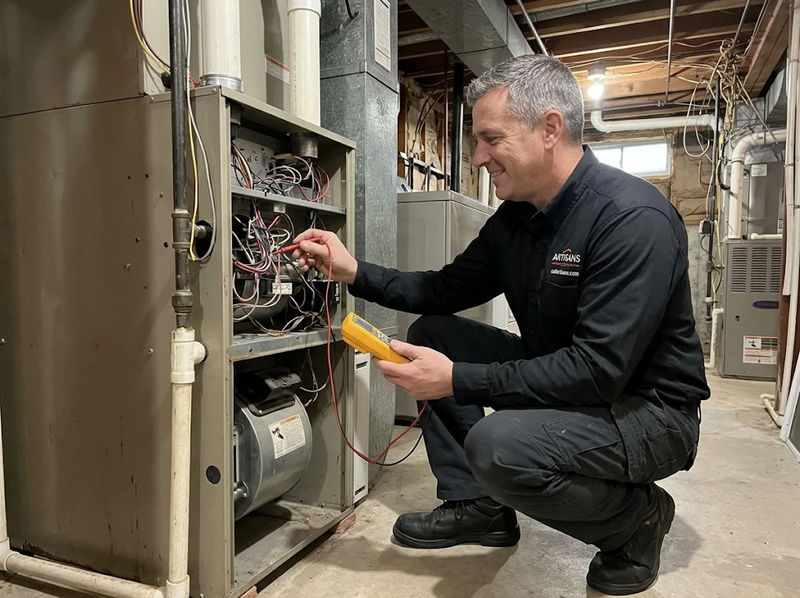
24 Hour Furnace Installation Technician in Easton Pennsylvania
If furnaces are improperly measured, poorly inspected, or set up wrong, they can rapidly turn from a reliable heat source into a massive danger resulting in electrical fires or dangerous gas leaks. Whether you are replacing an old unit in a historic property or setting up a brand-new build, this in-depth post breaks down each important stage of the heating replacement journey so you know exactly what to expect.
1. Should You Repair or Replace?: Making the Smart Choice
Prior to scheduling a comprehensive system replacement, it is imperative to evaluate whether your old furnace truly needs replacing. Furnaces do not operate indefinitely, but identifying the exact right time to upgrade can prevent financial strain in costly fixes and wasted energy.
You should plan for a full furnace replacement if you spot the following indicators:
- System Lifespan: The average life expectancy of a residential furnace is usually 15 to 20 years. If your unit is in or exceeds this timeframe, its moving parts and heating elements are probably failing.
- Rising Utility Costs: If your heating bills are increasing rapidly despite keeping the thermostat the same, your furnace is becoming highly inefficient and working twice as hard to generate the same temperature.
- Repeated Failures: When the added price of constant service calls on an aging furnace begins to approach or exceed the cost of a new system, replacement is the most financially sound choice.
- Safety Concerns: Strange smells, unusual vibrations, and any suspicion of a carbon monoxide issue means you should contact an expert right away. Dangerous symptoms often demand an immediate replacement to stop deadly accidents.
2. Picking the Best HVAC Unit for Your Property
Every furnace is different. Today’s climate control tech has improved drastically, offering consumers unprecedented control over their home environment and power draw.
What is an AFUE Rating?
Furnace performance is determined by the Annual Fuel Utilization Efficiency rating. A top AFUE rating means that a larger portion of the gas or electric your system uses is successfully converted into warm air for your living space rather than escaping as exhaust.
- Reduced Utility Costs: Top-tier heating units fundamentally use less fuel to keep you warm. This leads to substantial financial savings over the life of the furnace, which is very obvious in regions that suffer from extreme cold weather.
- Going Green: Installing a green heating system with a 90+ AFUE score lowers pollution, creating a smaller household carbon footprint and supporting global climate goals.
Leading HVAC Brands for 2026
Before setting up an install, choosing a trusted company is vital. According to industry data and durability, here are some of the best choices:
3. Before the Install: Getting Ready
A smooth installation day begins long before the furnace arrives in your driveway. Proper preparation ensures that the installation goes smoothly and that the upgraded unit runs perfectly from the first time you turn it on.
Measuring for the Unit
Load calculation is the most vital step in HVAC replacement. A furnace that is undersized will run constantly while leaving rooms cold, while a unit that is oversized will turn on and off constantly, causing hot and cold spots, bad air quality, and broken parts.
You must also determine the absolute best location for the new unit to ensure proper airflow. Typically, heating systems are placed in a basement, dedicated utility closet, or garage. When choosing the area, think about how close it is to fuel pipes, power sources, and your home’s core ductwork. The zone must be entirely free of clutter and junk to guarantee sufficient clearance for repairs and to prevent fire hazards.
24 Hour Furnace Installation Technician in Easton Pennsylvania 18042
Powering the Furnace
Most modern furnaces demand a separate breaker that does not share power with your home’s appliances. Prior to hooking it up, an installation pro or contractor must ensure your home’s wiring and outlets are modernized and in perfect working order.
- Considerations for Older Homes: Installing a new, high-tech furnace in an aging home often necessitates panel upgrades to prevent brownouts. Bad breakers can cause potential power surges that may destroy a new furnace’s sensitive electronic control board.
Navigating Permits and Local Building Codes
Ignoring city permits can lead to severe municipal fines or problems when it is time to move. A vital first move is to pull the right permits prior to beginning the job. Sticking to local building codes, brand guidelines, and national safety rules like the NFPA and IRC protects homeowners and ensures the legal and safe operation of the HVAC equipment.
4. The Step-by-Step HVAC Setup Walkthrough
Learning what to expect on the day of the install helps you to ask the right questions and make sure the HVAC techs are doing things by the book.
Step 1: Tearing Out the Old Unit
The first active step involves unhooking and trashing the outdated unit. The crew must double check that all breakers and gas lines are closed tight before beginning work. The HVAC crew will then sweep the floor, removing old metal components and debris to prepare a clean pad for the incoming unit.
Step 2: Positioning the New Unit
After prep is done, the new furnace is set on the pad. The contractors will shim the unit to make sure it sits flat—which is mandatory for water draining and motor health—and ensure it isn’t touching the walls.
Step 3: Making the Connections
This crucial part wires the new unit to your ducts and pipes:
- Ductwork: The installers will hook up the sheet metal, making sure to tape and mastic the joints to prevent whistling and maximize overall heating efficiency.
- Venting: Gluing and routing chimney liners is the most important step to stop a leak of carbon monoxide inside the home. The furnace must push all fumes safely outside the home.
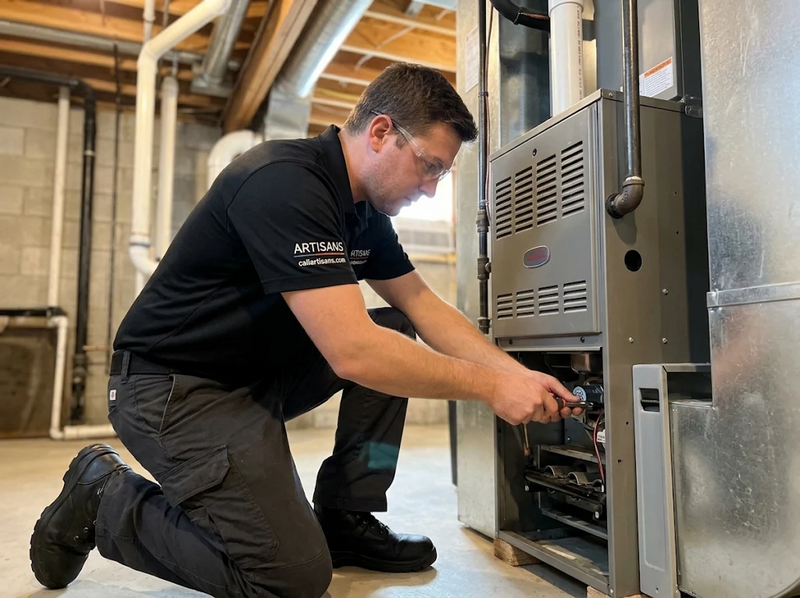
- Gas and Electrical Lines: The HVAC tech will hook up the breaker with absolutely no exposed wires and connect the flex gas line using leak-free joints.
Step 4: Thermostat Integration
The last physical part of the install is programming the home’s thermostat. Technicians will connect the R, W, and C wires, sync it with the furnace’s internal control board, and program the schedules for optimal efficiency and customized comfort.
5. Non-Negotiable Safety Protocols and Quality Assurance
The job is not done when the final bolt is tightened. Extreme safety checks is what separates amateur handymen from professional, certified HVAC technicians.
Fuel Safety
Checking the gas pipe is the most important final test. Technicians will utilize specialized gas detectors to verify that absolutely no gas is escaping from the threaded fittings. They will also test the exhaust to ensure the space is adequately ventilated and the exhaust system is functioning flawlessly under load.
CO Alarms
Since CO is a silent killer, checking the batteries in CO alarms is an essential extra safety layer. If you are putting a unit in a vintage house, updating these detectors simultaneously with your heating system is basically mandatory.
System Startup and Calibration
Before handing over the invoice, the lead installer will turn on the heat to listen for weird noises or shaking. They will measure the system’s ambient heating output and ensure the blower is powerful enough, making sure every room gets warm. Post-installation inspections by the city inspector or lead tech act as the final verification that all protocols were followed.
6. Furnace Maintenance Guide
A great setup sets the stage, but proper care determines how long it will last. Ignoring maintenance will ruin the savings you were hoping to get.
- Keep Filters Clean: A filthy filter severely restrict airflow, causing overheating and spike your bills while ruining the air you breathe. You should aim to change your filters monthly during winter, depending on dust levels, how many dogs or cats you have, and the MERV rating of the filter.
- Seal and Insulate: Adding attic insulation, caulking windows, and that all exposed air ducts is properly sealed significantly reduces the overall workload on your HVAC unit.
- Annual Professional Inspections: Never wait for an emergency to hire an HVAC company. Schedule an experienced technician to thoroughly inspect the furnace annually. These maintenance visits identify bad parts and failing flame sensors before they become $1000 repairs.
Knowing your system is the last step in the process. A true professional will teach you about the furnace, how to operate the thermostat, and basic DIY fixes. By investing in a high-quality unit, prioritizing a code-compliant professional installation, and changing filters regularly, you make sure your property is a warm, safe, and highly efficient sanctuary for the foreseeable future.
For a 24 Hour Furnace Installation Technician in Easton 18042, you can count on Artisans. We’re available 24/7 for all your 24 Hour Furnace Installation Technician needs: (484) 901-5900