The Definitive Property Owner’s Guide to Furnace Installation in 2026
Upgrading to a modern heating unit is one of the most crucial upgrades you can make for your property’s overall comfort, safety, and energy efficiency. Yet, a professional installation process is as essential as the quality of the equipment itself. Following strict guidelines during installation boosts operational efficiency, lowers lifetime operational expenses, and protects your family from severe hazards like gas leaks.
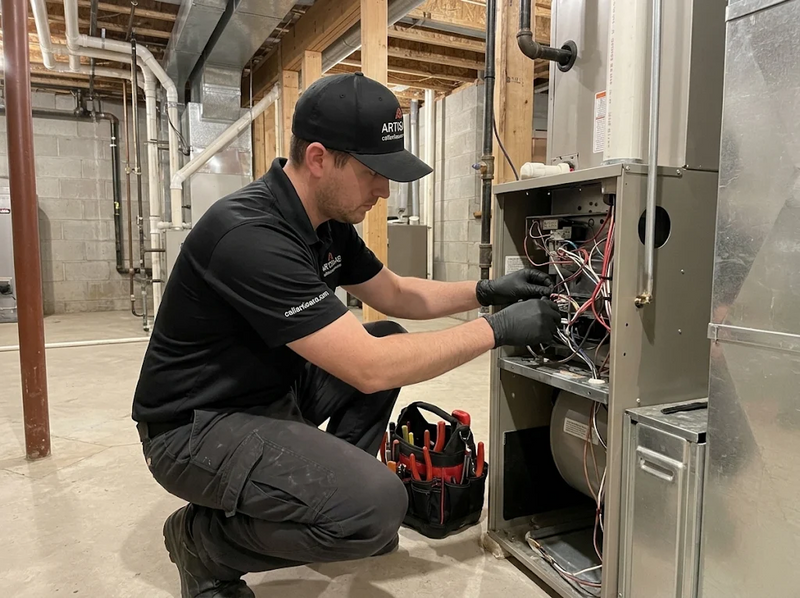
24 Hour Furnace Installation Technician in Alpha New Jersey
If furnaces are the wrong size, poorly inspected, or improperly installed, they can rapidly turn from a source of winter comfort into a severe threat resulting in fires or fatal carbon monoxide leaks. Whether you are swapping out an failing unit in a older house or equipping a new construction, this detailed article details all vital steps of the HVAC setup process so you know exactly what to expect.
1. Fixing vs. Replacing: Deciding What’s Best
Prior to scheduling a comprehensive furnace installation, it is imperative to evaluate whether your existing system truly needs replacing. Furnaces do not last forever, but recognizing the perfect moment to replace can keep money in your pocket in emergency repairs and power loss.
You should plan for a new heating unit if you experience the following indicators:
- System Lifespan: The typical duration of a home heating system is generally fifteen to twenty years. If your unit is in or exceeds this timeframe, its internal mechanical components and heat exchangers are probably failing.
- Escalating Energy Bills: If your heating bills are increasing rapidly despite consistent usage patterns, your furnace is wasting energy and struggling to keep your home warm.
- Repeated Failures: When the added price of multiple fixes on an aging furnace begins to approach or exceed the price of a replacement, replacement is the most economical decision.
- Safety Concerns: Gas scents, loud clanking sounds, and worries about a gas leak means you should immediately call a licensed professional. Hazards often dictate an urgent swap to avoid carbon monoxide poisoning.
2. Picking the Best HVAC Unit for Your Property
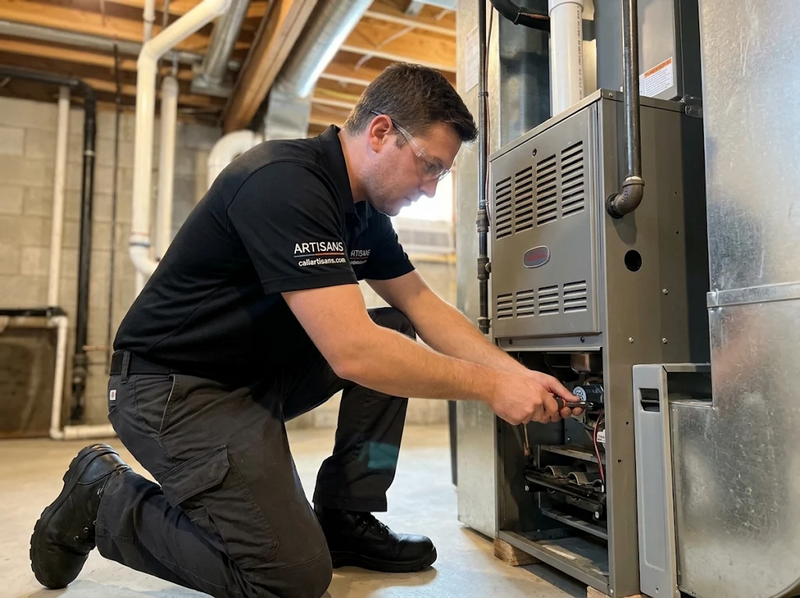
Not all furnaces are created equal. Current HVAC engineering has leaped forward, offering homeowners total command over their living space temperature and utility usage.
Understanding AFUE Ratings
Heating efficiency is measured by the Annual Fuel Utilization Efficiency rating. A better AFUE score means that more of the raw fuel your furnace consumes is successfully converted into usable heat for your living space rather than being wasted up the chimney.
- Reduced Utility Costs: High-efficiency furnaces consume less power to keep you warm. This leads to massive money saved over the unit’s lifespan, which is very obvious in areas that experience harsh, prolonged winters.
- Environmental Benefits: Choosing a green heating system with a top-tier AFUE rating reduces emissions, creating a smaller household carbon footprint and promoting global climate goals.
Best Heating Manufacturers for the Current Year
During the buying process, selecting a reliable manufacturer is essential. Looking at consumer reviews and lifespan estimates, here are some of the top-rated options:
3. Pre-Installation: Getting Ready
A smooth installation day begins weeks before the new heating unit is delivered. Proper preparation guarantees the installation happens without a hitch and that the new system runs perfectly from the first time you turn it on.
Measuring for the Unit
Correctly sizing the unit is incredibly important in home furnace installation. A furnace that is too small will never shut off and still freeze you out, while a system that is too large will rapid cycle, ruining efficiency, poor humidity control, and broken parts.
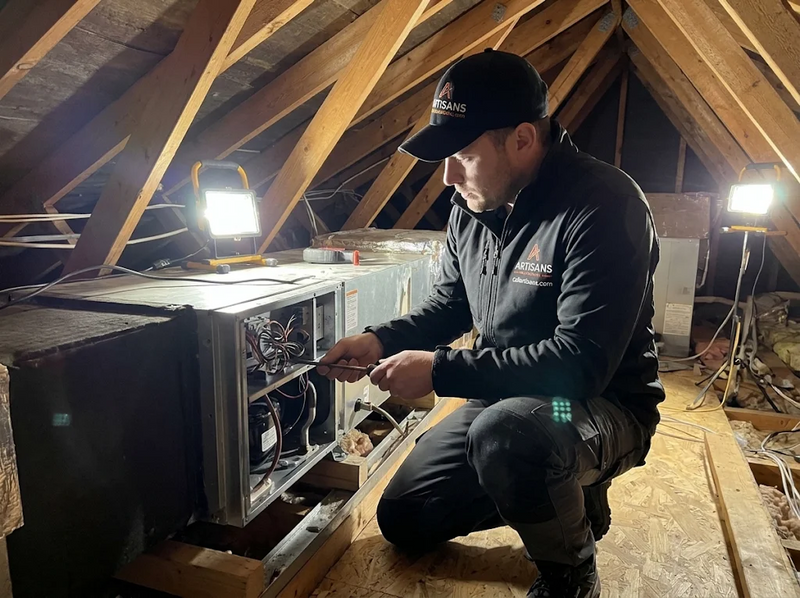
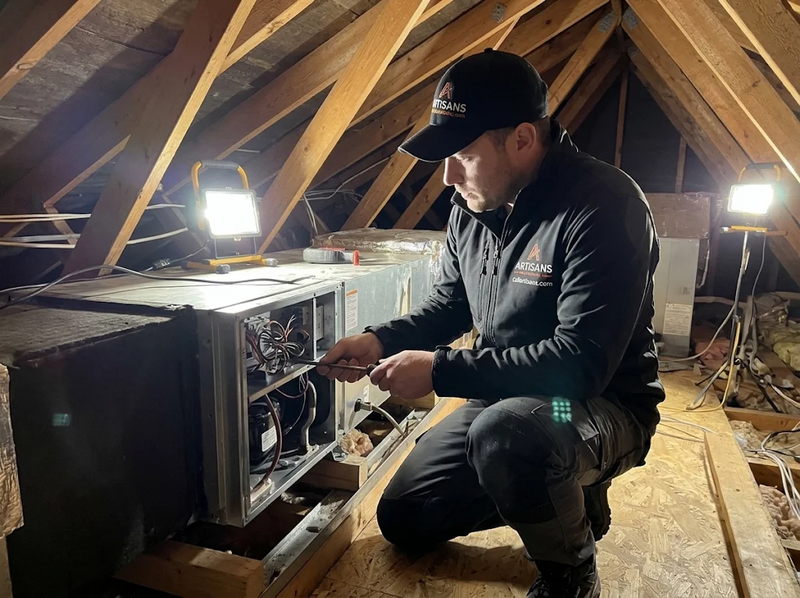
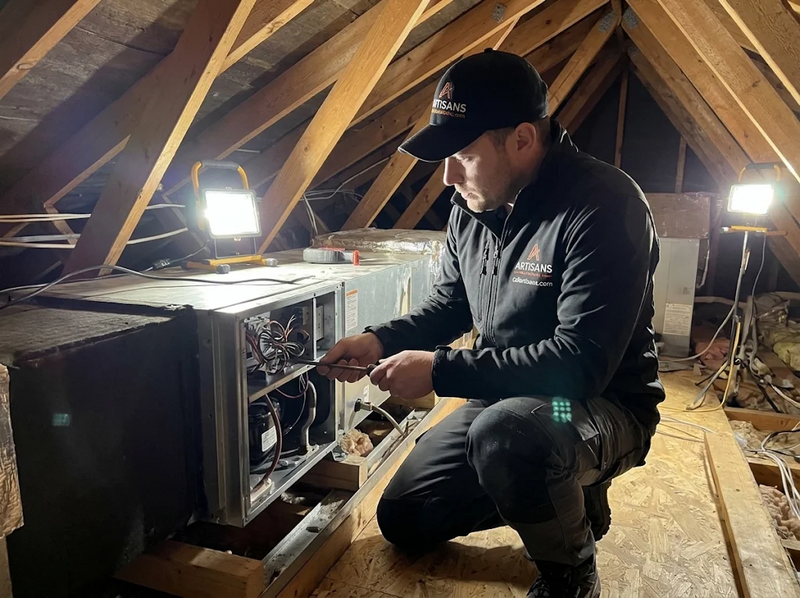
You must also find the absolute best location for the new unit to allow for breathing room. Most often, furnaces are housed inside a cellar, dedicated utility closet, or attic space. When selecting the spot, consider the proximity to fuel pipes, electrical outlets, and your home’s core ductwork. The zone must be entirely free of clutter and junk to allow enough room for future servicing and to stop dangerous accidents.
24 Hour Furnace Installation Technician in Alpha New Jersey 08865
Powering the Furnace
Current heating units demand a dedicated electrical circuit that is isolated from your home’s other electrical systems. Before dropping the unit in, an installation pro or contractor must ensure your home’s wiring and outlets are modernized and in pristine condition.
- Considerations for Older Homes: Installing a new, high-tech furnace in an historic house often demands panel upgrades to give it the juice it needs. Outdated systems can cause potential power surges that may destroy a modern heater’s motherboard.
Navigating Permits and Local Building Codes
Skipping bureaucratic steps can result in severe municipal fines or legal complications when it comes time to sell your home. A critical preliminary step is to pull the right permits ahead of the home furnace installation. Following local building codes, brand guidelines, and overarching safety standards like the NFPA and IRC keeps you safe and guarantees the legality of heating systems.
4. The Step-by-Step Installation Day Timeline
Knowing what takes place on installation day helps you to interrogate the crew and ensure their chosen contractors are doing things by the book.
Step 1: Disconnection and Safe Removal
The initial phase requires unhooking and trashing the broken heater. Technicians must strictly ensure that all breakers and fuel valves are safely shut off before touching the equipment. The HVAC crew will then clean the area, removing old metal components and debris to prepare a clean pad for the incoming unit.
Step 2: Positioning the New Unit
Once the area is cleared, the new furnace is moved into its designated location. The contractors will use precision leveling tools to make sure it sits flat—which is absolutely necessary for proper condensation drainage and mechanical operation—and check that it has enough breathing room.
Step 3: Making the Connections
This crucial part wires the new unit to your home’s vital circulatory systems:
- Ductwork: The installers will attach the plenums, making sure to seal out air to stop draftiness and push all the air into the home.
- Venting: Perfectly installing chimney liners is mandatory to stop a leak of deadly exhaust gas inside the living space. The system must blow all fumes safely outside the home.
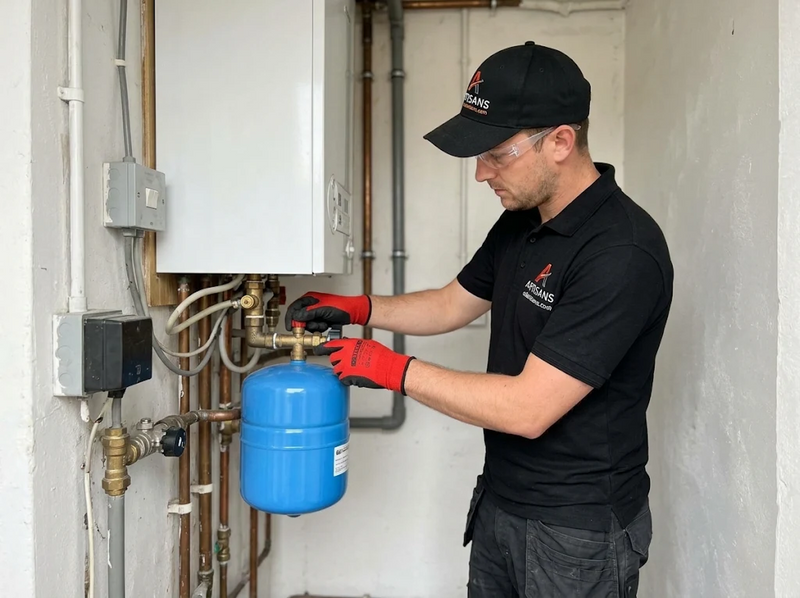
- Gas and Electrical Lines: The electrician will hook up the breaker with absolutely no exposed wires and attach the gas lines using pipe dope and wrenches.
Step 4: Smart Thermostat Setup
The last physical part of the install is installing or calibrating the wall control. The pros will connect the R, W, and C wires, sync it with the furnace’s internal control board, and set the parameters for optimal efficiency and customized comfort.
5. Strict Safety Checks and Quality Assurance
The work is unfinished when the last screw is driven. Thorough QA is what makes the difference between a hack and a pro.
Checking for Gas Leaks
Sniffing for gas is the number one post-installation safety check. Technicians will use electronic gas sniffers to verify that absolutely no gas is escaping from the newly established connections. They will also conduct thorough carbon monoxide testing to ensure the space is adequately ventilated and the flue is drawing air correctly.
Carbon Monoxide Detectors
Due to the invisible nature of carbon monoxide, putting up or testing working carbon monoxide detectors is an important final step. If you are upgrading an old system, putting up fresh detectors is highly recommended.
System Startup and Calibration
Prior to packing up the van, the lead installer will turn on the heat to guarantee there are no operational problems or shaking. They will check the temperature rise and ensure the blower is powerful enough, verifying that the home heats evenly and efficiently across all rooms. Post-installation inspections by qualified professionals guarantee all protocols were followed.
6. Furnace Maintenance Guide
A successful furnace installation creates the foundation, but proper care determines how long it will last. Skipping filter changes will quickly reverse the expensive energy efficiency gains you just purchased.
- Keep Filters Clean: Clogged or dirty air filters choke the blower motor, causing overheating and spike your bills while pumping dust into your house. You should plan to swap your air filters monthly during winter, heavily depending on your household’s usage, pet presence, and the MERV rating of the filter.
- Fix Drafts: Keeping the cold out, free of window drafts, and that all exposed air ducts is properly sealed takes the strain off on your HVAC unit.
- Yearly Tune-Ups: Never wait for an emergency to get it serviced. Book a pro to clean the system once a year. These maintenance visits identify bad parts and dirty burners before they become $1000 repairs.
Knowing your system is the last step in the process. A top-tier installer will teach you about the furnace, when to change filters, and basic DIY fixes. By buying a good brand, hiring a licensed contractor, and changing filters regularly, you ensure your home remains a warm, safe, and highly efficient sanctuary for the foreseeable future.
For a 24 Hour Furnace Installation Technician in Alpha 08865, you can count on Artisans. We’re available 24/7 for all your 24 Hour Furnace Installation Technician needs: (484) 901-5900