The Complete Homeowner’s Handbook on Furnace Installation in the Modern Era
Purchasing a modern HVAC unit is one of the most impactful enhancements you can make to your residence’s overall comfort, safety, and power conservation. That being said, a perfect furnace installation is just as critical as the tier of the hardware itself. Following professional standards during installation enhances operational efficiency, lowers monthly utility bills, and shields your home from deadly risks like fire hazards.
Lennox Furnace Installation Contractor in East Texas Pennsylvania
When heating systems are the wrong size, poorly inspected, or improperly installed, they can suddenly turn from a comforting appliance into a severe threat leading to electrical fires or fatal carbon monoxide leaks. Regardless of whether you are replacing an failing unit in a vintage home or setting up a new construction, this detailed article explores every critical phase of the heating replacement journey so you know how the process works.
1. Fixing vs. Replacing: Deciding What’s Best
Before committing to a full furnace installation, it is essential to assess whether your existing unit truly needs replacing. Heating systems do not last forever, but identifying the ideal timeframe to swap it out can save you thousands of dollars in emergency repairs and power loss.
You should plan for a complete system overhaul if you observe the following red flags:
- Equipment Age: The average life expectancy of a residential furnace is generally fifteen to twenty years. If your unit falls within or is past this timeframe, its internal mechanical components and heating elements are probably failing.
- Rising Utility Costs: If your gas or electric bills are increasing rapidly despite normal use, your furnace is wasting energy and struggling to produce the exact same amount of heat.
- Frequent Breakdowns: When the total expense of repeated emergency repairs on an outdated system begins to come close to the cost of a new system, replacement is the most financially sound choice.
- Dangerous Warning Signs: Foul odors, persistent rattling or banging noises, and any hint of a carbon monoxide issue means you should shut the system off and call a tech. Dangerous symptoms often demand an immediate replacement to stop deadly accidents.
2. Choosing the Right Furnace for Your Property
Every furnace is different. Modern heating technology has improved drastically, offering property owners total command over their living space temperature and power draw.
What is an AFUE Rating?
Furnace performance is measured by the Annual Fuel Utilization Efficiency rating. A higher AFUE percentage means that a larger portion of the gas or electric your furnace consumes is turned into warm air for your home rather than venting outside.
- Lower Energy Bills: Top-tier heating units burn less gas to heat the home. This leads to substantial financial savings over the life of the furnace, which is highly apparent in areas that experience extreme cold weather.
- Eco-Friendly Perks: Installing a high-efficiency furnace with a top-tier AFUE rating reduces emissions, contributing to a greener home and helping broader environmental sustainability.
Leading HVAC Brands for the Current Year
Before setting up an install, choosing a trusted company is paramount. Looking at consumer reviews and durability, here are some of the top-rated options:
3. Pre-Installation: Preparing Your Home
A perfect HVAC setup begins well before the furnace shows up at your door. Proper preparation guarantees the installation proceeds safely and that the new system functions efficiently from the first time you turn it on.
Sizing and Location Strategy
Proper sizing is arguably the most essential factor in home furnace installation. A furnace that is too small will operate 24/7 and still freeze you out, while a system that is too large will short-cycle, causing hot and cold spots, poor humidity control, and broken parts.
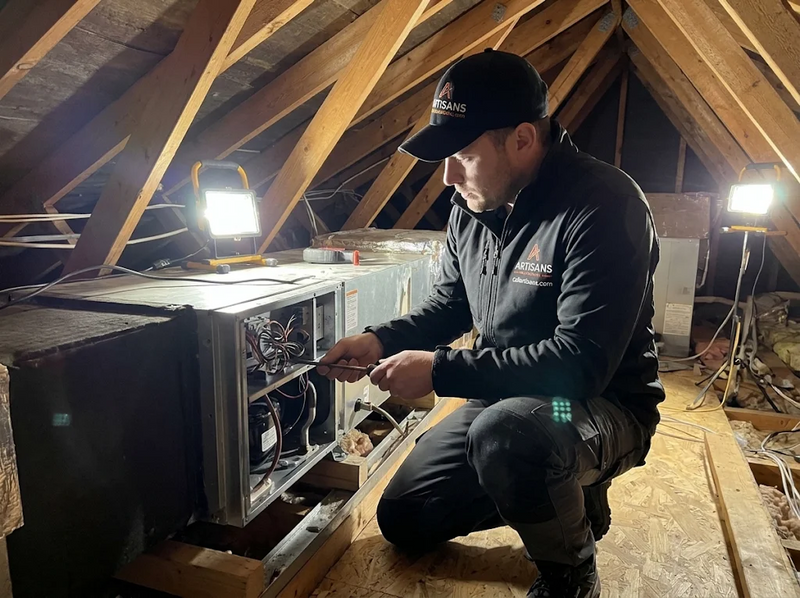
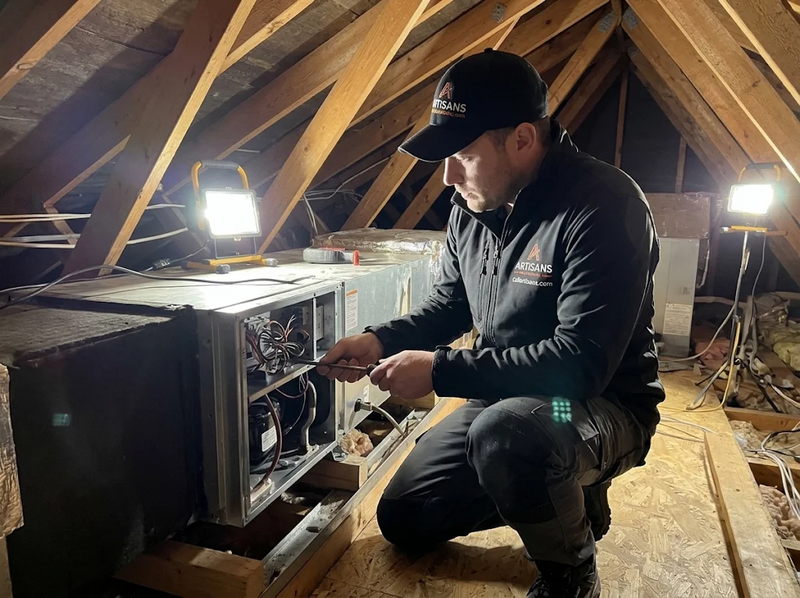
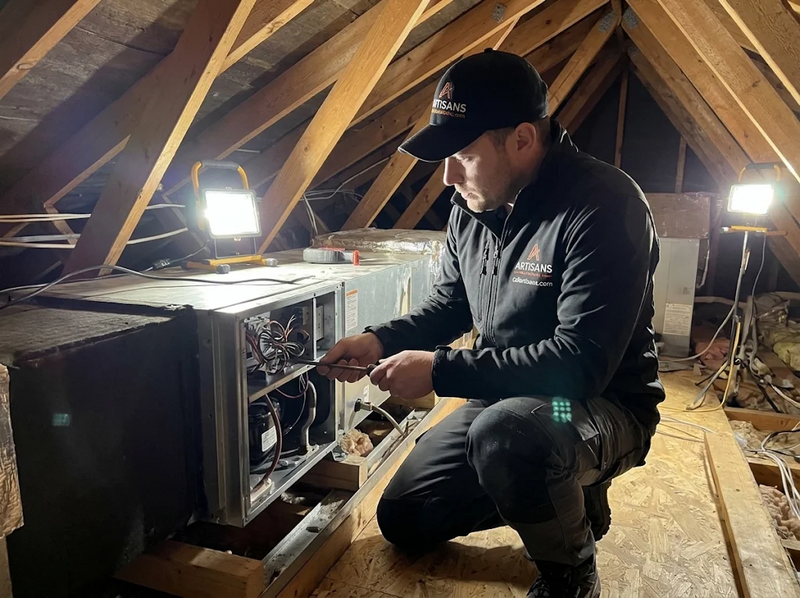
You must also find the perfect spot for the new unit to ensure proper airflow. Usually, furnaces are securely installed in a basement, HVAC room, or attic space. When choosing the area, think about how close it is to fuel pipes, electrical outlets, and your home’s main air ducts. The area must be completely cleared out and junk to allow enough room for maintenance calls and to mitigate accidental fire risks.
Lennox Furnace Installation Contractor in East Texas Pennsylvania 18046
Powering the Furnace
Most modern furnaces need a dedicated electrical circuit that is isolated from your home’s appliances. Before beginning the physical installation, an installation pro or electrician must ensure your home’s wiring and switches are modernized and in safe shape.
- If You Have an Older House: Installing a new, high-tech furnace in an older property often necessitates new electrical lines to prevent brownouts. Bad breakers can trigger electrical spikes that may destroy a new furnace’s computer chips.
Permits and Legalities
Ignoring city permits can result in hefty tickets or legal complications when it comes time to sell your home. A critical preliminary step is to pull the right permits before starting the home furnace installation. Sticking to local building codes, manufacturer instructions, and overarching safety standards like the national building codes protects homeowners and ensures the legal and safe operation of heating systems.
4. The A-to-Z HVAC Setup Walkthrough
Learning what to expect on installation day gives you confidence to stay informed and ensure their chosen contractors are doing things by the book.
Step 1: Removal Phase
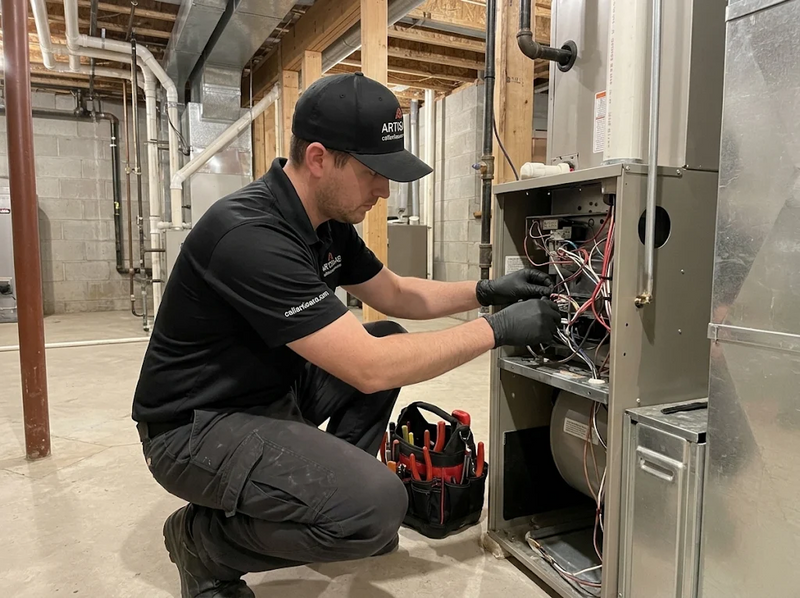
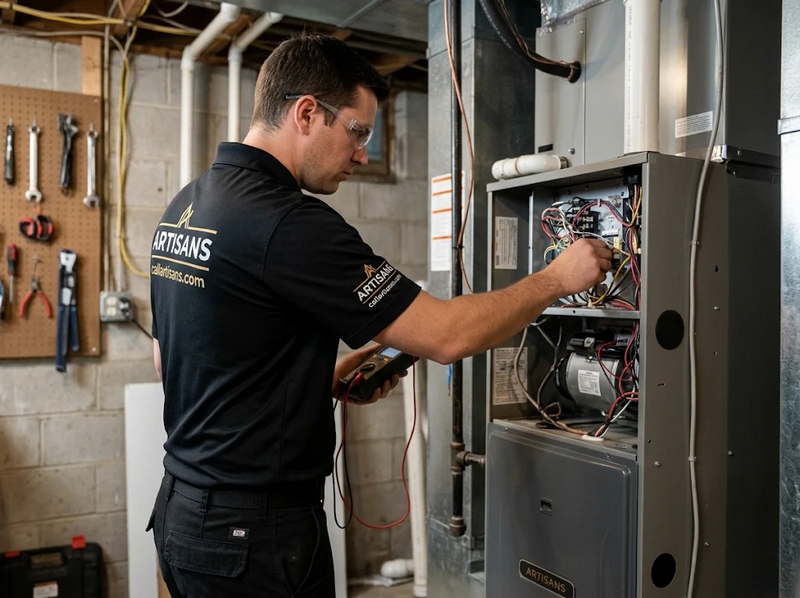
The beginning of the job requires cutting power to and trashing the broken heater. The crew must double check that all power feeds and fuel valves are locked out before touching the equipment. The HVAC crew will then clean the area, clearing old ducting and trash to create a pristine, level footprint for the incoming unit.
Step 2: Positioning the New Unit
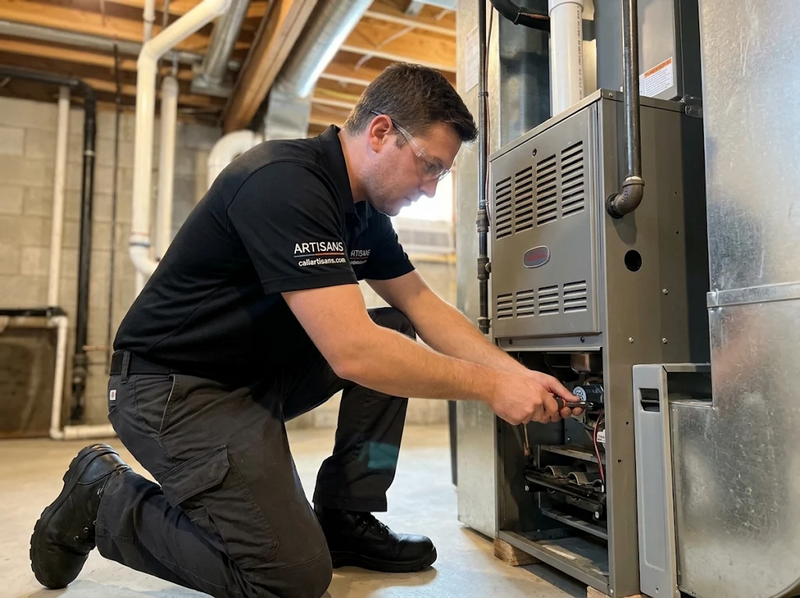
After prep is done, the heating unit is moved into its designated location. The techs will use precision leveling tools to ensure the furnace is perfectly balanced—which is structurally required for proper condensation drainage and fan balance—and check that it has enough breathing room.
Step 3: Making the Connections
This complex step plumbs the new unit to your home’s vital circulatory systems:
- Air Ducts: Technicians will hook up the sheet metal, working carefully to tape and mastic the joints to stop draftiness and ensure maximum airflow.
- Flue Pipes: Gluing and routing PVC vent pipes is the most important step to avoid the trapping of carbon monoxide inside the living space. The furnace must blow all exhaust gases into the outdoor air.
- Power and Fuel: The electrician will hook up the breaker with safe conduits and connect the flex gas line using pipe dope and wrenches.
Step 4: Wiring the Brain
The concluding phase is programming the wall control. The pros will wire the thermostat correctly, pair it to the system motherboard, and set the parameters for optimal efficiency and customized comfort.
5. Non-Negotiable Safety Protocols and System Testing
The work is not done when the final bolt is tightened. Rigorous safety testing is what guarantees a safe home.
Fuel Safety
Testing for leaks is the most important final test. Installers will utilize specialized gas detectors to verify that absolutely no gas is escaping from the newly established connections. They will also test the exhaust to check for CO spillage and the flue is drawing air correctly.
CO Alarms
Due to the invisible nature of carbon monoxide, putting up or testing CO alarms is an absolute must. If you are upgrading an old system, buying new alarms today is highly recommended.
Firing It Up
Prior to packing up the van, the technician will run the furnace for several minutes to guarantee there are no operational problems or unusual vibrations. They will check the temperature rise and test for proper airflow, making sure every room gets warm. Post-installation inspections by qualified professionals ensure all protocols were followed.
6. Long-Term Maintenance for Peak Performance
A great setup is just the beginning, but ongoing, diligent maintenance determines how long it will last. Ignoring maintenance will destroy the high AFUE ratings you paid for.
- Keep Filters Clean: Clogged or dirty air filters choke the blower motor, forcing the furnace to work harder and consume more energy while pumping dust into your house. You should replace your air filters every 30 to 90 days, depending on dust levels, how many dogs or cats you have, and the specific filter type.
- Seal and Insulate: Keeping the cold out, caulking windows, and that all exposed air ducts is mastic sealed takes the strain off on your HVAC unit.
- Annual Professional Inspections: Never wait for an emergency to get it serviced. Hire a local expert to clean the system once a year. These maintenance visits find small problems and failing flame sensors before they leave you freezing in the middle of the night.
Being an informed homeowner is the cherry on top. A true professional will walk you through how the system works, when to change filters, and basic DIY fixes. By investing in a high-quality unit, prioritizing a code-compliant professional installation, and committing to simple routine maintenance, you ensure your home remains a cozy, protected environment for many years.
For a Lennox Furnace Installation Contractor in East Texas 18046, you can count on Artisans. We’re available 24/7 for all your Lennox Furnace Installation Contractor needs: (484) 901-5900