The Definitive Homeowner’s Manual for HVAC Installation in the Modern Era
Investing in a state-of-the-art heating unit is one of the most valuable investments you can make to your home’s indoor climate, security, and power conservation. But, a top-notch furnace installation is as essential as the tier of the hardware itself. Implementing professional standards during installation enhances heating efficiency, lowers lifetime operational expenses, and protects your family from dangerous situations like carbon monoxide buildup.
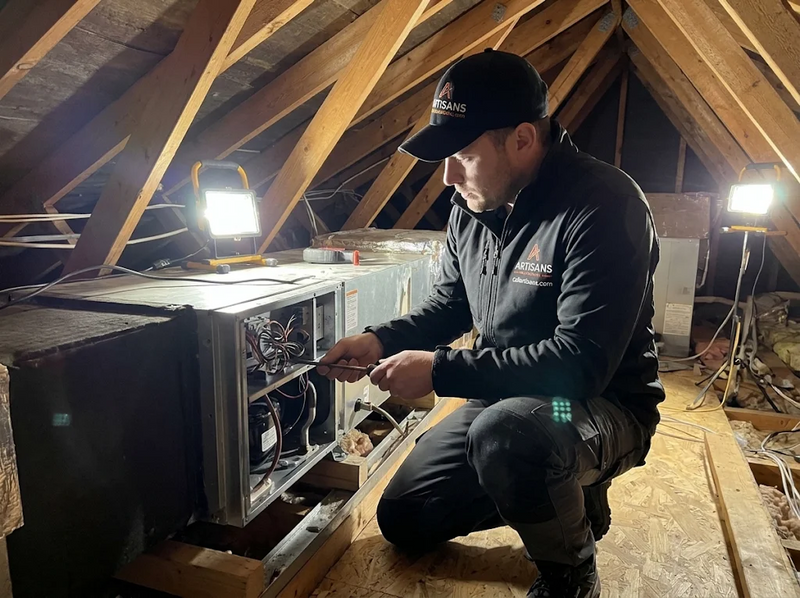
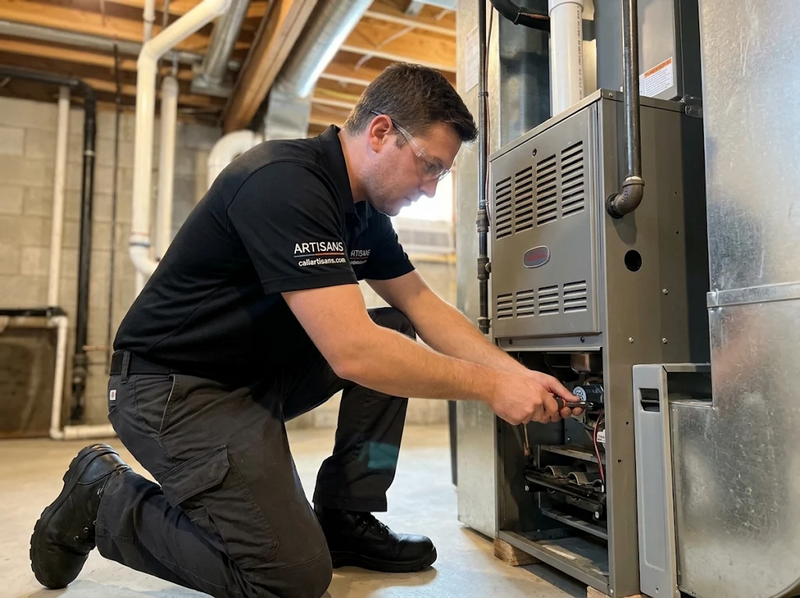
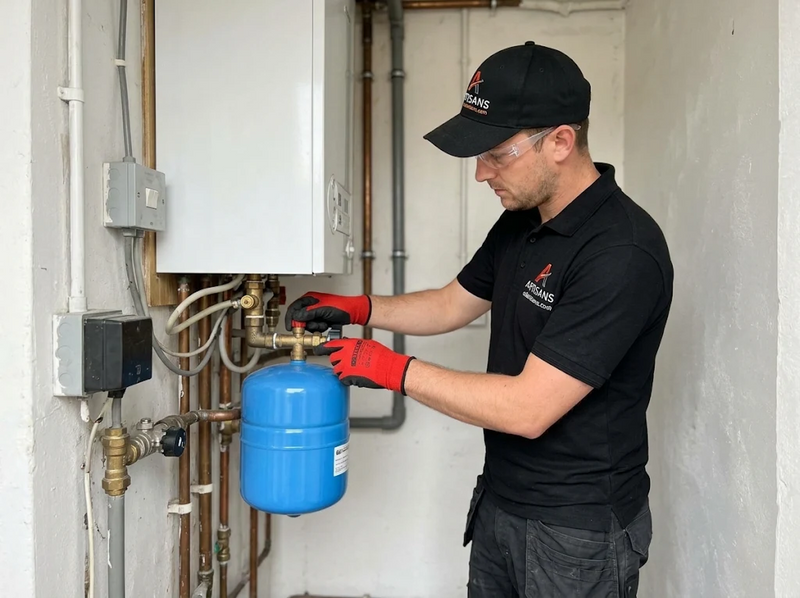
Trane Furnace Installation Contractor in Allentown Pennsylvania
If furnaces are improperly measured, badly reviewed, or installed incorrectly, they can rapidly transform from a reliable heat source into a massive danger leading to fires or fatal carbon monoxide leaks. Whether you are upgrading an outdated system in a historic property or setting up a brand-new build, this in-depth post explores each important stage of the HVAC setup process so you know how the process works.
1. Should You Repair or Replace?: Making the Right Call
Prior to scheduling a full system replacement, it is vital to figure out whether your old furnace truly needs replacing. HVAC units do not run eternally, but identifying the exact right time to upgrade can keep money in your pocket in emergency repairs and wasted energy.
You should strongly consider a full furnace replacement if you observe the following warning signs:
- Age of the Unit: The typical duration of a home heating system is usually 15 to 20 years. If your system is in or exceeds this timeframe, its internal hardware and heat exchangers are likely deteriorating.
- Rising Utility Costs: If your gas or electric bills are steadily rising despite keeping the thermostat the same, your furnace is losing its baseline efficiency and struggling to produce the exact same amount of heat.
- Frequent Breakdowns: When the cumulative cost of repeated emergency repairs on an aging furnace begins to approach or exceed the investment of a new unit, replacement is the most economical decision.
- Imminent Safety Hazards: Strange smells, persistent rattling or banging noises, and any suspicion of a gas leak means you should immediately call a licensed professional. Safety issues often require an urgent swap to avoid carbon monoxide poisoning.
2. Choosing the Right Furnace for Your House
Furnaces vary wildly in quality. Today’s climate control tech has leaped forward, offering property owners unprecedented control over their indoor climate and energy consumption.
Understanding AFUE Ratings
Efficiency in heating is calculated using the Annual Fuel Utilization Efficiency rating. A top AFUE rating means that more of the raw fuel your heating unit burns is turned into usable heat for your living space rather than venting outside.
- Lower Energy Bills: Top-tier heating units consume less power to keep you warm. This results in massive money saved over the unit’s lifespan, which is very obvious in areas that experience long freezing seasons.
- Environmental Benefits: Installing a high-efficiency furnace with a top-tier AFUE rating typically emits far less carbon, contributing to a more eco-friendly household and supporting a cleaner environment.
Best Heating Manufacturers for 2026
Before setting up an install, selecting a reliable manufacturer is essential. Based on recent market performance and durability, here are some of the best choices:
3. Pre-Installation: Preparing Your Home
A successful furnace installation begins well before the furnace arrives in your driveway. Proper preparation guarantees the installation happens without a hitch and that the upgraded unit operates at peak performance from the first time you turn it on.
Placement and Sizing
Correctly sizing the unit is arguably the most essential factor in HVAC replacement. A unit that is undersized will operate 24/7 and still freeze you out, while a unit that is too large will turn on and off constantly, leading to massive temperature fluctuations, bad air quality, and broken parts.
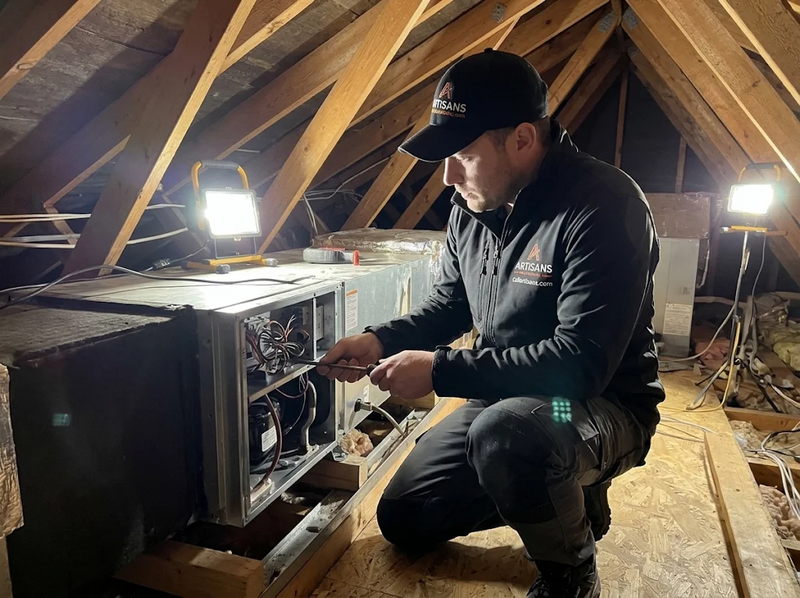
You must also decide on the ideal area for the installation to guarantee ventilation. Typically, heating systems are housed inside a basement, HVAC room, or attic space. When selecting the spot, think about how close it is to fuel pipes, electrical outlets, and your home’s main air ducts. The area must be totally clean and obstructions to allow enough room for maintenance calls and to stop dangerous accidents.
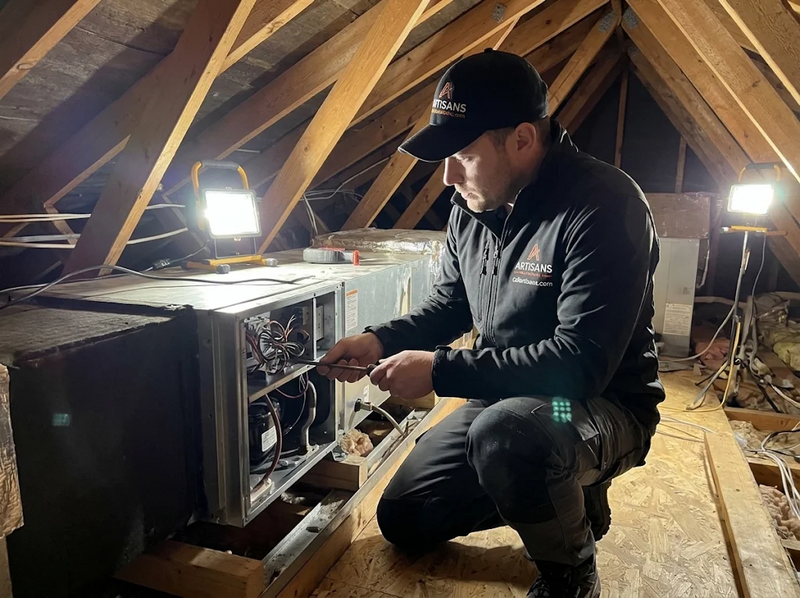
Trane Furnace Installation Contractor in Allentown Pennsylvania 18102
Powering the Furnace
Current heating units demand a standalone power line that remains entirely separate from your home’s other electrical systems. Before dropping the unit in, an HVAC technician or electrician must check that your electrical panel and switches are modernized and in perfect working order.
- If You Have an Older House: Putting a smart furnace in an older property often necessitates upgraded wiring to prevent brownouts. Outdated systems can cause potential power surges that may ruin a modern heater’s sensitive electronic control board.
Permits and Legalities
Ignoring city permits can result in severe municipal fines or problems when it goes on the real estate market. A vital first move is to get city approval prior to beginning the job. Sticking to county regulations, brand guidelines, and national safety rules like the national building codes protects homeowners and ensures the legal and safe operation of heating systems.
4. The Complete HVAC Setup Walkthrough
Learning what to expect on installation day empowers homeowners to interrogate the crew and ensure their chosen contractors are following strict industry best practices.
Step 1: Removal Phase
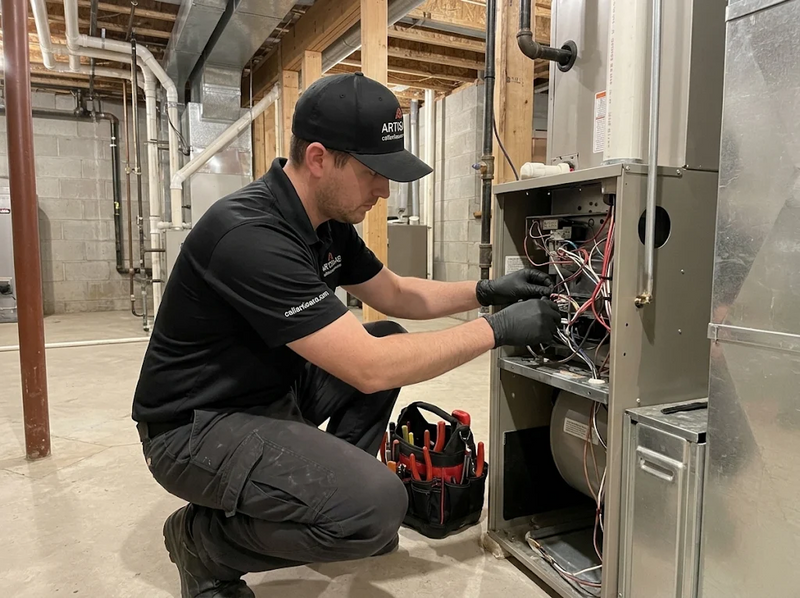
The beginning of the job requires cutting power to and hauling away the broken heater. Installers must guarantee all breakers and gas lines are safely shut off before starting the demo. The HVAC crew will then clean the area, clearing old ducting and trash to make a flat surface for the incoming unit.
Step 2: Placement
After prep is done, the heating unit is moved into its designated location. The contractors will use precision leveling tools to ensure the furnace is perfectly balanced—which is structurally required for water draining and mechanical operation—and ensure it isn’t touching the walls.
Step 3: Hooking Everything Up
This crucial part connects the standalone furnace to your home’s vital circulatory systems:
- Ventilation: The installers will hook up the sheet metal, making sure to seal out air to stop draftiness and push all the air into the home.
- Venting: Perfectly installing chimney liners is non-negotiable to prevent a dangerous buildup of deadly exhaust gas inside the home. The system must securely vent all fumes safely outside the home.
- Gas and Electrical Lines: The team will establish secure electrical connections with absolutely no exposed wires and connect the flex gas line using leak-free joints.
Step 4: Wiring the Brain
The final mechanical step is programming the wall control. Technicians will wire the thermostat correctly, pair it to the system motherboard, and adjust the initial baseline settings for the best energy savings and perfect temperatures.
5. Non-Negotiable Safety Protocols and Quality Assurance
The installation is unfinished when the wiring is done. Rigorous safety testing is what makes the difference between a hack and a pro.
Fuel Safety
Checking the gas pipe is the most critical final test. Installers will utilize specialized gas detectors to make sure zero gas is leaking from the threaded fittings. They will also test the exhaust to check for CO spillage and the exhaust system is functioning flawlessly under load.
CO Alarms
Since CO is a silent killer, putting up or testing CO alarms is an important final step. If you are upgrading an old system, putting up fresh detectors is strongly advised.
Firing It Up
Before handing over the invoice, the technician will turn on the heat to listen for weird noises or shaking. They will measure the heat at the registers and verify static pressure, making sure every room gets warm. Post-installation inspections by the city inspector or lead tech ensure all protocols were followed.
6. Furnace Maintenance Guide
A successful furnace installation creates the foundation, but ongoing, diligent maintenance determines how long it will last. Ignoring maintenance will destroy the high AFUE ratings you paid for.
- Keep Filters Clean: Clogged or dirty air filters block the air, forcing the furnace to work harder and spike your bills while ruining the air you breathe. You should replace your air filters every 30 to 90 days, based on how often it runs, how many dogs or cats you have, and the MERV rating of the filter.
- Fix Drafts: Adding attic insulation, caulking windows, and that all exposed air ducts is mastic sealed takes the strain off on your HVAC unit.
- Yearly Tune-Ups: Do not wait for a complete system failure in the dead of winter to get it serviced. Book a pro to clean the system once a year. These inspections find small problems and clogged drains before they escalate into expensive emergency service calls.
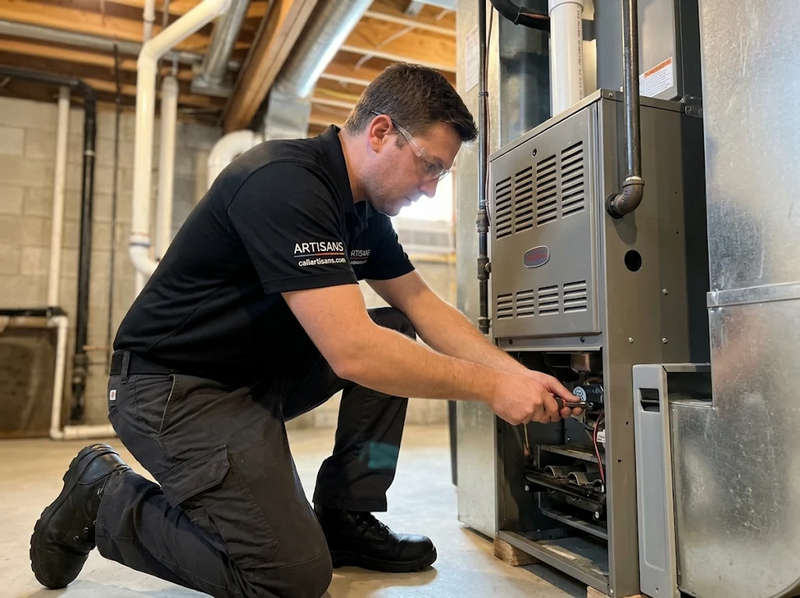
Being an informed homeowner is the cherry on top. A great technician will walk you through how the system works, how to operate the thermostat, and basic DIY fixes. By investing in a high-quality unit, hiring a licensed contractor, and changing filters regularly, you ensure your home remains a warm, safe, and highly efficient sanctuary for the foreseeable future.
For a Trane Furnace Installation Contractor in Allentown 18102, you can count on Artisans. We’re available 24/7 for all your Trane Furnace Installation Contractor needs: (484) 901-5900