The Complete Homeowner’s Manual for Heating System Setup in 2026
Purchasing a highly efficient HVAC unit is one of the most valuable improvements you can make to your residence’s temperature control, safety, and power conservation. Yet, a perfect installation process is as essential as the brand of the appliance itself. Implementing strict guidelines during installation boosts system performance, lowers monthly utility bills, and protects your family from deadly risks like carbon monoxide buildup.
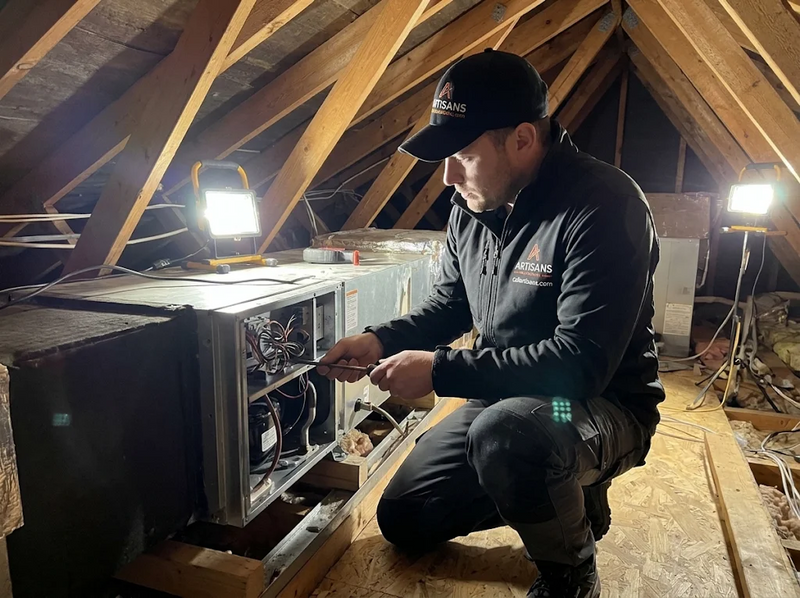
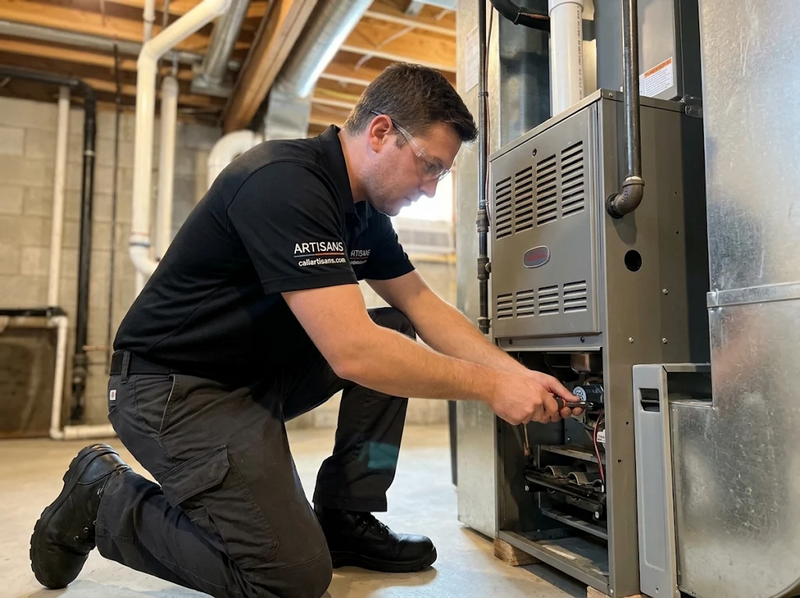
Lennox Furnace Installation Contractor in Trexlertown Pennsylvania
If HVAC units are the wrong size, poorly inspected, or set up wrong, they can rapidly turn from a reliable heat source into a massive danger involving fires or dangerous gas leaks. Whether you are replacing an outdated unit in a older house or equipping a brand-new build, this comprehensive guide covers each important stage of the HVAC setup process so you know exactly what to expect.
1. Should You Repair or Replace?: Making the Smart Choice
Prior to scheduling a comprehensive system replacement, it is crucial to determine whether your existing unit is at the end of its life. Furnaces do not last forever, but recognizing the perfect moment to upgrade can keep money in your pocket in sudden breakdowns and wasted energy.
You should strongly consider a new heating unit if you experience the following warning signs:
- System Lifespan: The typical duration of a residential furnace is typically fifteen to twenty years. If your system is in or is past this range, its internal mechanical components and heat exchangers are probably failing.
- Rising Utility Costs: If your utility costs are creeping up despite keeping the thermostat the same, your furnace is becoming highly inefficient and working twice as hard to generate the same temperature.
- Frequent Breakdowns: When the total expense of repeated emergency repairs on an old, inefficient unit begins to approach or exceed the price of a replacement, replacement is the most economical decision.
- Safety Concerns: Foul odors, unusual vibrations, and worries about a gas leak means you should shut the system off and call a tech. Hazards often require an urgent swap to stop deadly accidents.
2. Picking the Best HVAC Unit for Your House
Furnaces vary wildly in quality. Modern heating technology has advanced significantly, offering property owners massive influence over their home environment and energy consumption.
Understanding AFUE Ratings
Furnace performance is determined by the AFUE rating. A top AFUE rating means that a larger portion of the gas or electric your heating unit burns is transformed into usable heat for your home rather than being wasted up the chimney.
- Reduced Utility Costs: High-efficiency furnaces consume less power to heat the home. This results in substantial financial savings over the unit’s lifespan, which is very obvious in areas that endure long freezing seasons.
- Going Green: Selecting a green heating system with a 90+ AFUE score lowers pollution, resulting in a more eco-friendly household and promoting global climate goals.
Top Furnace Brands for 2026
When planning a furnace installation, picking a good brand is paramount. According to industry data and durability, here are some of the best choices:
3. Preparation Phase: Getting Ready
A perfect HVAC setup begins long before the equipment shows up at your door. Getting ready guarantees the installation proceeds safely and that the upgraded unit functions efficiently from day one.
Placement and Sizing
Load calculation is incredibly important in home furnace installation. A unit that is too small will operate 24/7 while leaving rooms cold, while a unit that is oversized will short-cycle, ruining efficiency, bad air quality, and broken parts.
You must also determine the perfect spot for the installation to ensure proper airflow. Usually, furnaces are housed inside a basement, HVAC room, or attic space. When selecting the spot, think about how close it is to fuel pipes, power sources, and your home’s core ductwork. The area must be completely cleared out and junk to guarantee sufficient clearance for maintenance calls and to mitigate accidental fire risks.
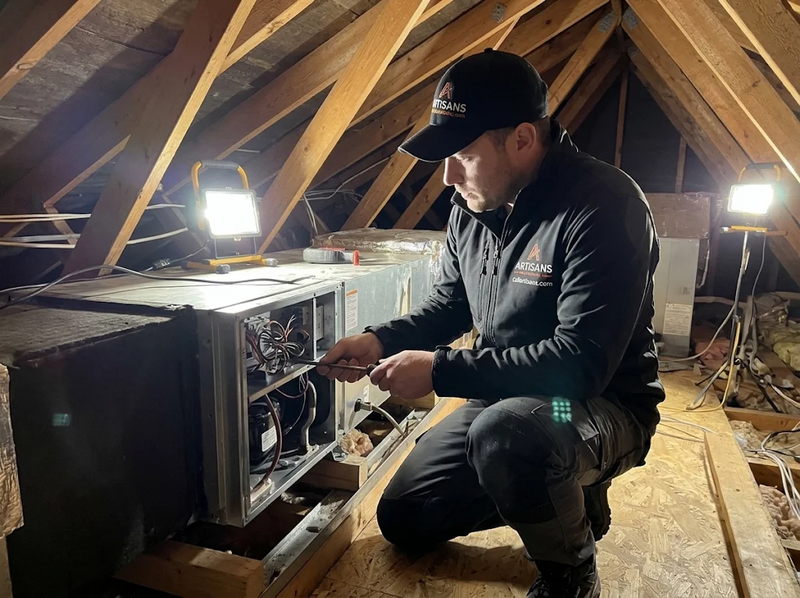
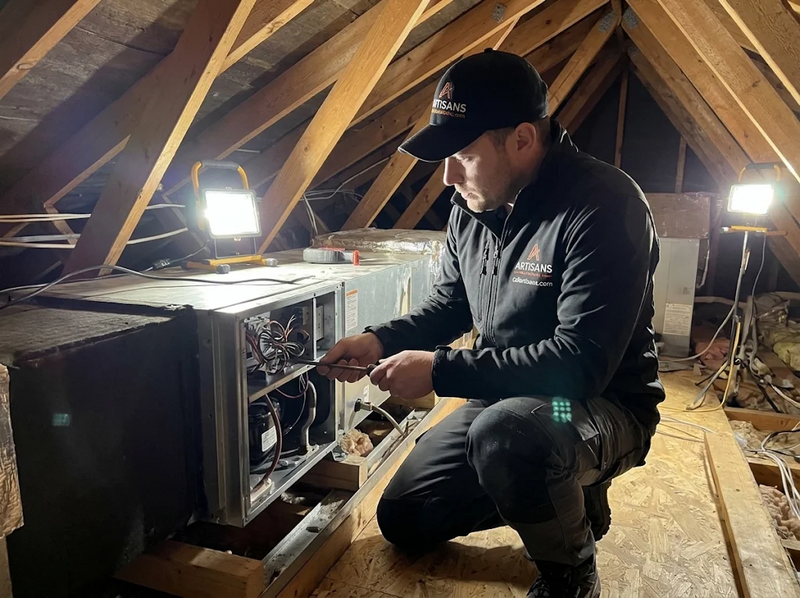
Lennox Furnace Installation Contractor in Trexlertown Pennsylvania 18087
Powering the Furnace
Most modern furnaces demand a standalone power line that is isolated from your home’s appliances. Before dropping the unit in, an installation pro or electrician must ensure your home’s wiring and switches are modernized and in safe shape.
- Considerations for Older Homes: Installing a new, high-tech furnace in an aging home often necessitates upgraded wiring to provide adequate, stable power. Old knob and tube wiring can trigger electrical spikes that may instantly fry a new furnace’s motherboard.
Dealing with City Codes
Ignoring city permits can result in hefty tickets or problems when it comes time to sell your home. A critical preliminary step is to acquire all necessary local permits before starting the job. Adhering to county regulations, brand guidelines, and overarching safety standards like the national building codes protects homeowners and ensures the legal and safe operation of heating systems.
4. The Complete HVAC Setup Walkthrough
Learning what to expect on installation day helps you to interrogate the crew and make sure the HVAC techs are following strict industry best practices.
Step 1: Disconnection and Safe Removal
The initial phase involves unhooking and removing the broken heater. The crew must guarantee all breakers and gas lines are closed tight before beginning work. The installation team will then clear the space, taking out scrap metal and debris to make a flat surface for the incoming unit.
Step 2: Positioning the New Unit
When the space is ready, the heating unit is moved into its designated location. The techs will use precision leveling tools to ensure the furnace is perfectly balanced—which is absolutely necessary for water draining and mechanical operation—and verify it meets all manufacturer-required spatial clearances.
Step 3: Hooking Everything Up
This highly technical phase plumbs the new unit to your home’s vital circulatory systems:
- Air Ducts: The installers will hook up the sheet metal, taking great care to properly seal the connections to stop draftiness and push all the air into the home.
- Venting: Gluing and routing PVC vent pipes is mandatory to avoid the trapping of deadly exhaust gas inside the home. The furnace must blow all fumes into the outdoor air.
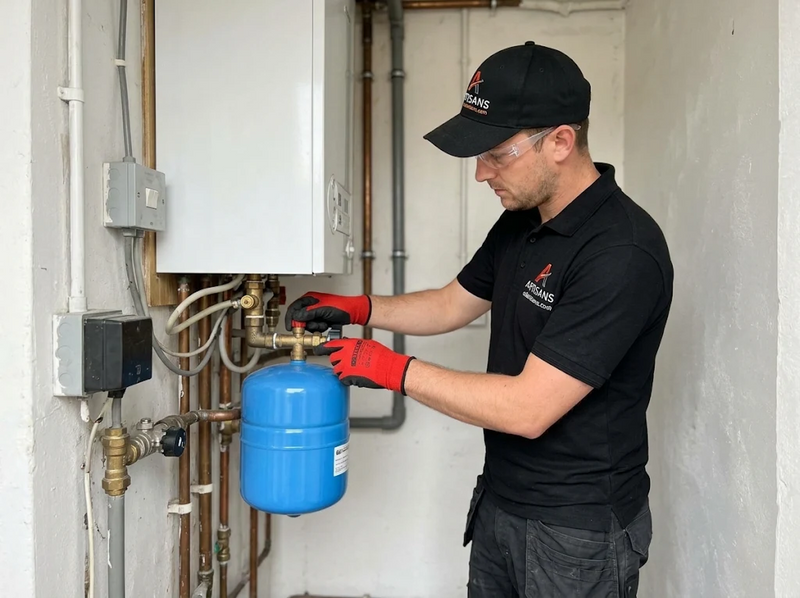
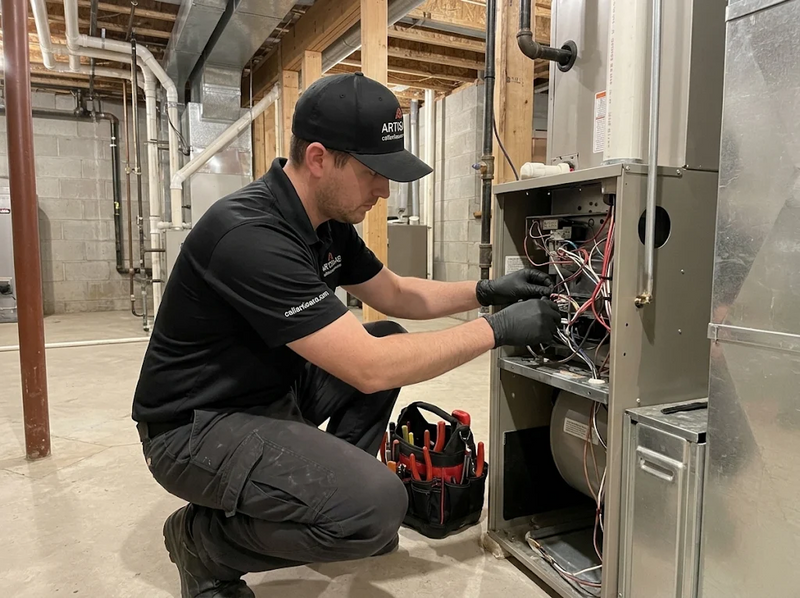
- Power and Fuel: The team will hook up the breaker with safe conduits and attach the gas lines using pipe dope and wrenches.
Step 4: Smart Thermostat Setup
The concluding phase is programming the wall control. The pros will wire the thermostat correctly, pair it to the system motherboard, and program the schedules for optimal efficiency and perfect temperatures.
5. Strict Safety Checks and Quality Assurance
The installation is unfinished when the wiring is done. Thorough QA is what guarantees a safe home.
Checking for Gas Leaks
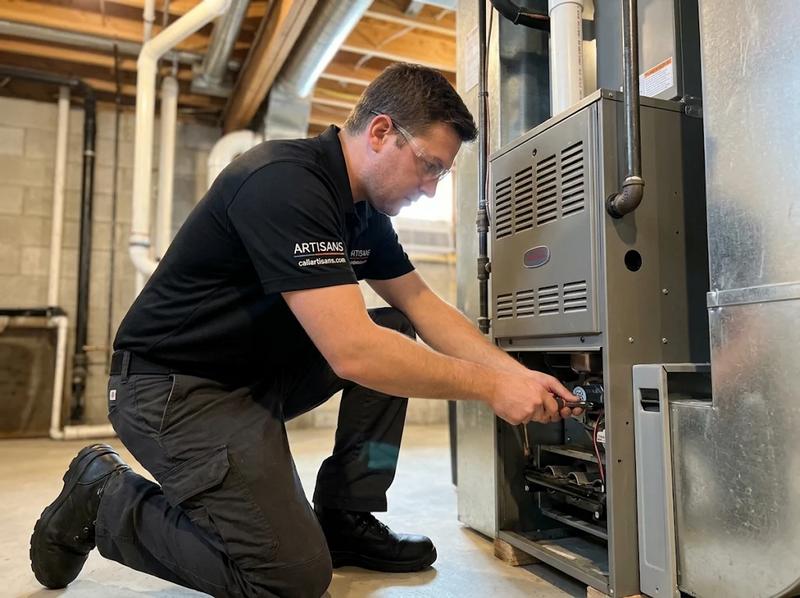
Testing for leaks is the most important final test. Installers will spray liquid leak detector to make sure zero gas is leaking from the threaded fittings. They will also run a combustion analysis to make sure it vents properly and the exhaust system is functioning flawlessly under load.
CO Alarms
Since CO is a silent killer, putting up or testing CO alarms is an essential extra safety layer. If you are installing a furnace in an older home, putting up fresh detectors is basically mandatory.
System Startup and Calibration
Before handing over the invoice, the lead installer will cycle the system to guarantee there are no operational problems or unusual vibrations. They will measure the heat at the registers and ensure the blower is powerful enough, verifying that the home heats evenly and efficiently across all rooms. Post-installation inspections by qualified professionals ensure all safety measures are correctly implemented.
6. Furnace Maintenance Guide
A successful furnace installation is just the beginning, but proper care is the key to longevity. Ignoring maintenance will quickly reverse the expensive energy efficiency gains you just purchased.
- Keep Filters Clean: Dust-packed filters choke the blower motor, making the system overwork and consume more energy while pumping dust into your house. You should replace your filters every 30 to 90 days, heavily depending on your household’s usage, pet presence, and the MERV rating of the filter.
- Fix Drafts: Adding attic insulation, free of window drafts, and that all accessible ductwork in attics or basements is properly sealed takes the strain off on your HVAC unit.
- Yearly Tune-Ups: Do not wait for a complete system failure in the dead of winter to hire an HVAC company. Schedule an experienced technician to thoroughly inspect the furnace annually. These inspections catch minor leaks and dirty burners before they leave you freezing in the middle of the night.
Customer education is the final piece of a successful installation. A great technician will walk you through how the system works, when to change filters, and basic DIY fixes. By buying a good brand, hiring a licensed contractor, and changing filters regularly, you guarantee your house will be a warm, safe, and highly efficient sanctuary for the foreseeable future.
For a Lennox Furnace Installation Contractor in Trexlertown 18087, you can count on Artisans. We’re available 24/7 for all your Lennox Furnace Installation Contractor needs: (484) 901-5900