A Comprehensive Homeowner Manual for HVAC Installation in 2026
Committing to a brand-new furnace is one of the most crucial enhancements you can make to your residence’s temperature control, safety, and utility savings. Yet, a high-quality installation process is vital compared to the tier of the unit itself. Applying professional standards during installation enhances system performance, decreases lifetime operational expenses, and shields your home from deadly risks like fire hazards.
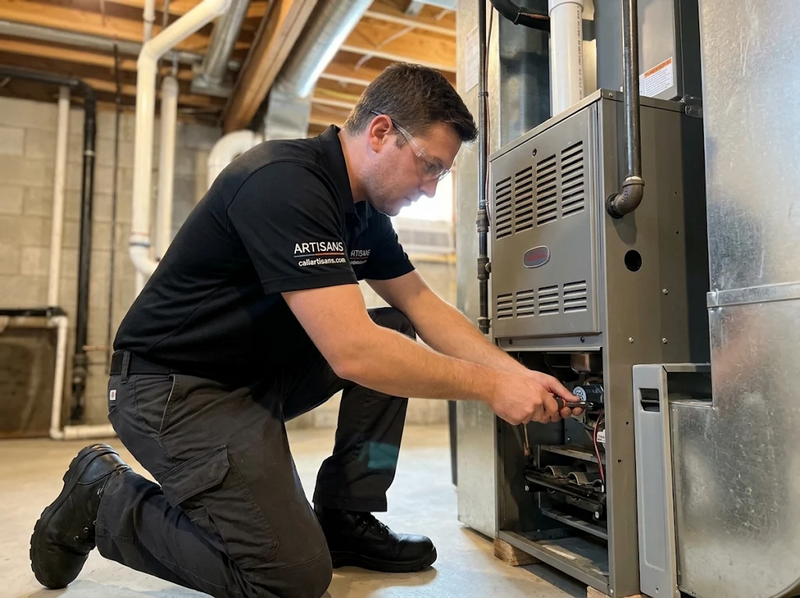
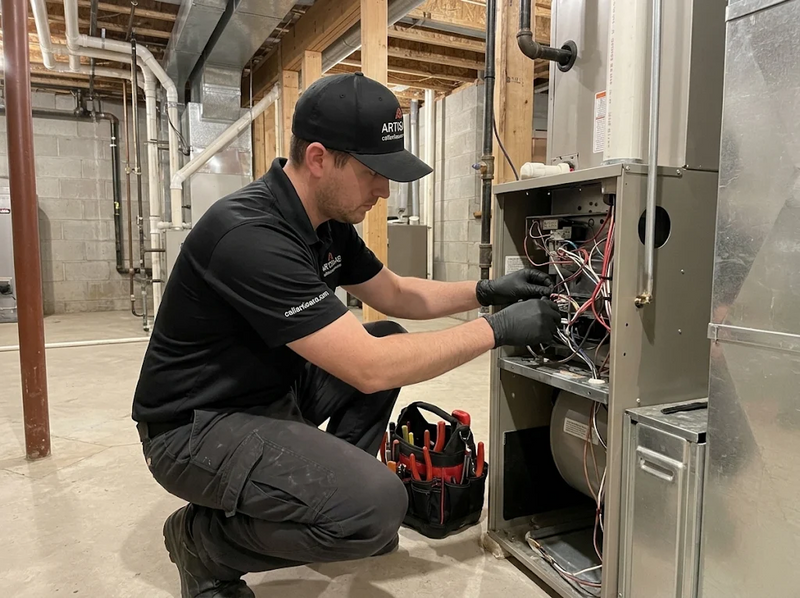
Carrier Furnace Installation Technician in Hellertown Pennsylvania
Whenever furnaces are the wrong size, inadequately checked, or set up wrong, they can suddenly turn from a comforting appliance into a serious safety hazard leading to fires or fatal carbon monoxide leaks. Whether you are swapping out an failing system in a vintage home or outfitting a brand-new build, this in-depth post explores all vital steps of the furnace installation process so you know what lies ahead.
1. Fixing vs. Replacing: Making the Right Call
Prior to scheduling a full system replacement, it is essential to figure out whether your old system actually requires replacement. Furnaces do not last forever, but spotting the ideal timeframe to swap it out can prevent financial strain in costly fixes and wasted energy.
You should plan for a new heating unit if you spot the following indicators:
- Age of the Unit: The typical duration of a residential furnace is typically 15 to 20 years. If your unit is in or exceeds this range, its internal hardware and heat exchangers are likely deteriorating.
- Escalating Energy Bills: If your gas or electric bills are creeping up despite normal use, your furnace is losing its baseline efficiency and straining to produce the exact same amount of heat.
- Frequent Breakdowns: When the added price of constant service calls on an outdated system begins to approach or exceed the cost of a new system, replacement is the most economical decision.
- Imminent Safety Hazards: Foul odors, unusual vibrations, and any hint of a gas leak means you should shut the system off and call a tech. Safety issues often demand an immediate replacement to avoid carbon monoxide poisoning.
2. Selecting the Perfect Heating System for Your House
Not all furnaces are created equal. Current HVAC engineering has improved drastically, offering consumers massive influence over their home environment and power draw.
Decoding Efficiency Ratings
Heating efficiency is calculated using the Annual Fuel Utilization Efficiency rating. A better AFUE score means that more of the raw fuel your heating unit burns is turned into warm air for your living space rather than escaping as exhaust.
- Cheaper Heating: High-efficiency furnaces fundamentally use less fuel to keep you warm. This results in massive money saved over the life of the furnace, which is especially noticeable in areas that endure extreme cold weather.
- Going Green: Choosing a green heating system with a top-tier AFUE rating typically emits far less carbon, resulting in a more eco-friendly household and supporting global climate goals.
Top Furnace Brands for 2026
When planning a furnace installation, selecting a reliable manufacturer is essential. According to industry data and durability, here are some of the highly recommended systems:
3. Preparation Phase: Setting the Stage
A perfect HVAC setup begins well before the furnace is delivered. Proper preparation guarantees the installation proceeds safely and that the new system operates at peak performance from the first time you turn it on.
Measuring for the Unit
Proper sizing is the most vital step in HVAC replacement. A furnace that is undersized will never shut off while leaving rooms cold, while a system that is oversized will rapid cycle, causing hot and cold spots, bad air quality, and early system failure.
You must also find the ideal area for the new unit to ensure proper airflow. Usually, furnaces are placed in a cellar, dedicated utility closet, or garage. When choosing the area, consider the proximity to fuel pipes, power sources, and your home’s main air ducts. The zone must be totally clean and obstructions to guarantee sufficient clearance for maintenance calls and to stop dangerous accidents.
Carrier Furnace Installation Technician in Hellertown Pennsylvania 18055
Upgrading Electrical Systems and Wiring
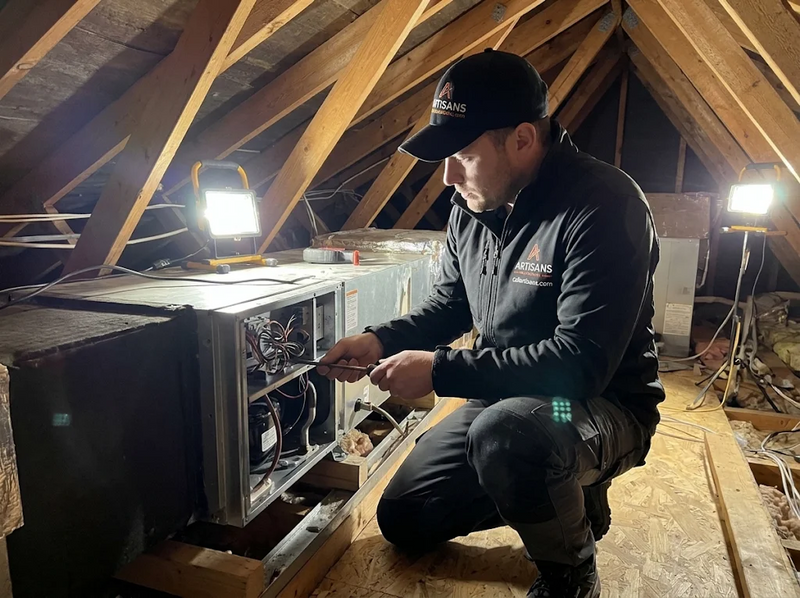
Current heating units demand a separate breaker that remains entirely separate from your home’s other electrical systems. Before dropping the unit in, an HVAC technician or contractor must check that your electrical panel and switches are modernized and in pristine condition.
- If You Have an Older House: Putting a smart furnace in an historic house often necessitates upgraded wiring to provide adequate, stable power. Old knob and tube wiring can cause potential power surges that may instantly fry a new furnace’s motherboard.
Permits and Legalities
Bypassing the legal process can result in hefty tickets or problems when it comes time to sell your home. A critical preliminary step is to get city approval prior to beginning the job. Following local building codes, brand guidelines, and national safety rules like the national building codes protects homeowners and ensures the legal and safe operation of the HVAC equipment.
4. The Complete Furnace Installation Process
Knowing what takes place on the day of the install helps you to stay informed and make sure the HVAC techs are not cutting corners.
Step 1: Tearing Out the Old Unit
The initial phase requires safely disconnecting and removing the outdated unit. Technicians must guarantee all breakers and fuel valves are locked out before beginning work. The installation team will then clear the space, taking out scrap metal and trash to create a pristine, level footprint for the incoming unit.
Step 2: Setting the Furnace
Once the area is cleared, the new furnace is carried into place. The techs will use a level to ensure the furnace is perfectly balanced—which is mandatory for water draining and mechanical operation—and verify it meets all manufacturer-required spatial clearances.
Step 3: Making the Connections
This complex step plumbs the new unit to your ducts and pipes:
- Ductwork: The installers will attach the plenums, working carefully to tape and mastic the joints to prevent whistling and maximize overall heating efficiency.
- Exhaust and Ventilation: Gluing and routing PVC vent pipes is the most important step to prevent a dangerous buildup of carbon monoxide inside the living space. The furnace must blow all fumes into the outdoor air.
- Gas and Electrical Lines: The electrician will hook up the breaker with safe conduits and attach the gas lines using secure, tightly threaded fittings.
Step 4: Thermostat Integration
The concluding phase is wiring up the smart thermostat. Technicians will wire the thermostat correctly, pair it to the system motherboard, and set the parameters for the best energy savings and customized comfort.
5. Non-Negotiable Safety Protocols and System Testing
The work is not complete when the last screw is driven. Thorough QA is what separates amateur handymen from professional, certified HVAC technicians.
Leak Detection and Prevention
Testing for leaks is the most critical post-installation safety check. Technicians will spray liquid leak detector to verify that absolutely no gas is escaping from the newly established connections. They will also run a combustion analysis to ensure the space is adequately ventilated and the exhaust system is functioning flawlessly under load.
CO Alarms
Since CO is a silent killer, putting up or testing working carbon monoxide detectors is an essential extra safety layer. If you are upgrading an old system, putting up fresh detectors is basically mandatory.
Firing It Up
Before handing over the invoice, the lead installer will cycle the system to guarantee there are no operational problems or shaking. They will measure the heat at the registers and ensure the blower is powerful enough, making sure every room gets warm. Post-installation inspections by qualified professionals guarantee all safety measures are correctly implemented.
6. Keeping It Running Forever
A flawless install job sets the stage, but ongoing, diligent maintenance dictates the ultimate lifespan of the equipment. Neglecting your new system will ruin the high AFUE ratings you paid for.
- Replace Filters Regularly: A filthy filter choke the blower motor, forcing the furnace to work harder and waste electricity and gas while actively degrading your indoor air quality. You should replace your filters monthly during winter, heavily depending on your household’s usage, how many dogs or cats you have, and the MERV rating of the filter.
- Improve Home Envelope: Keeping the cold out, free of window drafts, and that all exposed air ducts is properly sealed significantly reduces the overall workload on your new furnace.
- Annual Professional Inspections: Do not wait for a complete system failure in the dead of winter to get it serviced. Schedule an experienced technician to thoroughly inspect the furnace annually. These inspections identify bad parts and clogged drains before they become $1000 repairs.
Knowing your system is the last step in the process. A top-tier installer will walk you through how the system works, when to change filters, and simple troubleshooting tips. By investing in a high-quality unit, prioritizing a code-compliant professional installation, and changing filters regularly, you make sure your property is a cozy, protected environment for the foreseeable future.
For a Carrier Furnace Installation Technician in Hellertown 18055, you can count on Artisans. We’re available 24/7 for all your Carrier Furnace Installation Technician needs: (484) 901-5900